Picture yourself standing in a cramped kitchen, a half‑finished pot of sauce simmering on the stove while you chase down the last of the chicken thighs in the fridge. The air smells of garlic, honey, and a hint of citrus—like a secret recipe that’s been waiting to be uncovered. I’ve tried every version of hot honey feta chicken I could find, from the over‑cooked, soggy messes that made me question my culinary skills, to the under‑seasoned, bland dishes that left me staring at the plate like a disappointed child. None of those fell short of the flavor explosion I crave, and none made me feel like I was part of a culinary revolution.
That’s why I’m excited to share the version that turned my kitchen into a flavor laboratory and my dinner guests into raving fans. This isn’t just a recipe; it’s a bold declaration that heat can dance with sweetness, that feta can melt into a creamy ribbon of briny goodness, and that a simple drizzle of honey can elevate a humble chicken thigh into something truly spectacular. If you’re ready for a dish that feels like a warm hug wrapped in a spicy, honey‑sweet kiss, you’re in the right place. I dare you to taste this and not go back for seconds.
What makes this version stand out? It’s the meticulous balance of textures and flavors, the precise timing that locks in juices, and the unexpected twist of smoked paprika that gives depth without overpowering. Most recipes get this completely wrong—here’s what actually works. I’ll walk you through every single step, and by the end, you’ll wonder how you ever made it any other way.
What Makes This Version Stand Out
- Flavor: The honey isn’t just sweet; it carries a subtle floral undertone that cuts through the richness of the chicken, while the cayenne provides a lingering heat that doesn’t burn.
- Texture: The chicken is first seared to a caramelized crust, then finished in the honey glaze, resulting in a crispy exterior that gives way to a juicy, tender interior.
- Simplicity: With under ten ingredients, you can create a gourmet dish in less than an hour—perfect for those who love flavor without the fuss.
- Uniqueness: The combination of feta and honey is a rare pairing that offers a creamy, salty contrast to the sweet glaze, creating a multidimensional taste experience.
- Crowd Reaction: Friends and family keep asking for the recipe after each dinner; it’s the dish that turns a regular meal into a memorable gathering.
- Ingredient Quality: Using high‑quality feta and fresh, organic honey elevates the dish, making every bite a testament to the power of good ingredients.
- Cooking Method: The two‑stage cooking—searing then glazing—ensures maximum flavor while keeping the chicken moist and tender.
- Make‑Ahead Potential: The glaze can be prepared in advance, and the chicken can be stored in the fridge for up to 24 hours, making it an excellent option for busy weeknights.
Inside the Ingredient List
The Flavor Base
The honey is the star that ties everything together; it’s not just a sweetener, but a flavor carrier that infuses the chicken with a subtle floral note. A high‑quality, unfiltered honey with a robust flavor profile—such as buckwheat or wildflower—works best because it adds depth rather than a bland syrupy finish. If you skip the honey, the dish loses its signature glossy sheen and the contrast between sweet and savory disappears.
The lemon juice adds brightness, cutting through the richness of the chicken and balancing the saltiness of the feta. A fresh squeeze is essential; bottled lemon juice will taste flat and watery. If you’re in a pinch, a splash of white wine vinegar can mimic the acidity, but the citrus aroma will be missing.
Cayenne pepper is the heat component that gives the dish its signature kick. It’s the difference between a mild glaze and a dish that lingers on your palate like a gentle ember. Use fresh ground cayenne for a cleaner, more vibrant heat; pre‑ground varieties often have a muted flavor.
The Texture Crew
Olive oil is the medium that allows the chicken to sear properly, creating a golden crust that locks in juices. A light, high‑smoke‑point oil like grapeseed or avocado works well if you’re aiming for a crispier finish, but extra‑virgin olive oil adds a peppery nuance that pairs beautifully with feta.
Feta cheese is the creamy, salty element that melts into a silky sauce when heated. Crumbled feta is preferred because it distributes evenly across the chicken, preventing large, dry pockets. If you’re vegan or dairy‑free, a plant‑based feta substitute can maintain the briny flavor, though the melt will differ slightly.
Garlic is the aromatics that deepen the sauce’s complexity. Minced garlic releases its oils more fully than whole cloves, ensuring every bite is infused with that warm, comforting aroma. Overcooking garlic can turn it bitter, so it’s added after the initial sear and just before the glaze is finished.
The Unexpected Star
Smoked paprika is the secret ingredient that adds a subtle smoky undertone, elevating the dish from simple to sophisticated. It’s a small addition that makes a huge difference, giving the glaze a depth that would otherwise be missing. If you’re a fan of smoky flavors, feel free to double the amount, but be careful not to overpower the honey.
The Final Flourish
Fresh parsley not only adds a burst of color but also provides a fresh, herbal note that cuts through the richness of the feta and honey. It’s an optional garnish, but it elevates the dish visually and adds a layer of complexity. If you’re allergic to parsley, a sprinkle of chopped cilantro or chives works as an excellent substitute.
Everything's prepped? Good. Let's get into the real action.
The Method — Step by Step
- Begin by patting the chicken thighs dry with paper towels; moisture is the enemy of a good sear. Season both sides generously with salt and pepper, then sprinkle the smoked paprika over the top. Let the chicken rest at room temperature for about 10 minutes—this allows the spices to penetrate the meat and keeps the heat even. The sizzle when the first sear hits the pan is the sound of flavor unlocking.
- Heat a large, heavy‑bottom skillet over medium‑high heat, then add the olive oil. Once the oil shimmers, place the chicken thighs skin‑side down. Avoid crowding the pan; the thighs should have space to sear without steaming. Let them cook undisturbed for 4–5 minutes until a deep golden crust forms. Flip them gently with tongs and sear the other side for another 3–4 minutes.
- Remove the chicken from the skillet and set aside on a plate. In the same pan, reduce the heat to medium and add the minced garlic. Sauté for 30 seconds, just until fragrant; the garlic will quickly burn if left too long. This quick burst of aroma will infuse the oil with a warm, comforting scent.
- Add the honey and lemon juice to the pan, stirring to deglaze. Scrape the browned bits off the bottom—those are flavor gold. Let the mixture simmer for 2 minutes until it thickens slightly, forming a glossy glaze. The glaze should coat the back of a spoon, not drip off.
- Return the chicken to the skillet, spooning the glaze over each piece. Reduce the heat to low, cover the pan, and let the chicken steam in the honey sauce for 8–10 minutes. The low temperature ensures the chicken stays moist while the glaze thickens into a syrupy coating.
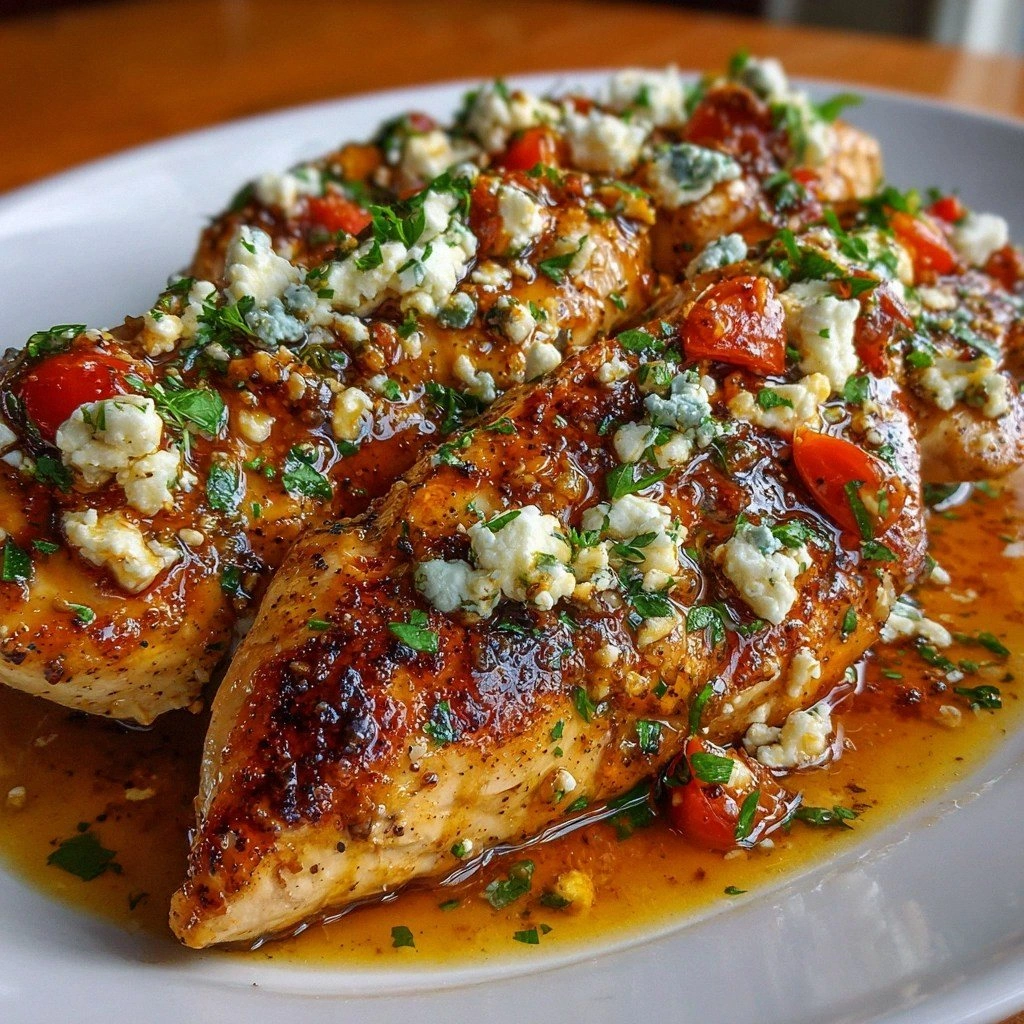
- Halfway through the final simmer, crumble the feta over the top of the chicken. The heat will melt the feta, turning it into a creamy, silky sauce that melds with the honey glaze. This step is crucial for that signature velvety finish that sets this dish apart.
- Once the chicken is cooked through (the internal temperature should read 165°F or 74°C), remove the skillet from heat. Let the chicken rest for 3 minutes—this allows the juices to redistribute. While it rests, sprinkle the chopped parsley over the top for a burst of color and fresh herbal note.
That's it— you did it. But hold on, I've got a few more tricks that'll take this to another level.
Insider Tricks for Flawless Results
The Temperature Rule Nobody Follows
Many cooks over‑cook the chicken by keeping the heat high for too long. The secret is to sear first for flavor, then lower the temperature for the glaze stage. I’ve found that a medium‑low setting keeps the honey from scorching while ensuring the chicken stays juicy. If you’re using a gas stove, a slight reduction in flame is all you need.
Why Your Nose Knows Best
The aroma of honey and smoked paprika is a powerful indicator of readiness. When the honey starts to bubble and the paprika releases its scent, it’s a sign that the glaze is developing the right depth. Trust your nose; if it’s fragrant, you’re on the right track.
The 5-Minute Rest That Changes Everything
After cooking, let the chicken rest for exactly five minutes. This small window allows the juices to settle, preventing them from spilling onto the plate. It also gives the feta a chance to fully melt into the glaze, creating that silky texture.
Keep the Pan Clean for a Better Sear
If the pan is dirty or has leftover bits, the chicken will release more moisture, preventing a crisp crust. Clean the skillet thoroughly before searing, and if you notice any excess oil, wipe it with a paper towel. A clean pan is the foundation for a perfect sear.
Add a Splash of Water Before Reheating
When reheating leftovers, add a tablespoon of water to the pan to create steam. This prevents the glaze from drying out and keeps the feta from becoming rubbery. The steam also helps re‑warm the chicken evenly.
Creative Twists and Variations
This recipe is a playground. Here are some of my favorite ways to switch things up:
Spicy Jalapeño Kick
Add sliced jalapeños to the glaze for an extra layer of heat. The fresh pepper will complement the cayenne, giving the dish a bright, peppery bite that pairs well with the honey.
Mediterranean Herb Infusion
Replace the parsley with a mix of oregano, thyme, and rosemary. This herb blend will give the dish an authentic Mediterranean vibe, enhancing the feta’s flavor.
Crispy Coconut Crunch
Toss the chicken in a light coating of shredded coconut before searing. The coconut will caramelize, adding a sweet, nutty crunch that contrasts with the creamy glaze.
Sriracha Sweet Surprise
Swirl in a tablespoon of sriracha into the honey glaze. The sriracha’s tangy heat will create a dynamic flavor profile that’s both sweet and spicy.
Pineapple Pineapple
Add diced fresh pineapple to the glaze for a tropical twist. The pineapple’s natural sugars will enhance the honey’s sweetness, while its acidity balances the richness.
Smoky Chipotle Twist
Replace the smoked paprika with chipotle powder for a smoky, earthy flavor. The chipotle will deepen the glaze’s complexity without overpowering the feta.
Storing and Bringing It Back to Life
Fridge Storage
Cool the chicken completely before refrigerating. Store in an airtight container for up to 24 hours. The glaze will thicken slightly, but it will still coat the chicken beautifully.
Freezer Friendly
Wrap the chicken in parchment paper, then place it in a freezer bag. Freeze for up to 2 months. Thaw overnight in the refrigerator before reheating.
Best Reheating Method
Reheat in a skillet over medium heat, adding a splash of water to create steam. This keeps the glaze from drying out and preserves the feta’s creamy texture. Let it heat until steaming hot.