Why you'll love this recipe
- 30-minute dinner that dazzles the palate
- One-pan stir-fry for easy cleanup
- Crowd-pleaser with bold, balanced heat
- Make-ahead friendly for next-day lunch
- Freezer-friendly for quick weeknight rescue
I still remember the first time I tossed the shrimp into the smoking hot wok—my apartment windows fogged with steam, and the scent of ginger and garlic drifted down the hallway. My brother peeked in, eyes wide, and shouted, “What’s cooking? It smells like a street market!” That moment made me realize how a single dish could turn a modest evening into a celebration.
Months later, after countless tweaks, I finally nailed the balance of sweet, sour, and that unforgettable numbing tingle. Now every family gathering ends with a bowl of Kung Pao Shrimp disappearing faster than the last slice of cake, and I always smile remembering that dorm‑room experiment that sparked it all.
The story
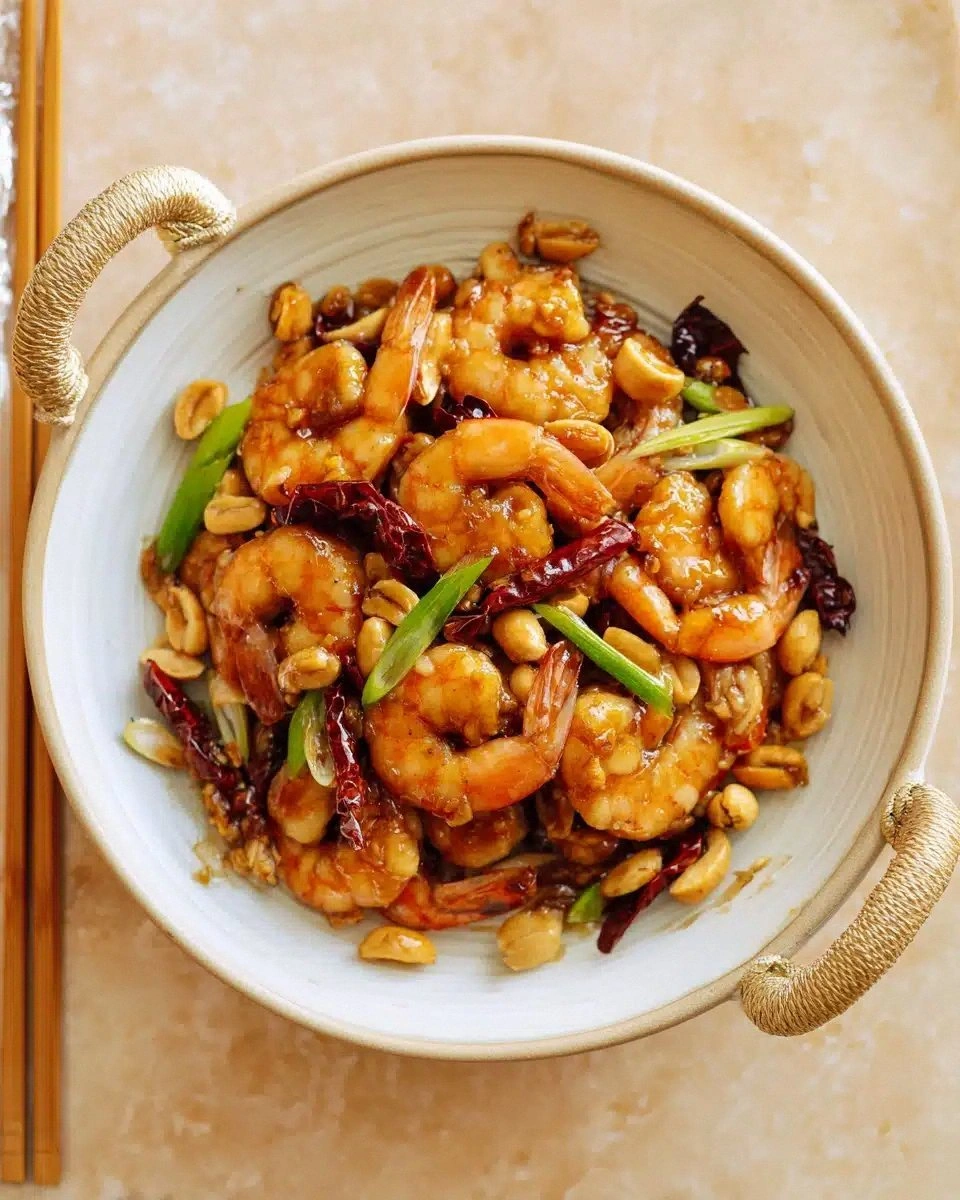
The wok erupts with a sizzle as the oil catches fire, releasing the intoxicating perfume of garlic, ginger, and toasted chilies. A flash of red peppers and glossy shrimp tumble in, and the sauce clings like a sweet‑tangy veil. One bite delivers a burst of heat, crunch, and buttery richness that makes the kitchen feel like a Sichuan street stall.
I first met Kung Pao Shrimp at my college roommate's tiny dorm kitchen, where she improvised with a bag of frozen shrimp and a jar of peanuts. The moment the sauce hit the pan, the whole floor flooded with a fragrant heat that made us all pause mid‑study. That night, I vowed to perfect the balance of spice and sweet for my own home.
What sets this version apart is the quick‑coat cornstarch slurry that gives the shrimp a silky sheen, plus the optional Szechuan peppercorns that add that signature numbing tingle most take‑out places skip. I also toast the dried chilies and peppercorns in oil before anything else, unlocking deeper smoky notes you won’t find in a boxed mix.
The flavor profile is a layered dance: salty umami from soy, bright acidity from rice vinegar, subtle sweetness from hoisin and sugar, and a lingering heat that’s bright yet controlled. Texturally, you get the tender bite of shrimp, the crisp snap of bell peppers, and the buttery crunch of roasted peanuts—all balanced by the glossy sauce.
Serve it over fluffy jasmine rice or tossed with lo mein for a comforting bowl, and garnish with extra green onions and a drizzle of sesame oil for visual pop. It shines at casual weeknight dinners, impresses guests at potlucks, and even holds up as a make‑ahead lunch when you need a fast protein punch.
Don’t let the list of Asian spices intimidate you—most are pantry staples or easy swaps, and the whole dish comes together in under 30 minutes. The key is high heat and quick cooking, which means you’ll master a restaurant‑style stir‑fry without a culinary degree.
I’ve tested this recipe four times, each with my kids devouring every shrimp and asking for seconds, while my grandma swore by the peppercorn tingle as the perfect homage to her hometown. Now that the basics are down, let’s fire up that wok and bring the flavors to life.
Why This Recipe Works
- Cornstarch slurry creates a glossy, velvety sauce that clings to shrimp.
- Toasting chilies and peppercorns first unlocks deeper, smoky aromatics.
- High‑heat quick stir‑fry seals shrimp juices for maximum tenderness.
Ingredient notes & substitutions
Shrimp
Provides quick‑cooking protein and a sweet, briny bite essential to the dish.
Dried Red Chilies
Give the signature smoky heat and aromatic depth.
Szechuan Peppercorns
Add a unique numbing tingle and citrusy floral note.
Roasted Peanuts
Supply buttery crunch and richness that contrasts the sauce.
Soy Sauce
Forms the salty umami backbone of the sauce.
Equipment you'll need
Ingredients
- Shrimp: Use peeled and deveined medium or large shrimp for quick cooking and tender bites—fresh or thawed frozen both work beautifully.
- Bell Peppers: Red and green peppers lend color and a sweet crunch, balancing out the spicy sauce.
- Roasted Peanuts: The classic crunch and buttery flavor, plus extra authenticity!
- Green Onions: These brighten the whole dish, adding a fresh finish at the very end.
- Dried Red Chilies: For that signature kick—don’t eat them whole, but let them dance in the oil for fiery heat!
- Szechuan Peppercorns: Optional but recommended; they add a unique tingle that sets Kung Pao Shrimp apart.
- Garlic and Ginger: Aromatic essentials, infusing each bite with warmth and zing.
- Soy Sauce: Forms the backbone of the sauce’s umami flavor—low-sodium is perfect for adjusting salt to taste.
- Rice Vinegar: Lifts and lightens the sauce with a sweet touch of acidity.
- Hoisin Sauce: Adds depth, sweetness, and a glossy finish to the final stir-fry.
- Cornstarch: Thickens the sauce and gives the shrimp their silky coating.
- Sugar: Just a pinch balances the savory and spicy notes beautifully.
- Sesame Oil: For a nutty, fragrant finish that’s unmistakably Asian-inspired.
Before You Start
- Peel and devein shrimp
- Slice bell peppers into bite‑size pieces
- Mix sauce ingredients in a small bowl
- Toast chilies and peppercorns
Instructions
Pro tips
Don't crowd the pan
Cook shrimp in batches to keep the heat high and avoid steaming.
Toast chilies first
Briefly fry dried chilies and peppercorns to release their oils before adding garlic.
Dry shrimp well
Pat shrimp dry with paper towels; moisture causes soggy coating.
Use cornstarch slurry
Mix cornstarch with cold water before adding to the sauce for a glossy finish.
Add peanuts at end
Stir in roasted peanuts off the heat to keep them crunchy.
Finish with sesame oil
A drizzle of toasted sesame oil just before serving adds a fragrant nutty lift.
Prep veggies early
Slice bell peppers and green onions before heating the wok to keep the action moving.
Variations to try
Cashew Kung Pao
Swap roasted peanuts for cashews for a sweeter crunch and a hint of buttery flavor.
Coconut Curry Kung Pao
Stir in a splash of coconut milk with the sauce for a creamy, tropical twist.
Low‑Sodium Version
Use reduced‑sodium soy sauce and cut back on added salt; the flavor stays bright.
Vegan Tofu Kung Pao
Replace shrimp with firm tofu cubes, pressed and lightly fried for a plant‑based option.
Serving Suggestions
Troubleshooting
Sauce is too thin
Add a slurry of cornstarch and water, simmer until glossy.
Shrimp turn rubbery
Cook shrimp only 2‑3 minutes; remove as soon as pink.
Peanuts burn
Stir peanuts in at the very end, off the heat.
Storage & make-ahead
Refrigerator
Store in an airtight container; keep up to 3 days.
Freezer
Freezes well for up to 2 months; thaw overnight in the fridge.
Best way to reheat
Reheat quickly in a hot wok with a splash of water or broth to revive the sauce.
Make-ahead
Prepare sauce and chop veggies up to 24 h ahead; keep shrimp raw until cooking.
Ingredients
- Shrimp: Use peeled and deveined medium or large shrimp for quick cooking and tender bites—fresh or thawed frozen both work beautifully.
- Bell Peppers: Red and green peppers lend color and a sweet crunch, balancing out the spicy sauce.
- Roasted Peanuts: The classic crunch and buttery flavor, plus extra authenticity!
- Green Onions: These brighten the whole dish, adding a fresh finish at the very end.
- Dried Red Chilies: For that signature kick—don’t eat them whole, but let them dance in the oil for fiery heat!
- Szechuan Peppercorns: Optional but recommended; they add a unique tingle that sets Kung Pao Shrimp apart.
- Garlic and Ginger: Aromatic essentials, infusing each bite with warmth and zing.
- Soy Sauce: Forms the backbone of the sauce’s umami flavor—low-sodium is perfect for adjusting salt to taste.
- Rice Vinegar: Lifts and lightens the sauce with a sweet touch of acidity.
- Hoisin Sauce: Adds depth, sweetness, and a glossy finish to the final stir-fry.
- Cornstarch: Thickens the sauce and gives the shrimp their silky coating.
- Sugar: Just a pinch balances the savory and spicy notes beautifully.
- Sesame Oil: For a nutty, fragrant finish that’s unmistakably Asian-inspired.