Picture this: a frantic Thursday night, the sink piled high with dishes, the fridge echoing with the mournful hum of a lone leftover salmon fillet, and a sudden dare from my roommate—“Make something that could actually convince a skeptical foodie to say ‘I do’ to salmon.” I stared at that sad fish and thought, “If I’m going to win this culinary marriage proposal, I need a dish that’s bold, unforgettable, and downright irresistible.” The kitchen was a battlefield of mismatched pans, a rogue garlic clove that had rolled under the stove, and a timer that kept beeping like an impatient toddler. Yet amid the chaos, a spark ignited: what if I combined the sweet kiss of honey, the umami depth of soy, and the bright zing of lemon into a glaze that would hug each fillet like a lover’s embrace?
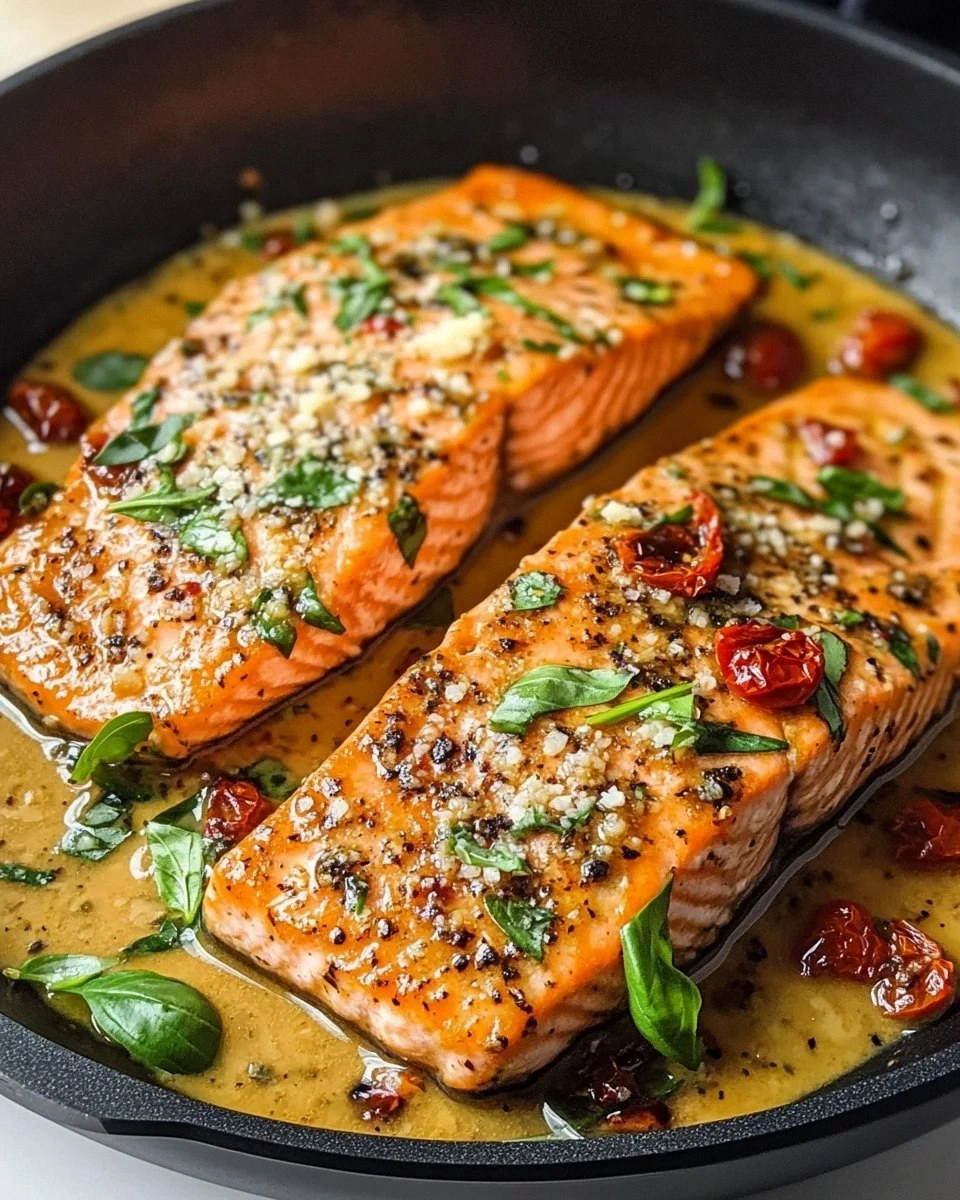
The moment the glaze hit the pan, the air turned into a fragrant symphony—sharp garlic notes dancing with the caramelizing honey, while the soy sauce added a salty undertone that made my nose tingle with anticipation. I could hear the sizzle, a confident crackle that sounded like applause, and the salmon’s flesh began to turn a gorgeous rose-gold, its edges crisping into a texture that shatters like thin ice when you bite into it. The first bite was a revelation: buttery, flaky flesh wrapped in a glossy, slightly sticky coating that sang of sweet, salty, and citrusy chords all at once. I’ll be honest—I ate half the batch before anyone else got a chance to try it, and that’s a confession worth sharing because it proves just how addictive this version truly is.
Most salmon recipes out there either drown the fish in a watery sauce that slides off the plate or rely on a bland seasoning that leaves you wishing for more. This version stands out because it balances flavor layers like a well‑crafted novel—each chapter building on the last, leading to a climax that makes you gasp, “This is hands down the best version you’ll ever make at home.” The secret? A quick sear that locks in juices, followed by a short finish in the oven that lets the glaze caramelize without burning, creating those coveted crispy edges while keeping the interior melt‑in‑your‑mouth tender. I dare you to taste this and not go back for seconds; the combination of textures and flavors is engineered to keep you coming back for more.
Now, I’m about to walk you through every single step—by the end, you’ll wonder how you ever made salmon any other way. Ready for the game‑changer? This next part? Pure magic. Stay with me here — this is worth it.
What Makes This Version Stand Out
- Flavor Explosion: The honey‑soy‑lemon glaze creates a sweet‑savory‑tangy trio that coats the salmon like velvet, ensuring every bite is a burst of balanced taste.
- Texture Triumph: A quick pan‑sear followed by a brief oven finish gives you crispy, caramelized edges that shatter like thin ice while the interior stays buttery soft.
- Simplicity Meets Sophistication: With only a handful of pantry staples you can pull this off in under an hour, yet the result feels restaurant‑level.
- Ingredient Quality: Fresh, wild‑caught salmon fillets bring natural richness, and the fresh dill adds an herbaceous lift that brightens the whole dish.
- Crowd‑Pleaser Factor: Even the most skeptical eaters admit this glaze turns a simple fish into a celebration on a plate.
- Make‑Ahead Potential: The glaze can be prepared in advance, and the salmon reheats beautifully, making it perfect for meal‑prep warriors.
- Cooking Method Mastery: The two‑step sear‑and‑bake technique avoids the common pitfall of overcooking, preserving moisture while achieving caramelization.
- Versatile Base: This recipe serves as a canvas for endless variations—think Asian, Mediterranean, or even spicy twists.
Inside the Ingredient List
The Flavor Base
Honey brings natural sweetness and a glossy finish, acting like a culinary glue that holds the glaze together while caramelizing beautifully under heat. If you skip the honey, the glaze loses its signature sheen and the subtle sweet‑savory balance that makes each bite sing. As a swap, you can use maple syrup for a deeper, wood‑smoked sweetness, but remember it’s a bit thinner, so you may need to reduce it longer.
The Texture Crew
Olive oil is the silent hero, creating a thin barrier that prevents the salmon from sticking and helps the glaze spread evenly. Using a low‑smoke‑point oil like butter can cause burning, especially during the high‑heat sear, so stick with oil that can handle the heat. If you’re watching calories, a light spray of avocado oil works just as well and adds a buttery note.
The Unexpected Star
Fresh dill might seem like a garnish, but its bright, grassy notes cut through the richness of the fish, preventing the palate from feeling heavy. Missing dill means the dish can feel one‑dimensional; a pinch of dried oregano can substitute in a pinch, though the fresh herb’s punch is unmatched.
The Final Flourish
Smoked paprika adds a whisper of smoky depth without overwhelming the delicate salmon, while the lemon juice injects acidity that lifts the entire flavor profile. If you don’t have smoked paprika, regular paprika plus a dash of liquid smoke will do the trick, but be careful not to over‑smoke—less is more.
Everything's prepped? Good. Let's get into the real action...
The Method — Step by Step
-
Start by preheating your oven to 375°F (190°C). While the oven warms, line a baking sheet with parchment paper; this prevents sticking and makes cleanup a breeze. I like to set a timer for the oven so I don’t forget—this is the moment of truth where the kitchen starts to smell like a promise.
Kitchen Hack: Place the parchment‑lined sheet on a cooling rack; this allows hot air to circulate around the salmon, ensuring even cooking. -
Pat the salmon fillets dry with paper towels, then season each side with salt, pepper, and smoked paprika. The seasoning should be a light dusting—too much and you’ll mask the glaze’s flavor. Feel the fillets under your fingertips; they should be firm yet slightly pliable, a sign they’re fresh.
-
Heat a large skillet over medium‑high heat and add the olive oil. Once the oil shimmers, lay the salmon skin‑side down (if skin is on) and listen for that immediate sizzle—That sizzle when it hits the pan? Absolute perfection. Let it sear undisturbed for about 3‑4 minutes; the edges will start turning opaque, a visual cue that the skin is crisping.
Watch Out: If the pan is too hot, the skin will burn before the flesh cooks—adjust the heat to medium if you see smoke rising too quickly. -
While the salmon sears, whisk together honey, soy sauce, Dijon mustard, lemon juice, minced garlic, and grated ginger in a small bowl. The mixture should be smooth, with the honey fully dissolved, creating a glossy glaze that clings to the spoon. This is the secret sauce that will turn ordinary salmon into a marriage‑worthy masterpiece.
-
Flip the salmon carefully using a fish spatula, then immediately pour half of the glaze over the fillets, letting it bubble and caramelize for another 2 minutes. The glaze should thicken slightly, coating the fish in a shiny, amber layer. If you notice the glaze thickening too fast, lower the heat; you want a gentle caramel, not a burnt crust.
-
Transfer the skillet (or move the fillets to the prepared baking sheet) into the preheated oven. Roast for 6‑8 minutes, depending on thickness; the fish should flake easily with a fork but still retain a juicy center. Picture yourself pulling this out of the oven, the whole kitchen smelling incredible, the glaze bubbling like a sunrise.
-
Remove the salmon from the oven and drizzle the remaining glaze over the top. Sprinkle freshly chopped dill for a pop of color and herbaceous brightness. Let the fillets rest for 2 minutes; this short rest allows the juices to redistribute, preventing a dry bite.
Kitchen Hack: While the salmon rests, whisk the leftover glaze with a splash of warm water to create a quick sauce for drizzling over rice or quinoa. -
Serve the salmon on a bed of steamed vegetables or fluffy couscous, letting the glaze cascade down the sides. A final squeeze of lemon adds a bright finish that lifts the entire plate. And now the fun part—watch your guests' faces light up as they take that first bite.
That's it — you did it. But hold on, I've got a few more tricks that'll take this to another level...
Insider Tricks for Flawless Results
The Temperature Rule Nobody Follows
Never start with a cold pan; always give your skillet a minute to reach the right temperature before adding oil. This ensures the salmon sizzles immediately, creating that coveted crust. I once tried searing on a lukewarm pan and ended up with a soggy mess—lesson learned.
Why Your Nose Knows Best
Trust the aroma. When the glaze starts to caramelize, you’ll smell a sweet, nutty scent that signals it’s ready to flip. If you rely solely on a timer, you might miss that perfect window, resulting in either under‑cooked glaze or burnt edges.
The 5‑Minute Rest That Changes Everything
Allowing the salmon to rest for just a few minutes after cooking lets the muscle fibers relax, locking in moisture. Skipping this step is the fastest way to end up with dry, flaky fish that no one wants. This rest also gives the dill a chance to release its essential oils into the glaze.
Layering Flavors Like a Pro
Instead of dumping all the glaze at once, add it in two stages: half during the sear, half after the oven finish. This method builds depth, giving you both a caramelized crust and a fresh, glossy finish. I dare you to try the single‑stage method and see how it pales in comparison.
Pan Choice Matters
Use a heavy‑bottomed stainless steel or cast‑iron skillet; these retain heat better, ensuring an even sear. Non‑stick pans can’t achieve that golden crust and often release the fish too easily. If you only have a non‑stick, use a splash more oil and keep the heat a touch lower.
Creative Twists and Variations
This recipe is a playground. Here are some of my favorite ways to switch things up:
Spicy Sriracha Kick
Add a tablespoon of sriracha to the glaze for a fiery twist. The heat pairs beautifully with the honey’s sweetness, creating a sweet‑heat balance that will wow anyone who loves a little spice.
Asian‑Inspired Sesame
Swap the Dijon mustard for a teaspoon of toasted sesame oil and sprinkle toasted sesame seeds over the finished salmon. The nutty aroma adds depth and makes the dish feel like a sophisticated takeout.
Mediterranean Herb Medley
Replace dill with a blend of oregano, thyme, and a pinch of rosemary. Finish with a drizzle of extra‑virgin olive oil and a handful of kalamata olives for a sun‑kissed Mediterranean vibe.
Maple‑Brown Sugar Glaze
Use pure maple syrup in place of honey and add a tablespoon of brown sugar. This creates a richer, caramel‑laden glaze that’s perfect for cooler evenings.
Coconut‑Lime Fusion
Stir in a splash of coconut milk and a teaspoon of lime zest into the glaze. The tropical notes complement the salmon’s richness and give the dish an island‑style flair.
Herb‑Crusted Finish
After the glaze, press a mixture of panko breadcrumbs, chopped parsley, and a drizzle of melted butter onto the top of each fillet, then broil for 2 minutes. The result is a crunchy crown that adds texture contrast.
Storing and Bringing It Back to Life
Fridge Storage
Place leftover salmon in an airtight container, pour any remaining glaze over the top, and refrigerate for up to three days. The glaze acts as a protective barrier, keeping the fish moist and flavorful.
Freezer Friendly
Wrap each fillet tightly in plastic wrap, then place them in a freezer‑safe zip‑lock bag with a splash of the glaze. They’ll keep for up to two months. When ready to use, thaw overnight in the fridge and reheat using the method below.
Best Reheating Method
Preheat your oven to 300°F (150°C), add a tiny splash of water or extra glaze to the container, and cover with foil. Heat for 10‑12 minutes until the fish is warmed through; the added moisture steams the salmon back to perfection without drying it out.