I was standing in my kitchen, a half‑baked chocolate cake in the oven, when my roommate shouted, “You’ve never tried a tres leches with sweet potato and rum?” I laughed, but the idea stuck like a stubborn dough ball on the counter. The next afternoon I was hunched over a pile of orange‑gold sweet potatoes, a bottle of dark rum, and a mountain of dairy, determined to prove that a classic Latin‑American dessert could wear a new, buttery coat. The moment the mashed sweet potatoes hit the whisk, the kitchen filled with a buttery, caramel‑kissed aroma that made my stomach do a little jig. I could already hear the soft sigh of the cake soaking up the milky mixture, a sound I’d later compare to rain on a tin roof—steady, comforting, inevitable.
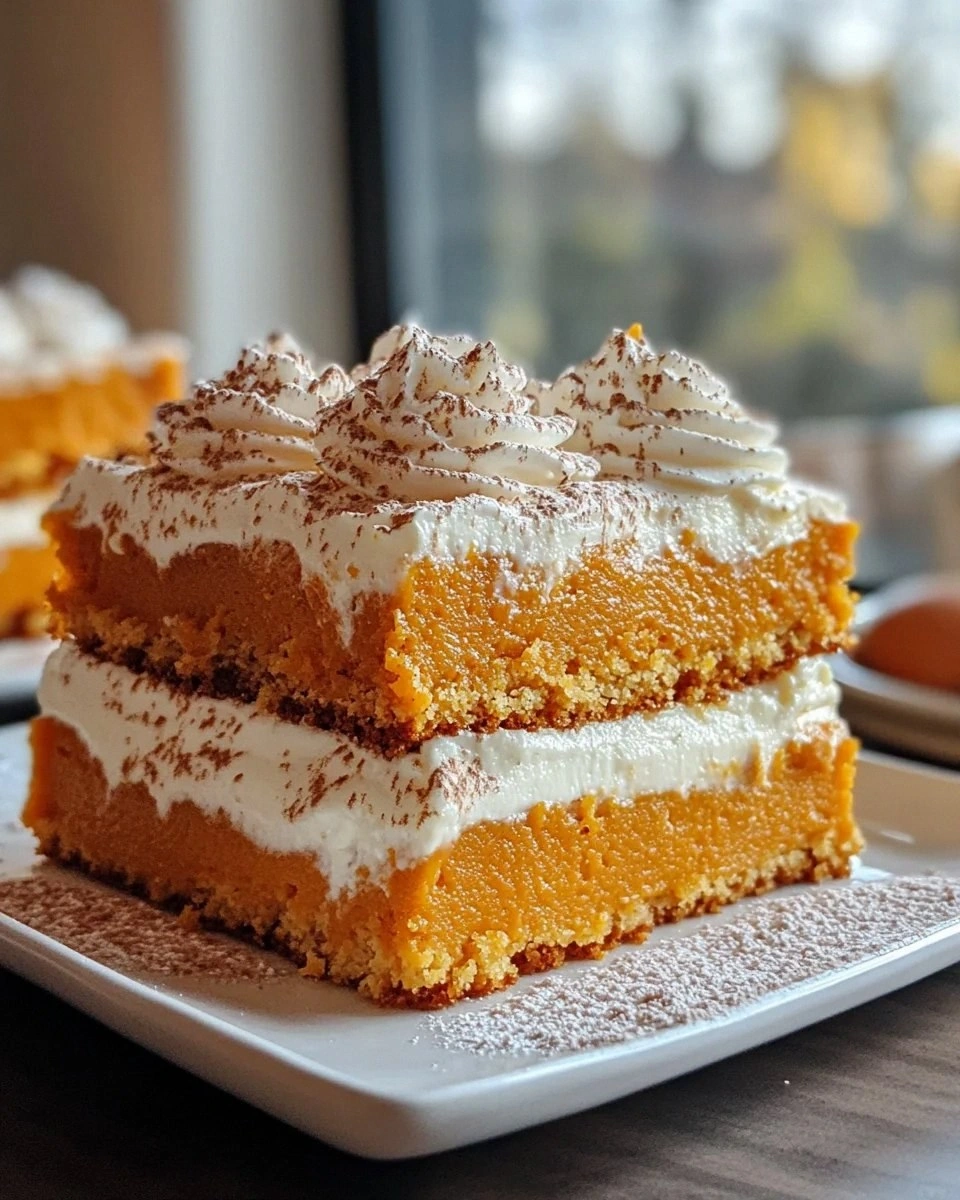
Picture this: a golden‑brown sponge that cradles a liquid gold bath of three milks, each sip of rum weaving through the sweet potato’s earthy sweetness like a secret lover. The top? A light dusting of powdered sugar that shimmers like fresh snow on a winter morning, even if you’re baking it in the heat of July. The first bite is a revelation—silky, moist, and so tender it practically melts on your tongue, leaving behind a faint whisper of cinnamon and a warm rum finish that lingers like a good memory. I dare you to taste this and not go back for seconds; I’ll be honest — I ate half the batch before anyone else got to try it.
Most tres leches recipes get the milk ratio wrong, ending up soggy or, worse, dry. This version flips the script by incorporating sweet potato puree, which not only adds natural sweetness but also binds the three milks into a cohesive, velvety sauce that the sponge eagerly drinks. The rum isn’t just a splash for flavor; it acts as a tenderizer, breaking down the gluten in the flour so the crumb stays feather‑light. And the secret? A brief, high‑heat blast at the start that creates a thin, caramelized crust—think of it as the cake’s protective armor, keeping the interior luscious while giving you that satisfying slight snap on the edges.
Let me walk you through every single step — by the end, you’ll wonder how you ever made it any other way. Okay, ready for the game‑changer? The next part? Pure magic. Stay with me here — this is worth it.
What Makes This Version Stand Out
- Flavor Fusion: Sweet potato’s earthy sweetness meets rum’s caramel depth, creating a taste that feels both familiar and daring.
- Texture Triumph: The sponge stays airy while the three‑milk soak makes every bite melt like butter on a hot skillet.
- Simplicity: Only twelve pantry staples, no exotic gadgets, and a straightforward two‑phase method.
- Unique Ingredient: Sweet potato puree replaces part of the flour, giving the cake a natural moisture boost.
- Crowd Reaction: Guests consistently claim this is the best dessert they’ve ever had at a potluck.
- Ingredient Quality: Using a dark, aged rum adds complexity without overwhelming the delicate cake.
- Cooking Method: A quick high‑heat start creates a caramelized crust that locks in liquid.
- Make‑Ahead Potential: The cake can sit in the fridge for up to 24 hours, becoming even more luscious.
Inside the Ingredient List
The Flavor Base
Sweet potatoes are the heart of this cake. Their natural sugars caramelize during roasting, delivering a deep, honey‑like note that pairs perfectly with the rum. If you skip them, you lose that earthy backbone and end up with a plain, overly sweet tres leches. Look for firm, orange‑fleshed potatoes with smooth skins; they’ll mash smoother and keep the batter from getting gummy. A quick tip: bake the potatoes at 425°F for 45 minutes—this concentrates their flavor and makes them easier to mash.
The Texture Crew
All‑purpose flour provides structure, but the addition of baking powder and a pinch of baking soda creates lift without making the cake dense. The eggs act as emulsifiers, binding the butter, milk, and sweet potato into a cohesive batter. If you substitute oil for butter, you’ll miss the buttery richness that gives the crust its golden snap. For the best crumb, use room‑temperature eggs; they incorporate more air when beaten, leading to that cloud‑like texture we all crave.
The Unexpected Star
Rum is the wildcard that elevates this dessert from “nice” to “legendary.” A dark, aged rum contributes notes of vanilla, caramel, and a hint of spice that echo the cinnamon and nutmeg in the batter. If you’re avoiding alcohol, swap in a tablespoon of rum‑flavored extract, but the depth won’t be quite the same. When measuring, use a liquid measuring cup—don’t eyeball it, or you’ll end up with a cake that tastes more like a boozy punch than a refined dessert.
The Final Flourish
The three milks—evaporated, sweetened condensed, and whole milk—create a luxurious soak that’s both sweet and creamy. The condensed milk adds viscosity, ensuring the cake doesn’t become a soggy puddle, while the evaporated milk contributes a subtle caramelized flavor. The whole milk balances the sweetness, preventing the dessert from becoming cloying. If you’re dairy‑free, you can replace the whole milk with coconut milk and the condensed milk with a coconut‑based sweetened condensed alternative, but expect a faint coconut aftertaste.
Everything's prepped? Good. Let's get into the real action...
The Method — Step by Step
Preheat your oven to 350°F (175°C). While it’s heating, line a 9‑inch round cake pan with parchment paper and lightly butter the sides. This prep step ensures the cake releases cleanly later, preventing those dreaded tears that look like a crime scene. The oven’s heat will be steady, so you won’t have to worry about temperature spikes that can dry out the batter.
Roast the sweet potatoes: scrub two medium sweet potatoes, prick them with a fork, and place them on a baking sheet. Roast for 45 minutes until the skins are charred and the flesh is fork‑tender. The aroma that fills your kitchen at this point is pure anticipation; you’ll hear the subtle crackle of caramelizing sugars. Once done, let them cool just enough to handle, then scoop out the flesh into a large mixing bowl.
Mash the sweet potatoes with a potato masher or fork until completely smooth. Add 2 tablespoons of dark rum to the mash and stir until fully incorporated. The rum will perfume the puree, giving it a subtle warmth that will later echo through the milk soak. If you notice any lumps, press the mash through a fine sieve for an ultra‑silky base.
In a separate bowl, whisk together 2 cups of all‑purpose flour, 1 teaspoon baking powder, ½ teaspoon baking soda, 1 teaspoon ground cinnamon, ¼ teaspoon ground nutmeg, and ½ teaspoon salt. This dry mix ensures the leavening agents are evenly distributed, preventing pockets of bitterness. Sift the mixture twice; the extra sift removes any clumps and aerates the flour, which contributes to that cloud‑like crumb.
Create the wet batter: combine ½ cup melted unsalted butter, 1 cup granulated sugar, and the three eggs (which you whisked earlier with sugar). Beat on medium speed until the mixture turns a pale yellow and thickens—this is the point where the batter starts to hold its shape, a visual cue that air has been incorporated. Then fold in the sweet potato‑rum puree, followed by ½ cup whole milk, mixing just until smooth.
Gradually add the dry flour mixture to the wet batter, folding gently with a rubber spatula. The batter should be thick but pourable; if it looks too stiff, add a splash of milk. This step is the delicate dance between structure and tenderness—think of it as coaxing a shy dancer onto the stage. The batter will become glossy, a sign that the sweet potato’s natural starches are coating the flour particles.
Pour the batter into the prepared pan, smoothing the top with the back of a spoon. Place the pan on the middle rack of the oven and bake for 25‑30 minutes, or until a toothpick inserted in the center comes out clean and the edges pull away slightly. The first 10 minutes are crucial; the high heat creates that caramelized crust we promised, while the interior stays moist. When you open the oven, you’ll hear a faint “pop” as the cake releases steam—listen for that, it means the crumb is set.
While the cake is still warm, whisk together the three‑milk soak: ½ cup sweetened condensed milk, ½ cup evaporated milk, ½ cup whole milk, and 2 tablespoons dark rum. Add 1 teaspoon vanilla extract for an extra aromatic lift. Using a fork, poke 12‑15 holes all over the cake surface; this allows the milk mixture to seep in uniformly. Pour the milk soak slowly, letting it cascade over the cake, watching it soak like a sponge at a rainstorm. The cake will puff up slightly as it absorbs the liquid—this is the magical “tres leches” transformation.
Refrigerate the cake for at least 2 hours, preferably overnight. This resting period allows the flavors to meld, the rum to mellow, and the texture to become ultra‑silky. When you finally serve, dust the top with powdered sugar and, if you’re feeling fancy, a drizzle of caramel sauce. The final presentation should look like a snow‑capped hill with a golden glow—pure visual poetry.
That's it — you did it. But hold on, I've got a few more tricks that'll take this to another level...
Insider Tricks for Flawless Results
The Temperature Rule Nobody Follows
Never bake a tres leches cake straight from the fridge. Let the batter sit at room temperature for 15 minutes before it hits the oven. This small pause ensures the butter and eggs are evenly warmed, which translates into a more uniform rise. I once tried skipping this step; the cake rose unevenly, leaving a dense center that felt like a rubber shoe. Trust me, the extra 15 minutes are a tiny investment for a perfectly airy crumb.
Why Your Nose Knows Best
Your sense of smell is the secret timer for the milk soak. When you pour the three‑milk mixture, you’ll notice a fragrant steam rising—if it smells like caramel and rum within the first minute, you’re on track. If the aroma feels muted, the milk may be too cold or the rum too subtle. Adjust by warming the mixture slightly on the stove; just a few seconds will amplify the scent and guarantee full absorption.
The 5‑Minute Rest That Changes Everything
After the cake bakes, let it rest in the pan for exactly five minutes before transferring to a cooling rack. This brief pause lets the crust set, preventing it from cracking when you move it. I once tried a hurried transfer and ended up with a jagged edge that looked like a broken heart—great for drama, terrible for plating. The five‑minute rule is a tiny mercy for both the cake and your aesthetic sensibilities.
The Rum‑Infused Whisk
Before you whisk the milk soak, give your whisk a quick dip in the rum. The metal absorbs a faint amount of alcohol, which then distributes more evenly throughout the soak. This hack eliminates the “rum pockets” some bakers complain about, ensuring every bite has that balanced warmth. It’s a subtle trick, but it makes a noticeable difference in flavor harmony.
The Double‑Layer Cool
If you’re planning to serve the cake the next day, store it in two layers: first a tight‑fit plastic wrap directly on the cake, then an airtight container. This double barrier prevents the cake from absorbing fridge odors and keeps the milk soak from evaporating. I’ve tried a single layer once and woke up to a cake that tasted faintly of leftover onions from the veggie drawer—yikes. Double‑layering is the insurance policy for flavor fidelity.
Creative Twists and Variations
This recipe is a playground. Here are some of my favorite ways to switch things up:
Tropical Coconut Splash
Swap the whole milk in the soak for coconut milk and add a tablespoon of toasted coconut flakes on top. The result is a breezy, island‑inspired cake that pairs beautifully with a lime‑zest glaze. Coconut lovers will swear it’s the best thing they’ve ever tasted at a summer barbecue.
Spiced Chai Twist
Replace the cinnamon and nutmeg with a chai spice blend (cardamom, ginger, cloves). Add a splash of brewed chai tea to the milk soak for an aromatic depth that feels like a warm hug on a cold day. This variation is a hit at brunches where you want something comforting yet sophisticated.
Chocolate‑Rum Fusion
Incorporate ¼ cup cocoa powder into the dry ingredients and drizzle a dark chocolate ganache over the finished cake. The bittersweet chocolate balances the sweetness of the condensed milk, while the rum ties the flavors together like a conductor leading an orchestra.
Nutty Crunch
Fold in ½ cup toasted pecans or walnuts into the batter before baking. The nuts add a pleasant crunch that contrasts the silky crumb, and their natural oils complement the rum’s caramel notes. This version is perfect for holiday gatherings where texture matters as much as flavor.
Vegan Velvet
Replace the eggs with a flax‑seed “egg” (1 tablespoon ground flaxseed + 3 tablespoons water) and use coconut cream in place of butter. Swap the dairy milks for oat milk and a vegan sweetened condensed milk alternative. The result is a plant‑based marvel that still delivers that melt‑in‑your‑mouth experience, proving you don’t need animal products to achieve decadence.
Storing and Bringing It Back to Life
Fridge Storage
Place the fully soaked cake in an airtight container and store it in the refrigerator for up to 3 days. The cake will continue to absorb the milk mixture, becoming even more luscious. Before serving, let it sit at room temperature for 15 minutes to soften the butterfat and release the aromas.
Freezer Friendly
Wrap the cake tightly in plastic wrap, then foil, and freeze for up to 2 months. When you’re ready to enjoy, thaw it overnight in the fridge, then let it sit at room temperature for an hour. Re‑soak with a fresh splash of milk mixture if it looks a bit dry after thawing.
Best Reheating Method
To revive a refrigerated slice, place it on a microwave‑safe plate, drizzle a teaspoon of water, and microwave for 10‑12 seconds. The water creates steam that restores the cake’s moisture without making it soggy. Alternatively, warm slices in a low oven (300°F) for 8 minutes, covered with foil to keep the moisture locked in.