
Spaghetti alla Puttanesca
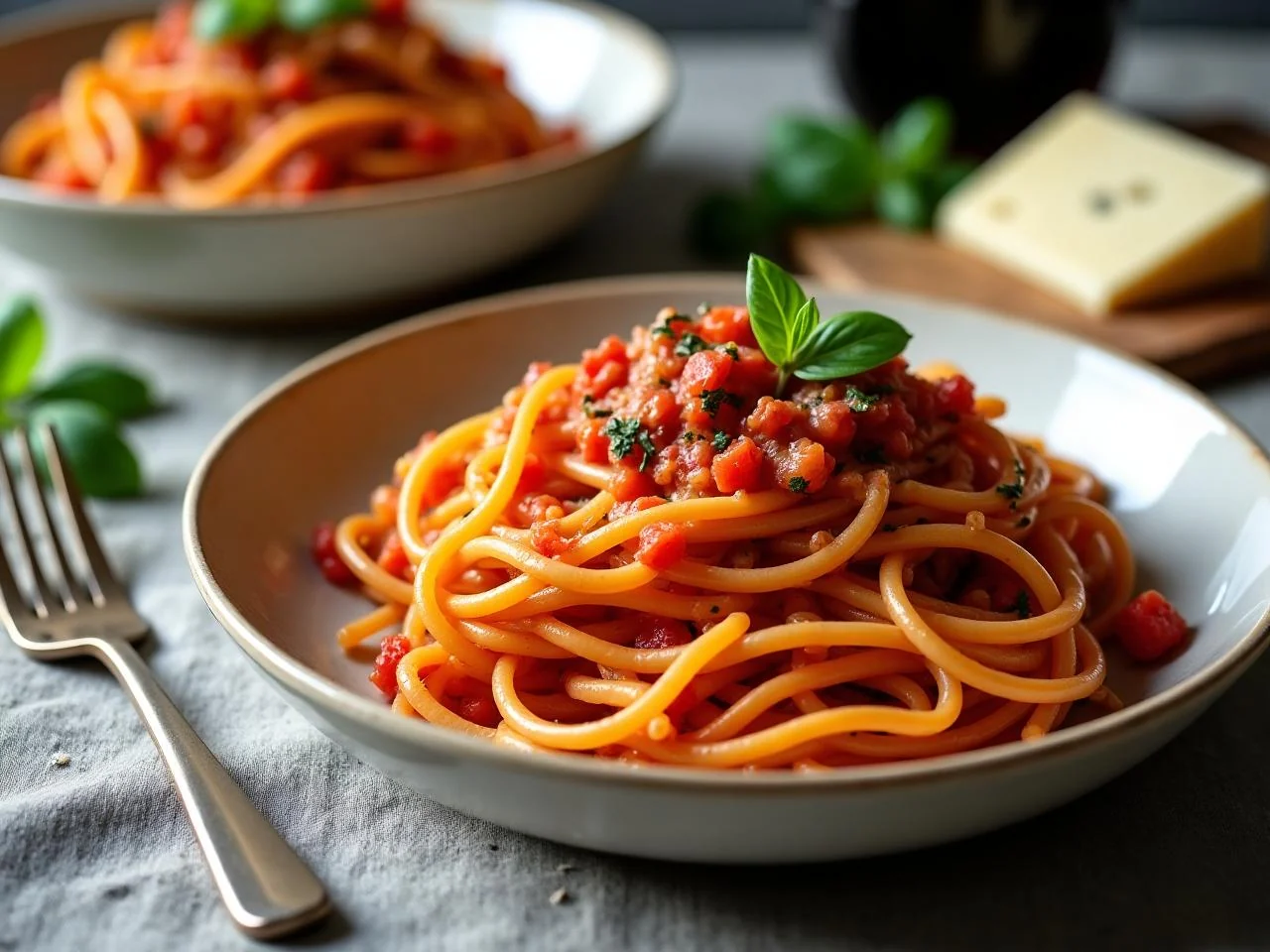
I still remember the first time I had Spaghetti alla Puttanesca. I was a young girl, sitting at my grandmother's kitchen table, watching her cook up a storm. The aroma of garlic, olives, and capers filled the air, and I was intrigued. She served it to me with a sprinkle of parmesan cheese, and I was hooked. From that day on, it became one of my favorite dishes.
Spaghetti alla Puttanesca is a classic Italian-American recipe that originated in Naples. The name 'Puttanesca' literally means 'whore's style' in Italian, and it's believed to have been created by the ladies of the night in Naples as a quick and easy meal to serve to their clients. Despite its questionable origins, the dish has become a staple of Italian-American cuisine, and for good reason - it's easy to make, delicious, and packed with flavor.
One of the things I love about Spaghetti alla Puttanesca is its simplicity. The ingredients are straightforward, and the technique is easy to master. It's a great dish for a weeknight dinner, and it's also perfect for special occasions. I've served it to my family and friends countless times, and it never fails to impress.
In this recipe, I'll show you how to make Spaghetti alla Puttanesca from scratch. We'll start with the basics - spaghetti, garlic, olives, capers, and tomatoes - and then add some extra ingredients to give it that special something. I'll also share some tips and tricks to help you get the best results, so don't be afraid to experiment and make it your own.
So, if you're looking for a delicious and easy Italian-American recipe to add to your repertoire, look no further than Spaghetti alla Puttanesca. It's a classic for a reason, and I'm excited to share it with you.
Why You’ll Love This Recipe
- It's easy to make and requires minimal ingredients
- It's a great way to use up leftover olives and capers
- It's a delicious and flavorful dish that's perfect for special occasions
- It's a classic Italian-American recipe that's sure to impress
- It's a versatile dish that can be served with a variety of sides and salads
- It's a budget-friendly option that won't break the bank
- It's a crowd-pleasing dish that's sure to become a favorite
Why This Recipe Works
So, what makes Spaghetti alla Puttanesca so special? For starters, it's the combination of flavors and textures. The olives and capers add a salty, savory element, while the garlic and tomatoes provide a rich, slightly sweet flavor. The spaghetti, of course, is the perfect vehicle for the sauce, and the parmesan cheese adds a nice creaminess to the dish.
But it's not just the ingredients that make Spaghetti alla Puttanesca work - it's also the technique. Cooking the garlic and olives in olive oil until they're soft and fragrant is key, as it releases their natural oils and flavors. Then, adding the tomatoes and capers and simmering the sauce until it thickens creates a rich, intense flavor that's just perfect for the spaghetti.
Another important aspect of Spaghetti alla Puttanesca is the balance of flavors. You want to make sure that the sauce is neither too salty nor too sweet, and that the flavors are balanced and harmonious. This is where the acidity of the tomatoes comes in - it helps to cut through the richness of the olives and capers, and creates a bright, refreshing flavor that's just perfect for a weeknight dinner.
Ingredients You’ll Need
Now that we've talked about the basics of Spaghetti alla Puttanesca, let's take a look at the ingredients we'll need. The good news is that you probably have most of them in your pantry already - spaghetti, garlic, olives, capers, and tomatoes are all staples of Italian cooking. We'll also need some olive oil, salt, and parmesan cheese to round out the dish.
When it comes to shopping for ingredients, I recommend using high-quality olives and capers. They may be a bit more expensive, but they have a much more intense flavor than their lower-quality counterparts. You can find them at most Italian markets or specialty food stores.
- 1 lb (450g) spaghettiI like to use high-quality spaghetti that's made from durum wheat semolina. It has a nuttier flavor and a better texture than regular spaghetti.
- 3 cloves garlic, mincedMake sure to mince the garlic finely so that it cooks evenly and doesn't overpower the other flavors in the dish.
- 1/2 cup (115g) pitted green olives, slicedI prefer to use pitted green olives for this recipe, as they have a milder flavor than black olives. You can also use a combination of both if you like.
- 1/4 cup (30g) capers, rinsed and drainedCapers are a key ingredient in Spaghetti alla Puttanesca, and they add a salty, tangy flavor to the dish. Make sure to rinse them well before using to remove any excess salt.
- 2 cups (475ml) canned crushed tomatoesI like to use high-quality canned tomatoes that are made from San Marzano tomatoes. They have a sweeter, less acidic flavor than other types of tomatoes.
- 1/4 cup (60ml) extra-virgin olive oilUse a good-quality extra-virgin olive oil for this recipe, as it will add a rich, fruity flavor to the dish.
- Salt and pepper, to tasteMake sure to season the dish well with salt and pepper to bring out the flavors of the other ingredients.
- 1/4 cup (30g) grated parmesan cheeseParmesan cheese is a key ingredient in Spaghetti alla Puttanesca, and it adds a nutty, salty flavor to the dish. You can also use other types of cheese, such as mozzarella or ricotta, if you prefer.
- 2 tbsp (30g) chopped fresh parsleyFresh parsley adds a bright, fresh flavor to the dish, and it's a great way to add some color and texture to the finished pasta.
- 1 tsp (5g) dried basilDried basil has a more intense flavor than fresh basil, and it's a great way to add a subtle, herbaceous flavor to the dish.
- 1/4 tsp (1.25g) red pepper flakesRed pepper flakes add a spicy kick to the dish, and they're a great way to add some heat to the finished pasta. You can adjust the amount to taste, depending on how spicy you like your food.
Equipment You’ll Need
How to Make Spaghetti alla Puttanesca
- 1Bring a large pot of salted water to a boil and cook the spaghetti according to the package instructions until it's al dente. Reserve 1 cup of the pasta water before draining the spaghetti.
- 2In a large skillet or sauté pan, heat the olive oil over medium heat. Add the minced garlic and cook, stirring occasionally, until it's soft and fragrant, about 4-5 minutes.
- 3Add the sliced olives and capers to the skillet and cook, stirring occasionally, until they're soft and fragrant, about 3-4 minutes.
- 4Add the crushed tomatoes, salt, and pepper to the skillet. Stir to combine, then reduce the heat to low and simmer the sauce, stirring occasionally, for 10-15 minutes.
- 5Add the grated parmesan cheese, chopped parsley, and dried basil to the skillet. Stir to combine, then cook for an additional 1-2 minutes, until the cheese is melted and the sauce is heated through.
- 6Add the cooked spaghetti to the skillet, tossing to combine with the sauce. If the sauce seems too thick, add a bit of the reserved pasta water to thin it out.
- 7Season the spaghetti with salt and pepper to taste, then serve immediately, topped with additional parmesan cheese and parsley if desired.
- 8To add some heat to the dish, sprinkle a pinch of red pepper flakes over the top of the spaghetti before serving.
- 9To make the dish more substantial, serve it with a side of garlic bread or a green salad.
- 10To make it ahead, cook the spaghetti and sauce separately, then combine them just before serving. You can also store the sauce in an airtight container in the fridge for up to 3 days or freeze it for up to 2 months.
- 11To reheat the sauce, simply warm it over low heat, stirring occasionally, until it's heated through. You can also reheat it in the microwave, stirring every 30 seconds, until it's hot and bubbly.
- 12To add some extra flavor to the dish, try adding some chopped anchovies or diced ham to the sauce. You can also add some chopped bell peppers or mushrooms to the skillet with the garlic and olives for added flavor and texture.
- 13To make the dish more authentic, try using guanciale or pancetta instead of olives. You can also add some chopped fresh basil to the sauce for added flavor and fragrance.
Expert Tips
- Make sure to use high-quality ingredients, such as San Marzano tomatoes and good-quality olives, to get the best flavor out of the dish.
- Don't overcook the spaghetti - it should be al dente, or still have a bit of bite to it.
- Use a good-quality olive oil to add flavor to the dish. You can also use other types of oil, such as avocado oil or grapeseed oil, if you prefer.
- Add the parmesan cheese at the end of cooking, so it melts and adds a creamy texture to the sauce.
- If you want to make the dish more substantial, try adding some cooked sausage or meatballs to the sauce.
- To make the dish ahead, cook the spaghetti and sauce separately, then combine them just before serving.
- To freeze the sauce, let it cool completely, then transfer it to an airtight container or freezer bag. It will keep for up to 2 months in the freezer.
- To reheat the sauce, simply warm it over low heat, stirring occasionally, until it's heated through.
Common Mistakes to Avoid
- Overcooking the spaghetti, which can make it mushy and unappetizing.
- Not using enough garlic, which can make the dish lack flavor.
- Not using high-quality ingredients, which can result in a bland and unappetizing dish.
- Not seasoning the dish enough, which can make it taste bland and uninteresting.
- Not adding the parmesan cheese at the end of cooking, which can make the sauce lack creaminess and flavor.
- Not stirring the sauce occasionally, which can cause it to stick to the bottom of the pan and burn.
Variations and Substitutions
- Try adding some chopped anchovies or diced ham to the sauce for added flavor and texture.
- Add some chopped bell peppers or mushrooms to the skillet with the garlic and olives for added flavor and texture.
- Use guanciale or pancetta instead of olives for a more authentic flavor.
- Add some chopped fresh basil to the sauce for added flavor and fragrance.
- Try using different types of cheese, such as mozzarella or ricotta, for a unique flavor and texture.
- Add some cooked sausage or meatballs to the sauce for a more substantial dish.
- Try using different types of pasta, such as linguine or fettuccine, for a unique texture and flavor.
What to Serve With Spaghetti alla Puttanesca
Spaghetti alla Puttanesca is a versatile dish that can be served with a variety of sides and salads. Some of my favorite options include a simple green salad, roasted vegetables, or garlic bread. You can also try serving it with some grilled chicken or shrimp for a more substantial meal.
One of the things I love about Spaghetti alla Puttanesca is its ability to pair well with a variety of wines. A dry and crisp white wine, such as Pinot Grigio or Sauvignon Blanc, is a great match for the dish, as it helps to cut through the richness of the sauce. You can also try pairing it with a light-bodied red wine, such as Chianti or Dolcetto, for a more classic Italian pairing.
Make-Ahead, Storage, Freezing and Reheating
Spaghetti alla Puttanesca is a great dish to make ahead, as it can be stored in the fridge or freezer for later use. To store it in the fridge, simply cook the spaghetti and sauce separately, then combine them in an airtight container. It will keep for up to 3 days in the fridge.
To freeze the sauce, let it cool completely, then transfer it to an airtight container or freezer bag. It will keep for up to 2 months in the freezer. Simply thaw it overnight in the fridge, then reheat it over low heat, stirring occasionally, until it's heated through.
When reheating the sauce, make sure to stir it occasionally to prevent it from sticking to the bottom of the pan and burning. You can also reheat it in the microwave, stirring every 30 seconds, until it's hot and bubbly.
One of the things to keep in mind when storing and reheating Spaghetti alla Puttanesca is the texture of the sauce. If it becomes too thick, you can thin it out with a bit of pasta water or olive oil. If it becomes too thin, you can simmer it over low heat, stirring occasionally, until it reaches the desired consistency.
Frequently Asked Questions
What is the origin of Spaghetti alla Puttanesca?
Spaghetti alla Puttanesca is a classic Italian-American recipe that originated in Naples. The name 'Puttanesca' literally means 'whore's style' in Italian, and it's believed to have been created by the ladies of the night in Naples as a quick and easy meal to serve to their clients.
What type of olives should I use for Spaghetti alla Puttanesca?
I recommend using high-quality pitted green olives for this recipe. They have a milder flavor than black olives and a better texture.
Can I make Spaghetti alla Puttanesca ahead of time?
Yes, you can make Spaghetti alla Puttanesca ahead of time. Simply cook the spaghetti and sauce separately, then combine them just before serving. You can also store the sauce in an airtight container in the fridge for up to 3 days or freeze it for up to 2 months.
What is the best way to reheat Spaghetti alla Puttanesca?
The best way to reheat Spaghetti alla Puttanesca is to warm it over low heat, stirring occasionally, until it's heated through. You can also reheat it in the microwave, stirring every 30 seconds, until it's hot and bubbly.
Can I add other ingredients to Spaghetti alla Puttanesca?
Yes, you can add other ingredients to Spaghetti alla Puttanesca to make it more substantial or flavorful. Some options include cooked sausage or meatballs, chopped bell peppers or mushrooms, or grated mozzarella or ricotta cheese.
What type of wine pairs well with Spaghetti alla Puttanesca?
A dry and crisp white wine, such as Pinot Grigio or Sauvignon Blanc, is a great match for Spaghetti alla Puttanesca. You can also try pairing it with a light-bodied red wine, such as Chianti or Dolcetto, for a more classic Italian pairing.
Can I make Spaghetti alla Puttanesca without olives?
While olives are a key ingredient in traditional Spaghetti alla Puttanesca, you can make the dish without them if you prefer. Simply omit the olives and add some other ingredients, such as chopped bell peppers or mushrooms, to add flavor and texture to the sauce.
How long does Spaghetti alla Puttanesca keep in the fridge?
Spaghetti alla Puttanesca will keep in the fridge for up to 3 days. Simply cook the spaghetti and sauce separately, then combine them in an airtight container and store it in the fridge.
Can I freeze Spaghetti alla Puttanesca?
Yes, you can freeze Spaghetti alla Puttanesca. Simply cook the sauce and let it cool completely, then transfer it to an airtight container or freezer bag. It will keep for up to 2 months in the freezer.
Ingredients
- 1 lb (450g) spaghetti
- 3 cloves garlic, minced
- 1/2 cup (115g) pitted green olives, sliced
- 1/4 cup (30g) capers, rinsed and drained
- 2 cups (475ml) canned crushed tomatoes
- 1/4 cup (60ml) extra-virgin olive oil
- Salt and pepper, to taste
- 1/4 cup (30g) grated parmesan cheese
- 2 tbsp (30g) chopped fresh parsley
- 1 tsp (5g) dried basil
- 1/4 tsp (1.25g) red pepper flakes
Instructions
- Bring a large pot of salted water to a boil and cook the spaghetti according to the package instructions until it's al dente. Reserve 1 cup of the pasta water before draining the spaghetti.
- In a large skillet or sauté pan, heat the olive oil over medium heat. Add the minced garlic and cook, stirring occasionally, until it's soft and fragrant, about 4-5 minutes.
- Add the sliced olives and capers to the skillet and cook, stirring occasionally, until they're soft and fragrant, about 3-4 minutes.
- Add the crushed tomatoes, salt, and pepper to the skillet. Stir to combine, then reduce the heat to low and simmer the sauce, stirring occasionally, for 10-15 minutes.
- Add the grated parmesan cheese, chopped parsley, and dried basil to the skillet. Stir to combine, then cook for an additional 1-2 minutes, until the cheese is melted and the sauce is heated through.
- Add the cooked spaghetti to the skillet, tossing to combine with the sauce. If the sauce seems too thick, add a bit of the reserved pasta water to thin it out.
- Season the spaghetti with salt and pepper to taste, then serve immediately, topped with additional parmesan cheese and parsley if desired.
- To add some heat to the dish, sprinkle a pinch of red pepper flakes over the top of the spaghetti before serving.
- To make the dish more substantial, serve it with a side of garlic bread or a green salad.
- To make it ahead, cook the spaghetti and sauce separately, then combine them just before serving. You can also store the sauce in an airtight container in the fridge for up to 3 days or freeze it for up to 2 months.
- To reheat the sauce, simply warm it over low heat, stirring occasionally, until it's heated through. You can also reheat it in the microwave, stirring every 30 seconds, until it's hot and bubbly.
- To add some extra flavor to the dish, try adding some chopped anchovies or diced ham to the sauce. You can also add some chopped bell peppers or mushrooms to the skillet with the garlic and olives for added flavor and texture.
- To make the dish more authentic, try using guanciale or pancetta instead of olives. You can also add some chopped fresh basil to the sauce for added flavor and fragrance.