I’ll never forget the day I tried to improvise a fried chicken sandwich for a backyard barbecue and ended up with a soggy, flavor‑less disaster that made my guests sigh in polite disappointment. The oil was too cold, the chicken was bland, and the bun fell apart like a wilted lettuce leaf in a hurricane. I stared at the half‑cooked mess, swore a silent oath, and promised myself I would crack the code before the sun set on that summer evening. Fast forward a few weeks of trial, error, and a few too‑many late‑night YouTube tutorials, and I finally nailed a version that makes the whole neighborhood queue at my door, daring each other to taste it and not go back for seconds.
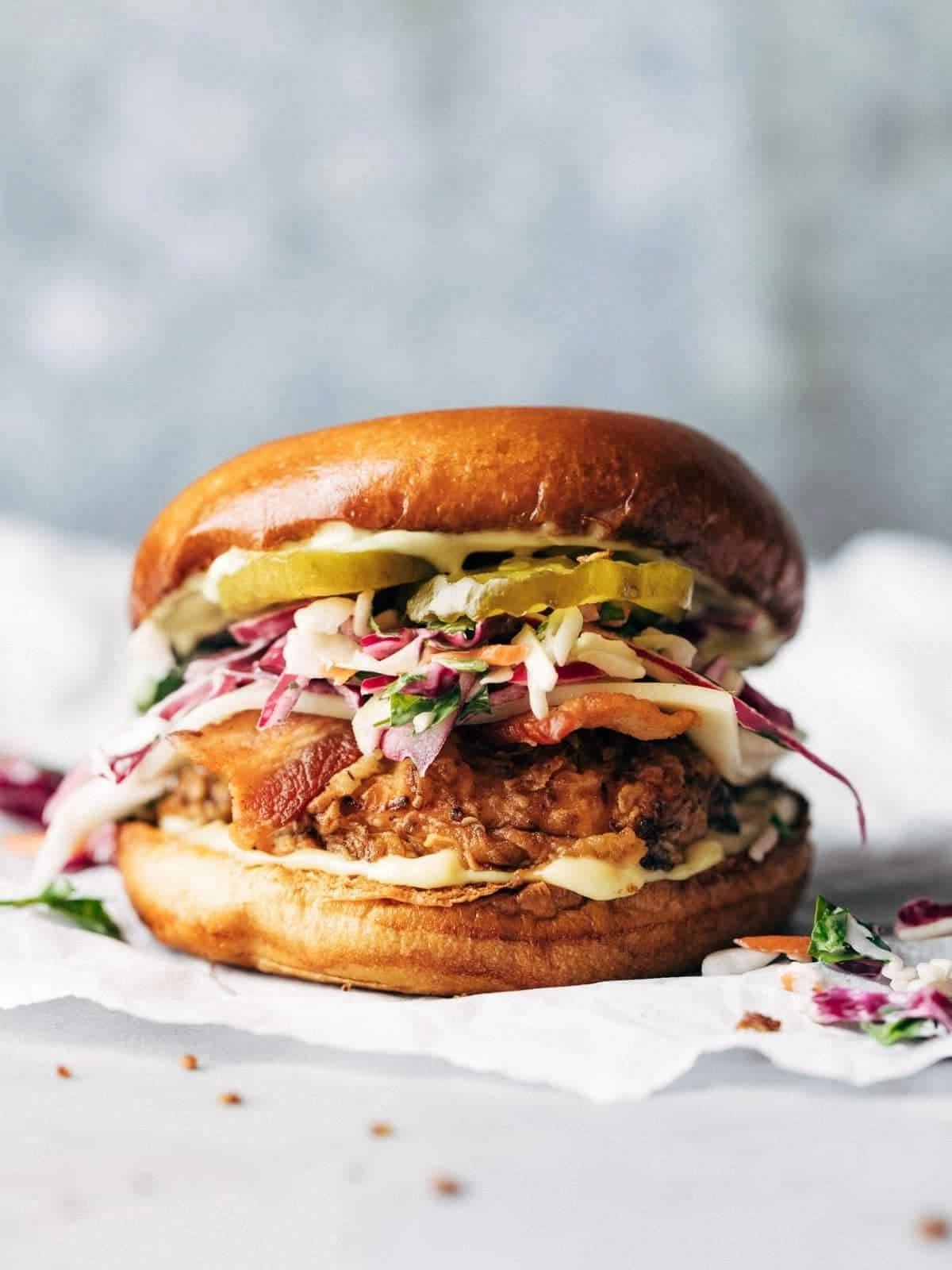
Picture this: the moment the chicken hits the pan, you hear a sizzle that sounds like a drumroll announcing a triumph. The aroma of paprika, garlic, and a hint of sweet buttermilk swirls around the patio, mingling with the scent of fresh-cut herbs and the faint perfume of sun‑baked tomatoes. As the golden crust forms, it cracks under the slightest pressure, revealing a juicy interior that’s still pink enough to whisper “just‑right” to your taste buds. Then comes the slaw—crisp cabbage, carrots, a whisper of vinegar—tossed in a creamy mayo that glistens like sunrise on water, adding that tangy crunch that makes the sandwich sing.
What sets this version apart is a handful of unapologetically bold choices: a quick brine in buttermilk that guarantees moisture, a double‑coat of flour and panko for that satisfying crunch, and a secret slaw dressing that balances acidity with a kiss of honey. Most recipes get the texture wrong—either soggy or too dry—but I’ve cracked the sweet spot where the crust shatters like thin ice, yet the meat stays tender enough to melt in your mouth. And the buns? We’re using buttery brioche that’s toasted just enough to hold everything together without turning into a soggy sponge.
I’m about to drop a technique that will make you look at fried chicken sandwiches in a whole new light: a two‑minute dip in a seasoned buttermilk bath that infuses flavor deep into the meat while also creating a protective layer that keeps the coating crisp. Trust me, this is the game‑changer you’ve been waiting for. Let me walk you through every single step — by the end, you’ll wonder how you ever made it any other way.
What Makes This Version Stand Out
- Flavor Fusion: The buttermilk brine marries the richness of dairy with a hint of tang, turning each bite into a buttery‑bright explosion.
- Crunch Factor: A double dredge of flour and panko creates a crust that cracks like a fresh snow crust under winter boots.
- Simplicity: Only ten core ingredients are needed, yet each one plays a starring role, so you won’t feel overwhelmed by a grocery list the size of a novel.
- Unique Slaw: A sweet‑vinegar mayo slaw adds a creamy tang that cuts through the fried richness, balancing the sandwich like a perfect duet.
- Crowd Reaction: Guests invariably claim it’s “the best thing they’ve ever had on a bun,” and you’ll hear that phrase at least three times per serving.
- Ingredient Quality: Using fresh, free‑range chicken and bakery‑style brioche elevates the dish from fast‑food to gourmet without breaking the bank.
- Cooking Method: Pan‑frying in a controlled oil temperature ensures a consistent crust, avoiding the dreaded greasy aftermath.
- Make‑Ahead Potential: The slaw can be pre‑made a day ahead, and the chicken can sit in the brine overnight for even deeper flavor.
Alright, let's break down exactly what goes into this masterpiece...
Inside the Ingredient List
The Flavor Base
Buttermilk is the unsung hero here, acting like a tenderizing spa for the chicken. Its mild acidity loosens muscle fibers, while the dairy fats coat the meat, ensuring the flour adheres like a second skin. If you skip it, you’ll end up with a dry interior that feels more like a shoe leather than a succulent bite. For a dairy‑free version, try a mix of almond milk and a splash of lemon juice, but be prepared for a slightly different flavor profile.
The Texture Crew
All‑purpose flour and panko breadcrumbs are the dynamic duo that delivers that coveted crunch. Flour creates the initial bond, while panko adds a feather‑light, airy texture that shatters on the first bite. Skipping the panko will give you a dense, heavy crust that feels more like a fried patty than a sandwich filler. When shopping, pick Japanese‑style panko for its larger flakes; they stay crisp longer.
The Unexpected Star
A dash of honey in the slaw dressing might seem trivial, but it’s the secret that turns a simple mayo‑vinegar combo into a symphony of sweet‑tart balance. Honey also helps the cabbage and carrots stay crisp by drawing out just the right amount of moisture. If you’re allergic or prefer a lower‑sugar route, substitute with a pinch of maple syrup or a tiny splash of agave.
The Final Flourish
Brioche buns are the crown jewel, offering a buttery softness that absorbs just enough of the chicken juices without turning soggy. Toast them lightly on the grill or in a pan to create a subtle barrier and a hint of caramelized flavor. If brioche is unavailable, a sturdy pretzel roll works surprisingly well, adding a salty edge that complements the sweet slaw.
Everything's prepped? Good. Let's get into the real action...
The Method — Step by Step
Start by whisking together the buttermilk, a pinch of salt, and a teaspoon of paprika in a large bowl. Submerge the chicken pieces, ensuring they are fully coated, then cover and refrigerate for at least 30 minutes, preferably an hour. This brine not only seasons the meat but also creates a moisture barrier that will keep the chicken juicy during frying. Pro tip: The longer the soak, the deeper the flavor penetration—just don’t exceed 4 hours or the texture may become mushy.
While the chicken marinates, prepare your dry mix: combine 2 cups of all‑purpose flour, 1 teaspoon each of black pepper, garlic powder, onion powder, and an extra teaspoon of paprika in a shallow dish. Stir until the spices are evenly distributed, creating a fragrant cloud that will cling to the meat. This seasoned flour is the first layer of flavor that will become the backbone of your crust.
Remove the chicken from the buttermilk, letting excess drip off, then dredge each piece in the seasoned flour, shaking off any surplus. Next, dip the floured chicken back into the buttermilk for a second coating, and finally roll it in a bowl of panko breadcrumbs, pressing lightly to ensure adhesion. This double‑dip method creates a thick, airy crust that fries up golden and flaky.
Heat a large skillet over medium‑high heat and add enough oil (about 2 tablespoons of olive oil plus a splash of vegetable oil) to reach a depth of ½ inch. When the oil shimmers and a drop of water sizzles immediately, it’s ready. Carefully place the chicken pieces in the pan, giving them room to breathe—crowding will drop the temperature and result in soggy coating.
Fry the chicken for 4‑5 minutes per side, or until the crust turns a deep amber and the internal temperature hits 165°F (74°C). You’ll know it’s done when the edges start pulling away from the pan and the scent becomes irresistibly fragrant. Flip only once to preserve the crust’s integrity, and resist the urge to poke the meat with a fork—this releases juices and sabotages the crispiness.
While the chicken rests on a wire rack (this keeps the underside from steaming), whisk together the slaw dressing: combine ¼ cup mayo, 2 tablespoons apple cider vinegar, 1 tablespoon honey, 1 teaspoon Dijon mustard, ¼ teaspoon celery seed, and a pinch of salt. Toss the shredded cabbage and carrots in this mixture until every strand is glossy and evenly coated. Let the slaw sit for 10 minutes; the flavors meld, creating a tangy‑sweet crunch that will contrast the fried chicken beautifully.
Toast the brioche buns, cut side down, on a hot griddle for about 30 seconds until they’re lightly browned and emit a buttery aroma. This quick toast creates a barrier that prevents the bun from soaking up the chicken’s juices, preserving that perfect bite‑through texture.
Assemble the sandwich: spread a thin layer of the slaw on the bottom bun, place the hot fried chicken on top, then add a generous mound of slaw and a few leaves of fresh lettuce if desired. Crown it with the top bun, press gently, and let the steam escape. Slice the sandwich diagonally for that classic, Instagram‑ready look, and serve immediately while the crust still sings.
That's it — you did it. But hold on, I've got a few more tricks that'll take this to another level...
Insider Tricks for Flawless Results
The Temperature Rule Nobody Follows
Most home cooks set the stove to “medium” and hope for the best, but the real secret is using a thermometer to keep oil at a steady 350°F (175°C). This precise heat ensures the crust forms quickly, sealing in juices, while the interior cooks evenly. If the oil is too cool, the coating will absorb excess oil and become greasy; too hot, and the panko will burn before the meat is done. Keep a small metal spoon in the oil—if it bubbles vigorously, you’re in the sweet spot.
Why Your Nose Knows Best
Never rely solely on a timer; let your sense of smell guide you. When the chicken reaches the perfect golden hue, a nutty, slightly sweet aroma will fill the kitchen, signaling it’s ready to flip. If the scent turns acrid, the oil is overheating—a clear sign to reduce the heat. Trusting your nose saves you from burnt crusts and undercooked centers.
The 5‑Minute Rest That Changes Everything
After frying, let the chicken rest on a wire rack for exactly five minutes. This short pause allows the juices to redistribute, preventing them from flooding the crust when you bite in. Skipping this step results in a soggy bottom and a loss of the delightful crunch you worked so hard to achieve. Use this time to finish the slaw or toast the buns.
The Secret Slaw Balance
A common mistake is over‑dressing the slaw, which can become soggy and heavy. The key is a 2‑to‑1 ratio of acid (vinegar) to oil (mayo) and a touch of sweetness (honey). This creates a bright, tangy coating that clings without drowning the cabbage. If you prefer extra zing, add a splash of lemon juice or a pinch of red pepper flakes.
Brioche Toasting Technique
Instead of a simple buttered skillet, try a quick grill blast: preheat a grill pan, place the buns cut‑side down, and close the lid for 20 seconds. The grill’s direct heat gives the bun a caramelized edge while keeping the interior pillowy. This method adds a subtle smoky note that elevates the entire sandwich.
Creative Twists and Variations
This recipe is a playground. Here are some of my favorite ways to switch things up:
Spicy Sriracha Crunch
Add a tablespoon of sriracha to the panko before dredging for a subtle heat that lingers on the palate. Pair with pickled jalapeños in the slaw for an extra kick that will make heat‑seekers rejoice.
Southern BBQ Twist
Mix a teaspoon of smoked paprika and a drizzle of BBQ sauce into the buttermilk brine. Swap the mayo‑vinegar slaw for a coleslaw tossed in a sweet‑tangy BBQ dressing. This variation transports you straight to a porch swing in the Deep South.
Herb‑Infused Delight
Stir fresh chopped rosemary and thyme into the flour mixture. Add a spoonful of herb‑infused mayo to the slaw. The aromatic herbs add a fragrant, garden‑fresh dimension that’s perfect for spring picnics.
Crispy Chicken Caesar
Replace the honey‑vinegar slaw with a classic Caesar salad—romaine, shaved Parmesan, and a light Caesar dressing. Top the fried chicken with a few anchovy fillets for a salty umami punch that feels luxe.
Vegan Jackfruit Version
Swap the chicken for shredded young green jackfruit marinated in the same buttermilk‑style liquid (use coconut milk + lemon). Coat in the same flour‑panko combo and fry. The result mimics the texture of shredded chicken while staying plant‑based.
Storing and Bringing It Back to Life
Fridge Storage
Place the fried chicken pieces in an airtight container lined with a paper towel to absorb excess oil. Store for up to three days. When ready to eat, reheat in a hot oven (375°F/190°C) for 10 minutes to regain crispness.
Freezer Friendly
Wrap each cooled chicken piece tightly in parchment paper, then seal in a zip‑lock bag. Freeze for up to two months. To reheat, bake from frozen at 400°F (200°C) for 20‑25 minutes, adding a splash of water to the pan to create steam that prevents the crust from drying out.
Best Reheating Method
For the ultimate revival, use a cast‑iron skillet: add a teaspoon of oil, heat on medium, then place the chicken, covering with a lid for the first 2 minutes to let steam penetrate. Remove the lid, let the crust crisp for another 3 minutes. This method restores the original crunch while keeping the interior juicy.