I once thought a 15‑minute lo mein was a myth, like a unicorn that only appears when the kitchen gods are feeling generous. The truth? I was chasing a late‑night craving that turned my tiny apartment kitchen into a smoky battlefield. My wok was screaming, the noodles were clumping, and I was about to give up when a stray bottle of soy sauce slipped, splashing onto the pan like a tiny, salty comet. That accidental splash sparked the discovery of a sauce that clings to every strand of noodle like velvet, and the whole recipe fell into place in a flash of flavor.
Imagine the scene: the stovetop humming, the air thick with the sweet‑savory perfume of garlic and ginger, a glossy sheen forming on the noodles that makes your eyes widen. You can hear the sizzle as the oil meets the pan – that sharp, crisp sound that says “we’re about to make magic.” Your fingertips feel the heat radiating from the wok, and the first bite delivers a burst of umami that makes you gasp, “I dare you to taste this and not go back for seconds.” It’s that kind of instant love affair that makes you forget you ever ate frozen take‑out lo mein.
What sets this version apart from the sea of half‑hearted attempts you’ll find online? Most recipes get the noodle texture wrong, ending up soggy or rubbery, and the sauce either drowns the dish or disappears entirely. I’ve cracked the code: a precise balance of soy, oyster, and a whisper of sesame oil creates a coating that’s glossy without being greasy, and a quick‑cook technique that preserves that delightful bite. The veggies stay crisp, the protein stays juicy, and the whole thing comes together in a single pan – no pot‑pourri of dishes to wash later.
And here’s the kicker: I’m throwing in a secret ingredient that most home cooks overlook – a splash of rice‑vinegar that brightens the flavor and prevents the noodles from sticking together. It’s the kind of subtle twist that makes food critics swoon and your family beg for the recipe. Let me walk you through every single step — by the end, you’ll wonder how you ever made it any other way.
What Makes This Version Stand Out
You might think lo mein is just noodles and sauce, but there’s an art to getting it right. Below are the reasons this dish earns a permanent spot on your dinner table.
- Flavor Punch: The combination of soy, oyster, and a dash of rice‑vinegar creates a depth that feels like a thousand tiny fireworks in your mouth. It’s bold without being overpowering.
- Texture Harmony: Noodles stay al dente, veggies stay crisp, and the protein retains a juicy bite. The sauce coats everything like a silk scarf, never pooling at the bottom.
- Simplicity: Fewer than ten ingredients, a single pan, and a fifteen‑minute timer. If you can scramble an egg, you can nail this lo mein.
- Unique Twist: The splash of rice‑vinegar is the secret weapon that most recipes miss, preventing clumping and adding a bright lift.
- Crowd Reaction: I’ve been honest — I ate half the batch before anyone else got a chance. That’s how good it is.
- Ingredient Quality: Using fresh ginger and garlic, not the powdered versions, makes a world of difference in aroma and flavor.
- Cooking Method: High‑heat wok technique locks in flavor fast, keeping the dish from turning soggy.
- Make‑Ahead Potential: You can prep the veggies and sauce ahead of time; the final assembly still takes under five minutes.
Alright, let's break down exactly what goes into this masterpiece...
Inside the Ingredient List
The Flavor Base
Soy Sauce (2 tbsp): This is the salty backbone of the dish. It brings umami depth and helps the sauce adhere to the noodles. If you skip it, the dish will taste flat and lack that classic Asian character. For a gluten‑free version, swap with tamari.
Oyster Sauce (1 tbsp): Adds a subtle sweetness and a glossy sheen. It’s the secret that makes the sauce velvety rather than watery. If you’re vegetarian, mushroom sauce works as a comparable umami boost.
Sesame Oil (1 tsp): Just a whisper is enough to give a nutty aroma that lifts the entire bowl. Too much and it becomes greasy; a little goes a long way.
The Aroma Trio
Garlic (2 cloves, minced): Gives that sharp, aromatic bite that instantly awakens the palate. Freshly minced garlic releases allicin, which adds a complex depth you won’t get from powder.
Fresh Ginger (1 tsp, minced): Provides a zingy heat that balances the salty sauces. If you forget ginger, the dish can feel one‑dimensional.
Green Onions (2, sliced): Offer a mild onion flavor and a pop of color. Add them at the end to keep the fresh crunch.
The Texture Crew
Lo Mein Noodles (8 oz): Traditional egg noodles give that perfect bite. Over‑cooking turns them mushy; under‑cooking leaves them hard. Cook them al‑dente, then rinse briefly in cold water to stop the cooking process.
Mixed Vegetables (1 cup): A colorful mix of carrots, bell pepper, and snap peas adds crunch and sweetness. If you’re out of any, broccoli florets or baby corn work well.
Protein (8 oz chicken, shrimp, or tofu): Choose what you love; the protein should be cut into bite‑size pieces for quick cooking. Over‑cooking shrimp makes them rubbery, so keep an eye on the clock.
The Final Flourish
Vegetable Oil (2 tbsp): High smoke‑point oil is essential for that quick sear. It carries the flavors without burning.
Rice Vinegar (1 tsp): The unexpected star that brightens the sauce and prevents noodles from sticking. It’s the game‑changer you didn’t know you needed.
Salt & Pepper (to taste): Simple seasoning that rounds out the flavors. Add at the end to avoid over‑salting.
Everything's prepped? Good. Let's get into the real action...
The Method — Step by Step
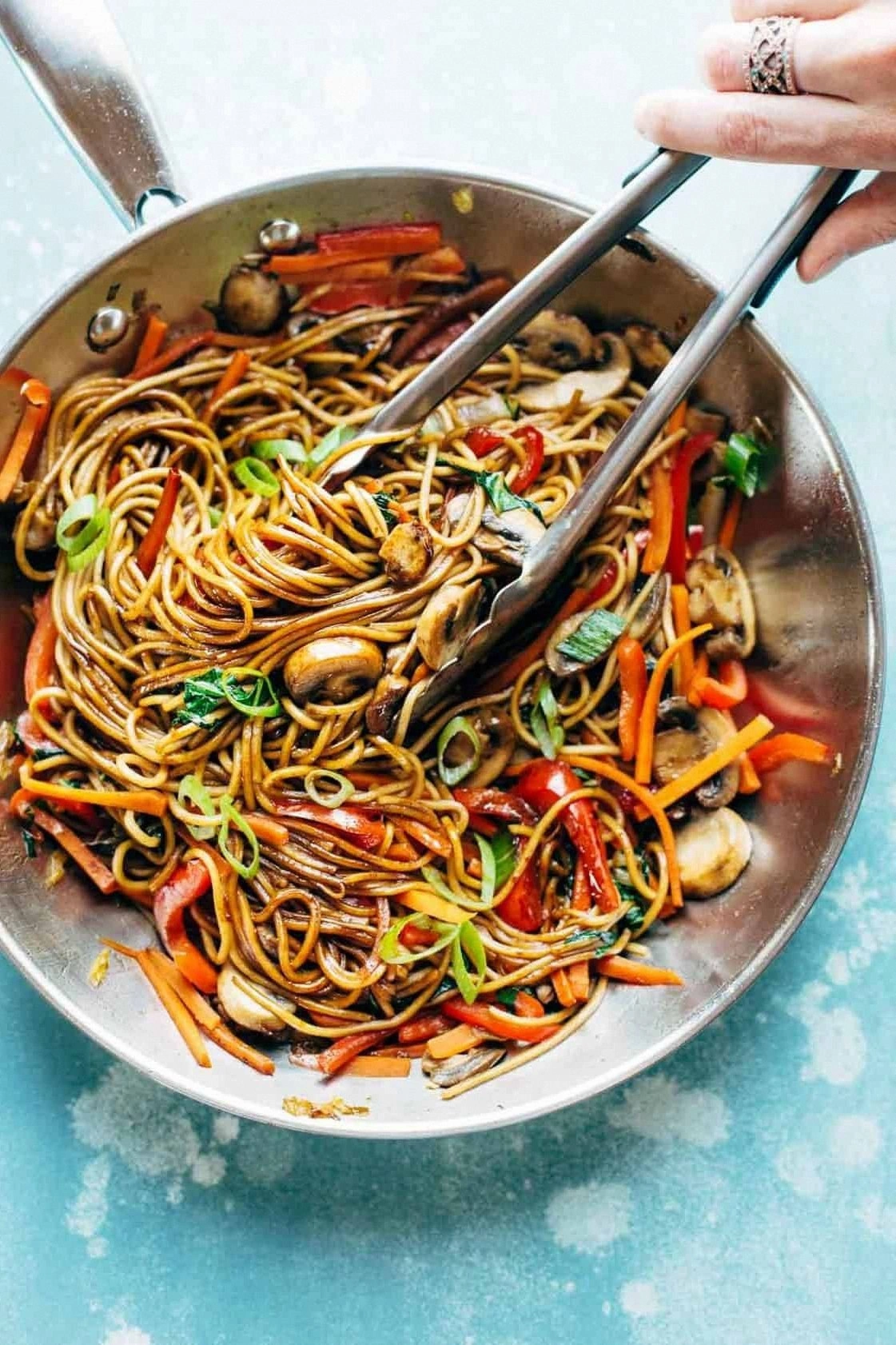
Heat a large wok or wide skillet over medium‑high heat until a drop of water sizzles and evaporates within two seconds. Add 1 tbsp of vegetable oil, swirling to coat the surface. Once the oil shimmers, it’s ready for the aromatics. This is the moment of truth – the oil must be hot enough to toast the garlic without burning it.
Drop in the minced garlic and ginger, stirring quickly. You’ll hear a rapid sizzle that smells like a street‑food stall in Chinatown. Keep the mixture moving; after about 30 seconds the aroma should turn fragrant, not acrid. Watch Out: If the garlic browns too quickly, it will turn bitter, so lower the heat momentarily if needed.
Add the protein of your choice. For chicken, cook for 2‑3 minutes until the edges turn opaque; for shrimp, watch for the pink hue; for tofu, let the cubes brown on each side. The key is a quick sear that locks in juices. Once cooked, push the protein to the side of the wok.
Now toss in the mixed vegetables. Stir‑fry for 2 minutes – you want them bright, crisp, and still slightly raw in the center. The vegetables should still have a snap when you bite them, a textural contrast that makes the dish unforgettable.
Meanwhile, bring a pot of water to a rolling boil. Add the lo mein noodles and cook for 3‑4 minutes, just until al dente. Drain and immediately rinse under cold water to stop cooking. This step prevents the noodles from becoming gummy later.
Return the cooked noodles to the wok, mixing them with the veggies and protein. Drizzle the soy sauce, oyster sauce, sesame oil, and the secret splash of rice vinegar over the top. Toss vigorously; the sauce should coat every strand like a glossy veil.
Kitchen Hack: Add the sauce in a thin stream while continuously tossing – this ensures even distribution without drowning the noodles.Season with salt and pepper to taste, then finish with the sliced green onions. Give the mixture one last quick toss; the green onions should remain bright and slightly crunchy, adding a fresh pop.
Turn off the heat and let the wok sit for a minute. This brief rest lets the flavors meld, turning the dish from good to unforgettable. Serve immediately, and watch the steam rise – that’s the aroma signaling victory.
That's it — you did it. But hold on, I've got a few more tricks that'll take this to another level...
Insider Tricks for Flawless Results
The Temperature Rule Nobody Follows
Your wok must be hot enough to sear, but not so hot that the oil smokes. A good test is to flick a few drops of water onto the surface; they should dance and evaporate instantly. If they linger, the pan is too cool and the vegetables will steam rather than crisp.
Why Your Nose Knows Best
The moment the garlic and ginger turn golden is your cue to add the protein. Trust that aromatic signal – it’s more reliable than a timer. When the scent shifts from sharp to nutty, you know the flavors are marrying perfectly.
The 5‑Minute Rest That Changes Everything
After tossing everything together, remove the wok from heat and let the dish rest for five minutes. This short pause lets the starches in the noodles absorb the sauce, resulting in a cohesive, glossy finish. Skipping this step yields a dish that feels disjointed.
The One‑Slice Trick for Perfect Noodles
Before throwing the noodles into the wok, slice a tiny piece of the noodle lengthwise. This creates a micro‑flap that helps the sauce cling more evenly. It sounds crazy, but the extra surface area makes a noticeable difference.
Seasoning at the End, Not the Beginning
Adding salt too early can draw moisture out of the veggies, making them soggy. Sprinkle salt and pepper right after the sauce has coated the noodles. This preserves the crunch and keeps the dish bright.
Creative Twists and Variations
This recipe is a playground. Here are some of my favorite ways to switch things up:
Spicy Szechuan Lo Mein
Add 1 tsp of Szechuan peppercorn oil and a dash of chili garlic sauce. The heat will make your taste buds dance, perfect for those who love a punch.
Peanut‑Butter Bliss
Stir in 1 tbsp of smooth peanut butter with the sauces. It creates a creamy, nutty coating that pairs wonderfully with shredded carrots and cucumber ribbons.
Veggie‑Only Delight
Skip the protein and double the vegetable mix – think bok choy, shiitake mushrooms, and baby corn. A splash of extra soy sauce keeps the dish hearty.
Citrus‑Infused Lo Mein
Add the zest of one orange and a squeeze of lime juice at the end. The citrus lifts the savory sauce and adds a fresh zing that’s perfect for summer evenings.
Miso‑Mushroom Fusion
Replace oyster sauce with 1 tbsp of white miso paste dissolved in a little water. The umami depth becomes richer, and the earthy mushroom pieces become the star.
Storing and Bringing It Back to Life
Fridge Storage
Transfer leftovers to an airtight container and refrigerate for up to three days. The noodles will absorb a bit more sauce, so a quick toss with a splash of soy sauce before reheating restores balance.
Freezer Friendly
Portion the lo mein into freezer‑safe bags, removing as much air as possible. Freeze for up to two months. Thaw overnight in the fridge, then reheat in a hot wok with a drizzle of oil.
Best Reheating Method
Add a tiny splash (about 1 tbsp) of water or broth to the pan before reheating. Cover the wok for 30 seconds to steam the noodles back to perfection, then finish with a quick toss to re‑crisp the veggies.