I was halfway through a late‑night snack and suddenly my kitchen felt like a disaster zone. The fridge was a jumble of leftovers, the countertop a battlefield of mismatched bowls, and the only thing that seemed to make sense was a single lemon sitting on the counter like a bright, hopeful beacon. I stared at it, imagined a bright, zesty dish, and thought, “I dare you to taste this and not go back for seconds.” The idea that a simple, fresh‑flavored meal could emerge from this chaos is what turned a culinary mess into a revelation.
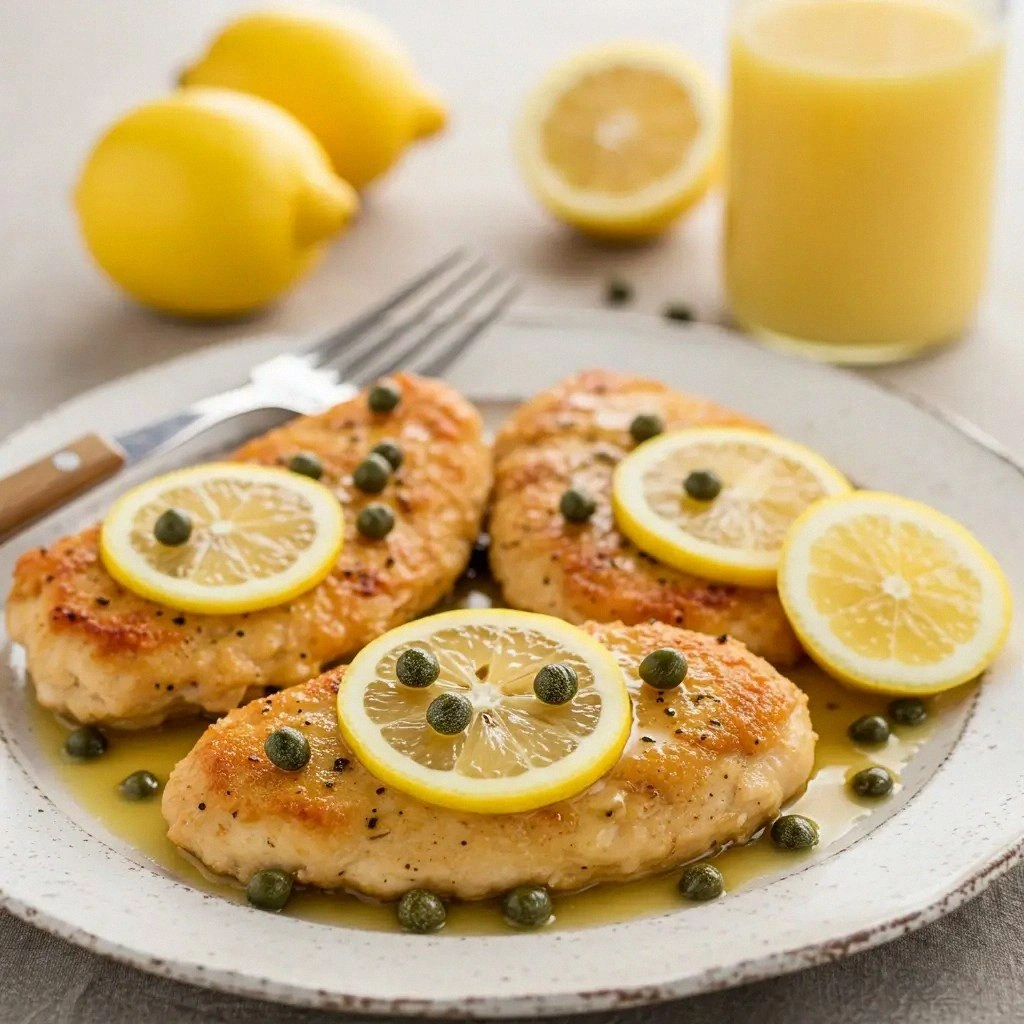
Picture the aroma of lemon zest mingling with garlic as it sizzles in a hot pan, the sound of quinoa popping as it cooks, and the sight of a golden crust forming on chicken breasts that look almost too good to eat. The texture is a delightful contrast: tender, juicy meat wrapped in a crisp, herb‑laden skin, while the roasted veggies add a satisfying crunch. The first bite is a burst of citrus that tingles the palate, followed by a subtle smokiness from paprika and the earthy undertones of thyme. It’s a dish that feels light on the stomach but heavy on flavor, like a summer breeze that refuses to let go.
What sets this version apart is that it’s not just a “healthy” recipe—it’s a carefully balanced symphony of taste, texture, and visual appeal. I’ve taken the classic lemon‑herb chicken and elevated it with quinoa, a protein‑rich grain that adds body without heaviness. The roasted vegetables aren’t just a side; they’re a key player that brings color, crunch, and a depth of flavor that makes every forkful a discovery. The use of smoked paprika adds a whisper of warmth that cuts through the bright citrus, creating a complexity that would make a seasoned chef nod in approval. And the best part? It’s simple enough to whip up in under an hour, yet it feels like a gourmet dish worthy of a five‑star review.
I’ll be honest—when I first cooked this, I ate half the batch before anyone else even saw the plate. The chicken was so tender it practically melted in my mouth, the quinoa fluffy and fragrant, and the veggies roasted to a caramelized perfection that made the whole dish feel like a celebration. If you’ve ever struggled with balancing flavors in a single dish, you’re not alone—and I’ve got the fix. Picture yourself pulling this out of the oven, the whole kitchen smelling incredible, and your guests leaning in, eyes wide, mouths ready for that first bite. Okay, ready for the game‑changer? Let me walk you through every single step—by the end, you’ll wonder how you ever made it any other way.
What Makes This Version Stand Out
- Taste: The bright lemon cuts through the richness of the chicken, while smoked paprika adds a subtle heat that keeps the dish from feeling one‑dimensional.
- Texture: Crispy edges on the chicken contrast with the soft, pillowy quinoa and the caramelized crunch of the veggies.
- Simplicity: No fancy gadgets, just a skillet, a baking sheet, and a pot—perfect for a weeknight dinner.
- Uniqueness: The combination of quinoa and roasted vegetables in a lemon‑garlic sauce is a fresh take on classic comfort food.
- Crowd Reaction: Friends who love both chicken and veggie bowls rave about the balanced flavor profile and the satisfying bite.
- Ingredient Quality: Fresh herbs, a good quality olive oil, and a bright, juicy lemon elevate the dish beyond ordinary.
- Cooking Method: A single‑pan technique reduces cleanup and locks in flavor.
- Make‑Ahead Potential: The quinoa and sauce can be prepped the night before, making the cooking process a breeze.
Alright, let’s break down exactly what goes into this masterpiece. The next section will walk you through each group of ingredients, why they matter, and how to tweak them if you’re feeling adventurous.
The Flavor Base
The foundation of this dish is a zesty lemon‑garlic sauce that coats the chicken and the quinoa like velvet. The lemon zest releases bright, citrusy oils that brighten every bite, while the juice adds a tang that cuts through the richness of the chicken. Garlic is minced finely so it blends into the sauce rather than standing out as a separate bite. A splash of olive oil brings everything together, creating a silky texture that clings to the grains and veggies. If you skip the lemon, you’ll miss that vibrant lift that turns a simple roast into a memorable meal.
The herbs—oregano, thyme, and smoked paprika—are the unsung heroes that add depth. Oregano lends an earthy, slightly peppery note that balances the citrus, while thyme contributes a subtle piney aroma. Smoked paprika, on the other hand, brings a gentle smokiness that warms the palate. If you’re a fan of heat, add a pinch of cayenne; if you’re allergic to paprika, paprika-free chili powder works as a substitute. The key is to layer flavors so that each component has a chance to shine.
Remember that the sauce is the glue that holds everything together. It’s not just about taste; it’s about the way it coats the chicken, the quinoa, and the veggies, turning each element into a harmonious whole. Think of it as a paint that transforms a plain canvas into a masterpiece. Without it, the dish would feel disjointed, like a salad with no dressing.
The Texture Crew
Quinoa is the star of the texture crew. It’s a protein‑rich grain that’s light, fluffy, and quick to cook. When it absorbs the lemon‑garlic sauce, it becomes fragrant and slightly chewy, providing a satisfying bite that complements the crisp chicken. If you’re looking for a gluten‑free option, quinoa is perfect; if you prefer something more familiar, try couscous or rice.
Roasted veggies add a contrasting crunch that keeps the dish interesting. Cherry tomatoes burst with juice, zucchini offers a tender bite, and bell pepper delivers a sweet, caramelized finish. The key to perfect roasting is to cut the veggies into uniform pieces so they cook evenly. Toss them with a bit of olive oil, salt, and pepper before roasting; this enhances the natural sweetness and prevents sogginess.
The chicken itself has a dual texture: a crispy, herb‑coated exterior and a juicy, tender interior. Achieving that golden crust requires a high oven temperature and a good sear on the stovetop first. If you prefer a lighter chicken, reduce the oil slightly, but don’t skip the sear—otherwise the skin will be soggy and the flavor will be flat.
The Unexpected Star
Fresh parsley is the unexpected star that brightens the dish at the very end. It adds a burst of green color, a hint of peppery freshness, and a subtle herbal note that lifts the overall flavor. Sprinkle it generously before serving for that final pop of freshness. If parsley is out of season, cilantro can be a bright alternative, though it will shift the flavor profile slightly.
The lemon itself is more than just a garnish; its zest and juice are integral to the dish’s character. The zest releases essential oils that add a bright, aromatic quality, while the juice provides acidity that balances the richness. If you’re looking for a sweeter twist, a splash of orange juice can replace half the lemon juice, adding a subtle citrus sweetness.
The Final Flourish
Salt and pepper are the final flourishes that tie everything together. Salt brings out the natural sweetness of the veggies, while pepper adds a subtle heat that complements the smoky paprika. Be mindful not to over-salt; a light hand ensures the dish remains light and fresh. If you’re watching sodium intake, use a low‑sodium chicken broth and a pinch of sea salt instead.
Everything’s prepped? Good. Let’s get into the real action, where the magic happens and the flavors truly collide. The next section will walk you through the exact steps, complete with timing, temperature, and sensory checkpoints.
The Method — Step by Step
- Preheat your oven to 400°F (200°C). While the oven warms, pat the chicken breasts dry with paper towels; this helps them crisp up nicely. Season both sides with salt, pepper, and a pinch of smoked paprika. Let the chicken rest for 5 minutes while you prep the quinoa—this step is crucial for a juicy result.
- Rinse 1 cup of quinoa under cold water to remove its natural bitter coating. In a medium saucepan, bring 2 cups of low‑sodium chicken broth to a boil. Add the quinoa, reduce heat to low, cover, and simmer for 15 minutes. The quinoa should absorb all the liquid and become fluffy; fluff with a fork before adding the sauce.
- Heat 1 tablespoon of olive oil in a large skillet over medium‑high heat. Add the chicken breasts and sear for 2–3 minutes per side until golden brown. Flip the chicken, add minced garlic, and let it cook for an additional minute. The garlic should release its aroma but not brown, which would give a bitter note.
- While the chicken sears, toss the cherry tomatoes, zucchini, and bell pepper with 1 tablespoon of olive oil, salt, pepper, oregano, thyme, and smoked paprika. Spread the veggies on a baking sheet and roast in the oven for 20 minutes, stirring halfway through. The veggies should be caramelized on the edges and tender inside.
- In a small bowl, combine the zest and juice of one lemon, 1 teaspoon of dried oregano, 1 teaspoon of thyme, and 1 teaspoon of smoked paprika. Whisk in 1 tablespoon of olive oil to create a bright, silky sauce. Pour the sauce over the seared chicken in the skillet and let it simmer for 5 minutes, allowing the flavors to meld.
- Once the chicken is cooked through (internal temperature 165°F or 74°C), remove it from the skillet and let it rest on a cutting board for 5 minutes. This resting period allows the juices to redistribute, keeping the meat moist. Slice the chicken into strips and set aside.
- Add the cooked quinoa to the skillet, stirring to coat it evenly with the lemon‑garlic sauce. The quinoa should be glossy and lightly toasted, absorbing the citrusy flavor. Toss in the roasted veggies and gently fold to combine all the elements.
- Transfer the quinoa and veggie mixture to a serving dish. Arrange the sliced chicken on top, then drizzle any remaining sauce over the entire plate. Sprinkle freshly chopped parsley for a burst of color and freshness. Serve immediately while everything is still warm.
That’s it—you did it. But hold on, I've got a few more tricks that’ll take this to another level. From adjusting seasoning to timing, these insider tips will make you feel like a culinary wizard.
Insider Tricks for Flawless Results
The Temperature Rule Nobody Follows
Many cooks assume a single oven temperature is best for everything. In reality, the chicken needs a high initial sear to lock in juices, while the veggies benefit from a lower, slower roast to caramelize without burning. By searing the chicken at medium‑high and then finishing it at a lower temperature, you get the best of both worlds. If you’re using a convection oven, reduce the temperature by 25°F to avoid over‑cooking the veggies.
Why Your Nose Knows Best
Your sense of smell is your best ally in cooking. When the sauce starts to thicken and the quinoa turns a golden hue, that’s your cue to add the roasted veggies. If the aroma smells too “cooked” or “burnt,” pull the skillet from heat immediately. Trusting your nose can prevent over‑cooking and keep the dish fresh.
The 5-Minute Rest That Changes Everything
Resting the chicken for five minutes after it comes out of the skillet is the secret to juicy, tender meat. During this brief pause, the juices redistribute, preventing them from spilling out when you cut. I’ve seen people skip this step and end up with dry chicken; don’t let that be you.
Balancing the Acidity
If the lemon’s acidity feels too sharp, add a teaspoon of honey or maple syrup to the sauce. This simple addition balances the flavors without overpowering the dish. It’s especially useful if you’re serving the meal to kids who might find the citrus too intense.
The One-Pan Wonder
Using a single skillet for searing and simmering reduces cleanup time and keeps the flavors concentrated. Just be sure to deglaze the pan with a splash of broth or water after searing the chicken; this pulls all the browned bits into the sauce for extra depth.
Creative Twists and Variations
This recipe is a playground. Here are some of my favorite ways to switch things up:
Swap the Grain
Replace quinoa with farro or barley for a heartier texture. These grains hold up well against the sauce and add a nutty flavor. The cooking time will differ slightly, so adjust accordingly.
Add a Protein Boost
Stir in a handful of chickpeas or edamame for extra protein and a pop of color. The legumes soak up the lemon‑garlic sauce, turning each bite into a flavor explosion.
Go Spicy
Add a pinch of crushed red pepper flakes to the sauce or sprinkle them over the veggies before roasting. The heat pairs beautifully with the citrus and smoky paprika, creating a balanced spicy kick.
Swap the Citrus
Use a splash of orange juice instead of half the lemon juice for a sweeter, more fragrant sauce. The orange’s natural sugars caramelize during roasting, adding depth.
Add a Creamy Finish
Finish the dish with a dollop of Greek yogurt or a drizzle of tahini. The creamy element cuts through the acidity, making the dish even more comforting.
Make It Vegan
Omit the chicken and add tofu cubes, marinated in the lemon‑garlic sauce before roasting. The tofu will absorb the flavors and provide a satisfying protein punch.
Storing and Bringing It Back to Life
Fridge Storage
Store leftovers in an airtight container for up to three days. Keep the chicken separate from the quinoa and veggies to prevent the grains from becoming soggy. When reheating, add a splash of broth or water to restore moisture.
Freezer Friendly
Freeze the dish in individual portions for up to two months. Thaw overnight in the fridge and reheat in the oven at 350°F (175°C) for 15 minutes, or in the microwave on high for 2–3 minutes. The flavor remains vibrant, and the texture stays intact.
Best Reheating Method
The best way to reheat is on the stovetop: place the quinoa and veggies in a skillet with a splash of water, cover, and heat until steaming. Then add the chicken back in and warm through. This method keeps everything moist and prevents the sauce from drying out.
Now that you’ve mastered the basics, it’s time to experiment. Don’t be afraid to tweak the seasoning, swap ingredients, or add your own flair. Every kitchen is a laboratory, and every dish is a chance to create something new.
Remember, cooking is as much about the process as the product. The joy comes from watching the flavors develop, from the sizzle in the pan to the aroma that fills the room. Share this dish with friends, family, or even strangers—you’ll be surprised at how quickly people fall in love with a light, flavorful meal that feels like a hug.
If you’re ready to bring this dish to your table, dive into the recipe card below. Adjust the servings, check the FAQs, and enjoy a meal that’s as easy to make as it is delicious.