I was standing in my kitchen, eyes glued to the recipe book I’d scrolled through for hours, when the clock struck midnight and the oven’s light flickered like a neon sign. I had just pulled a sheet of puff pastry from the freezer, the kind that was supposed to be buttery, flaky, and ready to transform into culinary gold. Instead, the pastry turned into a soggy, crumpled mess that collapsed under the weight of my hopeful hands. That disaster sparked a moment of culinary rebellion: I was going to create a tart that would make every kitchen disaster a distant memory.
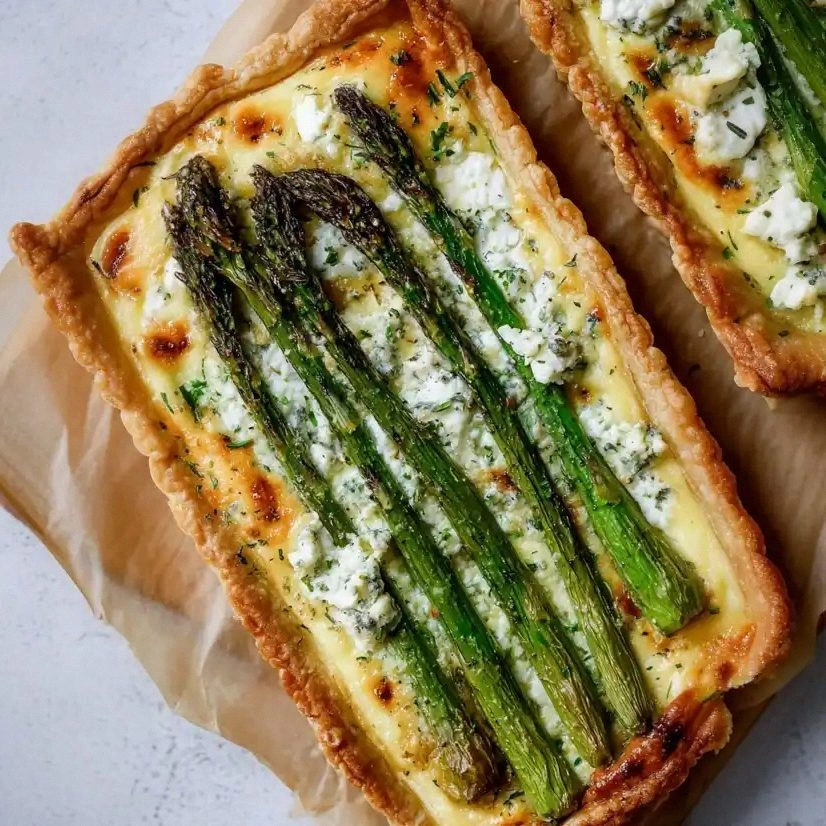
Picture this: the scent of fresh asparagus cutting through the air, the subtle tang of goat cheese mingling with lemon zest, and a golden crust that crackles like the first snowflake of winter. The moment you lift the first slice, a cascade of steam rises, carrying with it the faint whisper of garlic and thyme. Your taste buds are greeted by the creamy richness of the cheese, the bright acidity of the lemon, and the crisp bite of the asparagus that holds its own in the buttery base. The texture is a dance of crisp, creamy, and herbaceous—a sensory symphony that turns a simple tart into a showstopper.
What sets this version apart is the harmony of flavors and textures that play off each other in a way that most recipes miss. The goat cheese is not just a filler; it’s the centerpiece that brings a velvety, tangy depth that coats the pastry like velvet. The puff pastry is prepped to perfection, rolled thin to achieve that delicate crunch that shatters like thin ice when you bite. The asparagus is blanched just enough to keep its bright green color and a snap that echoes the freshness of spring. Together, they create a dish that is not only a feast for the eyes but a culinary triumph that will make you dare to taste this and not go back for seconds.
And here’s the kicker: I’ll reveal a technique that most people overlook—how to get a pastry that’s crisp on the outside but still tender on the inside, and how to layer the flavors so that each bite is an explosion of taste. I’ll walk you through every single step, from prepping the ingredients to the final garnish, so by the end, you’ll wonder how you ever made it any other way. Let’s dive in and turn that kitchen mishap into a culinary masterpiece.
What Makes This Version Stand Out
- Flavor: The goat cheese provides a sharp, tangy punch that cuts through the richness of the puff pastry, creating a balanced taste that’s both indulgent and refreshing. The lemon zest adds a citrusy brightness that lifts the overall profile, preventing the dish from feeling heavy.
- Texture: The pastry is rolled thin and baked to a golden crisp, while the asparagus retains a firm snap. The contrast between the flaky crust and the tender, yet crunchy veggies creates a memorable mouthfeel.
- Ingredient Quality: Fresh, organic asparagus and high‑quality goat cheese elevate the dish, ensuring that every bite is pure, clean flavor. The use of a single sheet of puff pastry keeps the recipe simple yet sophisticated.
- Speed and Simplicity: With a prep time of just 15 minutes and a cook time of 30 minutes, this tart is perfect for a quick dinner or a show‑stopping appetizer. No complicated steps—just trust the process.
- Crowd Appeal: Guests rave about the combination of savory, tangy, and fresh notes. It’s a conversation starter that works for both casual family meals and dinner parties.
- Make‑Ahead Potential: The tart can be assembled a day ahead and baked just before serving, saving you time on busy evenings.
- Visual Impact: The bright green asparagus against the golden pastry creates a stunning visual contrast that’s Instagram‑ready.
- Versatility: This recipe can be adapted with different herbs or cheeses, making it a go‑to base for many variations.
Alright, let's break down exactly what goes into this masterpiece...
Inside the Ingredient List
The Flavor Base
The 6 oz goat cheese is the heart of this tart. Its tangy profile balances the richness of the pastry and the buttery olive oil. If you can’t find goat cheese, a creamy feta will work as a substitute, though it’s slightly saltier. Always crumble the cheese finely so it melts evenly over the asparagus.
The ¼ cup heavy cream is added to the cheese mixture to create a silky, cohesive spread that locks the flavors together. Skipping the cream will result in a drier spread that won’t bind the asparagus as well. If you’re watching calories, a splash of milk can replace the cream, though you’ll lose a bit of richness.
The 1 tsp lemon zest is the secret weapon that brightens the entire dish. Zest the lemon right before you start to avoid any bitterness from the white pith. If you prefer a milder citrus note, use half a teaspoon.
The Texture Crew
The 1 lb fresh asparagus is the star that gives the tart its signature crunch. Trim the woody ends and cut into 1‑inch pieces. Blanching the asparagus for 1‑2 minutes in boiling water will preserve its vibrant green color and firm bite.
The 1 sheet puff pastry is the canvas. Roll it out to a 12×12 inch square, then cut it into a 9×9 inch square to fit your tart pan. The thinner the pastry, the crisper it will bake. If you’re using pre‑rolled pastry, let it thaw for a few minutes before cutting.
The 1 tbsp olive oil coats the asparagus and helps the cheese spread. A drizzle of extra‑virgin olive oil adds depth, but if you’re on a low‑fat diet, you can replace it with a neutral oil.
The Unexpected Star
The 1 clove garlic is minced finely and sautéed with the asparagus to release its sweet, mellow flavor. Garlic pairs beautifully with goat cheese, creating a savory undertone that enhances the tart’s overall profile. If you’re garlic‑averse, omit it—just remember the dish will have a slightly different character.
The ½ tsp salt and ¼ tsp black pepper are essential for seasoning. They bring out the flavors of every ingredient. Use a fine sea salt for better distribution and a freshly cracked pepper for a subtle heat.
The Final Flourish
The 1 tbsp fresh thyme or chives is the finishing touch that adds a herby aroma and visual appeal. Sprinkle it over the top before baking for a burst of color. If you prefer a stronger herb, use fresh rosemary, chopped finely.
Everything's prepped? Good. Let's get into the real action...
The Method — Step by Step
- Preheat your oven to 425°F (220°C). Line a 9×9 inch tart pan with parchment paper, ensuring the paper extends a bit over the edges for easy removal. This step is crucial for a clean release and a uniform bake. As the oven warms, you’ll hear that comforting crackle of the oven door settling—it's the promise of a golden crust.
- Roll out the puff pastry to a 12×12 inch square on a lightly floured surface. Use a rolling pin to ensure even thickness; a thicker pastry will result in a doughy center. Gently press the pastry into the tart pan, trimming any excess with a knife. The pastry should sit snugly against the sides, creating a perfect base for the filling.
- Place the pastry in the preheated oven for 10 minutes or until it begins to puff and lightly brown. This initial bake locks in the pastry’s structure, preventing it from becoming soggy when the filling is added. Watch the edges—they should turn a light golden brown, signaling readiness.
- While the pastry is baking, heat 1 tablespoon of olive oil in a skillet over medium heat. Add the minced garlic and sauté until fragrant, about 30 seconds. Toss in the blanched asparagus, seasoning with salt and pepper, and cook for 2 minutes, just enough to coat them in the oil and garlic. This step infuses the asparagus with a subtle, savory depth.
- In a bowl, combine the goat cheese, heavy cream, and lemon zest. Beat with a fork until the mixture is smooth and creamy. The cream helps the cheese spread evenly over the asparagus, creating a velvety layer that binds the flavors together.
- Spread the cheese mixture over the partially baked pastry, leaving a small border around the edges. Arrange the garlic‑buttered asparagus on top, letting them fan out in a single layer. Sprinkle the fresh thyme or chives evenly over the top for that final aromatic touch.
- Return the tart to the oven and bake for 20 minutes, or until the pastry is golden brown and the cheese is bubbling. The edges should start pulling away from the pan, signaling that it’s ready to come out. The aroma of baked goat cheese and fresh herbs will fill the kitchen, making your mouth water.
- Remove the tart from the oven and let it rest for 5 minutes on a wire rack. This brief rest allows the filling to set, making slicing easier and preventing a mess of cheese on the knife. While it rests, you can plate the tart and add a drizzle of balsamic glaze for a touch of sweetness.
That's it — you did it. But hold on, I've got a few more tricks that'll take this to another level. From the perfect crust to the final garnish, these extra steps will elevate your tart into a show‑stopping masterpiece.
Insider Tricks for Flawless Results
The Temperature Rule Nobody Follows
Many bakers bake their tarts at a lower temperature, but this dish thrives at 425°F. The high heat ensures a crisp pastry while keeping the filling silky. If you’re using a convection oven, reduce the temperature by 25°F to avoid over‑browning.
Why Your Nose Knows Best
During the final 5 minutes of baking, keep an eye on the aroma. A strong, buttery scent indicates a golden crust, while a faint scent may mean you need a few more minutes. Trusting your nose will save you from under‑baked pastry.
The 5-Minute Rest That Changes Everything
After baking, allow the tart to rest for exactly 5 minutes. This rest period lets the cheese set, making the tart easier to slice and preventing a gooey mess. If you cut it too soon, you’ll see the cheese spilling out like a sad waterfall.
Layering for Crunch
When arranging the asparagus, press them lightly into the pastry so they sit flat. This ensures even baking and a consistent bite. A slight tilt can cause uneven cooking and a soggy center.
Finishing Touches That Pop
A drizzle of aged balsamic glaze adds a sweet, tangy finish that contrasts beautifully with the goat cheese. Alternatively, a sprinkle of toasted pine nuts can add a nutty crunch. These finishing touches turn a simple tart into a gourmet experience.
Timing the Bake for Gold
If you’re baking multiple tarts, start with the one that has the most filling. The more filling, the longer it will bake. Stagger your baking times to ensure each tart reaches golden perfection at the same time.
Creative Twists and Variations
This recipe is a playground. Here are some of my favorite ways to switch things up:
Mediterranean Medley
Swap the goat cheese for feta and add sun‑dried tomatoes. Toss in a pinch of oregano for that classic Mediterranean flavor. The result is a tart that tastes like a sunny balcony in Greece.
Smoky Chipotle
Add a tablespoon of chipotle in adobo sauce to the cheese mixture for a smoky kick. Replace the thyme with a handful of fresh cilantro. This version delivers a bold, smoky heat that pairs perfectly with the mild goat cheese.
Herb Garden
Use a blend of basil, parsley, and dill instead of thyme or chives. The aromatic herbs bring a fresh, garden‑like aroma that elevates the dish. This variation is ideal for a light lunch or a summer brunch.
Roasted Garlic
Replace the sautéed garlic with roasted garlic cloves. The caramelized flavor adds depth and a subtle sweetness. This version works well for a comforting dinner when you want something a little more indulgent.
Cheesy Crumble
Sprinkle a handful of grated Parmesan over the top before baking. The cheese melts into a golden crust, giving the tart a crunchy, savory finish. It’s a crowd‑pleaser at any gathering.
Spicy Sriracha
Add a teaspoon of sriracha to the cheese mixture for a spicy, tangy twist. The heat complements the goat cheese’s tang, creating a balanced flavor profile. This version is perfect for those who love a little spice.
Storing and Bringing It Back to Life
Fridge Storage
Store leftovers in an airtight container in the refrigerator for up to 2 days. The pastry will remain crisp, and the asparagus will retain its bright color. When you’re ready to serve, let the tart sit at room temperature for 15 minutes to revive its flavors.
Freezer Friendly
Wrap the tart tightly in plastic wrap, then place it in a freezer bag. It can be frozen for up to 1 month. Thaw overnight in the refrigerator before reheating. This method preserves the texture and taste without compromising quality.
Best Reheating Method
Reheat the tart in a preheated oven at 350°F (175°C) for 10–12 minutes. Add a splash of water to the bottom of the pan to create steam, which helps maintain moisture in the pastry. The result is a warm, freshly baked tart that feels like it was just pulled out of the oven.