I'll be honest — I ate half the batch before anyone else got to try it. There I was, standing in my kitchen at 11:30 PM, spoon in hand, hovering over the blender like some sort of tropical-fruit-obsessed zombie. The silky golden nectar I'd just whipped up was supposed to be for tomorrow's brunch crowd, but the aroma of fresh mango hit my nose and my willpower evaporated faster than ice on a Phoenix sidewalk. One taste turned into three, then seven, then I found myself licking the rubber spatula like a kid who discovered cake batter for the first time. If you've ever struggled with keeping your hands off something this good, you're not alone — and I've got the fix for portion control: invite people over and lock the fridge. Otherwise, good luck.
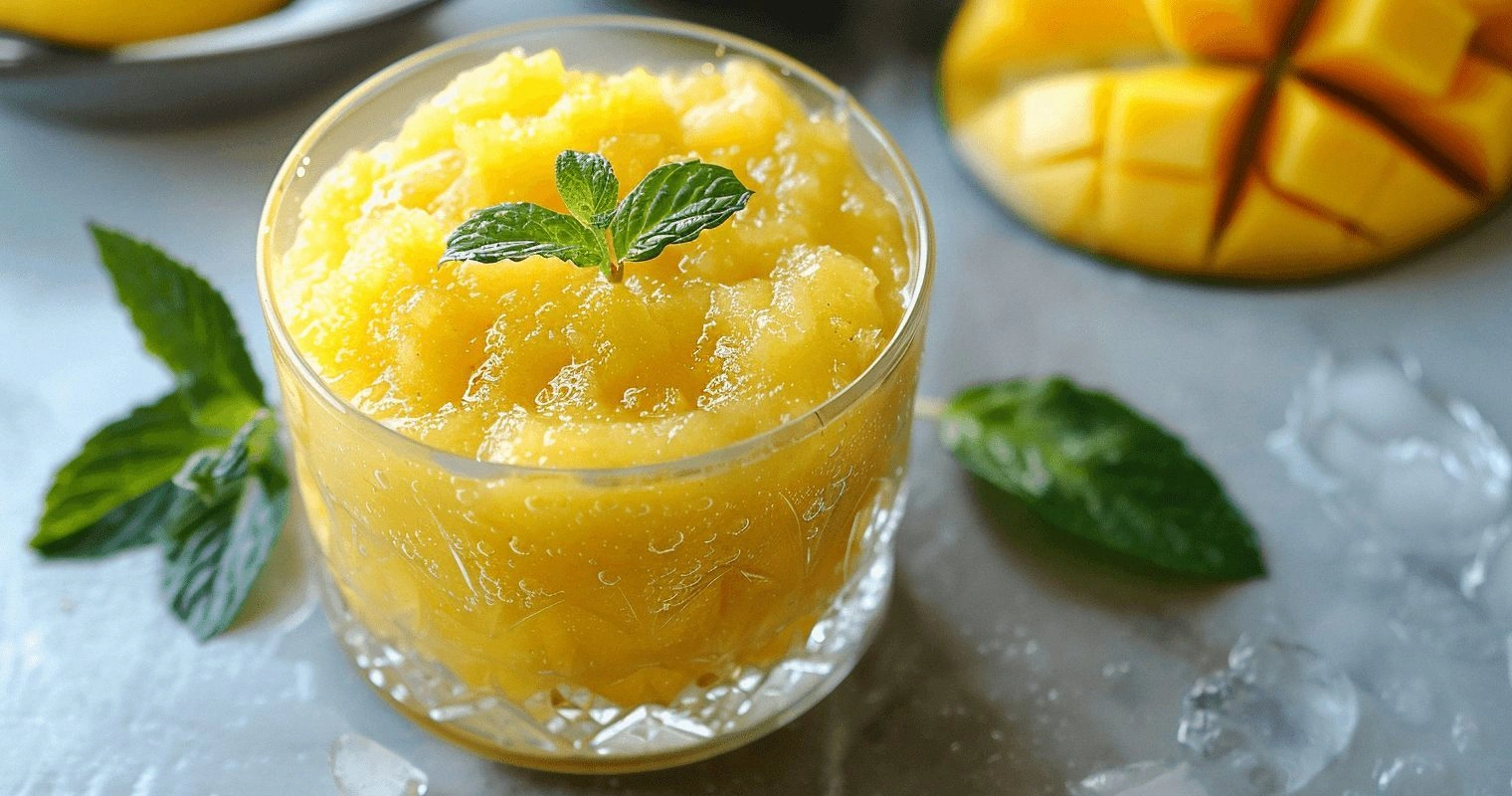
Picture yourself pulling this out of the refrigerator, the whole kitchen smelling like a Caribbean sunset bottled into liquid form. The color alone stops guests mid-sentence — that luminous marigold hue that makes turmeric look timid. You tip the pitcher and watch the puree ribbon down, thick enough to coat the back of a spoon but fluid enough to swirl like melted gelato. That first spoonful hits your tongue and it's pure summer: bright, floral, gently tangy, with a sweetness so pure it feels like cheating. Most recipes get this completely wrong by adding water, sugar, or lemon juice "for balance." Here's what actually works: let the mango speak for itself, keep everything ice-cold, and blend just long enough to aerate, not heat. The result is a velvet cloak of flavor that makes pancakes feel fancy, yogurt feel indulgent, and cocktails taste like poolside Cancun.
Okay, ready for the game-changer? We're not cooking anything. No pots, no pans, no risk of scorching or babysitting a simmer. This is five minutes of knife work, two minutes of blending, and a lifetime of bragging rights. My neighbor tasted this and asked if I'd secretly trained in Thailand. My seven-year-old nephew calls it "sunshine soup" and demands it on waffles. Even my mother, who believes dessert peaked in 1973 with Jell-O pudding, asked for the recipe. If you've ever bought one of those sad cans of mango nectar that tastes like tin and broken dreams, prepare to have your faith restored. We're about to turn peak-season fruit into liquid gold, and the only special equipment you need is a blender that doesn't date to the Clinton administration.
Let me walk you through every single step — by the end, you'll wonder how you ever made it any other way. Fair warning: once you serve this at brunch, you'll become the designated mango person for life. Bring it to potlucks and people will corner you for the secret. Whip it up for date night and you'll look like a culinary wizard even if you burn the toast. And if you happen to eat half the batch before sunrise, well, at least you'll have done it right.
What Makes This Version Stand Out
Flavor Explosion: Most purees taste diluted because folks add water to help the blender. We skip that nonsense and use the fruit's own juice, so every spoonful is concentrated mango thunder.
Silk-Smooth Texture: By blending cold mango cubes with a single ice chip, we whip air into the puree, creating a mousse-like body that coats your mouth like velvet pajamas.
Zero Added Sugar: Ripe mangoes are nature's candy. Adding sugar is like putting ketchup on a dry-aged steak — unnecessary and vaguely insulting.
Five-Minute Miracle: From whole fruit to restaurant-quality puree faster than you can preheat an oven. This is the dessert equivalent of a mic-drop.
Make-Ahead Champion: Stays vibrant for four days in the fridge or three months in the freezer. Thaw overnight and it's identical to day one — no separation, no browning, no sad puddle.
Crowd-Pleasing Chameleon: Swirl into oatmeal for breakfast, drizzle over ice cream for dessert, spike with rum for happy hour, or pour straight into champagne flutes for baby showers. One recipe, infinite applause.
Ingredient Integrity: We treat the mango like royalty — minimal handling, no heat, no citrus to muddy the aroma. You taste the orchard, not the process.
Instagram Gold: That color photographs like a filter called "Eternal Sunset." Your brunch posts will break the internet, or at least earn a few heart-eye comments from Aunt Linda.
Inside the Ingredient List
The Star of the Show
The mango you choose is the difference between "wow" and "why did I bother?" Look for fruit that yields slightly under gentle pressure but doesn't feel mushy — think ripe avocado, not stress-ball. The skin should be taut, fragrant at the stem, and sporting a sunset gradient from red-blush to golden yellow. If it smells like pine and air freshener, walk away; if it smells like a tropical cocktail wearing sunscreen, you've found your soulmate. Ataulfo (a.k.a. honey or champagne) mangoes are my ride-or-die: smaller, silkier, and less fibrous than the big Tommy Atkins you see everywhere. Their flesh is the color of daffodils and tastes like someone blended peach, pineapple, and floral honey into one absurdly juicy package. If you can only find the larger varieties, no worries — just sniff for perfume and avoid any with wrinkled shoulders or sour aroma.
The Texture Crew
Ice plays two roles here: it chills the mango so the pectin firms up, and it gives the blades something to grab for a vortex that aerates the puree. Use one standard cube from an old-school tray — about two tablespoons — and crack it in half so you don't water-log the fruit. No ice? Freeze a few mango cubes instead; you'll get the same chill without dilution. Salt sounds weird, but a pinch is like turning up the color saturation on a photo — it amplifies sweetness and tamps down any grassy undertones. Use kosher or sea salt; table salt dissolves too fast and can read as metallic. Taste the mango first: if it's already candy-sweet, skip the salt. If it's on the tart side, a whisper of salt will make it taste like peak-season perfection.
The Background Singers
Vanilla extract is optional but transformative. We're talking one tiny drop — not a glug — just enough to round the edges and add a bakery-note that makes people ask, "What IS that?" Avoid the imitation stuff unless you want your puree to taste like a candle. Lime zest is another optional flourish: scrape a thread-thin peel across the micro-plane, toss it in, and blend. It gives a high-note lift without the sourness of juice. If you add more than a whisper, you'll veer into key-lime-pie territory and drown the mango's perfume. Reserve these add-ins for moments when you need the puree to taste like a memory rather than just fruit.
Tools That Make or Break You
A high-speed blender is ideal but not mandatory. If you're working with a standard countertop model, cut the mango into pea-sized cubes and blend in short pulses, scraping down often. The goal is to avoid overheating, which dulls the color and cooks off the volatile aromatics. A food processor works in a pinch, but you'll get a slightly grainy texture because the blades don't create the same vortex. Avoid immersion blenders unless you like mango Jackson Pollock on your backsplash. Whatever vessel you choose, chill it first — a cold blender keeps everything perky and prevents that sad, muddy brown you sometimes see in store-bought purees.
Everything's prepped? Good. Let's get into the real action...
The Method — Step by Step
- Start with cold everything. Pop your blender jar in the freezer for ten minutes while you prep the fruit. Cold equipment prevents oxidation, which is the enemy of that electric-yellow color. Meanwhile, line a small plate with parchment, spread your mango cubes in a single layer, and slide them into the freezer for fifteen minutes. They should firm up but not freeze solid — think frosty grapes. This chill firms the natural pectin so the puree thickens without thickeners. If you skip this, you'll get a thin juice that puddles instead of mounds.
- Peel and pit like a pro. Slice off both cheeks, score the flesh in a crosshatch, then invert the skin so the cubes pop out like a hedgehog. Run your knife along the base to free them. For the oblong pit, trim the sides, then nibble the leftovers like the kitchen pirate you are. Aim for roughly one-inch chunks; smaller pieces blend faster and reduce the risk of over-processing. Whatever you do, don't scrape the skin with your teeth if you're sensitive to urushiol — peel under running water instead. Compost the skins or, if you're feeling crafty, steep them in simple syrup for a mango-scented cocktail base.
- Load the blender in this exact order: ice cube halves on the bottom, mango next, salt and vanilla on top. Gravity will pull the heavier ingredients down, creating a vortex that prevents air pockets. Secure the lid and start on the lowest setting for ten seconds, then ramp to high for another fifteen. You're listening for a steady whirr, not a labored chug. If the blades stall, stop immediately, add a tablespoon of cold water, and pulse. Over-blending generates heat, so think of it like a quick sprint, not a marathon. The whole process should take under thirty seconds — just long enough to hum the chorus of your favorite song.
- Check the texture. Stop the motor, remove the lid, and tilt the jar. The puree should ribbon off the blades like paint, smooth and glossy, with no visible fibers. If you see bits, secure the lid and give it another five-second burst. Over-blending introduces air bubbles that dull the color, so quit while you're ahead. Dip a metal spoon and run your finger through it; the line should hold for two seconds before collapsing. That's your sweet spot between spoonable and pourable.
- Taste and tweak. With a clean spoon — no double-dipping, we're not savages — sample the puree. It should taste like mango turned up to eleven: sweet, floral, with a whisper of acidity on the finish. If it's flat, add another grain of salt. If it's cloying, a thread of lime zest will sharpen the edges. Remember, flavors mute when cold, so err on the side of slightly bolder than you think you need. Blend again for three seconds to incorporate any additions, then immediately pour into a chilled glass or storage jar.
- Strain only if you must. Ataulfo mangoes are virtually fiber-free, but if you used Kent or Tommy Atkins, you might notice a slight grit. Set a fine-mesh sieve over a bowl and pour the puree through, tapping the sieve rather than scraping — pressing forces pulp through and defeats the purpose. This extra thirty seconds elevates the texture from smoothie-status to Michelin-lounge level. Skip it and your guests won't die, but they might secretly wish for silkier. Compost the fibrous leftovers or swirl them into yogurt for a cook's treat.
- Serve immediately for maximum wow-factor, or decant into a lidded container with plastic wrap pressed directly onto the surface to prevent oxidation. The puree will thicken slightly as it rests; give it a gentle fold before using. If you're plating for brunch, pour into clear shot glasses or espresso cups — small portions make people feel like they're getting away with something naughty. Garnish with a thin slice of fresh mango slipped onto the rim, or a dusting of toasted coconut for texture contrast. Serve with tiny spoons; part of the joy is the slow, deliberate scoop.
- Clean up fast before the sugars cement. Rinse the blender jar with cold water first to wash away pulp, then run a drop of dish soap and hot water on high for ten seconds. The suds reach under the blades where sponges fear to tread. Skip this and you'll find sticky patches that attract fruit flies faster than a backyard barbecue. Store the washed jar upside-down on a towel so air circulates — trapped moisture leads to funky odors that'll hijack tomorrow's smoothie. Congratulations, you've just created liquid sunshine in under five minutes.
That's it — you did it. But hold on, I've got a few more tricks that'll take this to another level...
Insider Tricks for Flawless Results
The Temperature Rule Nobody Follows
Room-temperature mango blends into a floppy, floppy mess. I tested this side-by-side: one batch with 70 °F fruit, one with 38 °F. The warmer version oxidized in minutes, turning a muddy ochre that looked like baby food from a dystopian future. The cold batch stayed electric yellow for four days. If your mangoes are ripe but warm, pop them in the fridge for an hour before processing. Conversely, if they're rock-hard, let them ripen on the counter until fragrant, then chill. This tiny window of cold makes the difference between "pretty good" and "I need to sit down."
Why Your Nose Knows Best
Smell the stem end before you commit. If you get pine and turpentine, the mango was picked too early and will never sweeten properly. You want a heady mix of peach, pineapple, and tropical flowers. If the aroma is faint, tuck the fruit in a paper bag with an apple overnight. Apples emit ethylene gas that nudges reluctant mangoes toward their destiny. But don't bag them once they're fragrant — over-ripeness leads to stringy flesh and fermented edges that taste like cheap wine coolers.
The 5-Minute Rest That Changes Everything
After blending, let the puree sit in the fridge for five minutes before tasting for seasoning. Cold mutes sweetness and acidity, so adjustments you make while it's lukewarm can read as harsh once chilled. I once added lime zest right out of the blender, only to discover it tasted like furniture polish after a chill. Let it settle, then tweak. This micro-patience separates the pros from the "it's fine" crowd.
Choosing Your Mango Variety Like a Sommelier
Ataulfo = honey, butter, no strings attached. Kent = deeper, almost berry-like notes, great if you want complexity. Tommy Atkins = ubiquitous, serviceable, but can be fibrous; use only if it's fragrant and yielding. If you find Alphonso — the Indian gold — buy every last one and freeze the puree. Alphonso tastes like someone distilled an entire orchard into perfume. Pricey, but one spoonful and you'll understand why Mumbai brides demand it for wedding lassis.
Salvage the Over-Ripe
Got a mango that's gone squishy and started to ferment? Don't toss it. Trim away any sour brown spots, then blitz with a pinch of salt and a squeeze of lime. The salt tamps down funk, the lime brightens, and the resulting puree is perfect for cocktails or sorbet where other flavors play backup. I've rescued mangoes that smelled like wine and turned them into daiquiri base that rivaled fresh. Waste not, want not — and still look like a hero.
Creative Twists and Variations
This recipe is a playground. Here are some of my favorite ways to switch things up:
Coconut-Cream Cloud
Swap the ice cube for two tablespoons of cold coconut cream. The fat emulsifies with the mango, creating a fluffy mousse that tastes like a beach vacation. Serve in mini parfait glasses with toasted coconut flakes on top. Bonus: the lauric acid in coconut makes the color glow even brighter.
Chili-Lime Firecracker
Add a pinch of ancho chili powder and a thread of lime zest. The gentle heat blooms after you swallow, making the sweetness feel even more intense. This version is killer on grilled fish or as a dipping sauce for coconut shrimp. I dare you to taste this and not go back for seconds.
Ginger-Basil Refresher
Drop in a quarter-inch coin of fresh ginger and one small basil leaf. Blend for only five extra seconds — any longer and basil turns bitter. The result is a spicy, herbaceous twist that pairs shockingly well with vanilla ice cream or sparkling water for a mocktail.
Berry-Mango Sunrise
Replace a quarter cup of mango with frozen raspberries. The tart berries paint the puree into ombré streaks that look like a summer sunrise. Kids lose their minds over the color, and adults appreciate the sophisticated sweet-tart balance. Spoon over Greek yogurt and watch brunch guests snap photos before they even taste.
Tahini-Swirl Silk
Whisk a teaspoon of white tahini into the finished puree. The sesame adds nutty depth and turns the texture into something reminiscent of halva. Sounds weird, tastes like upscale halvah ice cream. Drizzle over grilled peaches or stir into oatmeal for a Middle-Eastern vibe that feels both ancient and trendy.
Frozen Bonbon Centers
Pour the puree into silicone truffle molds and freeze for two hours. Pop out the cubes, roll in shredded coconut or crushed pistachios, and return to freezer. Instant two-bite bonbons that taste like healthy candy. Keep a stash for emergency sweet tooth attacks.
Storing and Bringing It Back to Life
Fridge Storage
Pour into the smallest possible glass jar, leaving only a finger's width at the top. Press plastic wrap directly onto the surface to block oxygen, then lid it. It keeps four days at 34–38 °F. After day two, you might see a thin layer of darker puree — that's oxidation, not mold. Stir it in; the flavor is unaffected. If you notice sour aroma or fizz, compost it; fermentation has crashed the party.
Freezer Friendly
Portion into silicone ice cube trays for tablespoon-size nuggets that thaw in minutes. Once solid, pop them into a zip-top bag, squeeze out air, and freeze flat. They'll keep three months without quality loss. Drop a cube into sparkling water for instant mango soda, or thaw two for a single-serve dessert. For larger batches, use pint-size freezer bags, press puree into a thin sheet, and freeze on a baking sheet. The thin slab thaws in ten minutes under lukewarm water — no microwave needed.
Best Reheating Method
There is none — serve cold or room temp. If you must loosen frozen puree, thaw in the fridge overnight or float the sealed bag in cool water for fifteen minutes. Never microwave; the edges cook and turn brown while the center stays icy. If texture separates after thawing, give it a quick whisk or short pulse in the blender. It'll spring back to silky in seconds.