Ever had one of those nights where you’re half‑way through a dessert, the kitchen smells like burnt sugar, and you realize you’ve accidentally over‑mixed the batter? That was me last Friday, standing in front of a pot of what I thought was a classic cheesecake, only to discover the crust had turned into a sad, crumbly mess that didn’t even hold the filling. I stared at the disaster for a moment, then decided it was the perfect excuse to experiment. I grabbed a bag of Biscoff Lotus cookies, a jar of sumac, and a handful of strawberries, and I vowed to turn that flop into a show‑stopper.
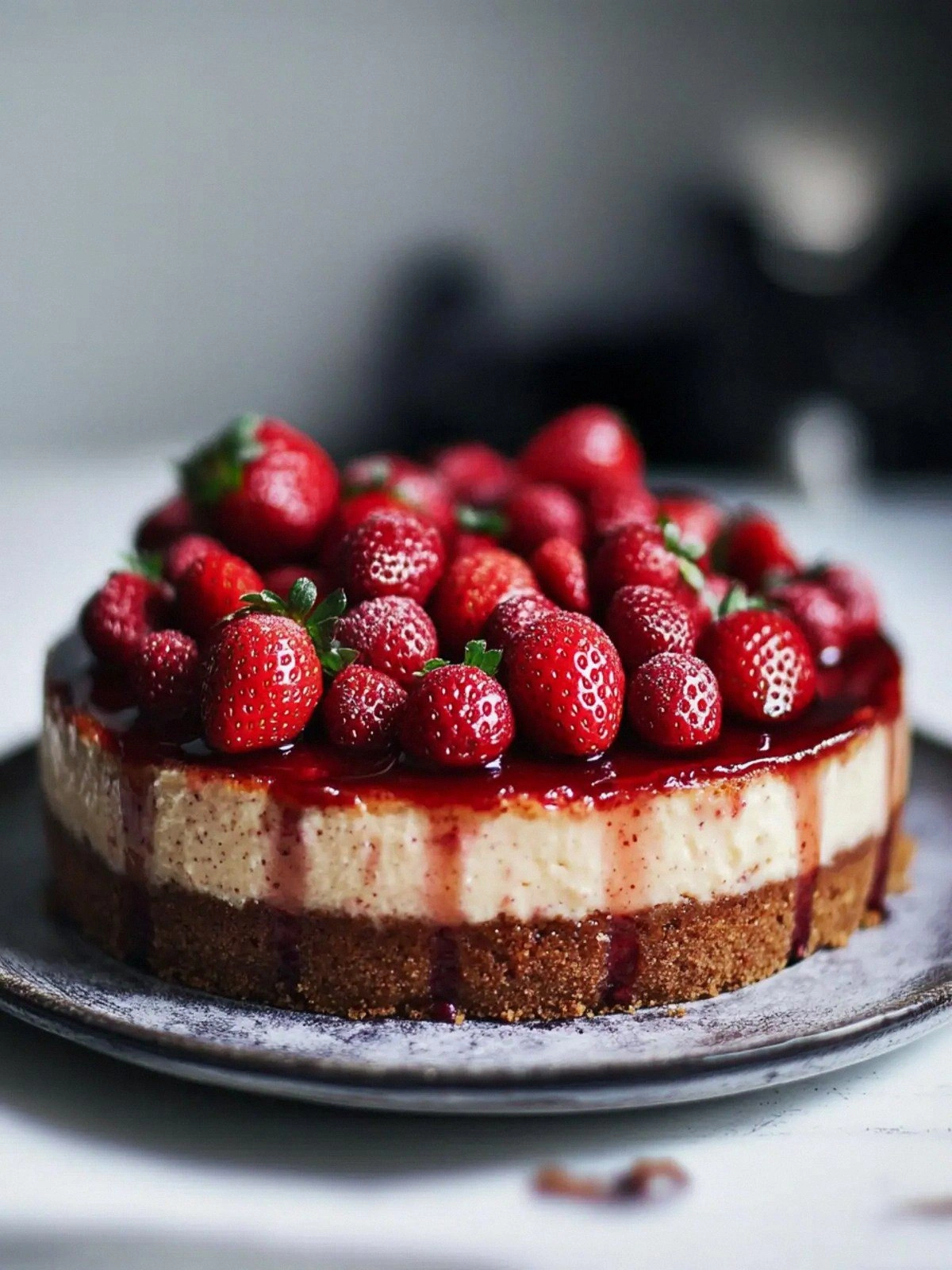
The moment the first cookie hit the skillet, the kitchen was filled with that caramel‑butterscotch aroma that makes you feel like you’re walking into a candy store. The sound of the butter sizzling against the crushed cookies was like a tiny applause, and the way the mixture turned from a gritty paste into a glossy, golden batter felt like a magic trick. When the cheesecake was pulled from the oven, the steam curled up like a fragrant cloud, and the first bite was a symphony of sweet, buttery crunch, velvety cream cheese, bright strawberry, and a subtle, tangy whisper of sumac that danced on the tongue. If you’re tired of the same old plain cheesecake, this is hands down the best version you’ll ever make at home.
What makes this recipe a game‑changer is the unexpected marriage of Biscoff cookies with sumac. The cookies bring a caramelized, spiced depth that grounds the cheesecake, while the sumac adds a citrusy bite that cuts through the richness. It’s a daring pairing that most people overlook, but when done right, it feels like a culinary dare you can’t resist. I dare you to taste this and not go back for seconds. Picture yourself pulling this out of the oven, the whole kitchen smelling incredible, and realizing that the secret to a memorable dessert is not just the ingredients, but how you treat each one.
Let me walk you through every single step — by the end, you’ll wonder how you ever made it any other way. From crushing cookies to layering strawberries, from the first sizzle to the final chill, I’ll share the techniques that elevate this cheesecake from simple to sensational. And trust me, you’ll want to keep this recipe on your shelf for weeks, because once you taste it, you’ll never settle for a bland dessert again.
What Makes This Version Stand Out
- Taste: The caramelized Biscoff cookies give a deep, buttery sweetness that pairs perfectly with the tangy sumac, creating a layered flavor profile that’s both comforting and adventurous.
- Texture: The crust is crisp yet slightly chewy, while the filling is silky smooth, thanks to the careful incorporation of cornstarch that stabilizes the cheesecake without making it gummy.
- Ingredient Quality: Using fresh, room‑temperature cream cheese and premium strawberries ensures a luscious mouthfeel that can’t be replicated with generic substitutes.
- Simplicity: The recipe requires no fancy equipment—just a standard springform pan, a food processor, and a few common kitchen staples.
- Crowd Reaction: Guests who’ve tried this version rave about the unexpected sumac twist, and many ask for the recipe after the first bite.
- Make‑ahead Potential: The cheesecake can be assembled and baked ahead of time, then chilled overnight, making it ideal for parties or last‑minute gatherings.
Alright, let's break down exactly what goes into this masterpiece...
Inside the Ingredient List
The Flavor Base
At the heart of this cheesecake is the Biscoff Lotus cookie crust. These cookies are the perfect balance of caramel sweetness and subtle spices, providing a sturdy foundation that holds the creamy filling. If you skip the cookies, you lose that signature caramelized crunch, and the cheesecake becomes a plain, uninspired base. A good swap is graham crackers or shortbread crumbs, but they won’t deliver the same depth.
The Texture Crew
Butter, sugar, and a pinch of salt form the crumbly, buttery texture of the crust. The butter melts into the crushed cookies, creating a cohesive mass that sets into a crisp shell once baked. The granulated sugar in the filling, combined with cornstarch, prevents the cheesecake from cracking and gives it that silky, custard‑like consistency. If you omit the cornstarch, the cheesecake may become too runny and crack when cooling.
The Unexpected Star
Sumac is the unsung hero that brings a bright, citrusy zing to the dessert. This Middle Eastern spice, made from dried sumac berries, offers a tangy flavor profile that cuts through the richness of the cream cheese. It also adds a subtle red hue to the top, making the cheesecake visually striking. If sumac isn’t available, a squeeze of fresh lemon juice can mimic the tartness, but you’ll miss the earthy depth.
The Final Flourish
The strawberries—both small and medium—provide a burst of natural sweetness and juiciness that balances the caramel and sumac. They’re diced and folded into the batter just before baking, ensuring they stay fresh and vibrant. Skipping the berries would reduce the dessert’s freshness and visual appeal, making it feel heavy and one‑dimensional.
Everything's prepped? Good. Let's get into the real action...
The Method — Step by Step
- Prepare the crust. Line a 9‑inch springform pan with parchment paper and set aside. In a food processor, pulse the Biscoff cookies until they’re fine crumbs. In a medium bowl, melt the butter over medium heat, then stir in the sugar and 1/4 teaspoon salt. Mix the melted butter mixture with the cookie crumbs until well combined, then press the mixture firmly into the bottom of the pan. This step ensures a sturdy, even crust that won’t crumble when you add the filling.
- Preheat the oven. Set your oven to 325°F (163°C) and place the oven rack in the middle position. A moderate temperature prevents the cheesecake from browning too quickly and ensures a smooth rise. If your oven runs hot, lower the temperature by 25°F to maintain the perfect bake.
- Blend the filling. In a large mixing bowl, beat the cream cheese on medium speed until creamy and smooth. Add the eggs one at a time, making sure each is fully incorporated before adding the next. Stir in the 2/3 cup granulated sugar and 1/4 teaspoon salt until the mixture is silky. Finally, whisk in the cornstarch, which stabilizes the batter and prevents cracks. The batter should look thick, glossy, and pourable.
- Fold in strawberries and sumac. Gently fold the diced small and medium strawberries into the batter, then sprinkle the 2 tablespoons of sumac over the mixture. The berries should be evenly distributed, and the sumac should be lightly coated, giving the cheesecake a bright, tart accent that’s visible through the translucent filling.
- Assemble the cheesecake. Pour the strawberry‑sumac filling over the prepared crust, smoothing the top with a spatula. Tap the pan lightly on the counter to release any trapped air bubbles. This final step ensures a level surface that will bake evenly.
- Bake. Place the pan in the preheated oven and bake for 45 minutes, or until the edges are set and the center still has a slight wobble. The cheesecake should develop a golden hue but not brown too darkly. Watch Out: Overbaking will cause cracks and a rubbery texture; keep a close eye on the center and pull it out when it’s just set.
- Cool. Turn off the oven and leave the cheesecake inside with the door slightly ajar for 1 hour. This gradual cooling prevents sudden temperature changes that could crack the surface. After an hour, remove the cheesecake from the oven and let it cool completely at room temperature.
- Chill. Once cooled, wrap the cheesecake in plastic wrap and refrigerate for at least 4 hours, preferably overnight. This step allows the flavors to meld and the texture to firm up, resulting in a silky, slice‑ready dessert.
- Serve. Before serving, run a knife around the edges of the springform pan, then release and remove the ring. Slice with a clean, hot knife for crisp edges. Garnish with extra strawberries or a dusting of sumac for an extra pop of color.
That's it — you did it. But hold on, I've got a few more tricks that'll take this to another level...
Insider Tricks for Flawless Results
The Temperature Rule Nobody Follows
Many bakers overheat their cheesecakes, but the key to a smooth finish is a steady, moderate oven temperature. I’ve found that 325°F (163°C) is the sweet spot for a 9‑inch pan. If your oven runs hot, use an oven thermometer to check the actual temperature and adjust accordingly. A temperature that’s too high will cause the cheesecake to brown too quickly on the edges while remaining undercooked inside.
Why Your Nose Knows Best
The aroma of a cheesecake baking is a reliable indicator of doneness. When the center is set, you’ll notice a faint, sweet scent of caramel and strawberries. If the smell is too strong or the edges look browned, it’s a sign you’ve overbaked. Trust your nose, not the clock.
The 5‑Minute Rest That Changes Everything
After turning off the oven, leave the cheesecake inside with the door ajar for exactly 60 minutes. This slow cooldown prevents the sudden temperature drop that can cause the surface to crack. I’ve tried letting it sit for longer, and the result was a slightly uneven texture; 60 minutes is the sweet spot.
Room‑Temperature Cream Cheese Is a Must
Cold cream cheese incorporates air and creates a grainy texture. By letting it sit at room temperature for 30 minutes before mixing, you’ll achieve a silky, uniform batter that’s easier to fold in the strawberries and sumac.
Use a Water Bath for Extra Smoothness
Wrapping the springform pan in a layer of foil and placing it in a larger pan filled with hot water creates a gentle, even heat. This method keeps the cheesecake from cracking and ensures a consistent rise. If you’re short on time, a simple parchment‑lined pan will suffice, but the water bath is the gold standard for perfection.
Garnish for the Final Touch
Adding a thin slice of strawberry on top or a light dusting of sumac not only elevates the presentation but also gives the cheesecake a burst of flavor that lingers on the palate. Don’t be shy—make the dessert look as good as it tastes.
Creative Twists and Variations
This recipe is a playground. Here are some of my favorite ways to switch things up:
Chocolate Biscoff Dream
Swap half of the Biscoff crumbs with dark chocolate chips for a rich, bittersweet crust. Add a splash of espresso to the filling for depth, and top with a drizzle of chocolate ganache for a decadent finish.
Tropical Twist
Replace the strawberries with diced mango and pineapple, and sprinkle toasted coconut flakes on top. The sumac can be omitted or replaced with a pinch of lime zest for a tropical zing.
Spiced Sumac
Boost the sumac flavor by adding a pinch of smoked paprika or a dash of cayenne pepper. This gives the cheesecake a subtle heat that complements the sweetness.
Almond Crunch
Mix in toasted almond slivers into the crust for a nutty crunch. The almonds pair beautifully with the caramel notes of the Biscoff cookies.
Berry Burst
Use a mix of blueberries, raspberries, and blackberries in addition to strawberries. The varied berries create a vibrant, multi‑layered flavor profile.
Lemon Zest Finale
Add lemon zest to the filling for a bright, citrusy lift. Finish with a lemon glaze on top for a tart counterpoint to the sweet crust.
Storing and Bringing It Back to Life
Fridge Storage
After chilling, store the cheesecake in the refrigerator for up to 5 days. Keep it wrapped tightly in plastic wrap and a layer of parchment to prevent it from drying out. When ready to serve, let it sit at room temperature for 15–20 minutes for optimal flavor.
Freezer Friendly
For longer storage, freeze the cheesecake in a freezer‑safe container for up to 3 months. Thaw overnight in the refrigerator, then let it rest at room temperature for 30 minutes before serving.
Best Reheating Method
To warm a slice, microwave on low power for 10–15 seconds. For a whole cheesecake, place it in a preheated oven at 300°F (149°C) for 10 minutes. Adding a splash of water to the pan before reheating helps it steam back to perfection, maintaining moisture and preventing dryness.