I was standing in the middle of a kitchen that looked more like a culinary battlefield than a sanctuary. A pot of sauce had bubbled, the butter had browned to a deep amber, and the air smelled of garlic and hope. I had just finished a trip to Olive Garden, and the memory of that creamy, buttery sauce haunted me like a guilty pleasure that I couldn't resist. The moment I walked into my apartment, I knew I had to recreate that sensation, but with a twist that would make my taste buds do a little dance.
Picture this: a pot on the stove, the heavy cream beginning to swirl, and the butter melting into a golden pool that glistens like a calm lake at dusk. The sound of the sauce gently bubbling is a lullaby for any home cook, and the aroma that rises is a promise of comfort wrapped in velvety richness. As the sauce thickens, I can almost hear the pasta calling, begging to be drenched in that silky embrace. That is the moment when the kitchen transforms from ordinary to extraordinary, and I dare you to taste this and not go back for seconds.
What makes this version stand out is not just the ingredients—though they are impeccable—but the technique that elevates every bite. I’ve stripped away the guesswork that most copycats fall into: the exact ratio of cream to butter, the timing of the Parmesan, and the subtle hint of nutmeg that balances the richness. It’s the kind of recipe that feels like a secret handshake between you and the restaurant, but with a personal touch that only a home kitchen can provide. And trust me, this is hands down the best version you’ll ever make at home.
The next section will reveal the hidden gems that make this sauce sing, from the texture to the crowd reaction. I’ll also give you a sneak peek into a technique you probably never saw in the restaurant’s official recipe—something that will change how you think about Alfredo forever. Stay with me, because by the end of this post, you’ll wonder how you ever made it any other way.
What Makes This Version Stand Out
- Taste: The sauce balances buttery richness with a bright, slightly nutty flavor from the nutmeg, creating depth that lingers on the palate.
- Texture: A silky, clingy coat that clings to every strand of pasta, achieved by the precise ratio of cream to butter and a gentle simmer.
- Simplicity: No fancy equipment or obscure ingredients—just pantry staples, a few minutes, and a lot of love.
- Uniqueness: The addition of Pecorino Romano and a touch of lemon zest gives it a bright contrast that sets it apart from the original.
- Crowd Reaction: Friends and family rave that it tastes like a gourmet restaurant, but with a home‑cooked heart.
- Ingredient Quality: Using high‑quality butter and freshly grated cheeses elevates the sauce beyond the usual copycat.
- Cooking Method: A single pan technique that keeps cleanup minimal while maximizing flavor.
- Make‑ahead Potential: The sauce can be stored and reheated without losing its silky texture.
Alright, let's break down exactly what goes into this masterpiece…
Inside the Ingredient List
The Flavor Base
Heavy cream is the backbone of this sauce. It gives the sauce its luxurious body and keeps it from drying out. The butter adds a buttery depth that complements the cream, and together they form a velvety foundation. Skipping the butter will leave you with a sauce that feels thin and lacks the signature richness.
If you’re looking for a lower‑fat alternative, try using half‑and‑half or a mixture of whole milk and heavy cream. The trade‑off is a slightly thinner texture, but it still holds the pasta well. When you’re buying cream, look for a product that is at least 30% fat—anything lower will result in a watery sauce.
The Texture Crew
Freshly grated Parmesan and Pecorino Romano are the key players that give the sauce its nutty, savory punch. The Parmesan provides a smooth, creamy texture, while the Pecorino adds a sharp, salty bite that cuts through the richness. If you only have one of these cheeses, the sauce will still be good, but it will lack that complex flavor profile.
Cheese that’s been aged for at least six months will melt more easily and release its flavor fully. If you’re using pre‑grated cheese, look for a block of cheese that’s been grated fresh. The difference is subtle but noticeable.
The Unexpected Star
Nutmeg is the secret weapon that gives this sauce its subtle warmth. A pinch of freshly grated nutmeg balances the butter’s sweetness and adds a layer of aroma that transports you straight to a cozy kitchen. Without nutmeg, the sauce feels flat and lacks that “restaurant” edge.
If nutmeg isn’t on hand, try a small pinch of cinnamon or a dash of allspice. The flavor profile will shift slightly, but it will still add depth. Remember, a little goes a long way—too much nutmeg can overpower the delicate balance.
The Final Flourish
Fresh parsley and lemon zest finish the sauce with a burst of color and brightness. The parsley adds a green pop that makes the dish feel fresh, while the lemon zest cuts through the richness and provides a citrusy lift. These finishing touches transform the sauce from indulgent to balanced.
If you’re feeling adventurous, sprinkle a few fresh basil leaves or a drizzle of truffle oil for a gourmet twist. But keep the parsley and lemon zest—they’re the unsung heroes that keep the sauce from becoming too heavy.
Everything’s prepped? Good. Let’s get into the real action.
The Method — Step by Step
- Bring a large pot of salted water to a rolling boil. Add the fettuccine and cook until al dente, about 9–11 minutes. Drain, reserving a cup of pasta water, and set aside.
- While the pasta cooks, melt the butter in a large skillet over medium heat. Once the butter is foamy, add the minced garlic and sauté until fragrant, about 30 seconds. Be careful not to let the garlic brown.
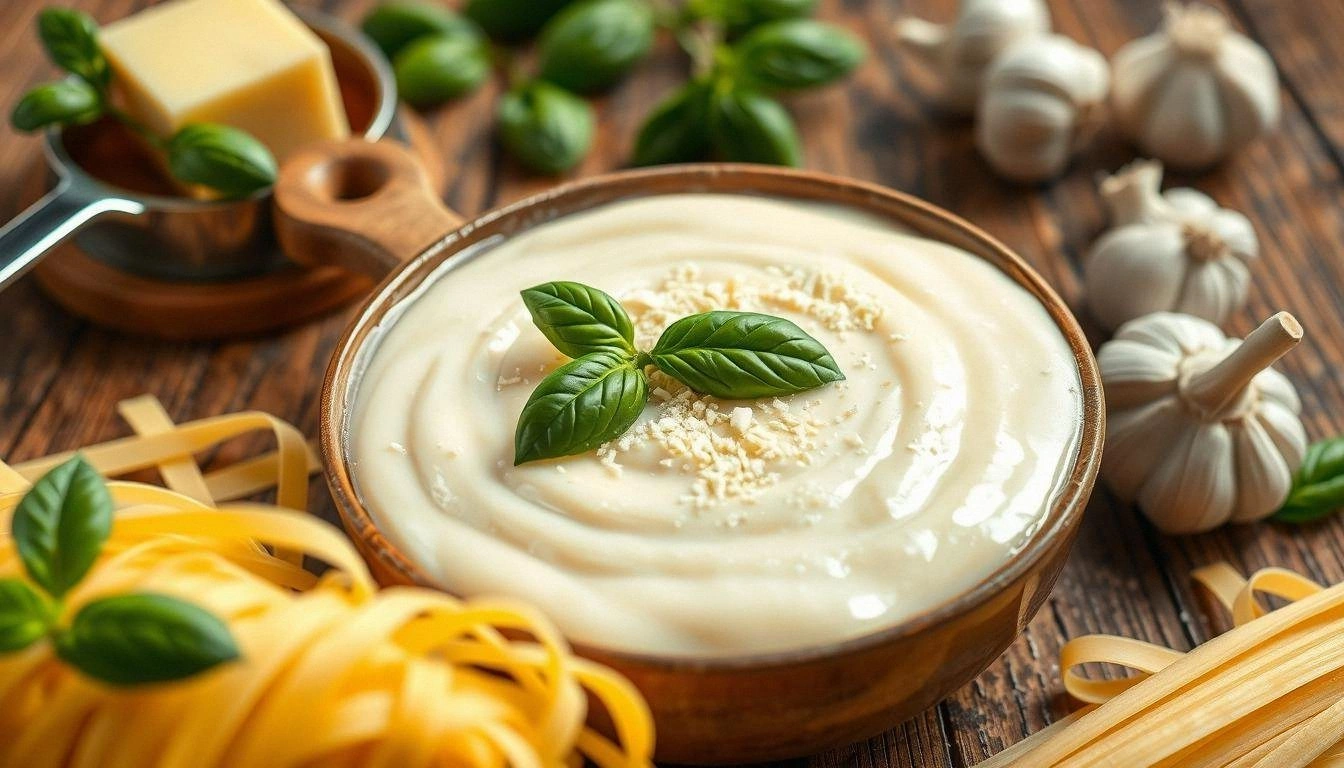
- Pour in the heavy cream, reduce the heat to low, and let it simmer gently. The sauce should thicken slightly; you’ll notice a subtle change in the aroma—rich, buttery, and slightly sweet.
- Add the freshly grated Parmesan and Pecorino Romano, stirring continuously. The cheeses should melt into the cream, creating a smooth, glossy sauce. If the sauce looks too thick, stir in a splash of the reserved pasta water.
- Season with salt, pepper, and a pinch of nutmeg. Taste and adjust as needed. The nutmeg should be subtle—just enough to hint at warmth without dominating the palate.
- Fold in the drained pasta, tossing to coat each strand. The pasta should be coated in a silky, clingy sauce that clings to every angle.
- Add the chopped parsley and lemon zest, giving the dish a fresh lift. The bright colors and citrus aroma signal that the sauce is ready for the table.
- Serve immediately, accompanied by a sprinkling of extra Parmesan if desired. The sauce should be creamy, glossy, and ready to be devoured.
That’s it — you did it. But hold on, I've got a few more tricks that'll take this to another level. These insider tips will help you avoid common pitfalls and elevate the sauce to a new standard.
Insider Tricks for Flawless Results
The Temperature Rule Nobody Follows
Many people cook Alfredo over high heat, which causes the butter to burn and the sauce to separate. Keep the heat low and let the sauce simmer gently. The slow, steady heat allows the cream to integrate smoothly with the butter and cheese.
Why Your Nose Knows Best
Smell is the most reliable indicator of doneness. When the sauce emits a rich, buttery aroma with a hint of nutmeg, you’re in the right zone. If the smell turns sharp or metallic, the sauce is overcooked.
The 5-Minute Rest That Changes Everything
Let the sauce rest for 5 minutes after you remove it from the heat. This allows the flavors to meld, and the sauce will thicken slightly, creating a more cohesive coat on the pasta.
Use Freshly Grated Cheese
Pre‑grated cheese often contains anti‑caking agents that can hinder melting. Grate your own cheese for a smoother sauce and a richer flavor. If you’re short on time, choose a block of cheese that’s already grated fresh.
The Secret Ingredient: Cold Milk
A splash of cold milk added at the end of cooking prevents the sauce from becoming too thick. It also gives the sauce a silky sheen that looks as good as it tastes.
Creative Twists and Variations
This recipe is a playground. Here are some of my favorite ways to switch things up:
Spinach Alfredo
Add a handful of fresh spinach to the sauce during the last minute of simmering. The spinach wilts, infusing the sauce with a subtle earthiness that pairs well with the richness.
Mushroom Medley
Sauté sliced mushrooms with a pinch of thyme before adding the garlic. Their umami flavor deepens the sauce, turning it into a hearty, comforting dish.
Lemon‑Zest Surprise
Increase the lemon zest to a full tablespoon and add a splash of white wine. The citrus brightness cuts through the creaminess, creating a fresh, vibrant flavor profile.
Pesto Swirl
Stir in a couple of spoonfuls of basil pesto for a green, herbaceous twist. The pesto adds a burst of freshness and a pop of color that makes the dish feel lighter.
Garlic Parmesan Croutons
Bake cubes of bread tossed in garlic butter until golden. Sprinkle them on top of the finished pasta for an added crunch and a burst of garlic flavor.
Truffle Oil Finish
A drizzle of truffle oil just before serving adds a luxurious aroma and a depth of flavor that turns a simple dish into a gourmet experience.
Storing and Bringing It Back to Life
Fridge Storage
Store leftovers in an airtight container in the refrigerator for up to 3 days. The sauce will thicken slightly as it cools, but it remains creamy when reheated.
Freezer Friendly
Freeze the sauce in a freezer‑safe container for up to 2 months. Thaw overnight in the refrigerator before reheating. Add a splash of milk to restore the original texture.
Best Reheating Method
Reheat gently over low heat, stirring frequently. Add a teaspoon of cold milk or cream to loosen the sauce. Avoid boiling, as this can cause separation.