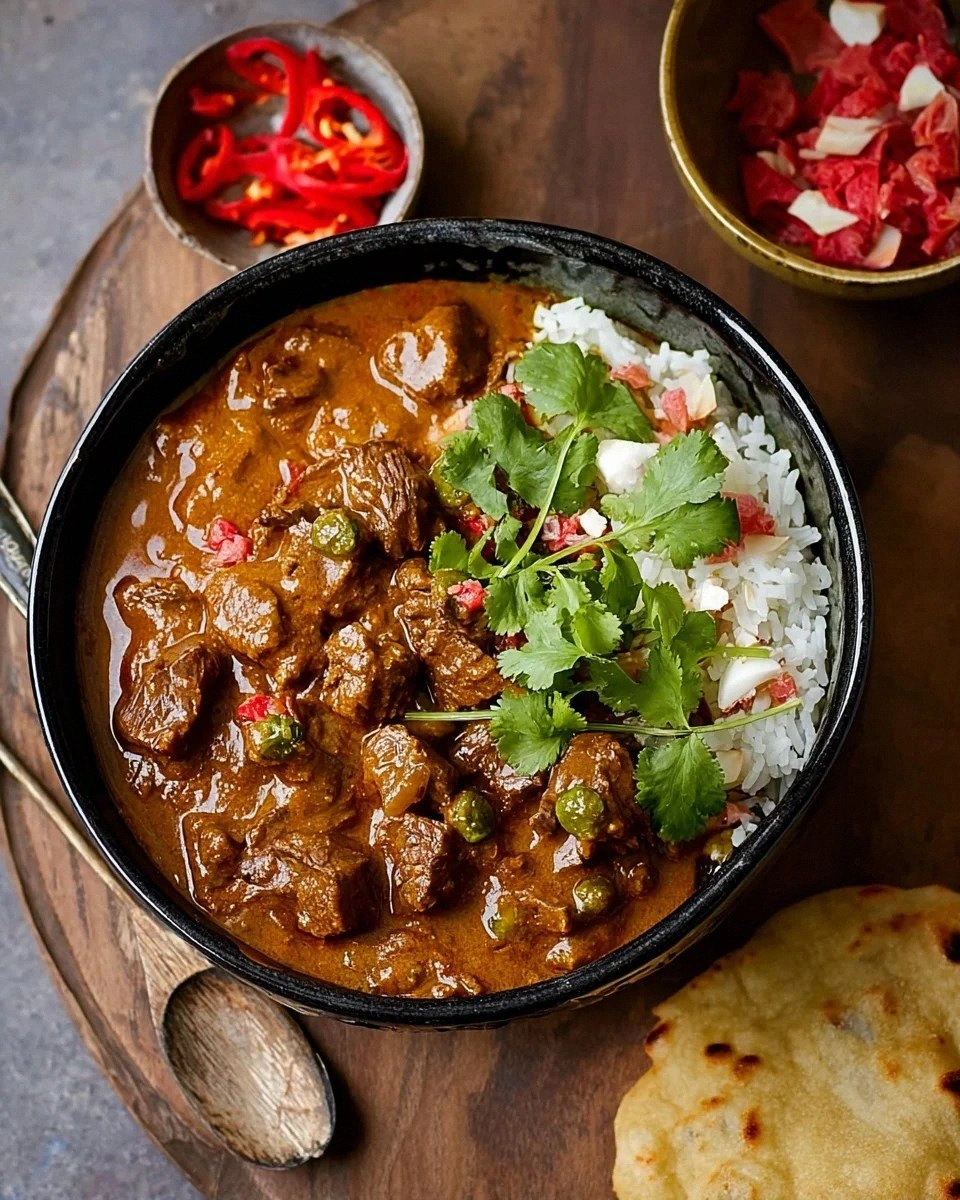
Picture this: it’s a rainy Tuesday night, the kind that makes you wish you could teleport straight to a tropical beach without leaving the couch. I was staring at a half‑empty pantry, a stubborn craving for something that felt both comforting and exotic, and a stubborn old slow cooker that had been gathering dust for months. I thought, “What if I could coax that slow cooker into a flavor‑bomb that would make my taste buds do a happy dance?” The result? A bowl of Slow Cooker Beef Coconut Curry that smacks you in the face with buttery richness, a whisper of heat, and a coconut aroma that clings to the kitchen like a warm blanket. I dare you to taste this and not go back for seconds.
The moment the lid clicks shut, the kitchen starts to hum with anticipation. You hear the gentle bubbling of coconut milk, the faint crackle of spices waking up, and the low, comforting sigh of the slow cooker as it settles into its rhythm. The scent of ginger and garlic rises, weaving through the air like a silk scarf, while the subtle sweetness of brown sugar and the salty kiss of fish sauce flirt with each other. You can almost feel the heat radiating from the pot, coaxing the beef to melt into tender, juicy morsels that practically dissolve on your tongue. And when you finally ladle that amber‑gold curry into a bowl, the steam rises like a tropical sunrise, promising a bite that’s both creamy and bold.
Most recipes for beef curry either drown the meat in sauce or leave it dry and bland. Most get the balance of coconut and spice completely wrong, ending up with a dish that tastes like a watered‑down curry paste. This version, however, is a love letter to both the beef and the coconut, marrying them in a way that feels effortless yet sophisticated. The secret? A two‑stage browning technique that locks in flavor before the slow cooker even gets a chance to work its magic, plus a splash of lime juice added at the very end to brighten everything up like a flash of sunrise. I’ll be honest — I ate half the batch before anyone else got to try it, and that’s a confession I’m not ashamed of.
Now, imagine pulling this out of the slow cooker after a lazy afternoon, the whole kitchen smelling like a Thai street market, the steam curling around your face as you scoop it over fluffy jasmine rice. Picture the satisfied sighs of your family as they dig in, the way the curry clings to each grain of rice like velvet, and the lingering hint of lime that makes you want another bite. Okay, ready for the game‑changer? Let me walk you through every single step — by the end, you’ll wonder how you ever made it any other way.
What Makes This Version Stand Out
- Depth of Flavor: The two‑step browning creates a caramelized crust on the beef that infuses the broth with a deep, meaty umami that you just can’t get from a simple simmer.
- Creamy Coconut Balance: Using full‑fat coconut milk gives the sauce a luxurious mouthfeel while still letting the heat of the curry paste shine through.
- Effortless Simplicity: Once the prep is done, the slow cooker does all the heavy lifting, making this a set‑it‑and‑forget‑it dinner that never disappoints.
- Unexpected Brightness: A splash of lime juice at the end lifts the entire dish, preventing the coconut from feeling heavy and adding a zing that wakes up every bite.
- Crowd‑Pleaser Factor: Even the pickiest eaters love the sweet‑spicy harmony; it’s the kind of dish that gets rave reviews at family gatherings.
- Ingredient Quality: We rely on high‑quality beef chuck and authentic Thai red curry paste, which together create a flavor foundation you can’t fake.
- Make‑Ahead Potential: This curry actually tastes better the next day, as the flavors continue to meld while it sits in the fridge.
- Season‑Proof: Whether it’s a chilly winter night or a breezy summer evening, this curry fits every season, making it a true year‑round hero.
Inside the Ingredient List
The Flavor Base
Beef stew meat (1.5 lb): This is the heart of the dish. Choosing a well‑marbled cut like chuck ensures the meat stays juicy and tender after hours of slow cooking. If you skip the marbling, you’ll end up with dry, stringy bites that feel more like rubber than comfort food. For the best result, look for meat that has a nice pinkish‑red hue and a fine grain of fat interlaced throughout.
Onion (1 large, diced): Onions provide a natural sweetness that balances the heat of the curry paste. When sautéed first, they release sugars that caramelize slightly, adding depth to the sauce. If you forget this step, the curry can taste flat, like a one‑note song.
Garlic (4 cloves, minced): Garlic is the aromatic backbone that ties everything together. Its pungent bite mellows during the long cook, turning into a mellow, buttery undertone. Skipping garlic is a cardinal sin; the dish will lack that signature warmth.
Fresh ginger (1 tbsp, grated): Ginger adds a bright, peppery snap that cuts through the richness of the coconut. It also aids digestion, making the heavy curry feel lighter on the stomach. If you can’t find fresh ginger, a high‑quality powdered version works, but the flavor won’t be as lively.
The Texture Crew
Red curry paste (2 tbsp): This is where the heat lives. Authentic Thai red curry paste brings a complex blend of chilies, lemongrass, galangal, and shrimp paste. Using a store‑bought version is fine, but look for one with a deep red hue and minimal additives; otherwise, you’ll miss out on the depth.
Coconut milk (2 cups, full‑fat): The coconut milk is the silky canvas that carries all the flavors. Full‑fat coconut milk ensures a luxurious texture; low‑fat versions become watery and thin. If you’re watching calories, you can swap half for light coconut milk, but expect a less indulgent mouthfeel.
Bell pepper (1, sliced): The pepper adds a sweet crunch that contrasts the tender beef. It also contributes a pop of color, making the dish visually inviting. If you prefer heat, opt for a red or orange pepper; for a milder tone, a green pepper works nicely.
Carrots (2, sliced): Carrots bring subtle sweetness and a firm bite that holds up during the long cook. They also add a splash of orange that brightens the visual palette. Feel free to swap for parsnips if you want an earthier flavor.
Potatoes (2 medium, cubed): Potatoes soak up the curry, turning each bite into a fluffy, flavor‑packed morsel. They also help thicken the sauce naturally as they break down. For a lower‑carb version, substitute cauliflower florets.
The Unexpected Star
Fish sauce (1 tbsp): This liquid umami is the secret whisper that makes the curry sing. A little goes a long way; it adds depth without making the dish taste fishy. If you’re vegetarian, swap with soy sauce or mushroom soy for a similar salty punch.
Brown sugar (1 tbsp): The sugar balances the heat and acidity, creating a harmonious sweet‑spicy profile. It also helps caramelize the beef during the initial sear. Too much sugar will make the curry cloying, so stick to the measured amount.
Lime juice (1 tbsp): Added at the end, lime juice lifts the entire dish, preventing the coconut from feeling heavy. It adds a bright citrus note that cuts through the richness. If you don’t have fresh lime, a splash of rice vinegar can mimic the acidity, though the flavor won’t be as fresh.
The Final Flourish
Cilantro (¼ cup, chopped): Fresh cilantro adds a herbaceous finish that brightens each spoonful. Sprinkle it just before serving to keep the leaves vibrant and fragrant. If you’re not a fan of cilantro, fresh basil or Thai basil work as alternatives.
Vegetable oil (2 tbsp): Oil is essential for the initial sear, giving the beef a golden crust. Use a high‑smoke‑point oil like canola or grapeseed to avoid burning the spices. Olive oil can be used, but it may impart a distinct flavor.
Salt & pepper (to taste): Seasoning is the final layer that brings everything together. Taste the sauce before serving and adjust as needed; the curry will deepen as it sits, so a light finish works best.
Everything’s prepped? Good. Let’s get into the real action…
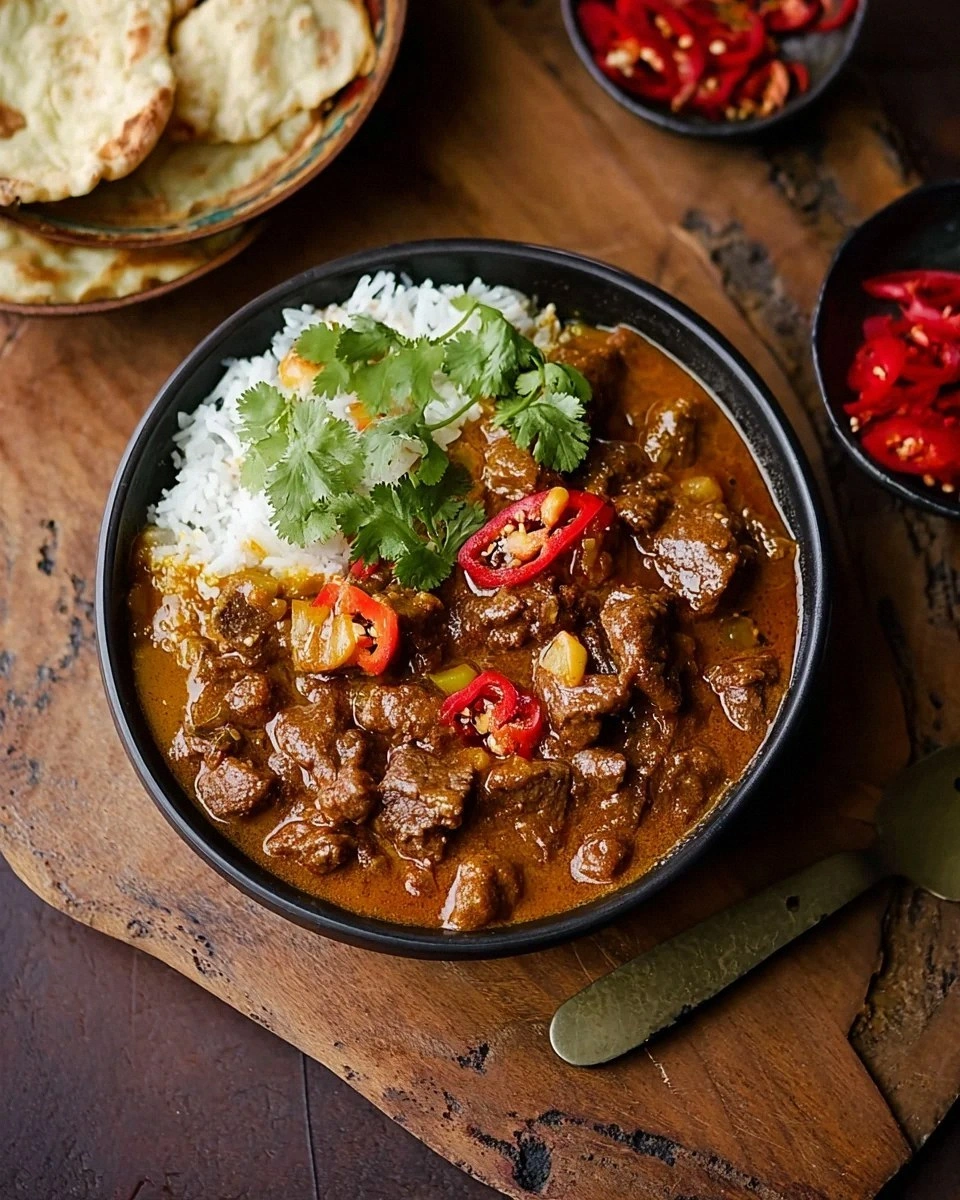
The Method — Step by Step
First, pat the beef chunks dry with paper towels. This tiny step is the difference between a stew that looks like a glossy broth and one that has a deep, caramel‑kissed color. Heat the vegetable oil in a large skillet over medium‑high heat until it shimmers. Add the beef in a single layer, making sure not to crowd the pan; you’ll hear a satisfying sizzle that tells you the sear is happening. Brown each side for about 3‑4 minutes until a golden crust forms. Power transition: Transfer the seared beef to the slow cooker, leaving all those flavorful browned bits behind—they’re liquid gold.
In the same skillet, reduce the heat to medium and toss in the diced onion. Stir constantly for 4‑5 minutes until the edges turn translucent and the sugars start to caramelize. Add the minced garlic and grated ginger, letting them dance with the onions for another 2 minutes. You’ll notice the aroma shifting from sweet to sharp, a sign that the aromatics are fully awakened.
Kitchen Hack: Deglaze the pan with a splash of water or broth before moving on; this lifts the caramelized bits and prevents them from burning later.Now, stir in the red curry paste, letting it coat the onion‑garlic‑ginger mixture. Cook for 1‑2 minutes, watching the paste darken slightly and release its fragrant oils. This is the moment of truth: if the paste smells raw, give it a few more seconds; if it smells burnt, you’ve gone too far. Add the brown sugar and fish sauce, letting them dissolve into the paste, creating a glossy, caramel‑like base that will later envelop the beef.
Pour the full‑fat coconut milk into the skillet, scraping up any bits stuck to the bottom. The mixture will bubble gently—listen for that soft, steady simmer that tells you the sauce is marrying the flavors. Let it cook for 3‑4 minutes, allowing the coconut to thicken slightly.
Watch Out: If the sauce starts to separate, lower the heat immediately and whisk vigorously; high heat can cause coconut milk to curdle.Transfer the fragrant coconut‑curry sauce into the slow cooker, spreading it evenly over the browned beef. Add the sliced bell pepper, carrots, and potatoes, arranging them so they’re partially submerged. This ensures even cooking and allows the vegetables to absorb the curry’s flavors. Sprinkle a pinch of salt and pepper now; you’ll fine‑tune the seasoning later.
Set the slow cooker to low and let it work its magic for 6‑8 hours. If you’re short on time, the high setting works in 3‑4 hours, but low yields a more tender, melt‑in‑your‑mouth texture. During the first hour, you might hear a faint bubbling—don’t lift the lid; every time you open, you lose heat and extend the cooking time.
When the timer dings, check the beef with a fork; it should fall apart with little resistance, and the vegetables should be fork‑tender. Stir in the lime juice, tasting for balance. The citrus should brighten the sauce without overpowering the coconut. If the curry feels too thick, add a splash of water or broth; if it’s too thin, let it simmer uncovered on the stovetop for 5‑10 minutes.
Finally, fold in the chopped cilantro, letting the fresh herb wilt just enough to release its aroma. Serve the curry over steamed jasmine rice or cauliflower rice for a low‑carb twist. Garnish with an extra drizzle of coconut milk and a wedge of lime if you love that zing.
Kitchen Hack: For a glossy finish, swirl a teaspoon of coconut oil into the hot curry just before serving.
That’s it — you did it. But hold on, I’ve got a few more tricks that'll take this to another level…
Insider Tricks for Flawless Results
The Temperature Rule Nobody Follows
Never start with cold meat straight from the fridge. Let the beef sit at room temperature for 20‑30 minutes before searing. This small step ensures a more even browning and prevents the meat from steaming in the pan. I once rushed this step and ended up with a stew that looked like a cloudy broth—lesson learned.
Why Your Nose Knows Best
Before you add the lime juice, close your eyes and inhale the steam. If you detect a faint buttery coconut scent with a hint of caramelized onion, you’re on the right track. If the aroma leans toward raw curry paste, give it another minute; your nose is the ultimate taste‑tester.
The 5‑Minute Rest That Changes Everything
After the slow cooker finishes, let the curry rest, uncovered, for five minutes. This brief pause allows the sauce to settle, the flavors to harmonize, and the steam to evaporate slightly, resulting in a thicker, richer consistency. Skipping this step can leave you with a watery finish.
Veggie‑Boost Secret
If you want extra veg, toss in a handful of baby spinach during the final five minutes. The spinach wilts quickly and adds a subtle earthiness without diluting the curry’s flavor. I tried adding kale once; it was a bit too tough, so spinach won the battle.
Spice Level Customizer
For those who crave heat, stir in an extra half‑teaspoon of fresh Thai chilies or a dash of sriracha right before serving. The heat should complement, not dominate, the coconut’s creaminess. Remember, you can always add more, but you can’t take it out.
Creative Twists and Variations
This recipe is a playground. Here are some of my favorite ways to switch things up:
Thai Basil Blast
Swap cilantro for a generous handful of Thai basil leaves and add a splash of fish sauce at the end. The basil introduces a peppery, anise‑like flavor that transforms the curry into a fragrant, herb‑forward masterpiece. Perfect for basil lovers.
Peanut Butter Fusion
Stir in two tablespoons of smooth peanut butter during the last 15 minutes of cooking. The nutty richness deepens the sauce, creating a Thai‑inspired satay vibe. Serve with a sprinkle of crushed peanuts for crunch.
Sweet Potato Swap
Replace the regular potatoes with cubed sweet potatoes. The natural sweetness pairs beautifully with the coconut and curry, making the dish feel autumnal yet still tropical. It also adds a vibrant orange hue.
Vegan Version
Swap the beef for firm tofu or tempeh, and replace fish sauce with soy sauce or mushroom soy. Use coconut yogurt instead of a splash of cream for extra tang. The result is a plant‑based curry that still delivers that comforting depth.
Smoky Chipotle Twist
Add a teaspoon of chipotle in adobo sauce for a smoky, slightly sweet heat. This version is great for those who love a BBQ undertone. Balance the extra smokiness with a little extra lime juice.
Coconut Lime Shrimp Upgrade
Replace half of the beef with peeled shrimp added in the final 30 minutes of cooking. The shrimp cooks quickly, staying plump and succulent, while still absorbing the curry’s flavors. This hybrid version is perfect for a surf‑and‑turf experience.
Storing and Bringing It Back to Life
Fridge Storage
Transfer any leftovers to an airtight container and refrigerate for up to 4 days. The curry’s flavors will mellow and become more cohesive, making day‑two servings even richer. When reheating, add a splash of water or coconut milk to revive the sauce’s silkiness.
Freezer Friendly
Cool the curry completely before portioning into freezer‑safe bags or containers. It freezes beautifully for up to 3 months. Thaw overnight in the fridge, then reheat gently on the stovetop over low heat, stirring occasionally.
Best Reheating Method
Reheat in a saucepan over medium‑low heat, adding a tablespoon of water or coconut milk every few minutes. This gentle approach prevents the coconut from separating and keeps the beef tender. Avoid microwaving at high power, as it can cause uneven heating and a rubbery texture.