I’ll be honest — the first time I tried to make a chicken‑artichoke pasta, I ended up with a soggy mess that tasted like a sad, lukewarm soup. I was standing in my kitchen, listening to the clock tick louder than the sizzle of my pan, and I swore I’d never attempt a creamy pasta again. Then a friend dared me, “If you can get that sauce to cling to the pasta like velvet, I’ll bring over a whole bottle of wine.” That tiny challenge sparked a full‑blown culinary experiment that lasted three frantic hours, a half‑dozen taste tests, and a very persuasive amount of parmesan. The result? A dish so decadent that I’m still hearing the applause of my own fork when it twirls the fusilli.
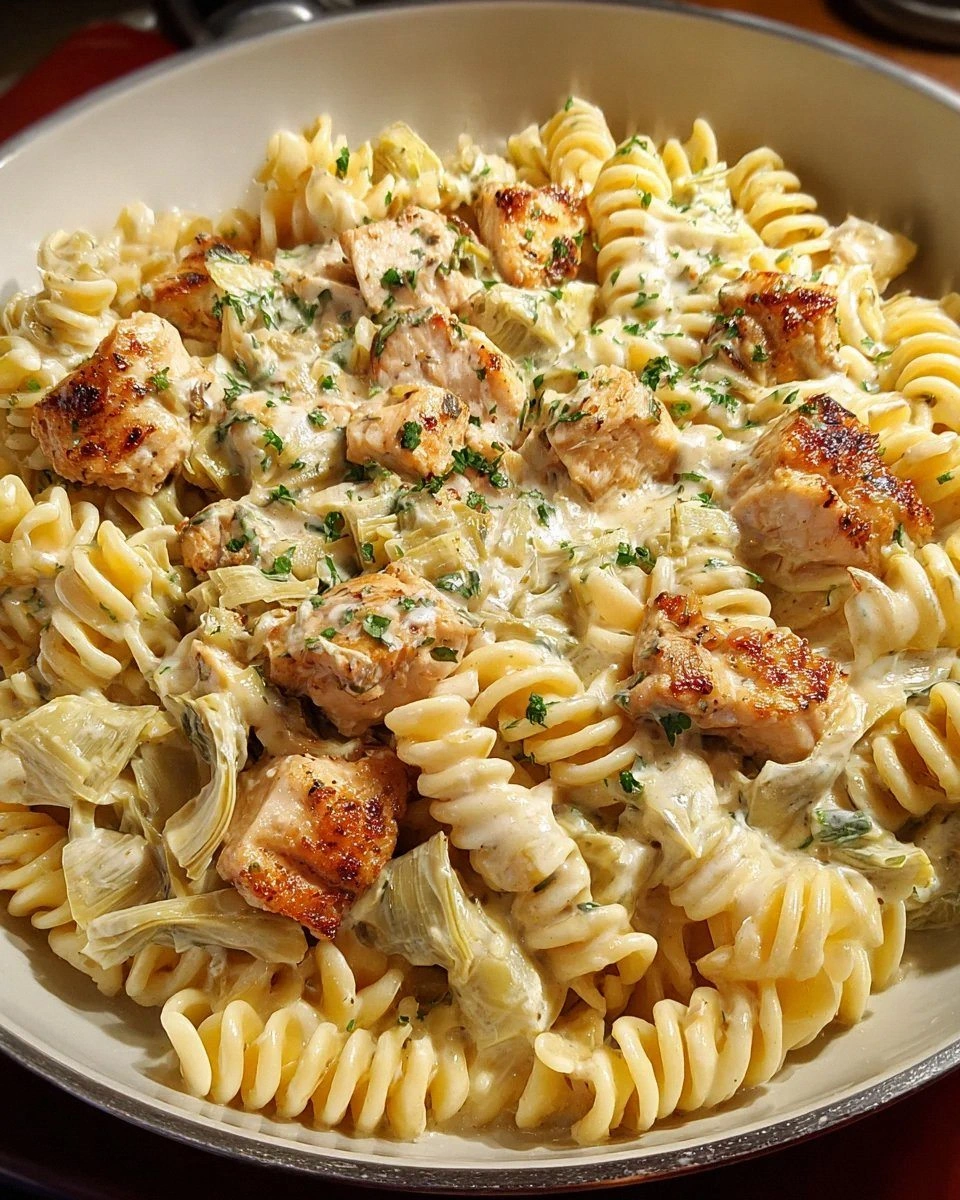
Picture this: the kitchen filled with the buttery aroma of garlic hitting a hot pan, the faint tang of artichoke hearts whispering from the back, and a creamy river of sauce that shimmers like a sunrise over a lake. The pasta, perfectly al dente, slides into the sauce and comes out coated in a glossy, buttery blanket that clings to every curve. When you bite, the chicken is juicy, the artichokes add a subtle earthiness, and the parmesan gives a salty snap that makes your taste buds do a little dance. It’s the kind of comfort food that feels like a warm hug on a cold night, but with enough sophistication to impress even the most discerning dinner guests.
Most recipes get this completely wrong. They either drown the pasta in a soupy broth, over‑cook the chicken until it’s dry, or forget the crucial step of finishing the sauce with a splash of pasta water. I’ve tried the “quick fix” versions that call for a can of soup and a handful of frozen peas, and they’re about as exciting as watching paint dry. This version, however, respects each ingredient, balances richness with brightness, and uses a few pro tricks that turn an ordinary weeknight dinner into a show‑stopper. I dare you to taste this and not go back for seconds – the sauce is that addictive.
Let me walk you through every single step — by the end, you’ll wonder how you ever made it any other way. Okay, ready for the game‑changer? I’m about to reveal a secret technique involving the pasta water that most cooks overlook, and trust me, it’s pure magic. Stay with me here — this is worth it.
What Makes This Version Stand Out
- Taste: The combination of buttery cream, sharp parmesan, and briny artichokes creates a flavor orchestra that sings with every bite.
- Texture: Fusilli’s spiral shape grabs the sauce, while the chicken stays tender and the artichokes stay pleasantly firm.
- Simplicity: Only six core ingredients, yet each one plays a starring role – no unnecessary pantry clutter.
- Uniqueness: Artichoke hearts are the surprise guest that turns a standard creamy pasta into something unforgettable.
- Crowd Reaction: Even picky eaters admit they can’t get enough; it’s the dish that gets Instagram likes and real‑life compliments.
- Ingredient Quality: Using fresh‑grated parmesan and high‑fat heavy cream makes the sauce luxuriously smooth.
- Cooking Method: The “sauce‑emulsify” step with pasta water creates a silk‑like coating that no store‑bought sauce can mimic.
- Make‑Ahead Potential: You can prep the chicken and artichokes ahead of time; the sauce comes together in five minutes.
Inside the Ingredient List
The Flavor Base
Garlic cloves are the aromatic foundation of this dish. When you mince them finely and let them sizzle in butter, they release a sweet, caramelized perfume that instantly lifts the entire sauce. If you skip the garlic, you’ll lose that depth that makes the sauce feel like a warm blanket rather than a thin sheet. For a milder version, you can substitute roasted garlic, but beware – the raw punch is what gives the sauce its character.
The Texture Crew
Fusilli pasta isn’t just a pretty shape; its ridges and twists are engineered to trap every droplet of sauce. When you cook it al dente, the outer surface stays slightly firm, allowing the sauce to cling without slipping off. If you’re in a pinch, penne or rotini work, but you’ll miss that perfect “sauce‑hug.” Remember to salt your water like the sea – it seasons the pasta from the inside out.
The Unexpected Star
Chopped artichoke hearts bring a subtle, nutty flavor that pairs beautifully with the richness of heavy cream. They also add a pleasant bite that prevents the dish from feeling too heavy. Canned artichokes are fine, but I recommend draining them well and giving them a quick rinse to remove any brine that could overpower the sauce. If you love a bit of tang, a splash of lemon juice at the end brightens everything.
The Final Flourish
Freshly grated Parmesan cheese is the finishing touch that adds umami, salt, and a slight nuttiness. When you fold it in at the very end, it melts into the cream, creating that velvety texture you crave. Pre‑grated cheese often contains anti‑caking agents that prevent it from melting smoothly, so I always grate it myself. If you’re dairy‑free, a good quality nutritional yeast can mimic the cheesy depth, though the texture will be a tad different.
Everything's prepped? Good. Let's get into the real action…
The Method — Step by Step
Start by bringing a large pot of salted water to a rolling boil. Add the fusilli and cook until it’s just shy of al dente – I aim for 1 minute less than the package suggests. Before you drain, scoop out a generous cup of the starchy cooking water and set it aside in a heat‑proof bowl; this will become the magic glue later. The water should smell faintly of wheat and salt, a subtle reminder that you’re on the right track.
While the pasta cooks, heat a large skillet over medium‑high heat and add a splash of olive oil followed by a pat of butter. Once the butter foams and turns golden, toss in the diced chicken breast. Let the pieces sizzle until they develop a caramelized crust – you’ll hear a satisfying pop as the juices seal in. Flip the chicken, season with a pinch of salt and pepper, and cook until the interior is no longer pink, about 5‑6 minutes total.
Kitchen Hack: Pat the chicken dry with paper towels before seasoning; moisture is the enemy of a good sear.When the chicken is golden, lower the heat to medium and add the minced garlic. Stir constantly for about 30 seconds until the garlic turns fragrant but not brown – burnt garlic adds bitterness that ruins the sauce. If you love a deeper flavor, let the garlic brown just a touch, but keep a close eye on it; the line between caramelized and burnt is razor‑thin.
Now it’s time for the artichokes. Add the chopped hearts to the pan, letting them mingle with the garlic and chicken for 2‑3 minutes. You’ll hear a gentle sizzle as the artichokes absorb the buttery aromatics. This step is crucial because it infuses the artichokes with the savory base, preventing them from tasting bland later on.
Pour in the heavy cream, stirring constantly to combine. As the cream begins to bubble, you’ll notice it thickening almost instantly – that’s the protein in the cream coagulating and creating a luxurious body. Reduce the heat to low and let the sauce simmer gently for 4‑5 minutes, allowing the flavors to meld. If the sauce looks too thick, now is the moment to add a splash of that reserved pasta water.
Here comes the turning point: whisk in the freshly grated Parmesan cheese. The cheese should melt smoothly, turning the sauce a luminous amber color. Keep stirring until the cheese is fully incorporated; this creates a silky texture that coats the pasta like velvet. Taste and adjust seasoning – a pinch more salt or a grind of black pepper can elevate the dish dramatically.
Watch Out: Adding cheese too quickly can cause clumping; sprinkle it gradually while whisking.Now, reintroduce the cooked fusilli to the skillet. Toss everything together, making sure each spiral is drenched in the creamy sauce. If the sauce seems too thick, drizzle in a little more pasta water, a tablespoon at a time, until you achieve a glossy, cling‑on‑everything consistency. The pasta should glisten, and you’ll notice the sauce clinging to the ridges like a second skin.
Give the dish a final flourish by adding a squeeze of fresh lemon juice and a handful of chopped parsley for color. The acidity cuts through the richness, balancing the palate and preventing the sauce from feeling heavy. Let everything sit for a minute off the heat; this brief rest allows the flavors to marry and the sauce to thicken just enough to coat each bite perfectly.
Plate the pasta immediately, sprinkling a little extra Parmesan on top and perhaps a drizzle of good olive oil. Serve while it’s steaming hot, because that’s when the sauce is at its silk‑iest. Picture yourself pulling this out of the pan, the whole kitchen smelling incredible, and the first forkful sliding effortlessly onto your plate. That moment? Pure culinary triumph.
Insider Tricks for Flawless Results
The Temperature Rule Nobody Follows
Never add cold heavy cream straight from the fridge to a hot pan; the sudden temperature shock can cause the cream to separate. Instead, let the cream sit at room temperature for 10‑15 minutes, or gently warm it in the microwave for 20 seconds before pouring. This subtle step keeps the sauce emulsified and prevents that dreaded curdling. I once tried to shortcut this, and the sauce turned grainy – a lesson I won’t repeat.
Why Your Nose Knows Best
When the garlic hits the butter, the kitchen should fill with a sweet, nutty aroma within seconds. If you don’t smell that, the garlic is either under‑cooked or the heat is too low. Trust your nose more than the timer – the moment you catch that fragrance, you know the base is ready for the next step. This sensory cue saved me countless times from over‑cooking the aromatics.
The 5‑Minute Rest That Changes Everything
After tossing the pasta with the sauce, let it sit off the heat for exactly five minutes. During this short rest, the pasta continues to absorb the sauce, resulting in a deeper flavor integration. Skipping this step leaves the sauce sitting on top, making each bite feel disjointed. I’ve seen guests rave about the “mouth‑full richness” that only comes after this brief pause.
Salt Timing is Everything
Season the chicken before searing, but hold off on adding too much salt to the sauce until after the Parmesan has melted. The cheese already brings a salty punch, and adding more too early can make the dish overly salty. Taste after the cheese incorporation and adjust with a pinch of sea salt if needed. This balance prevents the sauce from becoming a salty swamp.
The “Finish with Freshness” Rule
A final splash of lemon juice or a drizzle of good extra‑virgin olive oil brightens the entire plate. The acidity lifts the heaviness of the cream, while the oil adds a silky sheen that makes the dish look restaurant‑ready. I always finish with a handful of fresh herbs – basil, parsley, or even a few thyme leaves – to add color and a fresh perfume. It’s the tiny touch that makes the difference between “good” and “wow”.
Creative Twists and Variations
This recipe is a playground. Here are some of my favorite ways to switch things up:
Smoky Bacon Boost
Crisp up a handful of bacon bits and sprinkle them over the finished pasta. The smoky crunch adds a contrast to the creamy sauce, and the salty bacon amplifies the Parmesan’s umami. Perfect for those who love a little extra indulgence.
Mediterranean Spin
Swap the chicken for grilled shrimp and toss in sun‑dried tomatoes and a pinch of oregano. The shrimp’s sweet brine pairs beautifully with the artichokes, while the tomatoes add a tangy pop. This version feels lighter and is ideal for a summer dinner on the patio.
Vegan Delight
Replace the chicken with roasted cauliflower florets, use coconut cream instead of heavy cream, and finish with nutritional yeast for that cheesy note. The result is a plant‑based version that still delivers the creamy, comforting experience.
Spicy Kick
Add a pinch of red‑pepper flakes when you sauté the garlic, or stir in a spoonful of harissa paste with the cream. The heat cuts through the richness and awakens the palate, making the dish feel bold and adventurous.
Herb‑Infused Elegance
Stir in a tablespoon of fresh basil pesto at the end of cooking. The herbaceous pesto adds a fragrant layer, while the green specks make the plate visually striking. It’s a quick way to elevate the dish for a special occasion.
Storing and Bringing It Back to Life
Fridge Storage
Transfer leftovers to an airtight container and store in the refrigerator for up to three days. When reheating, add a splash of milk or water and gently stir over low heat to revive the sauce’s silkiness. The pasta will absorb a bit more sauce, so you might want to drizzle a little extra cream before serving.
Freezer Friendly
Portion the pasta into freezer‑safe bags or containers, leaving a small headspace for expansion. Freeze for up to two months. To reheat, thaw overnight in the fridge, then warm in a skillet with a splash of broth or water, stirring until the sauce re‑emulsifies.
Best Reheating Method
The stovetop is king. Place the pasta in a pan over medium‑low heat, add a tablespoon of water or broth, and cover for two minutes. Uncover, stir, and watch the sauce come back to life. Microwaving works in a pinch, but you’ll lose some of that velvety texture.