I was standing in my kitchen, staring at a pot of overcooked elbow macaroni that had turned into a mushy swamp, when my roommate dared me to make the ultimate comfort food that would make even the most skeptical food snob weep with joy. The air was thick with the smell of burnt butter from a previous failed attempt, and I could hear the distant hum of the refrigerator like a taunting soundtrack. I imagined a golden, bubbling surface that would crackle under a fork, a sauce so smooth it would glide over the pasta like a silk scarf on a summer breeze. That moment of culinary desperation sparked a fire in me, and I promised myself that I would not settle for anything less than perfection.
Fast forward a few weeks, and after countless trials—some ending in cheese that clumped like cold cement, others in a sauce that separated like oil and water—I finally cracked the code. The secret? A careful balance of dairy richness, a whisper of garlic and onion powder that dances on the palate, and a crunchy breadcrumb crown that shatters like thin ice under a gentle footstep. I dare you to taste this and not go back for seconds; the creamy embrace of cheddar and mozzarella will have you questioning every other mac and cheese you’ve ever known. This version stands out because it respects the classic roots while introducing a few game‑changing tricks that turn a humble casserole into a show‑stopper.
Most recipes get this completely wrong—either they drown the pasta in a soupy mess, or they bake it dry enough to rival cardboard. Here’s what actually works: a roux that’s cooked just enough to lose its raw flour bite, a milk that’s heated to a gentle simmer before meeting the cheese, and a final bake that creates a crust that’s both crisp and buttery. I’ll be honest — I ate half the batch before anyone else got to try it, and the leftover was still so good I reheated it the next day with a splash of milk and it came back to life like a phoenix. Picture yourself pulling this out of the oven, the whole kitchen smelling incredible, the cheese bubbling like a volcanic eruption, and the breadcrumbs turning a perfect amber.
Okay, ready for the game‑changer? I’m about to walk you through every single step — by the end, you’ll wonder how you ever made it any other way. Stay with me here — this is worth it, because the payoff is a dish that feels like a warm hug from your favorite aunt, but with a sophisticated twist that will impress even the toughest critics.
What Makes This Version Stand Out
- Velvety Texture: The sauce coats the pasta like velvet, thanks to a perfectly timed roux and whole milk that creates a silk‑smooth base without any grainy surprises.
- Cheese Harmony: Combining sharp cheddar with mellow mozzarella gives a flavor duet that sings—cheddar brings the bite, mozzarella adds stretch and melt.
- Crispy Crown: A light dusting of breadcrumbs mixed with melted butter creates a crunchy top that shatters like thin ice, adding textural contrast.
- Simplicity: Only ten ingredients, all pantry staples, mean you can whip this up on a weeknight without a special trip to the store.
- Universal Appeal: Kids love the cheesy goodness, adults appreciate the depth from garlic and onion powder, and even picky eaters can’t resist the golden crust.
- Make‑Ahead Friendly: Prepare the casserole a day ahead, refrigerate, and bake when you’re ready; the flavors meld even more, delivering a “better‑than‑fresh” experience.
- Seasonal Flexibility: Whether it’s a chilly winter night or a sunny summer evening, this dish fits any season because it’s pure comfort with a sophisticated edge.
- Ingredient Quality: Using real butter, whole milk, and freshly shredded cheese elevates the dish from “basic” to “restaurant‑grade” without extra effort.
Inside the Ingredient List
The Flavor Base
The duo of unsalted butter and all‑purpose flour creates the foundational roux. Butter provides a rich, nutty backbone while the flour acts as a thickening agent that will later trap the milk and cheese in a creamy embrace. If you skip the butter, you’ll end up with a dry, floury taste that no amount of cheese can mask. A good swap for butter, if you’re dairy‑free, is a neutral‑flavored oil, but expect a subtle change in flavor depth. When buying butter, opt for European‑style with at least 82% fat for maximum richness.
The Dairy Duo
Whole milk is the liquid gold that carries the cheese’s flavor without diluting it. Its higher fat content ensures the sauce stays luscious and doesn’t curdle under heat. If you’re forced to use low‑fat milk, add a tablespoon of heavy cream to compensate for the missing fat. Shredded cheddar cheese brings sharpness and a beautiful orange hue, while mozzarella adds stretch and a mellow buttery note. Skipping mozzarella will make the sauce less elastic, and using pre‑shredded cheese often adds anti‑caking agents that can affect texture.
The Spice Crew
Garlic powder and onion powder are the silent heroes that add depth without moisture. They distribute evenly through the sauce, giving every bite a subtle aromatic punch. If you prefer fresh, use one minced garlic clove and a tablespoon of finely diced onion, but be sure to sauté them first to avoid raw flavor. Salt and pepper “to taste” let you control the seasoning level; remember, cheese is already salty, so start light and adjust at the end.
The Final Flourish
Breadcrumbs create that coveted crunchy top. Use panko for extra airiness, or traditional breadcrumbs for a denser crunch. Toss them with a little melted butter before sprinkling over the casserole; this ensures even browning. Fresh parsley adds a pop of color and a hint of herbaceous brightness that cuts through the richness. If you don’t have parsley, a pinch of dried thyme works in a pinch, though the fresh flavor will be missed.
Everything's prepped? Good. Let's get into the real action...
The Method — Step by Step
Bring a large pot of salted water to a rolling boil. Add the 2 cups elbow macaroni and cook until just al‑dente—about 7 minutes. Drain, but reserve a cup of the cooking water; you’ll use it later to adjust sauce consistency. That sizzle when the pasta hits the boiling water? Absolute perfection. Transfer the pasta to a large bowl and set aside.
In the same pot, melt 2 tablespoons unsalted butter over medium heat. Once the butter foams, sprinkle in 2 tablespoons all‑purpose flour. Stir constantly with a whisk for 2 minutes until the mixture turns a light golden color, releasing a nutty aroma. This is the moment of truth—if you see brown specks, you’ve overcooked; if it’s still white, you need a minute more.
Kitchen Hack: Keep a small bowl of warm milk nearby; adding cold milk can cause the roux to seize, creating lumps.Slowly drizzle in 2 cups whole milk while whisking vigorously. The mixture should thicken within 3‑4 minutes, forming a glossy sauce that clings to the back of a spoon. If the sauce looks too thin, let it simmer a minute longer; if it thickens too fast, add a splash of the reserved pasta water.
Season the sauce with 1 teaspoon garlic powder, 1 teaspoon onion powder, and a pinch of salt and pepper. Taste and adjust; the sauce should be flavorful but not overpowering. Remember, the cheese will add salt, so keep the seasoning modest. This step is where your nose really knows what’s happening—if you smell a buttery, slightly nutty scent, you’re on the right track.
Reduce the heat to low and stir in 2 cups shredded cheddar cheese followed by 1 cup shredded mozzarella cheese. Keep stirring until the cheese melts completely, creating a glossy, amber‑gold sauce. The cheese should melt without separating; if it does, lower the heat and add a teaspoon of the reserved pasta water to bring it back together.
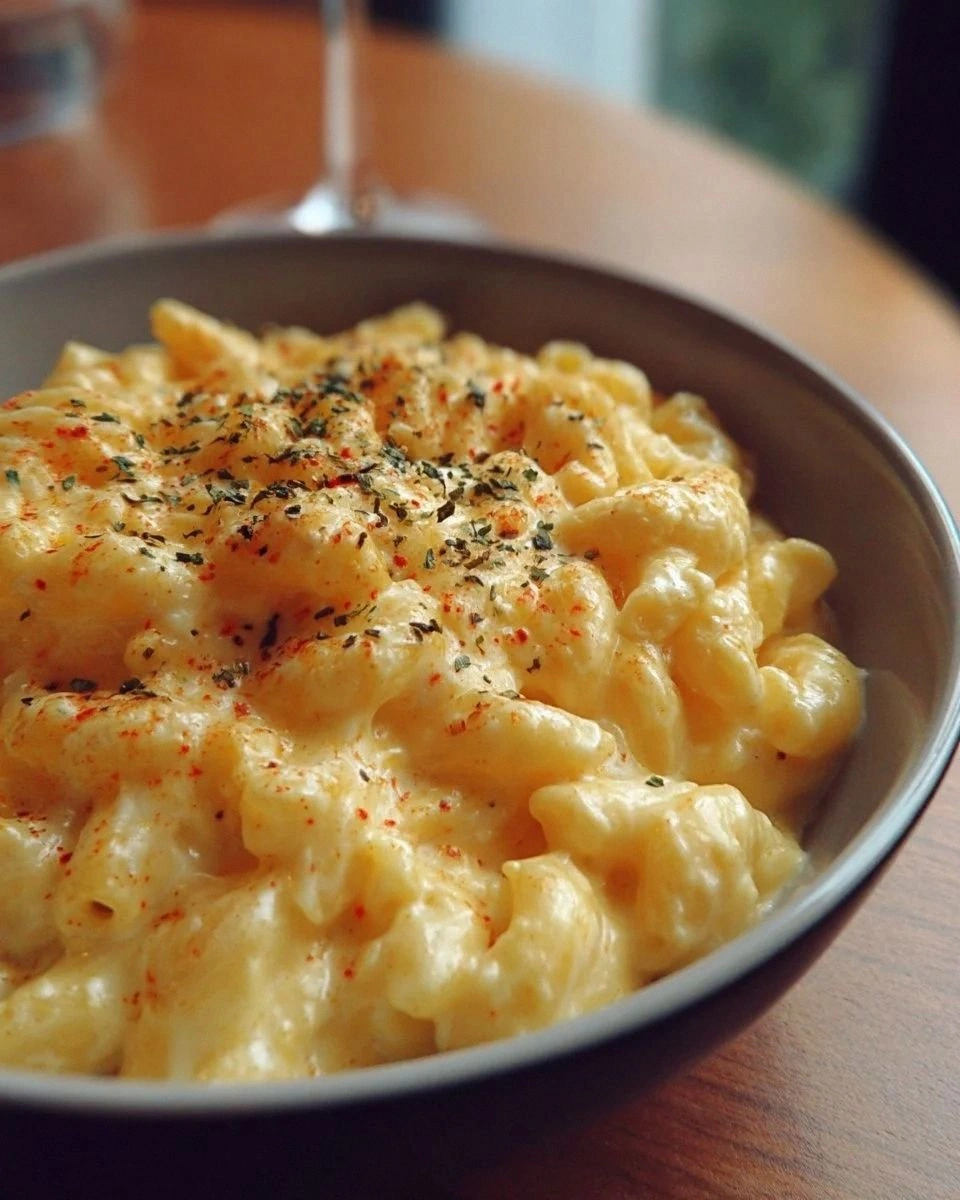
Combine the cooked macaroni with the cheese sauce, tossing until every curve is fully coated. The pasta should look glossy, as if each piece is wearing a silky coat. If the mixture feels too thick, add a splash of the saved pasta water—this will loosen it without sacrificing creaminess.
Preheat your oven to 375°F (190°C). Transfer the mac and cheese to a greased 9‑inch baking dish. In a small bowl, mix breadcrumbs with a tablespoon of melted butter until they’re lightly coated. Sprinkle the breadcrumb mixture evenly over the top, then scatter a handful of chopped parsley for color.
Watch Out: Do not over‑bake; 20‑25 minutes is enough. Over‑baking will dry out the sauce and turn the breadcrumbs into charcoal.Slide the dish into the oven and bake for 20‑25 minutes, or until the top is a deep golden brown and the edges are bubbling. You’ll hear a gentle crackle as the cheese caramelizes—listen for it, that’s the sound of flavor forming. Once done, let the casserole rest for 5 minutes; this allows the sauce to set, making serving easier and preventing a watery mess.
Serve hot, garnish with an extra sprinkle of parsley if you like, and watch your guests dive in without hesitation. I dare you to taste this and not go back for seconds; the creamy interior and crunchy crown are addictive. And now the fun part—pair it with a crisp green salad or a glass of chilled white wine for a balanced meal.
Insider Tricks for Flawless Results
The Temperature Rule Nobody Follows
Never add cheese to a scorching hot sauce; drop the heat to low before introducing the shredded cheese. This prevents the proteins from tightening too quickly, which would cause a grainy texture. I once tried adding cheese at full boil and ended up with a sauce that resembled curdled milk—let’s just say my family wasn’t impressed. Keep the temperature gentle, and the cheese will melt into a smooth, velvety river.
Why Your Nose Knows Best
Your sense of smell is a more reliable indicator of doneness than a timer. When the roux turns a light amber and you can smell a faint toasted flour note, you know the base is ready. Later, as the cheese melts, a buttery, slightly caramelized aroma signals that the sauce has reached its peak. Trust those olfactory cues; they’ll save you from under‑ or over‑cooking.
The 5‑Minute Rest That Changes Everything
After pulling the casserole from the oven, let it sit uncovered for exactly five minutes. This short rest allows the sauce to thicken and the breadcrumbs to set, preventing a soggy bottom. A friend once tried to serve it immediately and ended up with a soupy mess—lesson learned. Patience here is the secret to a clean slice and a perfect bite.
Butter‑Infused Breadcrumbs
Instead of plain breadcrumbs, toss them with melted butter and a pinch of garlic powder before sprinkling on top. This tiny step adds a buttery crunch that makes the crust sing. I tried a version without butter once, and the topping was disappointingly dry—nothing beats that golden, melt‑in‑your‑mouth texture.
The Pasta‑Water Rescue
If your sauce looks too thick before baking, rescue it with a splash of the reserved pasta water. The starches in the water act as a natural thickener, helping the sauce cling to the pasta without becoming gummy. This trick is a lifesaver on those days when the sauce decides to set up too quickly.
Creative Twists and Variations
This recipe is a playground. Here are some of my favorite ways to switch things up:
Smoky Bacon Blast
Crumble cooked bacon and fold it into the sauce before baking. The smoky, salty crunch pairs beautifully with the creamy cheese, making it a hit for brunch or dinner.
Spicy Jalapeño Kick
Add diced jalapeños or a dash of hot sauce to the cheese mixture for a subtle heat that wakes up the palate without overwhelming the cheese.
Herb‑Infused Delight
Swap parsley for fresh thyme and rosemary, and stir in a tablespoon of chopped fresh basil just before serving. The herbaceous notes add freshness that balances the richness.
Veggie‑Loaded Version
Stir in steamed broccoli florets, roasted red peppers, or sautéed mushrooms for added texture and nutrition. The veggies absorb the sauce, turning every bite into a flavorful surprise.
Truffle‑Infused Luxury
Drizzle a teaspoon of truffle oil over the top before baking for an indulgent, earthy aroma that elevates the dish to fine‑dining status.
Storing and Bringing It Back to Life
Fridge Storage
Let the casserole cool completely, then cover tightly with foil or plastic wrap. It will keep in the refrigerator for up to 4 days. Reheat in a 350°F oven for 15‑20 minutes, covered with foil to retain moisture.
Freezer Friendly
Portion the uncooked mac and cheese into freezer‑safe containers, leaving room for expansion. Freeze for up to 3 months. When ready, thaw overnight in the fridge, then bake as directed, adding an extra 5‑10 minutes to the bake time.
Best Reheating Method
Add a tiny splash of milk (about 2‑3 tablespoons) before reheating in the microwave or oven; this steams the sauce back to its original creaminess. Stir halfway through to ensure even heating, and finish with a quick broil for a refreshed crunchy top.