There are moments in life when the universe conspires to create something magical out of what feels like utter chaos. Picture this: it was a Tuesday night that refused to cooperate, my fridge held nothing but a sad-looking chuck roast and some onions that had seen better days, and I was supposed to bring a dish to a potluck in eight hours. My crockpot sat on the counter like a judgmental oracle, knowing full well that I'd been relying on takeout for far too long. But here's where the story takes a delicious turn — what started as a desperate attempt to salvage dinner became the most requested recipe in my arsenal, the dish that made my neighbor ask (quite seriously) if I'd consider catering her wedding.
As I stood there in my kitchen, the cold tile beneath my bare feet, I could smell the onions beginning to caramelize in the pan — that sweet, almost haunting aroma that signals something extraordinary is about to happen. The chuck roast, which I'd seasoned with nothing more than salt and pepper, was developing this gorgeous mahogany crust that made my stomach growl despite the late hour. But here's where I went rogue instead of following any sensible recipe path. I grabbed that bottle of white wine I'd been saving for a special occasion, tossed in a handful of herbs from my neglected garden, and thought, "What if I make this into a pasta dish?" The result? Pure, unadulterated comfort food that tastes like someone wrapped you in a cashmere blanket and told you everything would be okay.
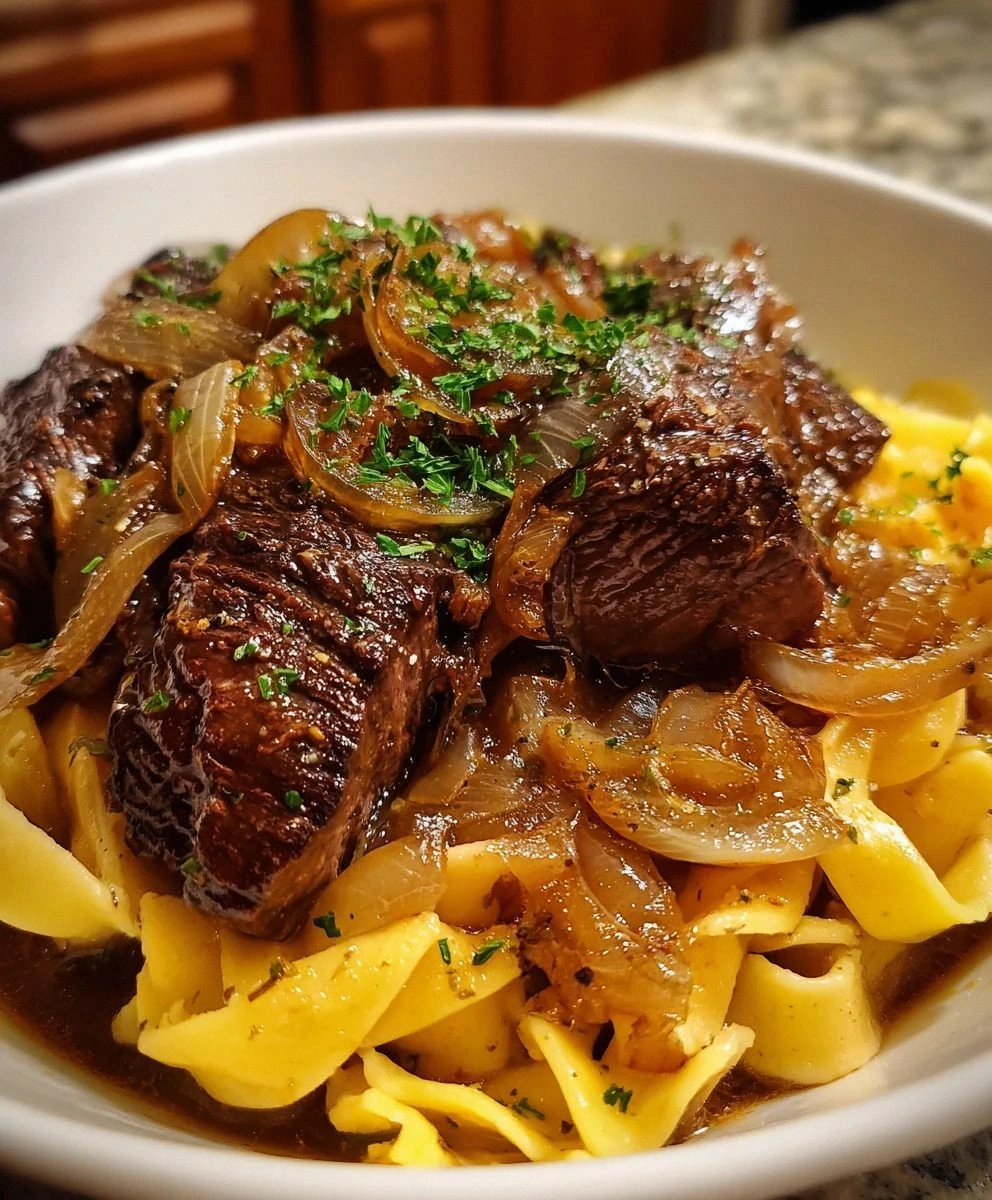
What makes this recipe absolutely bonkers-good is how it transforms humble ingredients into something that tastes like it came from a Michelin-starred bistro. The onions melt down into this jammy, sweet-savory base that mingles with the beef juices to create a sauce so rich and complex, you'll swear there's a secret ingredient you're missing. But here's the kicker — there isn't. It's just good cooking, patience, and the magic that happens when you let time do most of the work. The pasta soaks up all those glorious flavors like little edible sponges, while the optional (but highly recommended) cheese melts into stringy, golden perfection that makes everyone at the table involuntarily close their eyes in bliss.
I've tested this recipe on the pickiest eaters I know — the friend who claims she "doesn't like onions" (she licked her plate clean), the nephew who only eats chicken nuggets (requested seconds), and my Italian neighbor who swore no American could make a decent pasta dish (asked for the recipe). The beauty lies in its deceptive simplicity. It looks like a regular pot roast, smells like French onion soup, and eats like the most luxurious pasta dish you've ever encountered. Let me walk you through every single step — by the end, you'll wonder how you ever made it any other way.
What Makes This Version Stand Out
Flavor Bomb: This isn't your average pot roast swimming in bland gravy. We're talking about a concentrated, restaurant-quality sauce that develops over hours of gentle cooking, where every ingredient contributes its maximum potential. The onions don't just cook — they transform into a silky, caramelized base that's the foundation of everything wonderful about this dish.
One-Pot Wonder: Despite tasting like you spent all day slaving over multiple pans, everything except the final pasta step happens in your trusty crockpot. Set it, forget it, and come home to a house that smells like you've got a personal chef hiding in your kitchen. The cleanup is so minimal, you'll feel like you're getting away with something.
Texture Paradise: Most pasta dishes are one-note mushy affairs, but this one delivers a symphony of textures. The beef falls apart into tender shreds that melt on your tongue, while the noodles maintain just enough bite to remind you they're pasta, not pudding. Those crispy edges on the roast that we sear first? They rehydrate into little pockets of concentrated flavor that surprise you with each bite.
Make-Ahead Magic: This dish actually gets better overnight, making it perfect for busy weeknights or entertaining. The flavors deepen and marry in ways that'll make you grateful for leftovers. I've made this on Sunday and served it on Wednesday, and my family swore it was even more delicious the second time around.
Ingredient Integrity: Every single component matters here, from the quality of your beef to the wine you choose. But here's the beautiful truth — even if you use the cheapest ingredients available, this recipe makes them taste like a million bucks. It's like having a fairy godmother for your grocery budget.
Presentation Wow-Factor: When you serve this, people will think you attended culinary school. The golden cheese melts into the pasta, creating those Instagram-worthy cheese pulls that make everyone grab their phones before their forks. It's comfort food that looks sophisticated enough for company.
Customizable Canvas: Once you master the base recipe, you can play with it endlessly. Swap the herbs, change up the cheese, add mushrooms or other vegetables — it becomes your signature dish that evolves with your mood and pantry contents.
Alright, let's break down exactly what goes into this masterpiece...
Inside the Ingredient List
The Flavor Foundation
Beef chuck roast is the undisputed hero here, and please don't try to substitute with a leaner cut thinking you're being virtuous. You need all that beautiful marbling and connective tissue that breaks down into gelatin, creating the luxurious mouthfeel that makes this dish unforgettable. When you're selecting your roast at the store, look for one with plenty of white fat running through the meat like marble — that's where the flavor lives. A three to four-pound roast feeds six generously, but I always make extra because the leftovers are pure gold for sandwiches, tacos, or just straight out of the container at midnight.
Yellow onions are your aromatic backbone, and they need to be treated with respect. Slice them thick — we're talking half-moons about a quarter-inch wide — because they'll cook down to almost nothing, and you want those sweet, jammy strands running through your pasta. The slow cooking process transforms their sharp bite into something almost honey-like, creating the "French onion" element that makes this dish sing. I've tried this with sweet onions, red onions, even shallots, but yellow onions deliver the perfect balance of sweetness and depth that we're after.
The Aromatic Enhancers
Garlic might seem like a supporting player, but it provides those high, bright notes that keep the dish from feeling heavy and one-dimensional. I use a whole head — yes, you read that right — because slow cooking tames garlic's aggressive bite and turns it into something sweet and mellow. Smash the cloves with the flat of your knife, peel them, and toss them in whole. They'll practically melt into the sauce, leaving behind their essence without any harshness. Your breath might not thank you, but your taste buds absolutely will.
Dried thyme and rosemary are the herbs that make this taste like it came from a French countryside kitchen. The key is using dried herbs, not fresh, because they release their oils slowly during the long cooking process. Fresh herbs would turn bitter and lose their potency, but dried ones bloom and develop complexity. The thyme adds an earthy, slightly lemony note, while the rosemary brings that piney, almost forest-like quality that pairs beautifully with beef. If you only have one, go with thyme — it's more forgiving and essential to the flavor profile.
The Liquid Gold
Beef broth forms the base of our sauce, but not all broths are created equal. Skip the canned stuff if possible and go for the cartons of low-sodium broth — you want to control the salt level yourself. Better Than Bouillion dissolved in hot water is my secret weapon when I don't have homemade stock. The concentrated paste delivers deeper flavor than most boxed broths, and you can adjust the strength to your liking. Whatever you choose, warm it up before adding it to the crockpot — cold liquid shocks the meat and slows down the cooking process.
Dry white wine is where we start breaking the rules of traditional pot roast, and trust me, this is where the magic happens. The acidity cuts through the richness of the beef and helps tenderize the meat, while the alcohol carries flavors that water simply can't. Use something you'd actually drink — if you wouldn't sip it, don't cook with it. A crisp Sauvignon Blanc or unoaked Chardonnay works beautifully, but honestly, even that half-bottle of Pinot Grigio that's been lurking in your fridge will do wonders. The alcohol cooks off, leaving behind complexity that makes people ask, "What did you put in this?"
The Unexpected Star
Tomato paste might seem out of place in a French onion-inspired dish, but hear me out. Just one tablespoon adds a subtle sweetness and acidity that balances all the rich, meaty flavors. It also helps thicken the sauce slightly and gives it that beautiful, deep color that makes everything look more appetizing. Don't skip this — it's the difference between a good pot roast and a great one. Let it caramelize on the bottom of the pan when you're searing the beef, scraping up all those gorgeous browned bits that hold concentrated flavor.
Worcestershire sauce is your umami bomb, that mysterious ingredient that makes everything taste more like itself. It's got anchovies, tamarind, vinegar, and a dozen other ingredients that add layers of complexity. Just a few dashes deepen the beef flavor and add that restaurant-quality savoriness that you can't quite put your finger on. If you don't have Worcestershire, a splash of soy sauce will work in a pinch, but Worcestershire really delivers that special something that makes this dish taste like it simmered for days.
The Finishing Touches
Wide egg noodles are the perfect vehicle for all that glorious sauce — their broad surface area catches every drop of the rich gravy, and their eggy flavor pairs beautifully with the beef. Cook them until just shy of al dente because they'll continue cooking when you toss them with the hot sauce. The nooks and crannies of the noodles trap little bits of onion and beef, ensuring every bite is packed with flavor. Plus, they're nostalgic comfort food that makes everyone feel like a kid again, except this time the grown-up version is way better than anything from a can.
Gruyère or Swiss cheese is optional but highly recommended for that authentic French onion soup experience. Gruyère melts into silky, nutty perfection with just the right amount of stretch for those Instagram-worthy cheese pulls. Swiss is more accessible and still delivers that sweet, slightly nutty flavor that complements the onions beautifully. Add it right at the end so it melts into the hot pasta, creating pockets of cheesy goodness throughout. If you're dairy-free, the dish is still spectacular without it — just maybe add a sprinkle of nutritional yeast for that umami depth.
Everything's prepped? Good. Let's get into the real action...
The Method — Step by Step
Pat your chuck roast dry with paper towels like your life depends on it — moisture is the enemy of a good sear. Season it generously on all sides with kosher salt and freshly cracked black pepper, pressing the seasonings into the meat so they stick. Heat olive oil in a heavy skillet over medium-high heat until it shimmers and just starts to smoke. Lay the roast down gently and don't you dare move it for the next 3-4 minutes. That sizzle when it hits the pan? That's the sound of flavor being created. We're building a crust that will add incredible depth to our final dish, those browned bits (fond) that hold concentrated beefy goodness.
While your roast develops its beautiful crust, slice your onions into thick half-moons and try not to cry — or embrace the tears as a sign of culinary dedication. Once the first side of the roast is deeply browned and releases easily from the pan, flip it to sear the other side. Remove the roast to a plate and immediately add your onions to the same pan, scraping up all those gorgeous browned bits. The onions will deglaze the pan, lifting all that flavor into what will become your sauce. Let them cook for about 5 minutes, stirring occasionally, until they start to turn golden at the edges and your kitchen smells like heaven.
Transfer the onions to your crockpot, spreading them in an even layer to create a bed for the roast. Place the seared roast on top of the onions — this allows the meat juices to drip down and flavor the onions while keeping the beef elevated from direct heat. Add the garlic cloves around the roast, letting them fall where they may. They'll slowly melt into the sauce, infusing everything with their sweet, mellow flavor. This is the moment where you can walk away and let time work its magic, but first, we need to build our braising liquid.
In a bowl, whisk together the beef broth, white wine, Worcestershire sauce, and tomato paste until smooth. The tomato paste might resist mixing at first, but keep whisking — it will eventually dissolve and create a beautifully colored liquid. Pour this mixture around (not over) the roast, allowing it to mingle with the onions. Add the dried thyme, rosemary, and bay leaf, tucking them into the liquid so they can slowly release their oils during cooking. The liquid should come about halfway up the sides of the roast — we want to braise, not boil.
Set your crockpot to low and walk away for 8-9 hours — yes, really, that long. This is where the magic happens, where tough connective tissue breaks down into silky gelatin and flavors meld into something greater than the sum of their parts. Resist the urge to peek — every time you lift the lid, you add 30 minutes to your cooking time. The house will fill with an aroma so intoxicating, you'll find yourself checking the clock every hour. When you finally return, the beef should be fork-tender and the sauce thick and rich.
About 30 minutes before you're ready to serve, cook your egg noodles in a large pot of well-salted water. You want the water to taste like the sea — pasta water is your friend, not your enemy. Cook the noodles for 2 minutes less than package directions because they'll continue cooking when tossed with the hot sauce. Before draining, ladle out a cup of the starchy pasta water — it might save your sauce later if it needs thinning. Drain the noodles and immediately toss them with butter while they're still hot, letting it melt and coat every strand.
Remove the roast from the crockpot and place it on a cutting board. It should be so tender that it practically falls apart when you look at it. Using two forks, shred the meat into bite-sized pieces, discarding any large pieces of fat. Return the shredded beef to the crockpot, mixing it with the onions and sauce. This is where you taste and adjust — add salt if needed, or a splash more wine if it tastes flat. The sauce should coat a spoon but not be too thick — remember, it's going to cling to the pasta.
Add the buttered noodles to the crockpot, tossing everything together until the pasta is evenly coated with the sauce. The noodles will absorb some of the liquid and take on that gorgeous color. If the mixture seems dry, add a splash of the reserved pasta water — the starch helps the sauce cling to the noodles. Stir in half the cheese if you're using it, letting it melt into the hot pasta. Serve immediately in shallow bowls, topped with the remaining cheese and a shower of fresh parsley. The cheese will melt into stringy perfection, creating those Instagram-worthy pulls that make everyone reach for their cameras before their forks.
That's it — you did it. But hold on, I've got a few more tricks that'll take this to another level...
Insider Tricks for Flawless Results
The Temperature Rule Nobody Follows
Here's the thing that separates good cooks from great ones — temperature control matters more than you think. When you're searing the roast, the pan needs to be ripping hot, but when you add the onions, you need to drop the heat to medium. Too hot and the onions will burn before they release their sugars, too cool and they'll steam instead of caramelize. The sweet spot is when they start to turn golden at the edges but still hold their shape. And when you add the liquid to the crockpot, it should be warm — not hot, not cold. Room temperature is perfect. This prevents the crockpot from working overtime to come back up to temperature, ensuring even cooking throughout.
Why Your Nose Knows Best
Trust your senses — they know more than any timer. When the roast is perfectly done, your house will smell like the best French bistro you've ever visited. The aroma will be rich and beefy with sweet undertones from the onions. If it smells flat or one-dimensional, it probably needs more time. The onions should have melted down into jammy strands, and the beef should shred easily with just the pressure of a fork. Don't rely solely on cooking times — every crockpot is different, and a 9-year-old appliance will behave differently than a brand new one. When in doubt, give it another 30 minutes on low. This dish is forgiving, and extra time only makes it better.
The 5-Minute Rest That Changes Everything
After you toss the pasta with the sauce, let it sit for exactly 5 minutes before serving. I know, I know — when something smells this good, waiting feels like torture. But here's why it matters: the pasta needs time to absorb the flavors and the sauce needs a moment to thicken slightly as it cools. Those 5 minutes allow the cheese to melt into perfect gooeyness without becoming stringy, and the herbs to bloom and release their final burst of aroma. Plus, it gives you time to set the table, pour some wine, and appreciate what you've created. Your patience will be rewarded with a dish that's at the perfect temperature and texture for maximum enjoyment.
The Seasoning Sweet Spot
Season at three different stages for maximum impact. First, salt the roast generously before searing — this helps create that beautiful crust. Second, taste the sauce after shredding the beef and adjust as needed — the flavors concentrate during cooking, so what tasted perfect at the beginning might need a boost. Third, save some fresh cracked pepper for serving — that bright, spicy hit right at the end wakes up your palate and makes all the other flavors pop. And here's a secret: a tiny splash of acid at the end (lemon juice or vinegar) can make everything taste more like itself. Just a few drops will do it.
Creative Twists and Variations
This recipe is a playground. Here are some of my favorite ways to switch things up:
Mushroom Lover's Dream
Add a pound of cremini mushrooms, quartered, to the crockpot along with the onions. They'll absorb all the beefy flavors and add an earthy depth that mushroom enthusiasts will go crazy for. Use the same technique — let them cook down until they've released their liquid and started to caramelize. The mushrooms add meaty texture and umami punch that makes this even more satisfying. Bonus: the mushrooms release their own liquid, adding even more flavor to the sauce. If you're feeling fancy, use a mix of wild mushrooms like shiitake and oyster for different textures and flavors.
Spicy Southwest Remix
Swap the thyme and rosemary for a tablespoon of chili powder and a teaspoon each of cumin and smoked paprika. Add a diced chipotle pepper in adobo sauce for heat and smokiness. Use pepper jack cheese instead of Gruyère, and finish with a squeeze of lime and some fresh cilantro. The result is a completely different dish that keeps the same comforting texture but delivers Southwestern flavors. It's like French onion soup and chili had a beautiful baby. Serve with cornbread instead of regular bread for the full experience.
Mediterranean Escape
Replace the white wine with dry vermouth and add a teaspoon of herbes de Provence instead of the thyme and rosemary. Throw in a handful of olives during the last hour of cooking, and finish with crumbled feta cheese and fresh oregano. The vermouth adds a botanical note that pairs beautifully with the olives and herbs. Add some sun-dried tomatoes along with the paste for extra Mediterranean flair. This version tastes like summer in Provence, even in the dead of winter.
Low-Carb Comfort
For those watching carbs, serve the beef and sauce over cauliflower rice or zucchini noodles instead of egg noodles. The sauce is so rich and flavorful that you won't miss the pasta. You can also use shirataki noodles — rinse them well and dry them thoroughly before tossing with the sauce. The key is making sure your low-carb base is well-drained so it doesn't water down the sauce. Add extra cheese on top to make up for the missing carbs — nobody will complain about extra cheese.
Beer Lover's Version
Replace the white wine with a dark beer like Guinness or a brown ale. The beer adds malty, caramel notes that complement the beef beautifully. Use a bit less broth since beer has more body than wine. The result is richer, deeper flavors that beer enthusiasts will love. Add some crispy bacon bits at the end for extra indulgence. This version is perfect for game day or any time you want that pub-grav comfort food vibe.
Elegant Dinner Party
Use a beef tenderloin instead of chuck roast (adjust cooking time down to 4-5 hours on low), and add a cup of heavy cream during the last 30 minutes for a luxurious stroganoff-like sauce. Use pappardelle pasta instead of egg noodles for a more sophisticated presentation. Finish with truffle oil and fresh chives. This version is company-worthy but still has that comforting, home-cooked feel. It's what you serve when you want to impress without looking like you're trying too hard.
Storing and Bringing It Back to Life
Fridge Storage
This dish stores beautifully in the refrigerator for up to 4 days, making it perfect for meal prep. Let it cool completely before transferring to airtight containers — I like to use glass containers with tight-fitting lids because they don't absorb odors and you can see what's inside. Store the pasta and sauce together or separately, depending on your preference. Together, they continue to marry and develop flavor, but the pasta will absorb more liquid and become softer. If you like your pasta with more bite, store them separately and combine when reheating. Always refrigerate within 2 hours of cooking to prevent bacterial growth.
Freezer Friendly
This recipe freezes exceptionally well, but with a caveat — freeze the beef and sauce together, but cook fresh pasta when you're ready to serve. The sauce and beef will keep in the freezer for up to 3 months. Let it cool completely, then portion into freezer-safe containers or heavy-duty freezer bags. Remove as much air as possible to prevent freezer burn. Label with the date and contents — trust me, three months from now you'll have no idea what that mystery container holds. Thaw overnight in the refrigerator for best results, though you can use the defrost setting on your microwave in a pinch. The sauce may separate slightly upon thawing, but a good stir while reheating will bring it back together.
Best Reheating Method
The key to reheating this dish is adding moisture back — pasta always absorbs liquid as it sits. For refrigerated portions, add a splash of broth or water (about 2 tablespoons per serving) before microwaving or reheating on the stove. Cover and heat on medium power in the microwave, stirring every minute, until hot throughout. On the stove, use low heat and stir frequently to prevent scorching. If you're reheating from frozen, thaw first for best results, then proceed as above. Add fresh cheese when serving for that just-made taste and texture. A quick stint under the broiler can revive the cheese and give you those crispy edges that make everyone fight over the corners.