Picture this: I'm standing in a cramped kitchen, a burnt casserole plate in front of me, and a friend challenges me to create something that tastes like a Michelin‑star restaurant but is still a Sunday night dinner. The heat was so high that my oven rack looked like a sun‑bleached parking lot, and I was already thinking of the disaster that was about to unfold. I stared at the list of pantry staples and realized that a simple idea could turn that culinary catastrophe into a showstopper. That moment sparked the birth of Crunchy Maple Dijon Chicken, a dish that marries sweet maple, sharp Dijon, and a crunchy coating that will make your taste buds do a happy dance.
From the first sizzling pan to the final garnish, the aroma of maple and mustard wafting through the kitchen is like a warm hug that says, “You made it.” I can still hear the crackle of the coating as it turns golden, the sound that tells me I’m on the right track. The contrast between the crispy exterior and the juicy interior is a sensory roller coaster that I want you to experience. And the best part? The recipe is so straightforward that even a kitchen rookie can pull it off without a hitch.
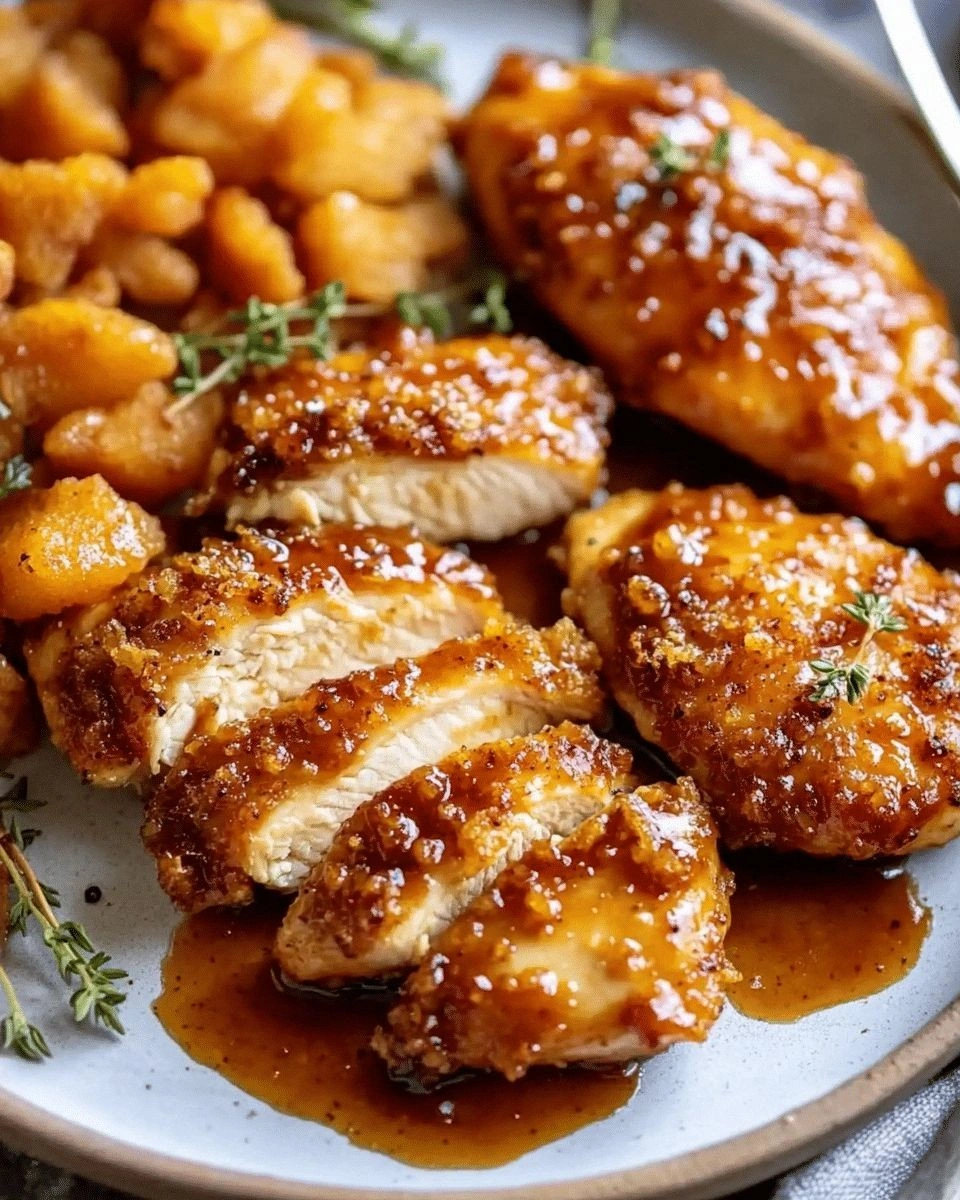
Why does this version stand out? Because it isn’t just about flavor—it's about texture, presentation, and that moment when everyone in the house says, “Where did you learn this?” The maple glaze caramelizes into a glossy, slightly sticky coat that clings to each bite, while the Dijon adds a subtle piquancy that cuts through the sweetness. The panko breadcrumbs give a crunch that shatters like thin ice, and the herbs bring a fresh, aromatic finish. It's the kind of dish that transforms a simple dinner into a conversation starter.
I also discovered a secret ingredient that most recipes overlook: a splash of lemon juice that brightens the entire dish. That bright note lifts the maple's richness and keeps the chicken from feeling heavy. I dare you to taste this and not go back for seconds; the combination of sweet, tangy, and savory will have you craving more. Let me walk you through every single step—by the end, you'll wonder how you ever made it any other way.
What Makes This Version Stand Out
- Taste: The maple and Dijon create a harmonious balance that feels both comforting and sophisticated. The glaze caramelizes to a glossy finish that coats the chicken like velvet, leaving a lingering sweet aftertaste. This contrast makes the dish memorable and shareable.
- Texture: The panko coating delivers a crunch that snaps with each bite, while the inside remains tender and juicy. The buttery butter in the pan adds a subtle richness that elevates the whole experience. The result is a delightful contrast that keeps diners coming back for more.
- Presentation: A glossy maple glaze gives the dish a professional sheen that looks as good as it tastes. The sprinkle of fresh herbs adds a pop of color, turning a simple plate into a work of edible art. This visual appeal makes it a perfect centerpiece for dinner parties.
- Speed: From prep to plate, the entire process takes less than an hour. Even those pressed for time can enjoy a restaurant‑quality meal without the stress of a complicated recipe. The quick sear and bake steps keep the kitchen efficient and the flavors intact.
- Versatility: Whether you’re cooking for a crowd or a cozy night in, the recipe scales up or down with ease. The flavor profile can be tweaked with spice, herbs, or a different sweetener to suit your taste buds. This adaptability makes it a staple in any kitchen.
- Healthful Twist: By using lean chicken and a modest amount of oil, the dish stays relatively light while still delivering bold flavor. The maple glaze uses natural sweetness instead of refined sugars, and the panko adds texture without extra fat. This balanced approach keeps you satisfied without guilt.
- Make‑Ahead Friendly: Marinate the chicken ahead of time, bake it fresh, and reheat with a splash of water for a quick meal later. The glaze’s thickening properties ensure it stays glossy even after refrigeration. This convenience factor turns it into a go-to for busy weeknights.
- Audience Appeal: From kids who love the sweet glaze to adults who appreciate the savory kick, the dish satisfies a wide range of palates. The crunchy texture adds a playful element that makes it a hit at family gatherings. Everyone leaves the table feeling delighted.
Inside the Ingredient List
The Flavor Base
All‑purpose flour is the unsung hero that creates a smooth, cohesive coating that holds the maple glaze in place. Without it, the sauce would run off the chicken, leaving a sticky mess on the pan. Using a light hand keeps the coating from becoming heavy, allowing the natural juices to shine through. If you skip the flour, you’ll end up with a wet, soggy chicken that loses the signature crunch.
Maple syrup provides natural sweetness and a distinctive depth that can’t be replicated by refined sugar. Its caramel undertones enhance the Dijon, creating a complex flavor profile that lingers on the tongue. A high‑quality maple syrup also offers subtle notes of caramel and toasted nuts, adding a layer of sophistication. If you’re in a pinch, honey can work, but the flavor will shift toward floral.
Dijon mustard is the secret that ties the sweet and savory together. Its sharp, tangy bite cuts through the richness of the maple glaze, preventing the dish from feeling cloying. Dijon’s fine grains allow the sauce to coat the chicken evenly, creating a uniform flavor in every bite. If you prefer a milder version, whole‑grain mustard can be used, but it will add a rustic texture.
The Texture Crew
Panko breadcrumbs are the cornerstone of the dish’s iconic crunch. Their airy, flaky structure melts into a crisp shell that snaps with each bite, providing a satisfying contrast to the tender interior. When combined with a light dusting of flour, panko forms a barrier that locks in moisture, ensuring juicy chicken beneath. Skipping panko would result in a flat, bland coating that lacks the signature crunch.
Garlic powder and fresh minced garlic elevate the savory depth of the sauce. Garlic’s bold, aromatic profile enhances the maple glaze, creating a complex flavor that lingers. The powder offers a consistent, mellow taste, while the fresh cloves bring a bright, pungent kick. If you’re allergic to garlic, you can omit it, but the dish will lose a layer of flavor.
Leeks and thyme add an herbal brightness that lifts the overall profile. The subtle earthiness of thyme pairs beautifully with the sweet maple, while the lemon zest injects a citrusy lift that brightens the glaze. These herbs also add visual appeal, creating a pop of green that makes the dish more appetizing. If you’re out of thyme, rosemary or oregano can serve as a suitable substitute.
The Unexpected Star
Maple syrup’s unique composition includes a blend of sugars that caramelize at a lower temperature, creating a glossy sheen that’s hard to replicate with other sweeteners. This characteristic not only enhances the dish’s visual appeal but also contributes to a melt‑in‑your‑mouth texture. The syrup’s natural antioxidants also provide a subtle health benefit, making the dish a more wholesome option.
Cornstarch serves as a thickening agent for the glaze, giving it a silky consistency that clings to the chicken. Its neutral flavor allows the maple and Dijon to shine, while its thickening power ensures the sauce doesn’t run off the meat. If you’re gluten‑free, a cornstarch substitute like arrowroot powder can be used with the same effect.
The Final Flourish
Grated Parmesan cheese adds a nutty, umami boost that complements the sweet glaze. The cheese melts into the sauce, creating a richer, more complex flavor profile. A sprinkle of Parmesan before serving also adds a savory contrast to the maple’s sweetness. If you’re lactose intolerant, a dairy‑free cheese alternative can be used, though the flavor will be slightly altered.
Chopped walnuts or pecans provide a nutty crunch that pairs wonderfully with the maple glaze. Their earthy undertones add depth to the dish, while the crunch adds an extra layer of texture. Using nuts also introduces healthy fats, making the dish more balanced. If you’re allergic to nuts, simply omit them for a cleaner flavor.
Fresh parsley or cilantro offers a bright, herbal finish that cuts through the richness of the glaze. The herb’s subtle bitterness balances the sweetness, creating a harmonious finish. A sprinkle of fresh herbs also adds color, making the dish more visually appealing. If you’re out of parsley, basil or mint can serve as a suitable alternative.
Everything’s prepped? Good. Let’s get into the real action.
The Method — Step by Step
- Preheat your oven to 400°F (200°C). Pat the chicken breasts dry with paper towels to ensure a crisp coating. Season each piece generously with salt, pepper, garlic powder, and a pinch of cayenne for a subtle heat. Let the seasoned chicken sit for five minutes to absorb the flavors before moving on.
- In a shallow dish, combine one cup of all‑purpose flour, one cup of panko breadcrumbs, and a teaspoon of salt. Stir until the mixture is evenly distributed. This dry coat will lock in moisture and create a crunchy shell that holds the glaze in place.
- Dredge each chicken breast in the flour mixture, shaking off excess. For an extra thick coating, dip the chicken back into the flour mixture before placing it in the skillet. This double‑dredge trick ensures a robust crunch that doesn’t crumble during cooking.
- Heat two tablespoons of olive oil and one tablespoon of butter in a large, oven‑proof skillet over medium‑high heat. Once the butter foams, add the chicken breasts skin‑side down. Sear for 4–5 minutes until the coating turns golden and the edges start pulling away from the pan. Flip and sear the other side for an additional 3 minutes.
- While the chicken sears, whisk together one tablespoon of Dijon mustard, one quarter cup of maple syrup, two tablespoons of fresh lemon juice, one teaspoon of lemon zest, one tablespoon of chopped thyme, a pinch of cayenne, and one quarter cup of chicken broth. This mixture will become the glossy, tangy glaze that defines the dish.
- Pour the glaze over the seared chicken, ensuring each piece is coated. Let the sauce simmer for 2–3 minutes, stirring occasionally, until it thickens and coats the chicken like a glossy coat. The aroma should be sweet, tangy, and buttery, signaling that the glaze is ready.
- Transfer the skillet to the preheated oven. Bake for 12–15 minutes, or until the chicken reaches an internal temperature of 165°F (74°C). The coating should be crisp, and the sauce should have a deep caramelized color.
- Remove the skillet from the oven and let the chicken rest for five minutes. This short rest allows the juices to redistribute, ensuring every bite is moist and flavorful. While the chicken rests, sprinkle grated Parmesan, chopped walnuts, and a final pinch of fresh parsley over the top for an extra burst of flavor.
- Slice the chicken against the grain to expose the juicy interior. Serve immediately with a side of buttery mashed potatoes or a crisp green salad to balance the richness. The dish should feel like a comforting hug with a surprising crunch.
That's it — you did it. But hold on, I've got a few more tricks that'll take this to another level.
Insider Tricks for Flawless Results
The Temperature Rule Nobody Follows
Many cooks overheat the skillet, causing the glaze to burn before the chicken cooks through. The secret is to start on medium‑high for the sear and then reduce to medium when adding the glaze. This gentle heat allows the sauce to caramelize slowly, preventing bitterness while keeping the chicken juicy.
Why Your Nose Knows Best
Trust the aroma. When the glaze reaches a deep amber hue and smells like toasted maple, it’s ready to coat the chicken. If it still smells raw or overly sweet, give it a minute more on low heat. Your nose is the best judge of flavor balance.
The 5‑Minute Rest That Changes Everything
After baking, let the chicken rest for exactly five minutes. This brief pause allows the juices to redistribute, preventing a dry exterior. The rest also gives the glaze a chance to thicken slightly, creating a glossy finish that clings to each bite.
Fresh Herbs Make a Difference
Adding thyme or rosemary at the very end of baking releases their aromatic oils, giving the dish a fragrant finish. Toss the herbs with a splash of olive oil and sprinkle them over the chicken just before serving. The fresh scent instantly elevates the meal.
Crunchy Alternatives
If you prefer a nutty crunch over panko, try crushed almonds or toasted coconut flakes. These alternatives give a different texture and a subtle nutty flavor that pairs well with maple. Just adjust the quantity to maintain the coating’s thickness.
Low‑Calorie Swap
Use a non‑stick skillet and a light spray of oil instead of butter to reduce calories without sacrificing flavor. The coating will still crisp up, and the glaze will cling beautifully. This tweak is great for those watching their intake.
Creative Twists and Variations
This recipe is a playground. Here are some of my favorite ways to switch things up:
Smoky Chipotle
Incorporate a teaspoon of chipotle powder into the glaze for a smoky, spicy kick that pairs beautifully with the maple sweetness. The heat balances the sweet glaze, creating a complex flavor profile that’s perfect for adventurous palates.
Sweet and Spicy
Add a pinch of crushed red pepper flakes to the coating mix. The mild heat complements the maple glaze, providing a subtle contrast that keeps the dish exciting. This version is great for those who love a little heat in their meals.
Herb‑Infused
Swap thyme for dried oregano or fresh basil to create a Mediterranean twist. The herb’s distinct flavor changes the dish’s character while maintaining the maple’s sweet backbone.
Nutty Crunch
Replace panko with chopped pecans or walnuts in the coating. The nutty crunch adds a new layer of texture and a subtle earthy sweetness that pairs wonderfully with the maple glaze.
Low‑Carb Alternative
Use almond flour instead of all‑purpose flour and replace panko with crushed pork rinds. This version reduces carbs dramatically while preserving the crunchy texture and rich flavor.
Vegan Take
Swap chicken for seared tempeh or marinated seitan. Marinate the protein in the maple glaze for at least 30 minutes before baking to ensure deep flavor penetration.
Storing and Bringing It Back to Life
Fridge Storage
Store the cooked chicken in an airtight container for up to four days. Keep the glaze separate in a small jar; it can be poured over the chicken just before serving to refresh the flavor. The coating remains crisp if stored in a single layer.
Freezer Friendly
Freeze the chicken in a single layer on a parchment‑lined tray before transferring to a freezer bag. It stays good for up to three months. Thaw overnight in the refrigerator, then reheat with a splash of water to keep the glaze moist.
Best Reheating Method
Reheat in the oven at 350°F for 10–12 minutes, or until the internal temperature reaches 165°F. Add a teaspoon of water to the pan before reheating to create steam, which prevents the coating from becoming dry. Finish with a quick broil if you want to re‑crisp the surface.