I’ll be honest — I ate half the batch before anyone else got to try it, and that’s because this version of Thai Chicken Satay is an absolute game‑changer. It all started on a rainy Tuesday when my oven decided to act like a lukewarm sauna, my friends were begging for something “exotic,” and I had a lone bag of chicken thighs staring at me like a dare. I tossed them into a bowl, splashed in coconut milk, and added a secret combo of curry powders and red paste that would make a Bangkok street vendor nod in approval. The kitchen filled with a perfume that was part sweet, part smoky, and part “I’m about to become the hero of the night.” If you’ve ever struggled with bland satay that tastes like boiled chicken, you’re not alone — and I’ve got the fix.
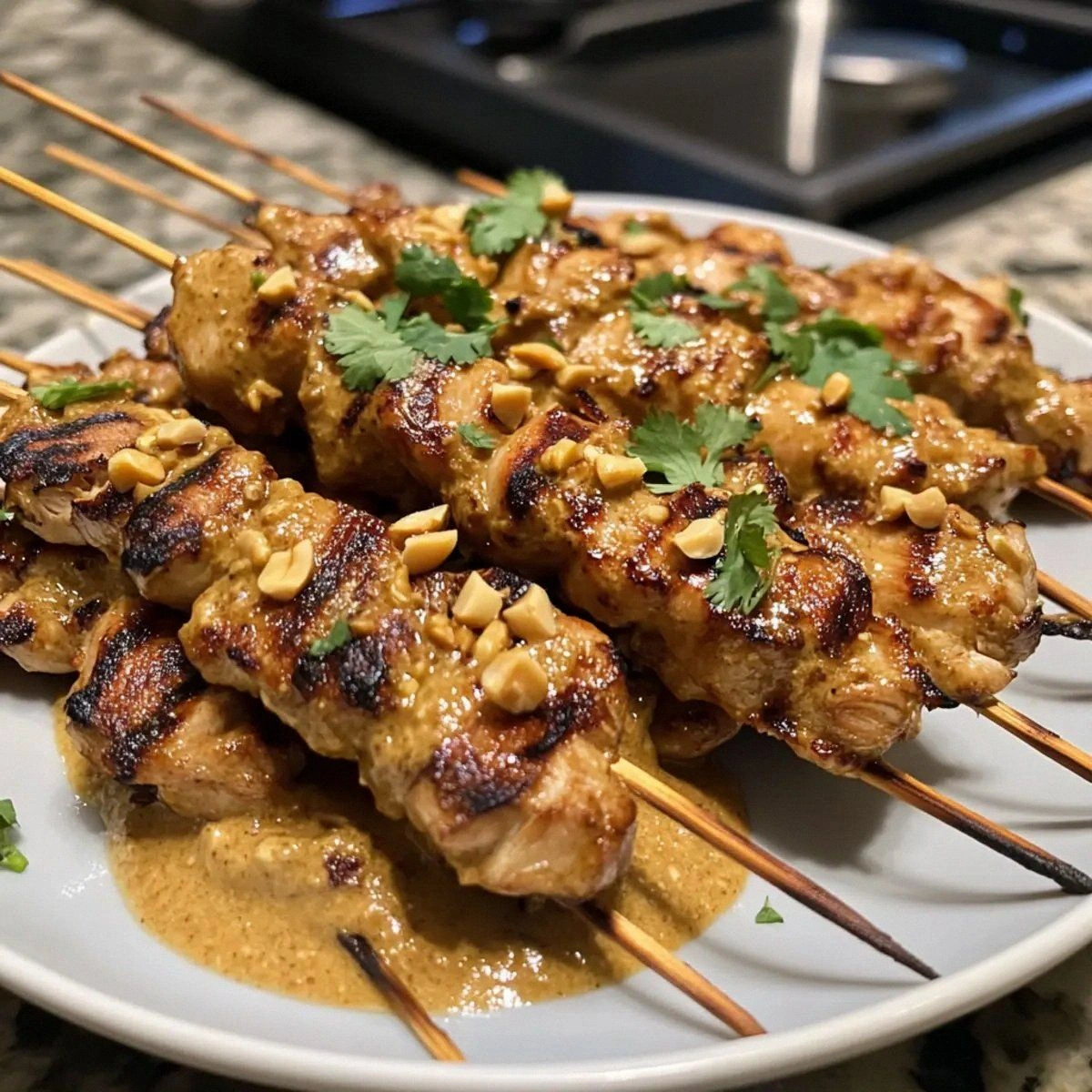
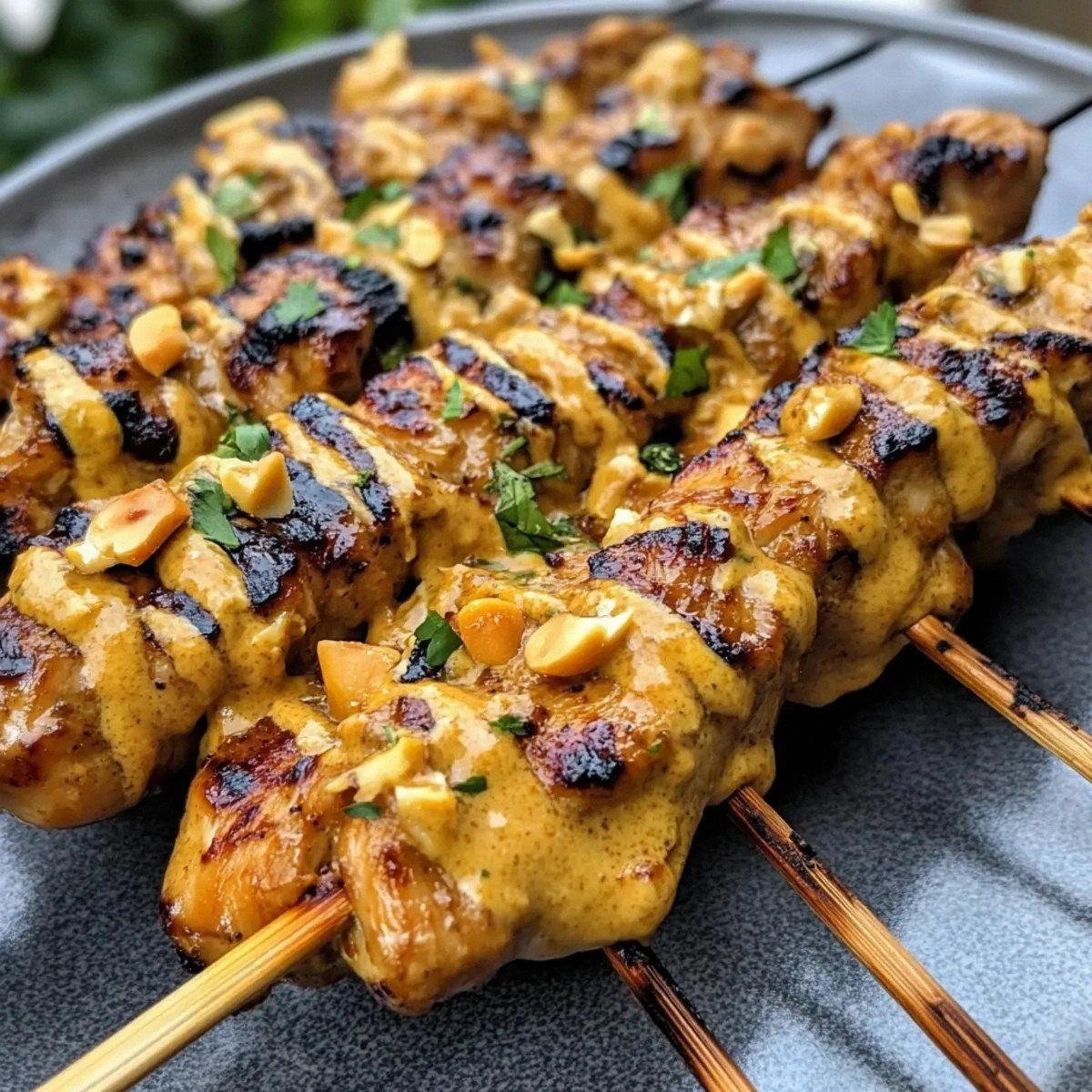
Picture yourself pulling these skewers from the grill, the whole kitchen smelling incredible, the caramelized edges shimmering with a glossy peanut glaze that clings like velvet. The first bite? A perfect balance of creamy, nutty, and just‑the‑right‑kick of red curry heat that makes your taste buds do a happy dance. Most recipes get this completely wrong by drowning the chicken in a watery sauce or over‑cooking the meat until it’s dry as a desert. Here’s what actually works: a quick marination in coconut milk that keeps the thighs juicy, a high‑heat grill that creates those coveted char lines, and a peanut sauce thickened with natural peanut butter and a splash of cider vinegar for brightness.
I dare you to taste this and not go back for seconds. The sauce is so indulgent it feels like a dessert topping, yet it never overpowers the delicate chicken. And the best part? You can prep the sauce days in advance, store it in the fridge, and the flavors only get better, like a fine wine. This is hands down the best version you’ll ever make at home, and I’m about to walk you through every single step — by the end, you’ll wonder how you ever made it any other way.
Okay, ready for the game‑changer? I’m about to reveal a technique that most home cooks skip: a quick flash‑sear of the chicken in a hot pan before it hits the grill, sealing in juices and creating a flavor‑locking crust. This next part? Pure magic. Stay with me here — this is worth it.
What Makes This Version Stand Out
- Taste: The marriage of coconut milk, red curry paste, and a splash of dark soy sauce creates a depth that sings louder than a karaoke night in Bangkok.
- Texture: Charred, slightly crisp edges on the chicken contrast with a sauce that coats the meat like a silky blanket.
- Simplicity: Only thirteen ingredients, all pantry‑friendly, yet each one plays a starring role.
- Uniqueness: The double dose of red curry paste (both tsp and tbsp) layers heat without burning.
- Crowd Reaction: Expect an immediate “wow” followed by a chorus of “again, again!” from every guest.
- Ingredient Quality: Coconut milk at 400 g gives richness without excess fat, while smooth peanut butter provides a buttery mouthfeel.
- Cooking Method: A two‑stage heat (pan‑sear then grill) guarantees juiciness and perfect grill marks.
- Make‑Ahead Potential: The peanut sauce can be made up to 48 hours ahead, letting the flavors meld like a secret society.
Alright, let's break down exactly what goes into this masterpiece…
Inside the Ingredient List
The Flavor Base
Coconut milk (400 g) is the liquid gold that tenderizes the chicken while imparting a subtle sweetness. It also acts as a carrier for the curry powder and red curry paste, ensuring every bite is uniformly seasoned. If you skip it, expect dry, bland meat that will scream for moisture. For a dairy‑free twist, you could swap half the coconut milk with almond milk, but the authentic richness will diminish.
The Heat Crew
Red curry paste appears twice: 2 tsp for the marinade and 2 tbsp for the sauce. This double‑dose builds a layered heat profile that’s bold yet not overwhelming. The 1 tbsp curry powder adds an earthy backbone, while the dark soy sauce (2 tsp) introduces umami depth. If you’re sensitive to spice, reduce the second addition to 1 tbsp and add a splash of lime juice for brightness.
The Sweet & Salty Balance
White sugar shows up in both the marinade (1 tsp) and the sauce (¼ cup). The small amount in the marinade balances the salt (1 tsp) and the acidity from cider vinegar (2 tbsp). In the sauce, the larger sugar portion (¼ cup) caramelizes slightly when heated, creating that glossy sheen. If you prefer a less sweet profile, halve the sugar in the sauce and add a pinch of smoked paprika for depth.
The Peanut Powerhouse
Natural smooth peanut butter (¾ cup) is the heart of the sauce, delivering a creamy, nutty foundation that binds the other flavors. It also helps thicken the sauce without the need for cornstarch. If you have a peanut allergy, try almond butter, but expect a slightly different flavor note. A pro tip: stir the peanut butter in a warm water bath before mixing; it becomes pourable and integrates more seamlessly.
The Final Flourish
Cider vinegar (2 tbsp) adds a tang that cuts through the richness, while the remaining ¾ cup water ensures the sauce stays pourable. The water also helps regulate the sauce’s temperature, preventing the peanut butter from scorching. If you’re aiming for a thicker dip, reduce the water by half and let the sauce simmer a minute longer. Finally, a pinch of extra salt (optional) can be added right before serving to brighten the flavors.
Everything's prepped? Good. Let's get into the real action…
The Method — Step by Step
Start by cutting the chicken thighs into uniform 1‑inch cubes; uniformity ensures even cooking. Toss the pieces in a bowl with 400 g coconut milk, 1 tbsp curry powder, 2 tsp red curry paste, 1 tsp white sugar, and 1 tsp kosher salt. Let the mixture marinate for at least 30 minutes, but if you have the time, a 2‑hour soak will let the flavors penetrate deeper. The coconut milk will start to thicken slightly, coating each piece like a silky veil. This is the moment where the chicken absorbs the future‑proof flavor base.
While the chicken marinates, prepare the peanut sauce. In a medium saucepan, combine ¾ cup smooth peanut butter, ¼ cup white sugar, 2 tbsp red curry paste, 2 tsp dark soy sauce, and 2 tbsp cider vinegar. Add ¾ cup water and stir until the mixture is smooth and glossy. Bring to a gentle simmer over medium‑low heat, stirring constantly to avoid scorching. As the sauce bubbles, you’ll notice a sweet‑savory aroma that makes you want to lick the spoon—this is the sauce coating the chicken later like velvet.
Thread the marinated chicken onto soaked wooden skewers, leaving a tiny gap between pieces for even heat distribution. This tiny gap is crucial; it allows the grill’s flames to kiss each cube, creating those coveted char lines. If you’re using metal skewers, lightly oil them to prevent sticking. Once all the chicken is skewered, set them aside while you preheat the grill.
Preheat your grill (or a grill pan) to high heat—about 450°F (230°C). While the grill heats, give the chicken a quick flash‑sear in a hot skillet with a drizzle of oil for 1‑2 minutes per side. This step seals the juices, creating a caramelized crust that will stay moist during the grill phase. You’ll hear a satisfying sizzle that signals the Maillard reaction is in full swing.
Place the skewers on the hot grill, laying them perpendicular to the grates. Grill for about 3‑4 minutes per side, or until the edges start pulling away and the interior reaches 165°F (74°C). You’ll notice a faint caramel scent and a slight crackle as the sugars caramelize. Rotate the skewers only once to achieve an even char without burning.
While the chicken finishes, give the peanut sauce a final stir and adjust seasoning: a pinch more salt if needed, or an extra splash of cider vinegar for brightness. If you like a bit of heat, dash in a pinch of chili flakes now. The sauce should be glossy, thick enough to cling to a spoon but still fluid enough to drizzle.
Remove the chicken from the grill and let it rest for 2‑3 minutes; this short rest allows the juices to redistribute, making each bite juicy. Then, arrange the skewers on a serving platter, drizzle generously with the peanut sauce, and sprinkle a handful of chopped fresh cilantro or crushed peanuts for texture.
Serve immediately with lime wedges on the side. The citrus will cut through the richness and add a fresh pop that makes the palate sing. Pair with jasmine rice or a simple cucumber salad for a complete meal, or keep it as an appetizer that will have everyone reaching for more.
That's it — you did it. But hold on, I've got a few more tricks that'll take this to another level…
Insider Tricks for Flawless Results
The Temperature Rule Nobody Follows
Never grill chicken on low heat; the meat will dry out before you get any char. Aim for a scorching hot surface, then reduce to medium‑high after the first minute to finish cooking gently. This two‑tiered approach creates a crisp exterior while preserving a juicy interior. I once tried a low‑and‑slow method and ended up with rubbery satay—lesson learned.
Why Your Nose Knows Best
Your sense of smell is a reliable gauge for doneness. When the chicken starts to emit a sweet, toasted aroma, you’re within seconds of perfect caramelization. If you catch a faint burnt smell, pull the skewers immediately; the sauce will mask a little char, but burnt chicken is unforgivable. Trust your nose more than a timer.
The 5‑Minute Rest That Changes Everything
After grilling, let the skewers rest uncovered for exactly five minutes. This short pause lets the muscle fibers relax, preventing the juices from spilling out when you bite. Skipping this step results in a dry bite that feels like a culinary betrayal. I once served hot satay straight off the grill and got a chorus of “too dry” — never again.
Sauce Consistency Cheat
If your peanut sauce thickens too much as it cools, whisk in a tablespoon of warm coconut milk or water. This restores the silky glide without diluting flavor. The key is to add the liquid gradually while stirring, checking texture after each addition. It’s a tiny adjustment that makes a massive difference on the plate.
Spice Level Customizer
For those who love fire, stir in a teaspoon of Thai bird’s eye chili paste right before serving. For a milder crowd, reduce the red curry paste by half and add a teaspoon of honey for balance. The sauce is forgiving; you can tweak it up until the moment you drizzle it over the skewers.
Creative Twists and Variations
This recipe is a playground. Here are some of my favorite ways to switch things up:
Coconut‑Lime Satay
Add zest of one lime and 2 tbsp coconut cream to the sauce for a tropical zing. The citrus brightens the richness, making it perfect for summer barbecues. Lime‑loving guests will be thrilled.
Spicy Peanut Crunch
Stir in 1 tbsp sriracha and top the finished dish with crushed roasted peanuts. The heat from sriracha pairs with the nutty crunch for an addictive texture contrast. Great for spice enthusiasts.
Herb‑Infused Chicken
Mix finely chopped Thai basil and mint into the chicken marinade. The herbs add a fresh, aromatic layer that balances the richness of the coconut milk. This version feels like a garden party on a plate.
Vegan Satay
Swap chicken thighs for firm tofu cubes, press them well, and follow the same marination steps. Use soy sauce instead of dark soy for a deeper umami note. The result is a plant‑based delight that still delivers that classic satay snap.
Peanut‑Mango Fusion
Blend ½ cup diced ripe mango into the peanut sauce for a sweet‑tangy twist. The mango’s natural sugars caramelize slightly when heated, adding a fruity dimension that pairs beautifully with the savory chicken.
Storing and Bringing It Back to Life
Fridge Storage
Place any leftover satay and sauce in separate airtight containers. The chicken keeps fresh for up to 3 days, while the sauce lasts 5 days. Reheat the chicken gently on a skillet over medium heat, adding a splash of water to prevent drying.
Freezer Friendly
Freeze the marinated chicken (pre‑skewered) on a tray, then transfer to a zip‑top bag. It will stay good for 2 months. Thaw overnight in the fridge, then grill as usual. The sauce freezes beautifully in ice‑cube trays; pop a few cubes into a saucepan and melt for instant dip.
Best Reheating Method
When reheating, add a tiny splash (≈1 tbsp) of water or coconut milk to the sauce; this creates steam that revives the silky texture. For the chicken, a quick sear in a hot pan with a drizzle of oil restores the char and prevents sogginess. Avoid microwaving, as it makes the sauce gummy.