Picture this: a Saturday night, the kitchen lit by a single flickering bulb, a pot of rice noodles boiling in a pot that has seen better days, and me, the culinary daredevil, staring at a half‑cooked batch of Bihun Goreng that looks more like a soggy disaster than a dish. I had just swapped out the usual fried rice for noodles, hoping to spice up dinner, and the result was a mushy mess that even the dog would have turned away from. The moment I realized the noodles were drowning in sauce, I thought, “If this is how it ends, I’m not even going to finish.” That kitchen calamity sparked a mission: create a version that would turn any noodle mishap into a triumph of flavor and texture.
When I finally tasted the first bite after my culinary rescue, the aroma hit me like a wave of warm, savory perfume. The sweet soy sauce clung to the vermicelli, giving it a glossy sheen that looked as good as it tasted. The shrimp, plump and slightly caramelized, offered a burst of umami that cut through the sweetness. The mung bean sprouts added a satisfying crunch, while the yu choy softened into tender leaves that released a subtle, earthy undertone. The entire dish sang a harmonious chorus of salty, sweet, and slightly smoky notes that made my taste buds do a little happy dance.
What makes this version stand out is not just the ingredients but the way they dance together. The vermicelli is toasted just enough to develop a nutty flavor, creating a base that carries the sauce beautifully. The shrimp is marinated in a quick blend of soy, sugar, and a splash of baking soda, which tenderizes it while adding a subtle tang. The garlic and shallot are sautéed to a golden amber, releasing a depth of flavor that feels almost buttery. The sweet soy sauce is balanced with a splash of oyster sauce and a dash of cornstarch slurry to give the dish that silky, glossy coating that feels like velvet on your tongue. And the finishing touch? A sprinkle of black pepper that adds a gentle heat without overpowering the dish.
I dare you to taste this and not go back for seconds. Most recipes get this completely wrong, but here’s what actually works: a quick toast of the noodles, a proper seasoning of shrimp, and a balanced sauce that coats each strand. Picture yourself pulling this out of the skillet, the kitchen smelling incredible, and everyone begging for the recipe. If you've ever struggled with stir‑fries that end up soggy, you're not alone—and I've got the fix. This is hands down the best version you'll ever make at home.
Okay, ready for the game‑changer? Let me walk you through every single step — by the end, you'll wonder how you ever made it any other way.
What Makes This Version Stand Out
- Flavor Depth: The combination of sweet soy, oyster sauce, and a dash of baking soda creates a complex umami profile that elevates the dish beyond ordinary stir‑fries. The subtle tang from the baking soda gives the shrimp a tender texture that feels almost buttery.
- Texture Contrast: The toasted vermicelli provides a satisfying chew, while the mung bean sprouts and yu choy deliver a crisp bite that keeps each mouthful interesting. The sauce glides over the noodles, creating a silky coat that feels luxurious.
- Ingredient Quality: Using fresh shrimp, organic bok choy, and high‑quality sweet soy sauce makes a noticeable difference in flavor and overall experience. The quality of the oil also affects the final aroma.
- Simplicity: The recipe requires only a handful of pantry staples and a single pan, making it perfect for quick weeknight meals. No fancy equipment or complicated steps needed.
- Make‑Ahead Potential: The dish can be cooked ahead and reheated without losing its texture, thanks to the cornstarch slurry that keeps the sauce from separating. This makes it ideal for meal prep or for entertaining guests.
- Audience Appeal: Whether you’re a seasoned foodie or a kitchen rookie, this version offers a balanced flavor profile that satisfies everyone at the table. It’s the kind of dish that turns casual diners into repeat customers.
Inside the Ingredient List
The Flavor Base
The sweet soy sauce (kecap manis) is the star that gives the dish its signature caramelized sheen. It’s a thick, sweet sauce that balances the savory notes of oyster sauce and regular soy sauce. If you skip it, the dish loses its glossy texture and sweet undertone. You can swap it for a homemade mix of soy sauce, brown sugar, and a splash of rice vinegar for a lighter version.
The Texture Crew
Mung bean sprouts and yu choy (or bok choy) bring essential crunch and freshness to the plate. The sprouts add a peppery bite that contrasts the sweet sauce, while the leafy greens soften into a tender bed of flavor. If you’re missing one of these veggies, you can use spinach or water chestnuts for a similar crunch. Keep the sprouts fresh by storing them in a damp paper towel in the fridge.
The Unexpected Star
The shrimp is the unexpected star that adds a juicy, protein‑rich element to the dish. Marinating it briefly in soy sauce, sugar, and a pinch of baking soda tenderizes the meat and adds a subtle tang. If you prefer a vegetarian version, replace shrimp with diced tofu or tempeh and use the same marination technique.
The Final Flourish
Black pepper and a splash of water finish the dish by brightening the sauce and adding a subtle heat. The pepper’s heat is mellow, ensuring it doesn’t overpower the sweet and savory layers. If you prefer a spicier kick, add a pinch of red pepper flakes or a splash of chili oil. The water helps the cornstarch slurry dissolve smoothly, preventing clumps in the sauce.
Everything’s prepped? Good. Let’s get into the real action...
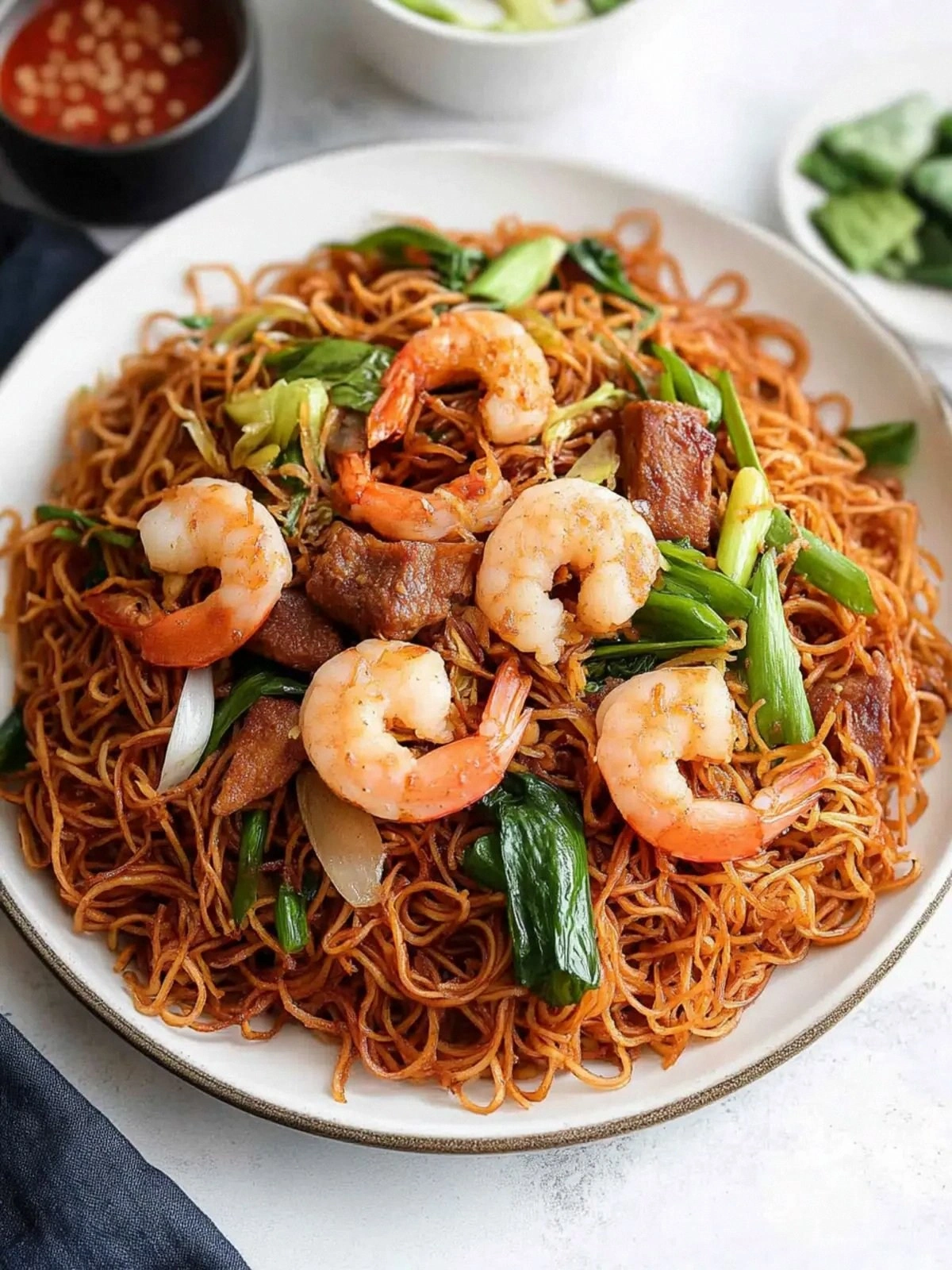
The Method — Step by Step
- Step 1: Prep the Noodles — Rinse the rice vermicelli under cold water until the water runs clear, then drain thoroughly. Toss the noodles with a tablespoon of vegetable oil to prevent clumping. Let them sit while you prepare the other ingredients; this keeps them from sticking together. The aroma of toasted rice will begin to develop as you move to the next step.
- Step 2: Marinate the Shrimp — In a small bowl, combine the shrimp with 1 teaspoon of soy sauce, 0.5 tablespoon of white sugar, and 0.25 teaspoon of baking soda. Toss until the shrimp are evenly coated. Let the shrimp rest for 10 minutes; the baking soda will help keep them tender. If you’re short on time, skip the marination and stir‑fry the shrimp directly.
- Step 3: Sauté Aromatics — Heat 2 tablespoons of vegetable oil in a large skillet or wok over medium heat. Add the minced garlic and finely sliced shallot, cooking until they turn translucent and emit a fragrant aroma. The garlic should sizzle softly, releasing its essential oils. This step is crucial for building the dish’s flavor foundation.
- Step 4: Cook the Shrimp — Push the aromatics to one side of the pan, then add the marinated shrimp. Sauté for 2 minutes on each side until pink and slightly caramelized. Flip them carefully to avoid breaking the shells. The shrimp should be juicy, not rubbery.
- Step 5: Add the Vegetables — Toss in the mung bean sprouts and yu choy, stirring constantly. The sprouts should wilt just enough to stay crunchy. This is the moment where the dish’s color palette comes alive, turning from pale to vibrant green.
- Step 6: Incorporate the Noodles — Add the toasted vermicelli to the pan, tossing to combine with the shrimp and veggies. Drizzle in the sweet soy sauce, regular soy sauce, oyster sauce, and a splash of water. The sauces should swirl together, coating the noodles evenly. This is where the sauce’s glossy sheen begins to appear.
- Step 7: Finish the Sauce — Sprinkle the black pepper and the remaining tablespoon of sugar over the pan. Stir until the sugar dissolves, creating a caramelized glaze. The pepper’s heat should be gentle, not overpowering. This final touch adds depth and a subtle kick.
- Step 8: Rest Before Serving — Remove the pan from heat and let the dish rest for 2 minutes. This short rest allows the flavors to meld together. During this time, the noodles will finish absorbing the sauce, becoming perfectly coated. The dish should emit a fragrant, savory aroma.
- Step 9: Plate and Garnish — Transfer the Bihun Goreng onto a serving platter. Garnish with a few extra sprigs of yu choy for a pop of color. Serve immediately while the noodles are still warm and the sauce is glossy. If you’re presenting this at a dinner party, a squeeze of lime adds a bright, citrusy contrast.
That’s it — you did it. But hold on, I've got a few more tricks that'll take this to another level. Let’s dive into the insider tips that will make your Bihun Goreng truly unforgettable.
Insider Tricks for Flawless Results
The Temperature Rule Nobody Follows
Maintaining a consistent medium‑high heat is key to achieving the right sear on the shrimp without burning the aromatics. A quick test: drop a small drop of water into the pan; if it sizzles instantly, the heat is perfect. If the water evaporates too quickly, lower the flame. This technique ensures that every component cooks evenly.
Why Your Nose Knows Best
Before you add the final splash of sweet soy sauce, give the dish a quick sniff. If the aroma feels off, it might be too sweet or too salty. Trust your nose; it’s the best judge of balance. Adjust with a pinch of salt or a splash of water if needed.
The 5‑Minute Rest That Changes Everything
Letting the dish rest for a few minutes after cooking allows the sauce to thicken slightly and the flavors to meld. This step is often overlooked but is essential for a cohesive taste profile. If you’re in a hurry, skip this step but expect a slightly thinner sauce.
Use a Non‑Stick Skillet for Easy Cleanup
A high‑quality non‑stick skillet ensures that the noodles and shrimp don’t stick, making cleanup a breeze. This also helps in achieving even cooking without having to constantly stir. If you don’t have a non‑stick pan, a well‑seasoned cast iron works well.
Keep the Shrimp Separate Until the End
Cooking the shrimp separately before adding them to the main pan prevents them from releasing too much liquid, which can make the dish soggy. This trick preserves the shrimp’s texture and keeps the sauce from becoming watery.
Adjust the Sweetness to Taste
Some people prefer a sweeter Bihun Goreng, while others lean toward savory. If you’re a sweet‑to‑savory fan, add an extra tablespoon of sweet soy sauce. For a more balanced flavor, reduce the sugar by half and compensate with a splash of lime juice.
Creative Twists and Variations
This recipe is a playground. Here are some of my favorite ways to switch things up:
Spicy Szechuan Edition
Swap the black pepper for Szechuan peppercorns and add a teaspoon of chili oil. The numbing heat pairs beautifully with the sweet sauce. This version is perfect for heat lovers who want a punchy, complex flavor profile.
Vegan Delight
Replace shrimp with marinated tofu cubes and use tamari instead of regular soy sauce. Add sliced bell peppers for extra crunch. The tofu absorbs the sauce, giving a meaty texture that satisfies even meat lovers.
Breakfast Bihun
Use a fried egg on top of the noodles for a breakfast twist. Add a splash of soy sauce and a drizzle of sesame oil. This version turns the dish into a hearty, protein‑rich breakfast that feels like a treat.
Herbal Infusion
Add fresh mint or basil leaves at the end of cooking. The herbs bring a bright, aromatic layer that lifts the dish. This variation is ideal for a refreshing summer meal.
Seafood Combo
Combine shrimp with scallops or small fish fillets. Cook the seafood separately to avoid overcooking. The result is a luxurious, oceanic flavor that elevates the dish to a gourmet level.
Storing and Bringing It Back to Life
Fridge Storage
Cool the Bihun Goreng to room temperature before placing it in an airtight container. Store in the refrigerator for up to 2 days. The noodles will retain their texture if you reheat them gently.
Freezer Friendly
Pack the dish in a freezer‑safe bag, removing as much air as possible. Freeze for up to 1 month. When ready to eat, thaw overnight in the fridge before reheating.
Best Reheating Method
Reheat the dish in a skillet over medium heat, adding a splash of water to steam the noodles. This restores moisture and keeps the sauce from drying out. Finish with a sprinkle of fresh herbs for a fresh finish.