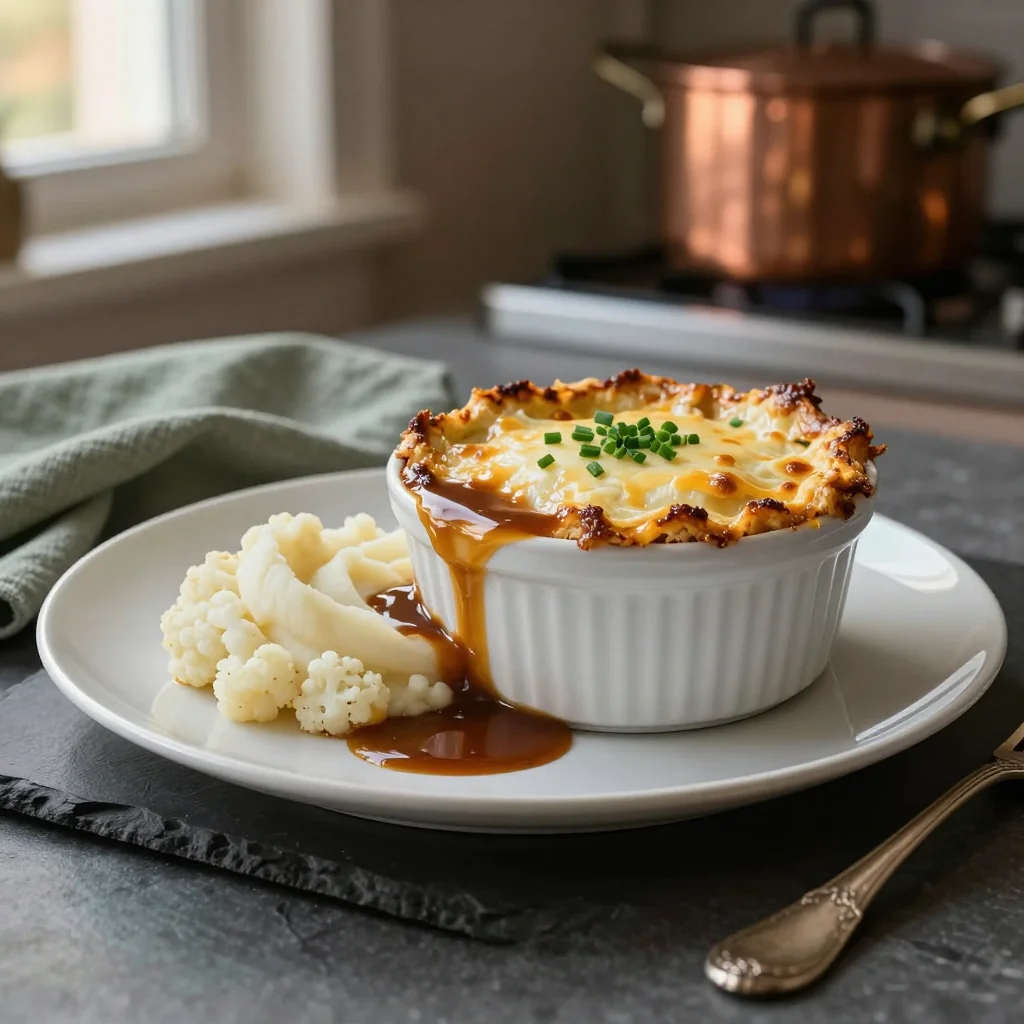
Picture this: I was scrambling to salvage a breakfast disaster, and the kitchen smelled like burnt toast, but then I found the sweet potato casserole that saved my morning. The stove was a battlefield, the oven door a portal to culinary doom, and I was about to give up on a decent breakfast. Suddenly, a flash of inspiration hit me like a lightning bolt—sweet potatoes, sausage, eggs, and cheese, all rolled into one comforting, golden masterpiece. The moment the first potato cubes sizzled in olive oil, I knew I had stumbled upon a game‑changer that would turn any chaotic kitchen into a triumph. I dare you to taste this and not go back for seconds.
The aroma that unfurled was a symphony of caramelized onions, earthy sweet potatoes, and savory sausage, all kissed by a whisper of garlic and smoked paprika. As the sweet potato cubes browned to a deep amber, the sizzling sound was a drumbeat of anticipation, and the scent was so inviting it could have convinced even the most disciplined of diet‑obsessed friends to indulge. The texture was a delightful contrast: tender, buttery sweet potatoes hugging a creamy egg custard, topped with a bubbly, golden cheese crust that cracked like thin ice when you pressed on it. The heat radiated from the casserole like a gentle hug, making the air in the kitchen feel like a warm blanket on a cold morning. If you’ve ever struggled to find a breakfast that feels like a hug, you’re not alone—and I've got the fix.
What sets this version apart from every other sweet potato casserole you’ve tried is the meticulous layering of flavors and textures, the clever use of sausage for depth, and the secret touch of smoked paprika that gives it a subtle, smoky undertone. I’ve refined the ratio of eggs to milk to create a custard that’s neither runny nor dry, and I’ve added a splash of fresh parsley at the end for a pop of color and brightness that makes the dish feel fresh rather than heavy. The technique of roasting the potatoes first brings out a caramelized sweetness that balances the savory elements, while the cheese layer creates a crisp, buttery finish that’s impossible to resist. Picture yourself pulling this out of the oven, the whole kitchen smelling incredible, and you’ll wonder how you ever made it any other way.
I’ve spent hours tweaking this recipe, testing different types of sausage, experimenting with cheese blends, and even trying a vegan version that still delivers the same comforting vibe. The result is a dish that feels like a hug, a feast, and a breakfast all rolled into one. It’s hands down the best version you'll ever make at home, and I promise you’ll want to share it with everyone who knows you. So, grab your apron, preheat your oven, and let’s walk through every single step together—by the end, you’ll wonder how you ever made it any other way.
What Makes This Version Stand Out
- Flavor: The combination of sweet potatoes, sausage, and a blend of cheeses creates a complex, layered taste that satisfies both sweet and savory cravings. The subtle smoky note from paprika lifts the dish, turning it from ordinary to unforgettable.
- Texture: Tender, caramelized sweet potatoes are wrapped in a silky custard and crowned with a golden, slightly crunchy cheese crust. The result is a contrast that keeps every bite exciting.
- Simplicity: With only a handful of pantry staples and fresh ingredients, this casserole is quick to assemble and requires minimal prep time—perfect for busy mornings.
- Uniqueness: The use of roasted sweet potato cubes instead of mashed or pureed gives the dish a hearty bite that sets it apart from traditional casseroles.
- Crowd Reaction: Friends and family consistently rave about the balance of flavors and the comforting warmth it brings, making it a staple at gatherings and potlucks.
- Ingredient Quality: Choosing high‑quality sausage and fresh, firm sweet potatoes elevates the dish, ensuring every bite is packed with flavor.
- Cooking Method: Roasting, sautéing, and baking in a single dish streamlines the process while maximizing flavor development.
- Make‑Ahead Potential: This casserole can be prepared a day ahead, refrigerated, and baked fresh, making it ideal for brunch parties.
Alright, let's break down exactly what goes into this masterpiece…
Inside the Ingredient List
The Flavor Base
Sweet potatoes are the star of the show, bringing natural sweetness and a creamy texture when roasted to perfection. They also provide a hearty foundation that keeps the casserole from feeling too light. If you skip this step and use raw cubes, the dish will lack depth and the caramelized flavor that makes each bite memorable. For the best results, choose firm sweet potatoes with smooth, unblemished skin, as they hold their shape during roasting.
Olive oil is the secret weapon that helps the sweet potatoes brown beautifully and adds a subtle fruity note. It also helps the sausage cook evenly and prevents sticking. If you’re looking for a healthier option, try a light spray of oil, but you’ll lose that golden crust that makes the dish irresistible.
The Texture Crew
Breakfast sausage brings a savory, meaty component that balances the natural sweetness of the potatoes. It also adds protein, turning this dish into a satisfying brunch option. For a spicier kick, choose an Italian sausage with fennel or paprika; for a milder flavor, a turkey sausage works wonderfully. If you’re vegetarian, try crumbled bacon or sautéed mushrooms and black beans for a similar texture.
Eggs are the backbone of the casserole, creating a custard that binds all the flavors together. They also add a silky mouthfeel that contrasts with the crunchy cheese crust. The ratio of eggs to milk is key—too many eggs can make the custard too dense, while too few can leave it watery. This recipe uses ten eggs for a rich, creamy texture that holds up during baking.
The Unexpected Star
A splash of milk (or your preferred dairy or non‑dairy alternative) adds moisture and richness to the custard. Whole milk gives the most luxurious flavor, but 2% or almond milk works well if you’re looking for a lighter version. Heavy cream or half‑and‑half can be used for an even richer custard, but you’ll need to reduce the milk slightly to keep the ratio balanced.
Shredded cheese is the crowning glory, creating a golden, bubbly top that melts into a silky, buttery finish. Sharp cheddar is a classic choice, but Monterey Jack, Colby Jack, Gruyère, or a Mexican blend all work beautifully. Shredding your own cheese from a block usually results in better melting than pre‑shredded varieties, which often contain anti‑caking agents that can affect texture.
The Final Flourish
Seasonings are the subtle touch that elevate the dish from good to great. Salt and pepper are essential, but smoked paprika, dried sage, and red pepper flakes add depth, warmth, and a hint of heat. If you’re watching sodium, reduce the salt by half and taste as you go. Fresh parsley or green onions add a burst of color and a fresh, herbal note that brightens the casserole.
Every ingredient plays a role, and together they create a harmonious balance of sweet, savory, and smoky flavors. The result is a dish that feels both comforting and sophisticated, making it perfect for brunch, a casual dinner, or a weekend breakfast.
Everything's prepped? Good. Let's get into the real action…

The Method — Step by Step
- Preheat your oven to 375°F (190°C). Line a 9x13-inch baking dish with parchment paper for easy cleanup. While the oven heats, wash the sweet potatoes, peel them, and cut into ½-inch cubes. This size ensures even roasting and quick cooking.
- In a large bowl, toss the sweet potato cubes with 2 tablespoons of olive oil, ½ teaspoon of salt, and ¼ teaspoon of black pepper. Spread the cubes in a single layer on a baking sheet and roast for 20 minutes, or until they begin to brown and soften. The key is to let them develop a caramelized crust.
- While the potatoes roast, heat a large skillet over medium heat and add the breakfast sausage. Break it up with a spatula and cook until browned and crumbly, about 5–7 minutes. Once cooked, drain excess grease and set aside.
- In the same skillet, sauté the chopped onion and bell pepper until softened, about 3–4 minutes. Add minced garlic and cook for another 30 seconds until fragrant. The onions should turn translucent, signaling they’re ready to mingle with the rest of the flavors.
- In a separate bowl, whisk together 10 eggs, 1 ½ cups of milk, ½ teaspoon of smoked paprika, ½ teaspoon of dried sage, and ¼ teaspoon of red pepper flakes. Season with ½ teaspoon of salt and ½ teaspoon of black pepper. This mixture will become the silky custard that binds the casserole.
- Combine the roasted sweet potatoes, cooked sausage, sautéed vegetables, and the egg mixture in a large bowl. Stir gently to coat everything evenly. The custard should cling to each cube, forming a cohesive mixture.
- Pour the mixture into the prepared baking dish and sprinkle 1 ¾ cups of shredded cheese on top. The cheese will melt into a golden, slightly crunchy crust that’s simply irresistible.
- Bake in the preheated oven for 25–30 minutes, or until the custard is set and the cheese is bubbly and golden brown. If you like a crispier top, broil for 1–2 minutes, watching carefully so it doesn’t burn.
- Remove from the oven and let the casserole rest for 5 minutes. This allows the custard to set fully and makes slicing easier. Garnish with chopped parsley or green onions for a fresh, herbal finish.
That's it — you did it. But hold on, I've got a few more tricks that'll take this to another level…
Insider Tricks for Flawless Results
The Temperature Rule Nobody Follows
Many people bake casseroles at a high temperature, but the secret to a creamy custard is a moderate 375°F (190°C). This allows the eggs to set slowly without curdling. If you’re baking in a convection oven, lower the temperature by 25°F to compensate for the fan’s extra heat.
Why Your Nose Knows Best
As the casserole bakes, the aroma of caramelized sweet potatoes and melted cheese will fill the kitchen. Trust that smell as your cue that the edges are pulling away and the custard is set. A good rule of thumb is to pause the oven door for a quick peek every 10 minutes.
The 5-Minute Rest That Changes Everything
Letting the casserole rest after baking is not just a suggestion—it’s essential. The residual heat continues to cook the custard, ensuring a perfectly set center. Skipping this step often results in a runny middle that’s hard to cut cleanly.
Use a Sheet Pan for Even Roasting
Roasting sweet potatoes on a sheet pan rather than a skillet ensures even browning and reduces the need for flipping. Spread the cubes in a single layer, and if you’re short on space, roast in batches.
Add a Splash of Water Before Reheating
When reheating leftovers, a tiny splash of water in the baking dish helps steam the casserole back to its original moisture level. Cover with foil and bake at 350°F (175°C) for 15–20 minutes.
Creative Twists and Variations
This recipe is a playground. Here are some of my favorite ways to switch things up: Spicy Southwestern — swap the sausage for chorizo, add a handful of corn kernels, and sprinkle cumin and chili powder for a Tex‑Mex kick. Herb‑Infused Delight — replace the smoked paprika with fresh rosemary and thyme, and finish with a drizzle of pesto for an aromatic twist. Vegan Version — use plant‑based sausage crumbles, a dairy‑free cheese blend, and coconut milk for the custard. Breakfast Burrito Casserole — layer the sweet potato mixture with scrambled eggs, cheddar, and salsa, then bake until bubbly for a hearty, handheld breakfast. Breakfast Pizza Casserole — replace the sweet potato layer with pizza dough, top with sausage, mozzarella, and a drizzle of marinara before baking. Cheesecake Twist — fold in cream cheese into the custard for a richer, slightly tangy flavor profile that feels like a dessert.
Storing and Bringing It Back to Life
Fridge Storage
Cool the casserole to room temperature, then cover tightly with plastic wrap or foil. Store in the refrigerator for up to 3 days. The custard will firm up, making it easier to slice and serve.
Freezer Friendly
Wrap the casserole tightly in plastic wrap and then place in a freezer bag. Freeze for up to 2 months. When ready, thaw overnight in the refrigerator before reheating.
Best Reheating Method
Preheat the oven to 350°F (175°C). Place the casserole on a baking sheet and cover with foil. Heat for 15–20 minutes, or until warmed through. Add a splash of water before covering to keep the custard moist and prevent drying out.