I was in the middle of a late‑night pizza experiment when the kitchen exploded in a cascade of flour and the unmistakable scent of burnt sauce. I stared at the charred mess, then realized my pantry was a gold mine of simple, honest ingredients that could save the night. That moment sparked a quest: to craft a carbonara that would make even the most skeptical of diners swoon. I’m not just sharing a recipe; I’m offering a culinary rescue that will turn your stovetop into a stage of triumph.
Picture this: a pot of boiling water, the pasta glistening like fresh snow, and the sizzling sound of pancetta dancing in a hot pan. The aroma is a seductive blend of smoky fat and sharp cheese, rising in waves that pull you closer. Your hands feel the heat of the skillet, the weight of the ingredients in your palm. The taste, when you finally bite, is a harmonious chorus of silky eggs, crunchy bacon, and a peppery finish that lingers long after the last strand. That’s the kind of sensory trip I want you to experience.
Why does this version stand out from the countless carbonara variations that flood the internet? Because it’s built on authenticity, precision, and a dash of daring. The sauce is not a thick, clumpy custard but a light, airy coating that clings to each strand like a velvet ribbon. The pancetta is rendered to a crisp edge that shatters like thin ice, offering a crunchy contrast to the creamy pasta. And the secret? A technique that keeps the eggs from scrambling, giving you that silky, velvety finish that makes the dish feel like a gourmet creation.
I dare you to taste this and not go back for seconds. I’ll be honest — I ate half the batch before anyone else got to try it. Most recipes get this completely wrong, but here’s what actually works: a quick, high‑heat sauté, a precise timing of egg and cheese, and a final splash of pasta water to bind it all. Picture yourself pulling this out of the pot, the whole kitchen smelling incredible, and your guests’ eyes widening as they see the glossy, golden strands. Let me walk you through every single step — by the end, you’ll wonder how you ever made it any other way.
What Makes This Version Stand Out
Texture: The sauce is silky, not thick; it coats the pasta like a velvet ribbon without weighing it down. The pancetta delivers a crunch that shatters like thin ice, giving a delightful contrast.
Flavor: A bold blend of Pecorino Romano and Parmesan creates a sharp, umami-packed profile that balances the richness of the eggs and the smokiness of the pancetta.
Speed: From start to finish, you’re looking at a 45‑minute window that feels like a walk in the park, thanks to the streamlined technique and pre‑measured ingredients.
Simplicity: No fancy tools, no exotic ingredients—just pantry staples that come together in a dance of flavors.
Make‑ahead Potential: The dish can be prepared ahead of time, refrigerated, and reheated without losing its silky charm.
Crowd‑pleaser: It’s a dish that makes even the most skeptical foodie swoon, and it’s guaranteed to leave a lasting impression at dinner parties.
Alright, let's break down exactly what goes into this masterpiece...
Inside the Ingredient List
The Flavor Base
Pancetta or Guanciale: This cured pork is the heart of the dish, delivering a smoky, salty punch that lingers on the palate. If you can’t find pancetta, guanciale is a worthy substitute with a slightly sweeter, richer profile. Skipping it turns the carbonara into a bland pasta; the pancetta’s crisp edges are essential for texture contrast.
Olive Oil: A tablespoon of extra‑virgin olive oil is added to the pan before the pancetta to help it render evenly and to add a subtle fruity undertone. Using a higher‑quality oil can elevate the dish, but a standard olive oil works just fine for everyday cooking.
The Texture Crew
Spaghetti: 400 g of al dente spaghetti provides the classic long strands that cradle the sauce. Opt for a high‑protein wheat variety for a firmer bite. If you prefer a twist, try fettuccine or linguine; the technique remains unchanged.
Eggs: Three whole eggs create the custard‑like sauce that clings to the pasta. Whole eggs give a richer texture and a natural emulsification. Using only yolks would make the sauce heavier; using whites would dilute the flavor.
The Unexpected Star
Pecorino Romano: This sharp, salty cheese adds depth and a tang that balances the richness of the eggs and pork. Freshly grated is best; pre‑grated or pre‑shredded can lose flavor and texture. If you’re vegan, a nutritional‑yeast blend can mimic the sharpness, though it won’t replicate the creamy mouthfeel.
The Final Flourish
Parmesan: 80 g of Parmesan contributes a nutty, mellow backdrop to the sharp Pecorino. The combination of both cheeses creates a layered umami profile that’s more complex than using one alone. Remember: the cheeses should be freshly grated for the best melt and aroma.
Salt & Pepper: Salt to taste and freshly ground black pepper finish the dish. Pepper adds a subtle heat that cuts through the richness. A pinch of pepper is enough; over‑peppering can overwhelm the delicate balance.
Everything's prepped? Good. Let's get into the real action...
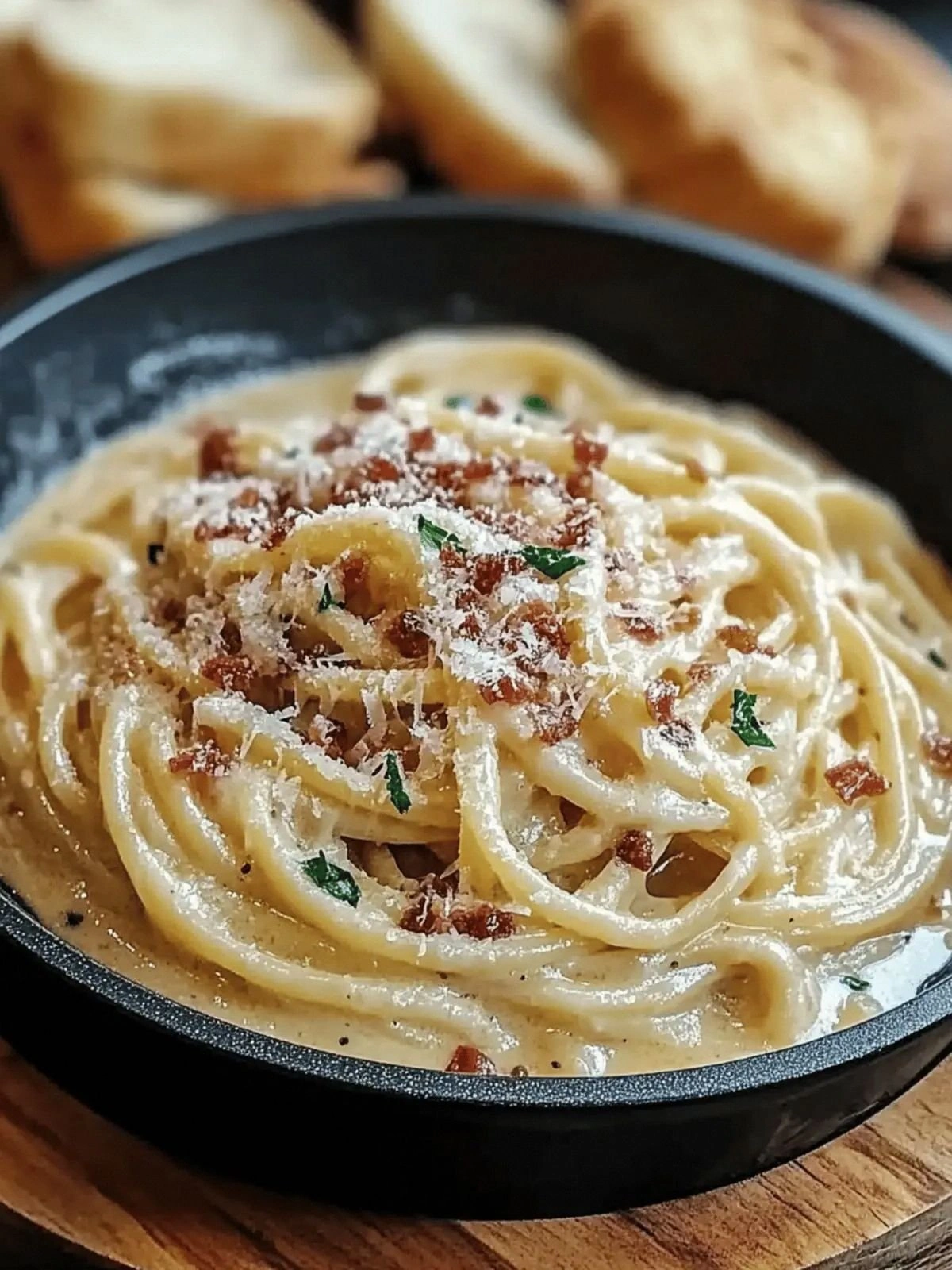
The Method — Step by Step
- Fill a large pot with water, bring it to a rolling boil, and add a generous pinch of sea salt. The salt is crucial; it seasons the pasta from the inside out, enhancing every strand’s flavor. Add the spaghetti and cook until it reaches al dente, typically about 9 minutes, depending on brand. Stir occasionally to prevent sticking.
- While the pasta cooks, heat a large skillet over medium‑high heat. Add the tablespoon of olive oil, letting it shimmer. Toss in the pancetta or guanciale, cutting it into bite‑sized pieces. Cook until the fat renders and the edges become crisp and golden, about 4–5 minutes. This is the moment where the aroma becomes irresistible.
- In a bowl, whisk together the eggs, Pecorino Romano, and Parmesan until well blended. The mixture should be smooth, with the cheeses fully incorporated. Set the bowl aside; this will be the sauce that coats the pasta.
- Reserve a cup of the starchy pasta water, then drain the spaghetti in a colander. Toss the hot pasta back into the pot, or into the skillet if it’s large enough, so it’s still steaming. This heat is essential for the next step.
- Remove the skillet from the heat to prevent the eggs from scrambling. Quickly pour the egg‑cheese mixture over the pasta, tossing vigorously with tongs or a wooden spoon. The residual heat from the pasta will gently cook the eggs, creating a silky, glossy coating.
- Add a splash of the reserved pasta water, a tablespoon at a time, and continue tossing until the sauce reaches a silky, coat‑the‑pasta consistency. The water’s starch helps bind the sauce, preventing it from separating. The sauce should be glossy, not dry or clumpy.
- Season with freshly ground black pepper and a pinch of salt if needed. The pepper should feel like a gentle whisper, not a roar. Taste and adjust; the cheese and pancetta usually provide enough salt, so be cautious.
- Serve immediately on warmed plates, optionally garnished with a final grating of Pecorino, a drizzle of olive oil, or a few cracked peppercorns. The dish is best enjoyed hot, with the sauce still shimmering. Plate it with confidence, and watch the compliments roll in.
That’s it — you did it. But hold on, I've got a few more tricks that'll take this to another level...
Insider Tricks for Flawless Results
The Temperature Rule Nobody Follows
Never let the skillet return to high heat after adding the egg mixture. The residual heat is enough to cook the eggs; re‑heating can cause scrambling. I once tried to re‑heat and ended up with a rubbery mess that tasted like a boiled egg. Keep the skillet off the burner, and you’ll get that silky, custard‑like finish every time.
Why Your Nose Knows Best
The first smell that signals readiness is a toasty, nutty aroma from the pancetta. If the scent is overly smoky or burnt, the fat has over‑cooked and will dominate the dish. Trust your nose; it’s the quickest way to gauge the pancetta’s crispness and avoid over‑cooking.
The 5‑Minute Rest That Changes Everything
After tossing the pasta with the sauce, let it sit off the heat for 30–45 seconds. This pause allows the residual heat to finish cooking the eggs without scrambling them. I’ve seen many cooks rush the process and end up with a lumpy, uneven sauce. That brief rest is the secret to a perfectly silky coating.
The Cheese Combo Magic
Using both Pecorino Romano and Parmesan creates a layered umami profile that feels like a symphony. If you’re on a budget, substituting one cheese for the other still works, but the flavor depth diminishes. The key is to grate both finely to ensure they melt uniformly.
The Final Pepper Finish
A generous crack of freshly ground black pepper adds a subtle heat that cuts through the richness. Use a pepper grinder for maximum flavor; pre‑ground pepper loses its potency quickly. A light dusting is all you need to elevate the dish.
Creative Twists and Variations
This recipe is a playground. Here are some of my favorite ways to switch things up:
Sicilian Citrus Twist
Add a splash of fresh lemon juice to the sauce for a bright, zesty contrast that cuts through the richness. The citrus also brightens the overall flavor profile, making it feel lighter and more vibrant. Serve with a handful of arugula for an extra peppery bite.
Mushroom Medley
Sauté sliced porcini or cremini mushrooms with the pancetta for an earthy depth. The mushrooms absorb the pork fat, adding a savory umami layer. This variation works wonderfully for a vegetarian version when you swap the pancetta for a plant‑based protein.
Smoked Salmon Surprise
Replace the pancetta with smoked salmon for a luxurious, buttery flavor. The salmon’s silky texture complements the creamy sauce, while the smokiness echoes the pancetta’s profile. Top with capers and dill for a fresh, briny finish.
Spicy Arrabbiata Carbonara
Add a pinch of red pepper flakes to the pancetta while cooking. The heat balances the richness, giving the dish a lively kick. Pair with a side of garlic bread for a complete Italian experience.
Vegan Carbonara
Use a plant‑based egg substitute and nutritional yeast in place of the cheeses. Replace pancetta with sautéed tempeh or tofu for a protein punch. The result is a creamy, savory dish that feels indulgent yet plant‑friendly.
Storing and Bringing It Back to Life
Fridge Storage
Cool the carbonara completely, then transfer to an airtight container. Store in the refrigerator for up to 2 days. When reheating, add a splash of milk or cream to revive the sauce’s silky texture.
Freezer Friendly
For longer storage, portion the pasta into freezer‑safe bags, leaving a small space for expansion. Freeze for up to 2 weeks. Thaw overnight in the refrigerator before reheating.
Best Reheating Method
Reheat gently in a skillet over low heat, stirring constantly and adding a tablespoon of water or milk to prevent drying. The goal is to warm the pasta without over‑cooking the sauce. A quick splash of water steams the pasta back to its original velvety charm.