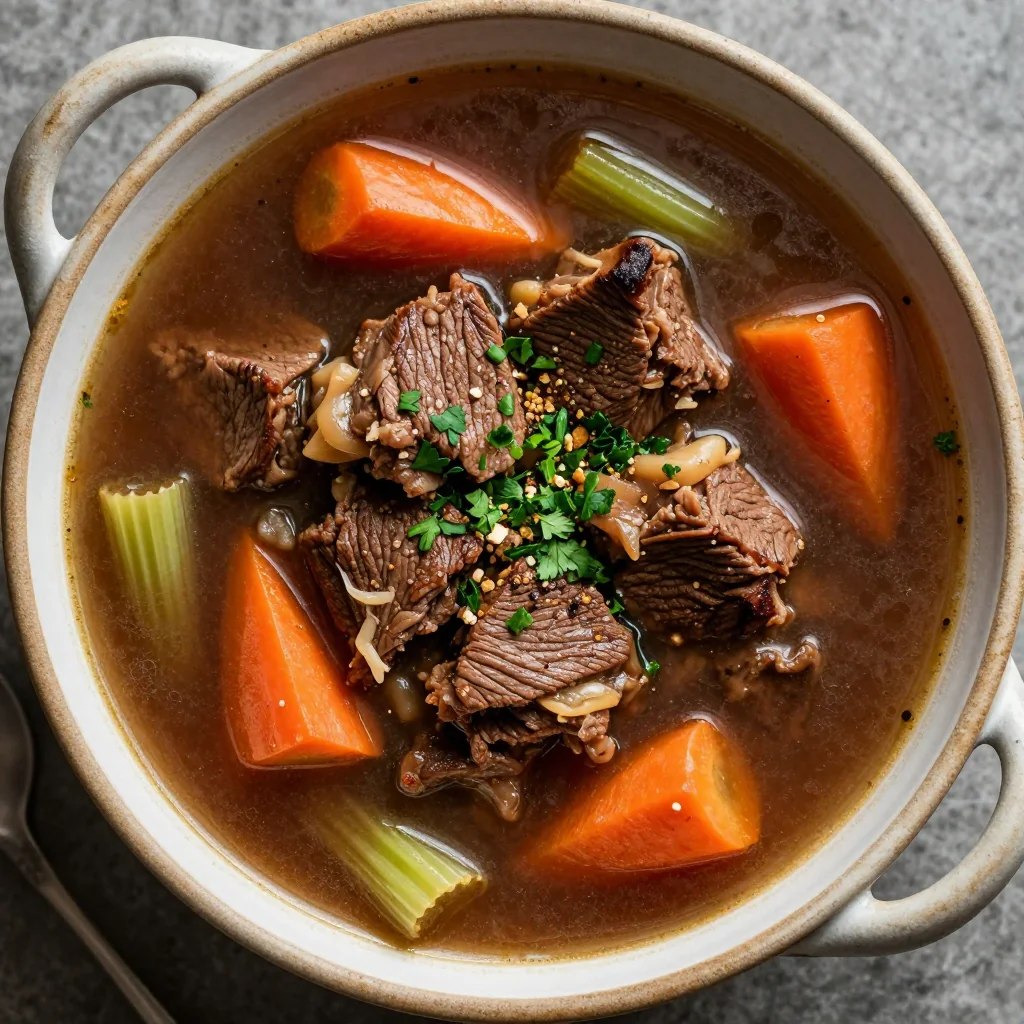
I was in a frenzy, juggling a simmering pot of pasta, a pan of chicken, and a clock that seemed to tick louder with every second. I had promised myself a quick dinner, but the kitchen turned into a culinary battlefield when I tried to squeeze lemon juice into a sauce that was already turning bitter. The moment I realized I’d forgotten the capers, the entire flavor profile threatened to collapse. That disaster sparked a relentless quest for the ultimate lemon piccata sauce, a sauce that can rescue any meal in minutes.
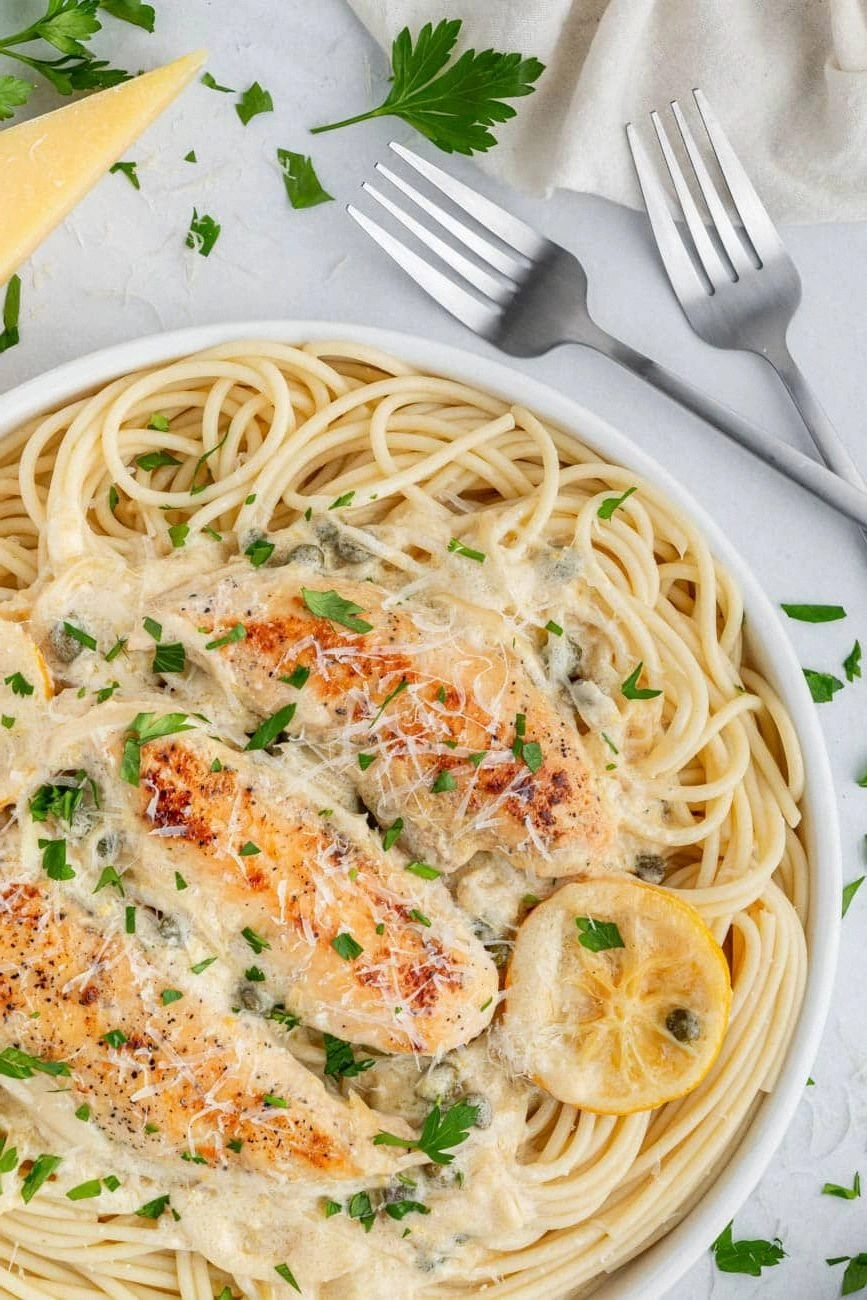
Close your eyes and imagine the first bite: a bright, citrusy tang that instantly lifts the savory chicken, the buttery richness that coats each strand of pasta like velvet, and that subtle briny snap of capers that dances on your palate. The aroma is a symphony—fresh lemon zest, sizzling garlic, and a hint of white wine that invites you to keep cooking. The texture feels silky, the sauce thick enough to cling to every bite, yet light enough to glide through the air. And the finish? A lingering citrus note that leaves you craving a second helping.
What sets this version apart is that it balances classic piccata elements with a few unconventional twists. The sauce uses both butter and olive oil to create a layered flavor profile, and the addition of heavy cream turns a simple pan sauce into a luxurious accompaniment. The capers are toasted lightly, releasing a deeper umami that elevates the dish beyond the ordinary. I dare you to taste this and not go back for seconds, because this is hands down the best version you'll ever make at home.
Most recipes get this completely wrong—some overcook the chicken, others forget the lemon, and a few skip the capers altogether. Here’s what actually works: a quick sear for the chicken, a bright reduction that doesn’t scorch, and a splash of cream that balances acidity. Picture yourself pulling this out of the oven, the whole kitchen smelling incredible, and knowing you’ve created a dish that will wow even the pickiest of guests. Let me walk you through every single step—by the end, you'll wonder how you ever made it any other way.
What Makes This Version Stand Out
- Taste: The sauce delivers a citrusy brightness that cuts through the richness of butter and cream, creating a harmonious balance that feels both indulgent and refreshing.
- Texture: The combination of butter and olive oil gives the sauce a silky mouthfeel, while the capers add a pleasant crunch that contrasts beautifully with the tender chicken.
- Simplicity: Despite its sophisticated flavor, the recipe requires only a handful of ingredients and can be completed in less than 45 minutes.
- Uniqueness: Toasting the capers and adding a splash of heavy cream transforms a traditional piccata into a luxurious, restaurant‑quality sauce.
- Crowd Reaction: The bright lemon notes and buttery richness make this dish a crowd‑pleaser at dinner parties, family gatherings, or a quiet night in.
- Ingredient Quality: Using fresh lemons, high‑quality butter, and real capers ensures that each bite bursts with authentic flavor.
- Cooking Method: A quick sear for the chicken followed by a reduction of wine, broth, and lemon creates depth without requiring long simmering times.
- Make‑Ahead Potential: The sauce keeps well in the refrigerator for up to 48 hours, and can be reheated gently without losing its bright character.
Inside the Ingredient List
The Flavor Base
Olive oil and garlic form the aromatic foundation. The oil carries the garlic’s subtle heat, while the garlic’s sharpness cuts through the buttery richness. Skipping the oil can lead to a greasy taste; instead, use it to sauté the garlic until it becomes fragrant and lightly golden.
The Texture Crew
Butter is the secret to that silky coating on the pasta. The two tablespoons at the start melt into the pan, creating a glossy, velvety base, while the two tablespoons added later help thicken the sauce without making it heavy. If you’re watching calories, you can halve the butter, but the dish will feel less luxurious.
The Unexpected Star
Capers are the unsung hero of this sauce. Their briny bite adds depth and counters the lemon’s acidity. Toast them briefly in the pan to release their oils, which intensifies the flavor. If you can’t find capers, a teaspoon of anchovy paste or a splash of Worcestershire sauce can mimic the salty punch.
The Final Flourish
Fresh lemon juice and zest brighten the sauce, while the white wine adds a subtle acidity that balances the richness. A splash of heavy cream at the end creates a velvety finish that coats the pasta and chicken, turning a simple dish into a gourmet experience. If you prefer a lighter version, substitute the cream with Greek yogurt for a tangy twist.
Everything's prepped? Good. Let's get into the real action.
The Method — Step by Step
- Prep the Chicken: Pat the chicken cutlets dry and season both sides with kosher salt, fresh ground black pepper, and a light dusting of garlic powder. The seasoning creates a flavor base that will cling to the pan during searing. This step is crucial—if you skip it, the sauce will lack depth.
- Heat the Skillet: Add one tablespoon of olive oil to a large skillet over medium‑high heat. Wait until the oil shimmers but isn’t smoking. This ensures the chicken will sear without sticking, producing a beautiful golden crust.
- Sear the Chicken: Place the chicken in the hot skillet and sear for 3–4 minutes per side until a deep brown crust forms. Flip only once; excessive flipping can break the crust. This step locks in juices and gives the dish its signature texture.
- Remove and Rest: Transfer the chicken to a plate and tent loosely with foil to keep it warm. Resting allows the juices to redistribute, keeping the meat moist and tender. While the chicken rests, you’ll begin the sauce.
- Cook the Aromatics: In the same skillet, lower the heat to medium and add two tablespoons of unsalted butter. Once melted, add finely minced garlic and a finely chopped shallot. Sauté until the shallot turns translucent and the garlic releases its fragrance—about 2 minutes. Watch the butter; if it starts to brown, reduce the heat immediately.
- Add Wine and Broth: Pour in half a cup of dry white wine, allowing it to reduce by half. Then add half a cup of chicken broth, stirring to combine. The reduction concentrates the flavors and creates a silky sauce base that will coat the chicken.
- Introduce Lemon and Capers: Stir in one tablespoon of fresh lemon juice, the zest of one lemon, and one and a half tablespoons of capers. The lemon brightens the sauce, while the capers add a salty kick. Keep the sauce simmering gently—do not let it boil, or the lemon will taste harsh.
- Finish with Cream: Reduce the heat to low and pour in half a cup of heavy cream. Stir until the sauce thickens slightly, creating a glossy, velvety finish that will cling to pasta. If you prefer a lighter sauce, replace the cream with a splash of milk or a dollop of Greek yogurt.
- Re‑introduce Chicken: Return the rested chicken cutlets to the skillet, spooning sauce over them to coat. Cook for an additional 2–3 minutes until the chicken is warmed through and the sauce has thickened. This final step melds the flavors, ensuring every bite is bursting with citrus and butter.
That's it — you did it. But hold on, I've got a few more tricks that'll take this to another level. Keep reading for insider tips that will make your sauce flawless every time.
Insider Tricks for Flawless Results
The Temperature Rule Nobody Follows
Many cooks keep the sauce on high heat to speed up cooking, but that leads to a bitter lemon finish. Keep the heat low after adding the wine and let the reduction happen gently. This preserves the bright citrus notes and prevents the butter from browning too quickly.
Why Your Nose Knows Best
Before you add the lemon, sniff the sauce. A sour, sharp scent indicates the lemon is fresh and the acidity is balanced. If the aroma smells flat, consider adding a splash of vinegar to brighten it up.
The 5-Minute Rest That Changes Everything
After the chicken rests, let it sit for exactly five minutes before adding it back to the sauce. This brief pause allows the meat to reabsorb juices, making it juicy and flavorful.
The Creamy Touch
If you want a richer sauce, whisk in a tablespoon of mascarpone cheese at the end. It melts into the sauce, giving it a decadent, silky finish that pairs wonderfully with pasta.
The Parmesan Finish
Just before serving, sprinkle grated Parmesan over the sauce. The cheese melts into the sauce, adding a nutty depth that balances the lemony brightness.
The Final Garnish
Finish with a handful of chopped fresh parsley. The green pop of parsley not only adds color but also a fresh herbal note that complements the citrus.
Creative Twists and Variations
This recipe is a playground. Here are some of my favorite ways to switch things up:
Garlic‑Infused Piccata
Add an extra clove of garlic to the sauce and sauté it until it turns golden. The extra garlic depth pairs well with the lemon, creating a more robust flavor profile. This variation is perfect for garlic lovers who want a richer taste.
Smoky Chipotle Piccata
Replace the white wine with a splash of smoky chipotle‑infused tequila. The subtle heat and smoke add an unexpected twist, making the dish exciting for those who enjoy a little kick.
Herb‑Laced Version
Stir in a teaspoon of dried oregano or thyme during the reduction phase. The herbal notes bring a Mediterranean vibe, complementing the capers and lemon.
Seafood Piccata
Swap the chicken for shrimp or scallops. Cook the seafood until just pink, then fold it into the sauce. The delicate seafood pairs beautifully with the bright, buttery sauce.
Pesto‑Enhanced Piccata
Add a spoonful of basil pesto to the sauce after the cream is incorporated. The pesto adds green freshness and a nutty flavor that elevates the dish into a gourmet experience.
Vegan Piccata
Use plant‑based butter and a dairy‑free cream alternative like coconut milk. Replace the chicken with marinated tofu or tempeh. This version keeps all the bright flavors while being completely plant‑based.
Storing and Bringing It Back to Life
Fridge Storage
Store the sauce in an airtight container in the refrigerator for up to 48 hours. When ready to serve, reheat gently over low heat, stirring frequently to prevent separation. The sauce will remain silky and flavorful.
Freezer Friendly
Freeze the sauce in a freezer‑safe container for up to 2 weeks. Thaw overnight in the refrigerator, then reheat over low heat with a splash of water to restore the sauce’s original consistency.
Best Reheating Method
Reheat the sauce in a small saucepan over low heat, whisking constantly. Add a tiny splash of water or broth if the sauce thickens too much; this will steam it back to perfection without losing its bright citrus notes.