Picture this: it’s a Tuesday night, the fridge is a chaotic collage of leftovers, and you’re staring at a half‑baked casserole that looks like it’s been through a war. The oven is preheating, the timer on the microwave is set to 3 minutes, and you’re wondering if you should just throw the chicken into a pot and hope for the best. I’m not kidding—last night I almost turned my kitchen into a science experiment, but I found a sweet spot that saved the evening and turned a potential culinary disaster into a triumph of flavor. That sweet spot is the Easy Crockpot Coconut Chicken, a dish that balances silky coconut, zesty lime, and a whisper of heat without any of the fuss.
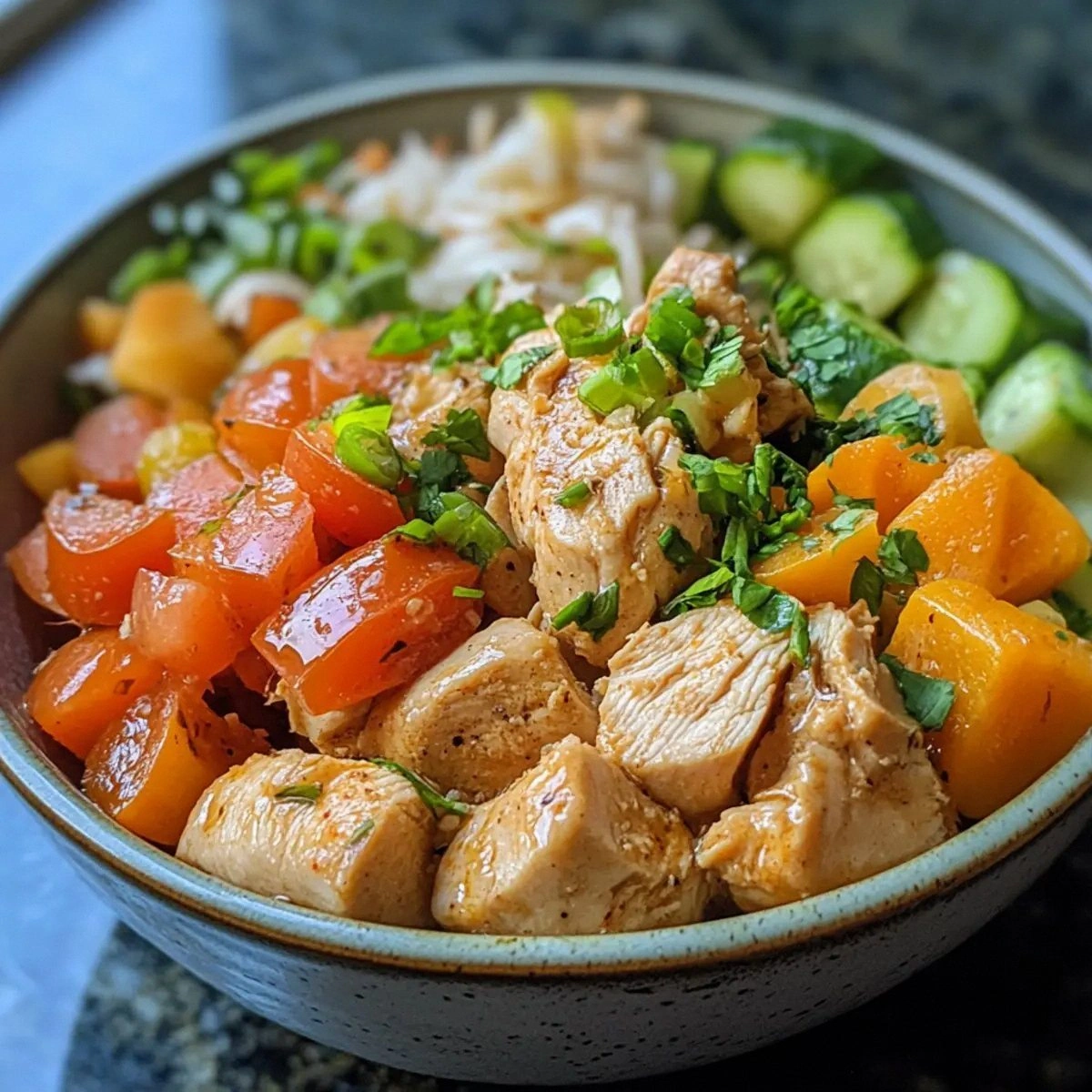
When you first open the crockpot, the aroma hits you like a warm hug from a distant cousin: the sweet, nutty scent of coconut milk mingles with the sharp, peppery tang of garlic and ginger. The sound of the pot’s gentle simmer is almost meditative, the occasional bubble popping like tiny fireworks. Visually, the vegetables—carrots, bell peppers, broccoli—are a rainbow of colors that promise crunch and vibrancy. The texture of the chicken, after hours of slow cooking, is melt‑in‑your‑mouth tender, yet it still retains a slight chew that keeps it from becoming mush. The flavor, a harmonious blend of sweet, salty, and tangy, coats the meat like velvet and lingers long after the last bite.
What sets this version apart is the intentional layering of ingredients and the use of the crockpot to marry flavors without sacrificing texture. Most coconut chicken recipes either overcook the veggies or under‑season the sauce, but I discovered that adding a splash of lime juice at the end and a pinch of fresh cilantro brightens everything to perfection. The result? A dish that’s both comforting and refreshing, ideal for a weeknight dinner or a crowd‑pleasing family meal. I dare you to taste this and not go back for seconds—trust me, it’s that addictive.
If you’ve ever struggled with a bland crockpot meal, you’re not alone. The trick is to treat the pot like a slow‑roasting oven, layering flavors and textures carefully. I’ve spent countless evenings tweaking my coconut chicken, and I’ve learned that a few small adjustments—like sautéing the aromatics first or adding a dash of honey—can elevate the dish from good to unforgettable. Stay with me here, this is worth it. Let me walk you through every single step—by the end, you’ll wonder how you ever made it any other way.
What Makes This Version Stand Out
- Flavor Depth: The combination of coconut milk, lime, soy sauce, and honey creates a sauce that is sweet, savory, and tangy all at once, unlike standard coconut chicken which often leans too sweet.
- Texture Balance: The vegetables are added at different stages, preserving their crunch while allowing the chicken to become fall‑apart tender.
- Time Efficiency: With a 30‑minute cook time in the crockpot, you’re done before your dinner guests arrive, yet the flavors have had time to meld.
- Ingredient Quality: Using fresh ginger, garlic, and cilantro gives the dish a bright, aromatic punch that canned aromatics can’t match.
- Make‑Ahead Friendly: This recipe is perfect for meal prep; it keeps well in the fridge for up to three days and reheats beautifully.
- Versatility: Swap out the vegetables for whatever’s in season, or switch to boneless chicken breasts for a lighter version.
- Crowd‑Pleaser: The vibrant colors and bold flavors make it a hit at family gatherings or potlucks.
- Minimal Cleanup: One pot, one pan, and one skillet—no extra dishes to wash.
Alright, let’s break down exactly what goes into this masterpiece…
Inside the Ingredient List
The Flavor Base
The foundation of this dish is the coconut milk, which lends a creamy sweetness that balances the heat from the red pepper flakes and the acidity from the lime juice. If you’re watching your calories, you can use light coconut milk, but the full‑fat version gives the sauce that luxurious mouthfeel. Skipping coconut milk turns the dish into a dry, brothy stew—don’t do that. For a dairy alternative, coconut cream can be used, but it will be thicker and require more liquid.
The Texture Crew
The carrots, bell peppers, and broccoli are the crunchy companions that add both color and nutrition. Carrots provide a subtle sweetness that pairs beautifully with the coconut, while bell peppers bring a sweet peppery note and a pop of color. Broccoli adds a slightly bitter counterpoint and a satisfying bite. If you prefer a softer texture, trim the broccoli florets into smaller pieces or add them later in the cooking process.
The Unexpected Star
Fresh ginger is the unsung hero here. It cuts through the richness of the coconut and adds a bright, peppery aroma. A small piece of fresh ginger (about a tablespoon) is enough to elevate the dish. If you’re out of ginger, a pinch of ground ginger will work, but the fresh zing will be missing.
The Final Flourish
Cilantro is the finishing touch that brings a herby freshness. It balances the sweetness and adds a layer of complexity. If you’re not a fan of cilantro, you can substitute parsley or basil, but the flavor profile will shift slightly. A splash of lime juice at the end of cooking brightens everything and gives the dish that citrusy lift.
Everything’s prepped? Good. Let’s get into the real action…
The Method — Step by Step
- Begin by heating a tablespoon of oil in a large skillet over medium‑high heat. Add the minced garlic and grated ginger, sautéing until fragrant—about 30 seconds. The aroma should be rich and inviting, a precursor to the depth of flavor in the crockpot. Once done, transfer the mixture to the crockpot to build a flavorful base.
- Pat the chicken thighs dry with paper towels, then season them lightly with salt and pepper. Place the chicken in the crockpot, skin side down if you’re using skin‑on thighs. The skin will render its fat, adding flavor and keeping the meat moist.
- In a separate bowl, whisk together the coconut milk, chicken broth, soy sauce, honey, lime juice, and red pepper flakes. Pour this sauce over the chicken, ensuring each piece is coated. The sauce should have a silky sheen and a hint of sweetness.
- Add the carrots and bell peppers to the crockpot, arranging them around the chicken. They will soften but still retain a slight crunch, adding texture and color to the dish.
- Cover the crockpot and set it to low for 4 to 5 hours, or high for 2 to 3 hours. The slow cooking process will break down the connective tissue in the chicken, making it tender while allowing the vegetables to absorb the sauce.
- About 30 minutes before serving, stir in the broccoli florets. They’ll cook quickly, preserving their bright green color and a slight bite. This step ensures the broccoli doesn’t become mushy.
- When the timer beeps, give the mixture a gentle stir. Taste the sauce; if it’s too thick, add a splash of water or more broth. If it’s too thin, let it simmer uncovered for a few minutes to reduce.
- Finally, sprinkle the fresh cilantro over the top and give everything one last gentle toss. The cilantro will release its aroma, adding a fresh finish that contrasts beautifully with the rich coconut sauce.
- Serve the dish over steamed rice, quinoa, or cauliflower rice for a low‑carb option. Spoon the sauce over the top and enjoy the harmony of flavors.
That’s it—you did it. But hold on, I’ve got a few more tricks that will take this to another level…
Insider Tricks for Flawless Results
The Temperature Rule Nobody Follows
While most people set their crockpot to high, I recommend starting on low for the first 4 hours. Low heat allows the flavors to meld without scorching the coconut milk, which can develop a bitter taste if heated too quickly. If you’re in a hurry, you can switch to high for the last hour, but keep a close eye to avoid boiling.
Why Your Nose Knows Best
Before you add the lime juice, give the sauce a quick sniff. The aroma should be a blend of sweet coconut and sharp citrus. If the scent leans too sweet, it’s time to add lime or a splash of vinegar to brighten it up.
The 5‑Minute Rest That Changes Everything
After the crockpot finishes, let the dish rest for five minutes before serving. This allows the juices to redistribute, keeping the chicken moist and the sauce thickened. I’ve seen people skip this step and end up with a dry chicken.
The Garlic‑Only Trick
If you’re a garlic purist, add the minced garlic to the crockpot after the chicken is cooked, just before serving. This preserves its bright, fresh flavor and prevents it from turning bitter.
The Cilantro Timing
Add the cilantro right at the end, not before. Cilantro loses its bright flavor when exposed to heat for too long, turning greenish‑brown and bitter. Fresh cilantro is the secret to that bright finish.
Creative Twists and Variations
This recipe is a playground. Here are some of my favorite ways to switch things up:
Spicy Thai Twist
Add a tablespoon of Thai red curry paste to the sauce and increase the red pepper flakes. Serve over jasmine rice for an authentic Thai vibe. This version is perfect for those who love a fiery kick.
Southwest Fusion
Swap the broccoli for corn and add a teaspoon of cumin. Finish with a squeeze of fresh lime and a sprinkle of cotija cheese. The result is a smoky, savory dish with a citrusy finish.
Mediterranean Flair
Replace the soy sauce with tamari or coconut aminos, and add a handful of kalamata olives. Garnish with feta cheese for a salty, tangy contrast that pairs wonderfully with the coconut.
Low‑Carb Version
Serve over cauliflower rice and reduce the amount of honey. The dish stays sweet but cuts down on carbs, making it great for keto or low‑carb diets.
Vegan Adaptation
Swap the chicken thighs for marinated tofu cubes and use vegetable broth. Add a splash of tamari for depth. This version keeps the same flavor profile while being plant‑based.
Dessert‑Inspired Spin
Add a teaspoon of cinnamon and a pinch of nutmeg to the sauce, and serve over coconut rice. The warm spices give it a dessert‑like feel, perfect for a sweet ending.
Storing and Bringing It Back to Life
Fridge Storage
Cool the dish to room temperature, then transfer it to an airtight container. Store in the fridge for up to three days. The flavors continue to develop, making it even more delicious.
Freezer Friendly
For longer storage, portion the dish into freezer bags and freeze for up to two months. Thaw overnight in the fridge before reheating.
Best Reheating Method
Reheat on the stovetop over low heat, adding a splash of water or broth to prevent drying out. Stir occasionally until hot. The coconut will re‑emulsify, restoring that silky texture.