
Fettuccine Alfredo
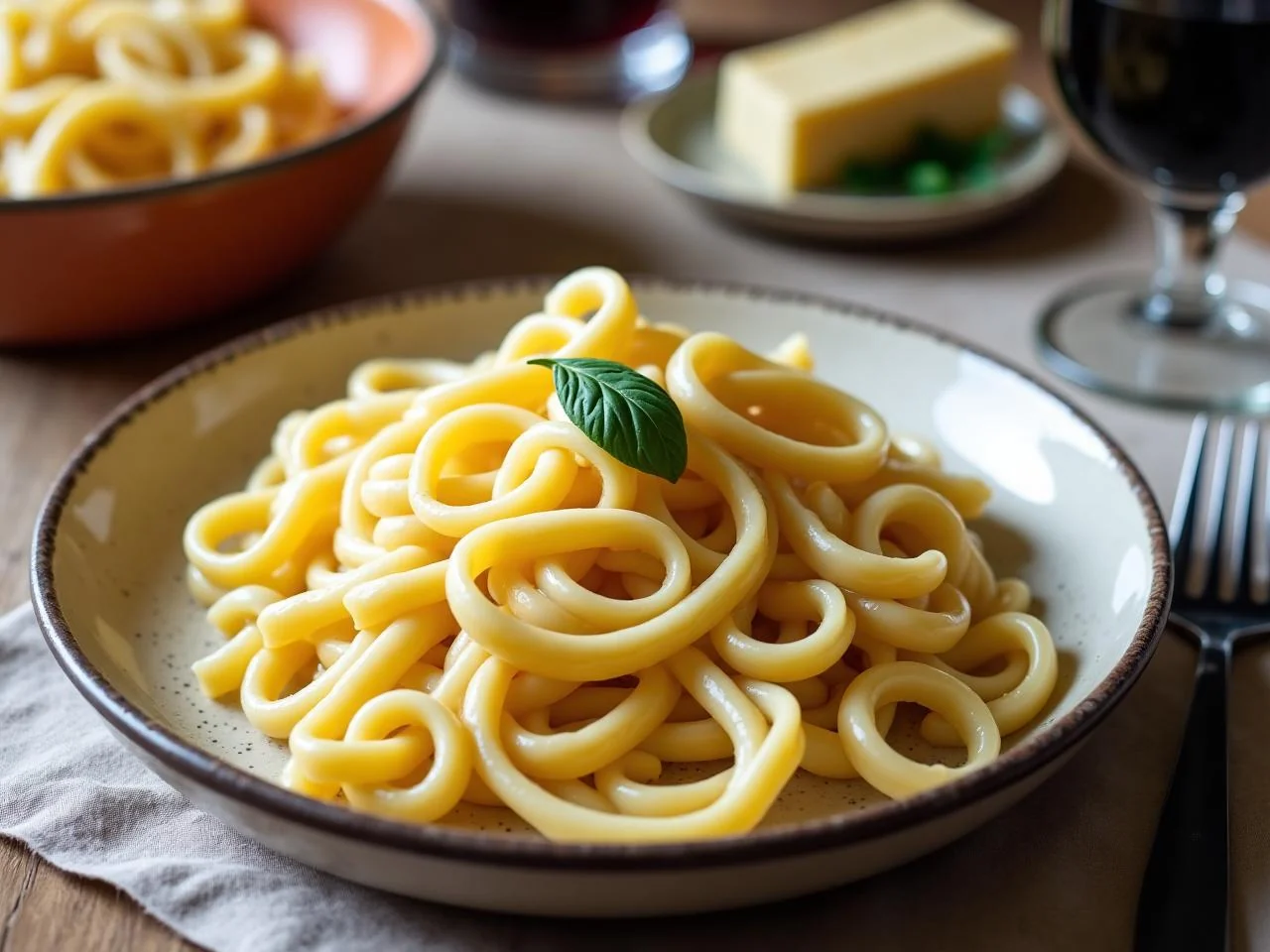
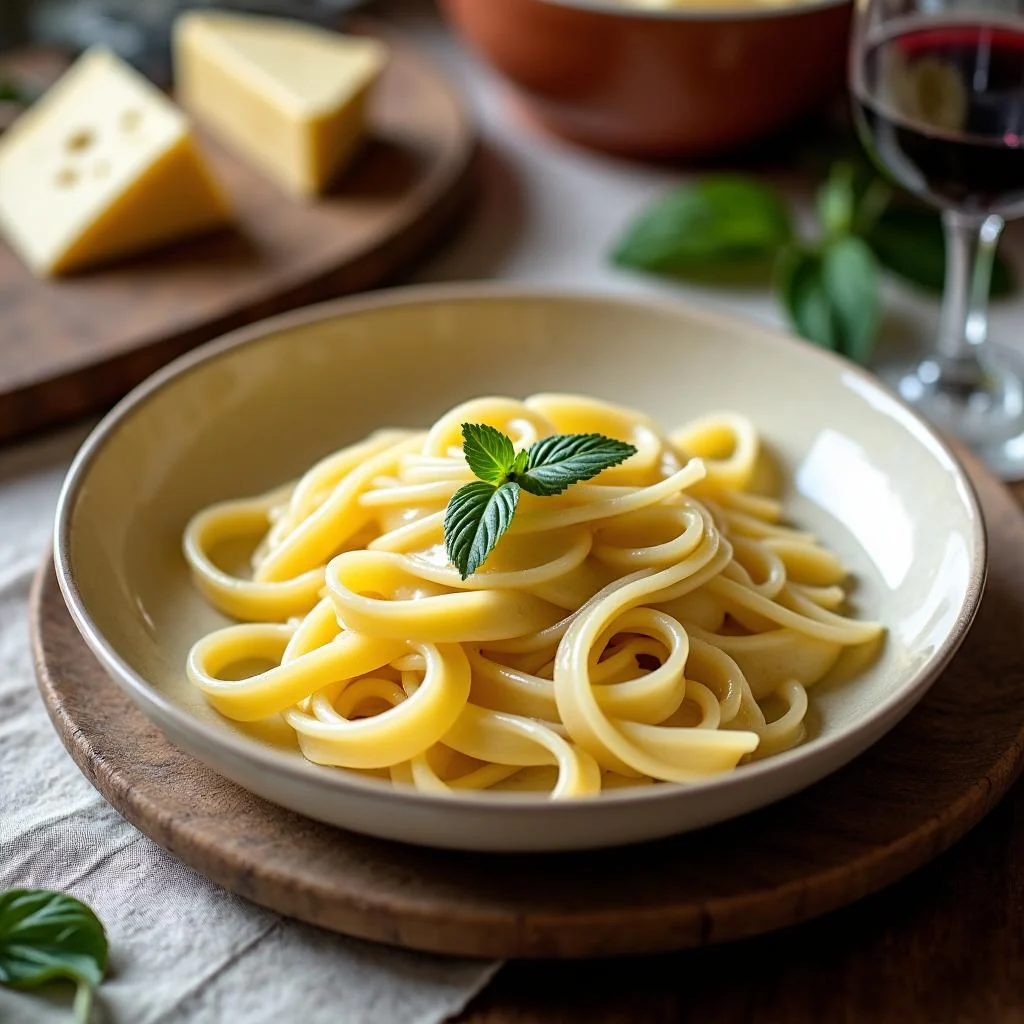
Fettuccine alfredo, a dish that never fails to bring me back to my grandmother's kitchen, where I first learned to roll out pasta dough and simmer rich sauces. This classic Italian-American recipe has been a staple in our family for years, and I'm excited to share it with you. With its silky, creamy sauce and perfectly cooked noodles, it's the ultimate comfort food.
One of my favorite childhood memories is helping my grandmother make fettuccine alfredo for Sunday dinner. She'd let me help with the pasta, teaching me how to roll it out to just the right thickness, and then we'd simmer the sauce together, filling the house with the most incredible aroma. To this day, the smell of butter and parmesan cheese simmering on the stovetop transports me back to those happy times.
This recipe is special because it's made with love and care, just like my grandmother taught me. It's not a complicated dish, but it does require some attention to detail and a bit of patience. The end result, however, is well worth the effort. You'll be rewarded with a dish that's both comforting and elegant, perfect for a weeknight dinner or a special occasion.
As a busy home cook, I know how hard it can be to find the time to make a meal from scratch. But trust me, this fettuccine alfredo is worth the effort. It's a dish that's sure to become a staple in your household, just like it has in mine. And the best part? It's incredibly versatile - you can serve it with a variety of sides, from garlic bread to steamed vegetables, and it's always a crowd-pleaser.
So, whether you're a seasoned cook or just starting out, I hope you'll give this recipe a try. With its rich, creamy sauce and perfectly cooked noodles, it's the perfect dish to add to your repertoire. And who knows - maybe it'll become a family favorite, just like it has in our household.
Why You’ll Love This Recipe
- This recipe is incredibly easy to make, requiring just a few ingredients and some basic cooking techniques.
- It's a crowd-pleaser, perfect for serving to family and friends.
- The dish is highly versatile, and can be served with a variety of sides to suit any taste.
- It's a great way to use up leftover parmesan cheese and heavy cream.
- The recipe makes a large batch, perfect for feeding a crowd or for meal prep.
- It's a comforting, indulgent dish that's sure to become a staple in your household.
Why This Recipe Works
The key to a great fettuccine alfredo is in the sauce. It's all about creating a rich, creamy emulsion that clings to the pasta perfectly. To achieve this, we'll be using a combination of butter, parmesan cheese, and heavy cream. The butter and parmesan provide a deep, nutty flavor, while the cream adds a luxurious texture.
Another important factor is the cooking technique. We'll be cooking the fettuccine until it's just shy of al dente, then finishing it in the sauce. This helps the noodles absorb all the flavors of the sauce, resulting in a dish that's perfectly balanced and delicious.
Finally, it's all about the timing. We'll be adding the parmesan cheese at the end, so it melts into the sauce and creates a smooth, creamy texture. And by tossing the pasta in the sauce off the heat, we'll be able to create a silky, clingy coating that's just perfect.
Ingredients You’ll Need
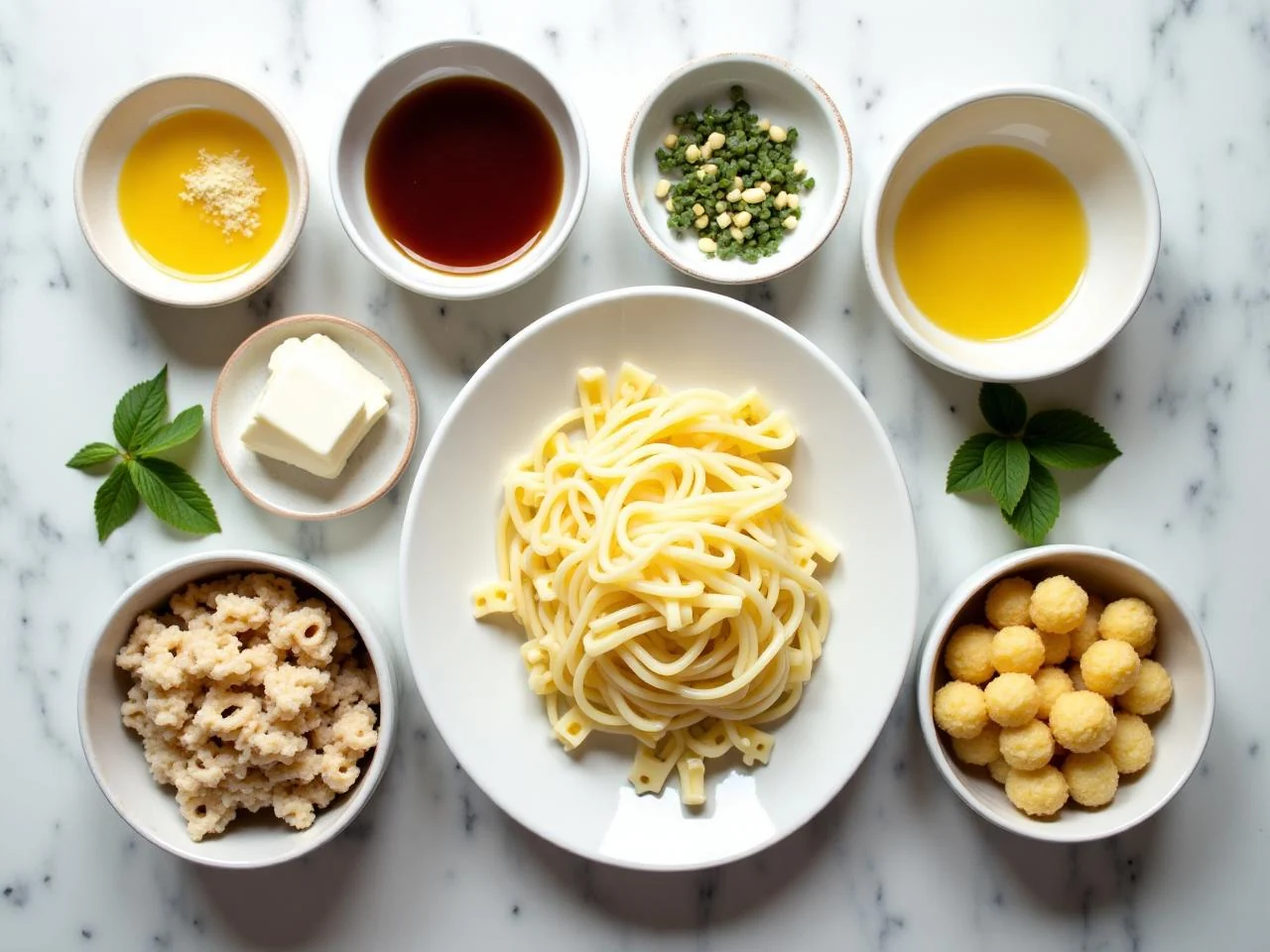
When it comes to making fettuccine alfredo, the ingredients are just as important as the technique. We'll be using a combination of high-quality parmesan cheese, fresh parsley, and rich heavy cream to create a sauce that's both creamy and flavorful. And of course, we'll need some perfectly cooked fettuccine to soak up all that delicious sauce.
When shopping for ingredients, be sure to choose the best quality you can find. Look for parmesan cheese that's been aged for at least 24 months, and heavy cream that's fresh and rich. And don't forget to pick up some fresh parsley, which adds a bright, fresh flavor to the dish.
- 1 lb (450g) fettuccineLook for high-quality fettuccine that's made with durum wheat semolina, which will give the pasta a nice texture and flavor. You can also use other types of pasta, such as spaghetti or linguine, but fettuccine is traditional.
- 6 tbsp (84g) unsalted butterUsing high-quality, unsalted butter will give the sauce a rich, creamy flavor. Make sure to choose a European-style butter with a high fat content, which will help to create a smooth and creamy sauce.
- 3 cloves garlic, mincedFresh garlic is essential to the flavor of the sauce, so be sure to use the best quality you can find. You can also roast the garlic before mincing it, which will give it a deeper, nuttier flavor.
- 1 cup (250ml) heavy creamHeavy cream is what gives the sauce its rich, creamy texture. Look for a high-quality cream that's fresh and rich, and avoid using half-and-half or milk as a substitute.
- 1 cup (115g) grated parmesan cheeseParmesan cheese is the star of the show in this recipe, so be sure to choose a high-quality, aged parmesan. Look for a cheese that's been aged for at least 24 months, which will give it a nutty, salty flavor.
- Salt, to tasteUsing kosher salt or sea salt will give the sauce a more nuanced flavor than regular table salt. Be sure to taste the sauce as you go and adjust the seasoning accordingly.
- Freshly ground black pepper, to tasteFreshly ground black pepper is essential to the flavor of the sauce, so be sure to use a high-quality peppercorn and grind it just before using.
- 2 tbsp (30g) chopped fresh parsleyFresh parsley adds a bright, fresh flavor to the dish, so be sure to choose the best quality you can find. You can also use other herbs, such as basil or thyme, but parsley is traditional.
- 2 tbsp (30g) extra virgin olive oilUsing a high-quality extra virgin olive oil will give the sauce a rich, fruity flavor. Look for an oil that's cold-pressed and has a low acidity level, which will help to create a smooth and creamy sauce.
- 1 tsp (5g) dried basilDried basil adds a subtle, herbal flavor to the sauce, so be sure to choose a high-quality basil that's fresh and aromatic. You can also use fresh basil, but dried basil is more convenient and has a longer shelf life.
- 1 tsp (5g) dried thymeDried thyme adds a subtle, savory flavor to the sauce, so be sure to choose a high-quality thyme that's fresh and aromatic. You can also use fresh thyme, but dried thyme is more convenient and has a longer shelf life.
Equipment You’ll Need
How to Make Fettuccine Alfredo
- 1Bring a large pot of salted water to a boil, then reduce the heat to a simmer. The water should be heavily salted, with about 1 tablespoon of salt per 4 cups of water.
- 2Cook the fettuccine in the boiling water until it's just shy of al dente, about 8-10 minutes. You want the pasta to still have a bit of bite to it, as it will continue to cook in the sauce.
- 3While the pasta is cooking, melt the butter in a large, heavy-bottomed saucepan over medium heat. Add the garlic and cook, stirring occasionally, until it's softened and fragrant, about 2-3 minutes.
- 4Add the heavy cream to the saucepan and bring it to a simmer. Let it cook, stirring occasionally, until it's reduced by about half and has thickened slightly, about 5-7 minutes.
- 5Remove the saucepan from the heat and stir in the parmesan cheese until it's melted and smooth. Season the sauce with salt and pepper to taste.
- 6When the fettuccine is done cooking, drain it in a colander and add it to the saucepan with the cheese sauce. Toss the pasta in the sauce, adding some of the reserved pasta water if the sauce seems too thick.
- 7Add the chopped parsley, dried basil, and dried thyme to the saucepan and toss everything together until the pasta is well coated.
- 8Drizzle the extra virgin olive oil over the pasta and toss everything together until the sauce is smooth and creamy.
- 9Transfer the fettuccine to a large serving bowl and serve it immediately, topped with additional parmesan cheese if desired.
- 10As you serve the pasta, be sure to toss it in the sauce, adding some of the reserved pasta water if the sauce seems too thick. This will help to create a smooth, creamy sauce that clings to the pasta perfectly.
- 11Finally, be sure to taste the pasta as you go and adjust the seasoning accordingly. You can add more salt, pepper, or parmesan cheese to taste, and you can also add some grated nutmeg or lemon zest to give the dish a bit of extra flavor.
Expert Tips
- Use high-quality ingredients, including fresh parsley and real parmesan cheese, to give the dish the best flavor.
- Don't overcook the fettuccine - it should still have a bit of bite to it when you drain it.
- Use a combination of heavy cream and parmesan cheese to create a rich, creamy sauce.
- Add the parmesan cheese at the end, so it melts into the sauce and creates a smooth, creamy texture.
- Toss the pasta in the sauce off the heat, so the starch and fat emulsify into a silky, clingy coating.
- Use a large, heavy-bottomed saucepan to make the sauce, as this will help it to cook evenly and prevent it from burning.
- Don't be afraid to add a bit of reserved pasta water to the sauce if it seems too thick - this will help to create a smooth, creamy sauce that clings to the pasta perfectly.
- Experiment with different ingredients, such as dried basil or thyme, to give the dish a unique flavor.
Common Mistakes to Avoid
- Overcooking the fettuccine, which can make it mushy and unappetizing.
- Not using enough parmesan cheese, which can result in a sauce that's too thin and lacks flavor.
- Not adding the parmesan cheese at the end, which can prevent it from melting into the sauce and creating a smooth, creamy texture.
- Using low-quality ingredients, such as fake parmesan cheese or low-fat cream, which can result in a dish that lacks flavor and texture.
- Not tossing the pasta in the sauce off the heat, which can prevent the starch and fat from emulsifying into a silky, clingy coating.
- Not serving the dish immediately, which can cause the sauce to separate and the pasta to become cold and unappetizing.
Variations and Substitutions
- Adding some sautéed vegetables, such as mushrooms or spinach, to the sauce for extra flavor and nutrition.
- Using different types of pasta, such as spaghetti or linguine, to change up the texture and flavor of the dish.
- Adding some cooked chicken or shrimp to the sauce for extra protein and flavor.
- Using different types of cheese, such as mozzarella or gorgonzola, to give the dish a unique flavor.
- Adding some fresh herbs, such as basil or thyme, to the sauce for extra flavor and aroma.
- Using a combination of heavy cream and Greek yogurt to create a lighter, healthier sauce.
- Adding some grated nutmeg or lemon zest to the sauce for extra flavor and aroma.
What to Serve With Fettuccine Alfredo
Fettuccine alfredo is a dish that's perfect for serving with a variety of sides. Some of our favorites include garlic bread, steamed vegetables, and a simple green salad. You can also serve it with some grilled chicken or shrimp for a more substantial meal.
One of the best things about fettuccine alfredo is its versatility. You can serve it at a fancy dinner party or a casual weeknight dinner, and it's always sure to impress. So don't be afraid to get creative and experiment with different sides and toppings - the possibilities are endless!
Make-Ahead, Storage, Freezing and Reheating
One of the best things about fettuccine alfredo is that it can be made ahead of time and stored in the fridge or freezer. To make it ahead, simply cook the fettuccine and sauce separately, then combine them just before serving. You can also store the cooked fettuccine in an airtight container in the fridge for up to 3 days, or freeze it for up to 2 months.
To freeze the fettuccine, simply place it in a single layer on a baking sheet and put it in the freezer. Once it's frozen, transfer it to an airtight container or freezer bag and store it for up to 2 months. To reheat, simply thaw the fettuccine overnight in the fridge, then reheat it in the sauce over low heat, stirring occasionally, until it's hot and creamy.
To store the sauce, simply place it in an airtight container in the fridge for up to 3 days, or freeze it for up to 2 months. To reheat, simply thaw the sauce overnight in the fridge, then reheat it over low heat, stirring occasionally, until it's hot and creamy.
When reheating the fettuccine and sauce, be sure to stir it occasionally to prevent it from burning or sticking to the pan. You can also add a bit of reserved pasta water to the sauce if it seems too thick, which will help to create a smooth, creamy sauce that clings to the pasta perfectly.
Frequently Asked Questions
What type of pasta is best for fettuccine alfredo?
Fettuccine is the traditional pasta choice for this dish, but you can also use other types of pasta, such as spaghetti or linguine. Just be sure to cook it until it's al dente, then toss it in the sauce.
Can I use low-fat cream or half-and-half instead of heavy cream?
While you can use low-fat cream or half-and-half as a substitute, it's not recommended. Heavy cream is what gives the sauce its rich, creamy texture, and using a lower-fat substitute can result in a sauce that's too thin and lacks flavor.
How do I prevent the sauce from separating or becoming too thick?
To prevent the sauce from separating or becoming too thick, be sure to stir it occasionally as it's reheating, and add a bit of reserved pasta water if it seems too thick. You can also try whisking the sauce vigorously to re-emulsify it.
Can I make fettuccine alfredo ahead of time?
Yes, you can make fettuccine alfredo ahead of time. Simply cook the fettuccine and sauce separately, then combine them just before serving. You can also store the cooked fettuccine in an airtight container in the fridge for up to 3 days, or freeze it for up to 2 months.
What are some variations on the traditional fettuccine alfredo recipe?
There are many variations on the traditional fettuccine alfredo recipe. Some ideas include adding sautéed vegetables, cooked chicken or shrimp, or different types of cheese. You can also try using different types of pasta, such as spaghetti or linguine, or adding some fresh herbs, such as basil or thyme, to the sauce.
How do I reheat frozen fettuccine alfredo?
To reheat frozen fettuccine alfredo, simply thaw it overnight in the fridge, then reheat it in the sauce over low heat, stirring occasionally, until it's hot and creamy. You can also try reheating it in the microwave, but be careful not to overheat it, as this can cause the sauce to separate or become too thick.
Can I freeze the sauce separately from the fettuccine?
Yes, you can freeze the sauce separately from the fettuccine. Simply place it in an airtight container or freezer bag and store it in the freezer for up to 2 months. To reheat, simply thaw the sauce overnight in the fridge, then reheat it over low heat, stirring occasionally, until it's hot and creamy.
How do I prevent the fettuccine from becoming mushy or overcooked?
To prevent the fettuccine from becoming mushy or overcooked, be sure to cook it until it's just shy of al dente, then drain it and toss it in the sauce. You can also try adding a bit of reserved pasta water to the sauce if it seems too thick, which will help to create a smooth, creamy sauce that clings to the pasta perfectly.
Can I use gluten-free pasta instead of traditional pasta?
Yes, you can use gluten-free pasta instead of traditional pasta. Just be sure to cook it according to the package instructions and adjust the cooking time as needed. You can also try using different types of gluten-free pasta, such as rice-based or quinoa-based pasta, to find one that works best for you.
Ingredients
- 1 lb (450g) fettuccine
- 6 tbsp (84g) unsalted butter
- 3 cloves garlic, minced
- 1 cup (250ml) heavy cream
- 1 cup (115g) grated parmesan cheese
- Salt, to taste
- Freshly ground black pepper, to taste
- 2 tbsp (30g) chopped fresh parsley
- 2 tbsp (30g) extra virgin olive oil
- 1 tsp (5g) dried basil
- 1 tsp (5g) dried thyme
Instructions
- Bring a large pot of salted water to a boil, then reduce the heat to a simmer. The water should be heavily salted, with about 1 tablespoon of salt per 4 cups of water.
- Cook the fettuccine in the boiling water until it's just shy of al dente, about 8-10 minutes. You want the pasta to still have a bit of bite to it, as it will continue to cook in the sauce.
- While the pasta is cooking, melt the butter in a large, heavy-bottomed saucepan over medium heat. Add the garlic and cook, stirring occasionally, until it's softened and fragrant, about 2-3 minutes.
- Add the heavy cream to the saucepan and bring it to a simmer. Let it cook, stirring occasionally, until it's reduced by about half and has thickened slightly, about 5-7 minutes.
- Remove the saucepan from the heat and stir in the parmesan cheese until it's melted and smooth. Season the sauce with salt and pepper to taste.
- When the fettuccine is done cooking, drain it in a colander and add it to the saucepan with the cheese sauce. Toss the pasta in the sauce, adding some of the reserved pasta water if the sauce seems too thick.
- Add the chopped parsley, dried basil, and dried thyme to the saucepan and toss everything together until the pasta is well coated.
- Drizzle the extra virgin olive oil over the pasta and toss everything together until the sauce is smooth and creamy.
- Transfer the fettuccine to a large serving bowl and serve it immediately, topped with additional parmesan cheese if desired.
- As you serve the pasta, be sure to toss it in the sauce, adding some of the reserved pasta water if the sauce seems too thick. This will help to create a smooth, creamy sauce that clings to the pasta perfectly.
- Finally, be sure to taste the pasta as you go and adjust the seasoning accordingly. You can add more salt, pepper, or parmesan cheese to taste, and you can also add some grated nutmeg or lemon zest to give the dish a bit of extra flavor.