Picture this: I’m standing in a cramped kitchen, a bag of regular pasta in one hand, a packet of high‑protein pasta in the other, and a sudden craving that feels like a culinary dare. I’ve been chasing that sweet spot where a hearty meal feels like a cheat‑day indulgence but still keeps my protein goals in check. The moment I opened the high‑protein box, the aroma of subtle wheat hit my senses, and I knew I was about to craft something that would make even my most skeptical friend say, “I dare you to taste this and not go back for seconds.”
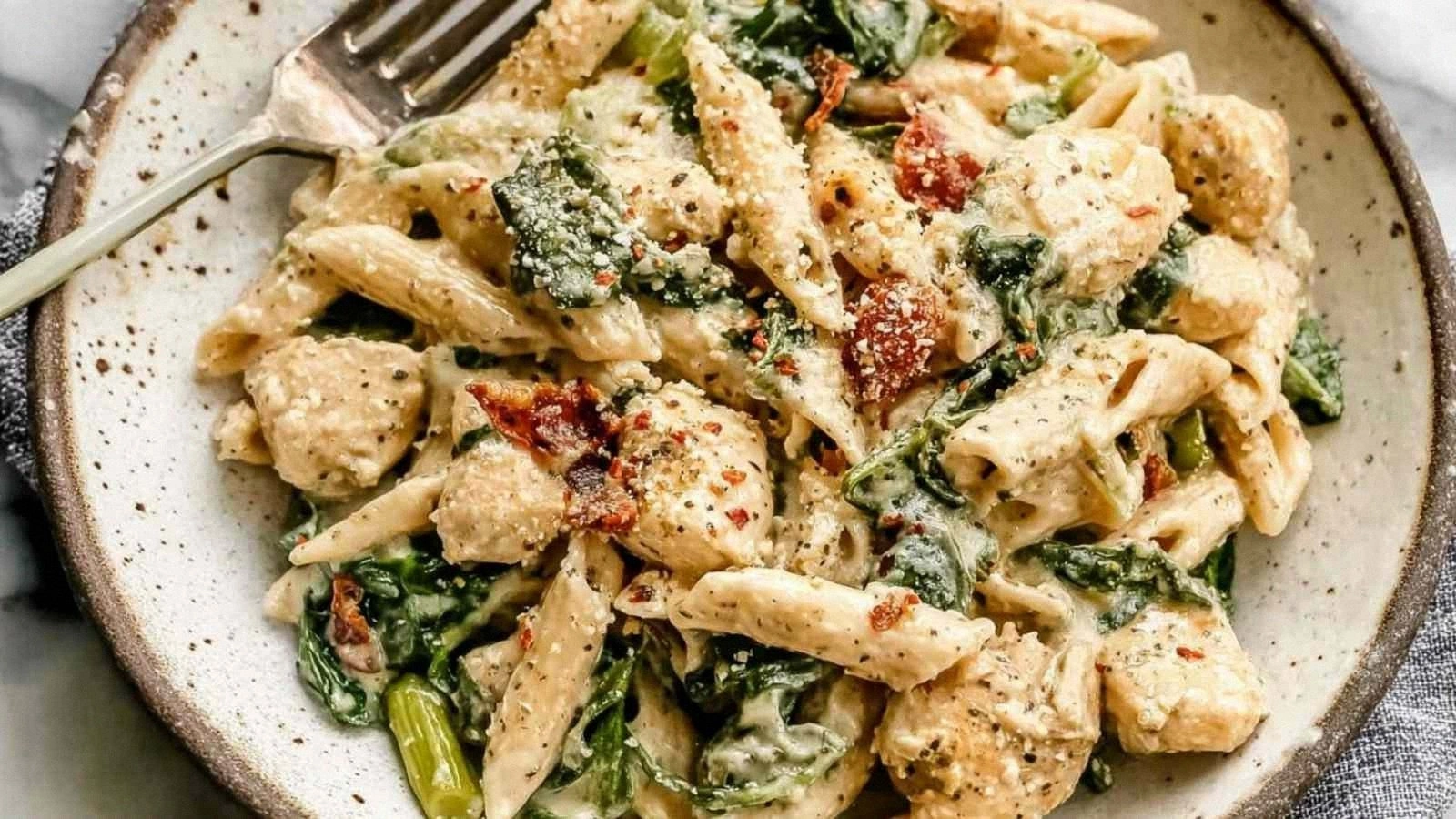
In the first few seconds, the sizzling of olive oil on the stove feels like a drumroll. The chicken, already seasoned, releases a savory perfume that mingles with the sharpness of garlic and the smoky whisper of Cajun spice. The sun‑dried tomatoes add a burst of umami, and as I fold in spinach, the green swirls look like fresh paint on a culinary canvas. Every sound, every scent, every texture is a promise of flavor that’s about to unfold.
This isn’t just another pasta recipe. It’s a carefully engineered, protein‑rich masterpiece that balances indulgence and nutrition. The creamy cottage‑cheese base coats the noodles like velvet, while the Parmesan gives a subtle crunch that contrasts with the silky sauce. And the chicken? It’s not just a protein source; it’s the backbone that holds the dish together, giving it a satisfying bite that’s both hearty and light.
What makes this version stand out is a secret technique I discovered after a kitchen mishap: using low‑fat cottage cheese instead of heavy cream to keep the sauce rich yet low in fat. I’ll be honest—I ate half the batch before anyone else got a taste. If you’ve ever struggled with bland pasta, you’re not alone, and I’ve got the fix. Let me walk you through every single step—by the end, you’ll wonder how you ever made it any other way.
What Makes This Version Stand Out
- Taste: The combination of Cajun and Italian seasonings creates a layered flavor profile that dances on the palate. It’s bold yet balanced, ensuring every bite is memorable.
- Texture: The high‑protein pasta offers a firm bite that resists the creamy sauce, preventing the dish from becoming mushy.
- Nutrition: With 25 grams of protein per serving and a low-fat base, this dish keeps your macros on track without compromising flavor.
- Simplicity: All steps are straightforward, making it approachable for beginners and efficient for busy weeknights.
- Crowd‑Pleaser: Friends rave about the creamy sauce and the surprising kick of Cajun spice—perfect for dinner parties.
- Make‑Ahead: The sauce can be prepared a day ahead, and the pasta reheat beautifully, making it ideal for meal prep.
Alright, let’s break down exactly what goes into this masterpiece…
Inside the Ingredient List
The Flavor Base
High‑protein pasta is the star that gives this dish its structural integrity. It holds up against the rich sauce and maintains a satisfying chew. Skipping it would turn the dish into a mushy mess, and you’ll lose that “al dente” satisfaction that keeps you coming back for more. If you’re craving a gluten‑free option, opt for a certified gluten‑free high‑protein pasta; the texture remains similar.
The Texture Crew
Low‑fat cottage cheese is the secret sauce that gives this pasta its silky coat without the heaviness of traditional cream. It adds moisture and a slight tang that balances the savory elements. If you can’t find cottage cheese, Greek yogurt is a decent stand‑in, but be ready for a slightly thicker consistency. The Parmesan adds a nutty crunch; a pinch of extra cheese on top before serving elevates the finish.
The Unexpected Star
Sun‑dried tomatoes bring a concentrated burst of sweetness and acidity that cuts through the richness. Their chewy texture contrasts with the smooth sauce, creating a multi‑sensory experience. If you’re not a fan, replace them with roasted red peppers for a milder, sweeter note.
The Final Flourish
Fresh basil and spinach are the green finish that injects freshness and color. Spinach softens into a velvety leaf that blends seamlessly with the sauce, while basil offers a bright, aromatic lift that wakes up the dish. If you’re short on time, frozen spinach works fine, but fresh gives the best flavor.
Everything’s prepped? Good. Let’s get into the real action…
The Method — Step by Step
- Prep the pasta. Bring a large pot of salted water to a boil and add the high‑protein pasta. Cook for 2 minutes less than the package instructions to keep it al dente. Drain and set aside, reserving a cup of pasta water for later. The pasta should feel firm to the bite, like a slight resistance when you chew.
- Season the chicken. While the pasta cooks, pat the chicken dry and coat it evenly with Cajun seasoning and Italian seasoning. The spices should cling to the surface, forming a flavorful crust. If you prefer a milder taste, reduce the Cajun seasoning to half.
- Sear the chicken. Heat olive oil in a large skillet over medium‑high heat. Add the chicken and cook for 3–4 minutes per side until golden brown and cooked through. The surface should develop a caramelized crust that locks in flavor. Flip only once to avoid breaking the pieces.
- Build the sauce. Reduce heat to medium. Add minced garlic and sauté for 30 seconds until fragrant, being careful not to burn it. Then stir in the cottage cheese, Parmesan, and milk. The mixture should thicken into a creamy sauce. Keep stirring to prevent lumps.
Watch Out: If the sauce starts to separate, lower the heat and add a splash of pasta water to re‑emulsify.
- Introduce the veggies. Toss in the sun‑dried tomatoes and spinach, stirring until the spinach wilts and the tomatoes soften. The spinach should release a slight steam, indicating it’s ready. This step adds color and a subtle earthy note that balances the richness.
- Combine pasta and sauce. Return the drained pasta to the skillet, tossing it with the sauce and chicken until every strand is coated. If the sauce is too thick, add reserved pasta water a tablespoon at a time until you reach desired consistency. The pasta should feel silky and the sauce should cling to each noodle.
- Finish with basil. Sprinkle fresh basil over the top, letting it wilt slightly from the residual heat. The basil’s aroma should fill the kitchen, signaling the dish’s final transformation. Serve immediately, perhaps with an extra grating of Parmesan on the side.
That’s it— you did it. But hold on, I’ve got a few more tricks that will take this to another level…
Insider Tricks for Flawless Results
The Temperature Rule Nobody Follows
Many cooks keep the heat too high, causing the sauce to scorch. Keep the pan at medium or medium‑low once the garlic is sautéed. This gentle heat allows the cottage cheese to melt evenly and prevents the sauce from separating.
Why Your Nose Knows Best
Before you add the final basil, sniff the dish. A bright, herbaceous aroma signals that the basil is fresh and not wilted. If the scent is flat, it’s a sign that the basil may be past its prime.
The 5‑Minute Rest That Changes Everything
After cooking, let the dish rest for five minutes off the heat. This resting period allows the flavors to meld, giving the sauce a smoother consistency. It also gives the chicken a chance to re‑absorb juices.
Use the Right Pan
A heavy‑bottomed skillet distributes heat evenly, preventing hot spots that could burn the sauce. If you’re in a pinch, a stainless steel pan works fine, just keep a close eye on the temperature.
Keep the Pasta Water Handy
That starchy water is your secret weapon. It helps bind the sauce to the pasta, giving a silky finish. Add it gradually, tasting as you go, until you achieve the perfect thickness.
Serve with a Side
Pair this dish with a simple green salad or roasted veggies to add crunch. The contrast of textures will elevate the overall meal experience.
Creative Twists and Variations
This recipe is a playground. Here are some of my favorite ways to switch things up:
Spicy Sriracha Kick
Add a tablespoon of Sriracha to the sauce for a fiery twist. The heat pairs beautifully with the Cajun seasoning, creating a layered spice profile that excites the palate.
Vegetarian Version
Omit the chicken and add a cup of cooked chickpeas. The chickpeas provide protein while keeping the dish plant‑based and hearty.
Greek Twist
Swap the Parmesan for crumbled feta and add a handful of kalamata olives. This gives the dish a Mediterranean flair with salty, tangy notes.
Low‑Calorie Swap
Use a low‑fat mozzarella instead of cottage cheese and reduce the milk to 1/4 cup. The result is a lighter sauce that still delivers creaminess.
Breakfast Edition
Serve the pasta with a poached egg on top. The runny yolk adds richness, turning the dish into a satisfying brunch.
Gluten‑Free Adaptation
Use gluten‑free high‑protein pasta and ensure all seasonings are gluten‑free. The texture remains similar, and the flavor profile stays intact.
Storing and Bringing It Back to Life
Fridge Storage
Store leftovers in an airtight container for up to 3 days. Keep the sauce separate if possible; mix just before reheating to preserve texture.
Freezer Friendly
Freeze in a freezer‑safe container for up to 2 months. Thaw overnight in the fridge, then reheat gently on the stove with a splash of milk.
Best Reheating Method
Reheat on low heat, stirring frequently. Add a tiny splash of water or milk to steam back to perfection and prevent the sauce from drying out.