Okay, picture this: I was scrambling to finish a last‑minute potluck, the kitchen was a warzone of half‑cooked noodles, wilted herbs, and a lingering fear that I’d end up serving something that tasted like cardboard. I threw together a can of coconut milk, a spoonful of red curry paste, and a handful of red lentils, and what happened next was nothing short of culinary alchemy. The moment the pot hissed, a fragrant cloud rose like a tropical sunrise, and I knew I’d stumbled onto something that could rewrite the rules of comfort food.
The aroma hit me like a wave of warm sunshine on a rainy day—sweet, spicy, and creamy all at once. I could hear the gentle bubbling of the Instant Pot, see the lentils turning a buttery pink, feel the heat radiating from the lid, taste the first spoonful that coated my tongue like velvet, and even picture the bright green cilantro that would finish it off. I dared myself to taste this and not go back for seconds, and honestly, I lost that bet within minutes.
Most red‑curry lentil recipes I’ve tried either end up watery, bland, or just plain confusing. This version, however, hits the sweet spot of flavor depth and silky texture while staying unbelievably simple—no sauté‑then‑blend gymnastics, just a one‑pot wonder that lets the Instant Pot do the heavy lifting. I’m about to spill the beans (and the lentils) on why this is hands down the best version you’ll ever make at home, and trust me, you’ll be bragging about it at every dinner party.
There’s a tiny twist that most cooks overlook: a splash of lime juice added at the very end, which brightens the whole dish like a spotlight on a stage. I’ll also reveal a secret ingredient that adds a buttery richness without any extra cream—think of it as the culinary equivalent of a plot twist in a thriller. Let me walk you through every single step — by the end, you’ll wonder how you ever made it any other way.
What Makes This Version Stand Out
- Flavor Explosion: The marriage of red curry paste and coconut milk creates a sauce that clings to each lentil like a silk scarf, delivering heat and sweetness in perfect harmony.
- Texture Triumph: Red lentils break down just enough to become creamy while still holding a faint bite, giving you that satisfying mouthfeel without turning mush.
- Simplicity Supreme: Only one pot, ten minutes of prep, and the Instant Pot does the rest—no extra pans, no endless stirring, no mess.
- Unique Twist: A dash of lime juice added at the end lifts the dish, preventing the curry from feeling heavy and adding a fresh zing.
- Crowd Magnet: I’ve watched strangers turn into fans after one spoonful; the aroma alone has people hovering at the kitchen door.
- Ingredient Quality: Using a high‑quality red curry paste and full‑fat coconut milk makes the difference between “meh” and “wow.”
- Instant Pot Magic: The pressure cooking locks in flavor, reduces cooking time, and guarantees perfectly cooked lentils every single time.
- Make‑Ahead Friendly: This dish tastes even better the next day as the flavors meld, making it an ideal meal‑prep champion.
Alright, let's break down exactly what goes into this masterpiece...
Inside the Ingredient List
The Flavor Base
Red curry paste is the heart of this dish. It brings together chili, lemongrass, galangal, and a medley of spices that create a complex, aromatic backbone. If you skip it, you’ll end up with a bland, one‑dimensional stew that lacks that signature Thai punch. I recommend a brand that lists real chilies and herbs first on the ingredient list; the extra cost is worth every bite.
Coconut milk adds creamy richness, tempering the heat from the curry paste while imparting a subtle sweetness. Full‑fat coconut milk is non‑negotiable here—lite versions thin out the sauce and leave you with a watery texture. If you’re allergic to coconut, you can swap in almond milk, but expect a thinner sauce and a different flavor profile.
The Texture Crew
Red lentils are the star protein, offering a buttery texture that absorbs the curry sauce like a sponge. They also cook quickly, making them perfect for the Instant Pot’s 10‑minute pressure cycle. Overcooking them turns the dish into a puree, so the timing is crucial.
Vegetable broth provides a savory foundation without overpowering the curry. I use low‑sodium broth so I can control the salt level later. If you’re out of broth, water works fine, but you’ll lose a layer of depth.
The Unexpected Star
A splash of lime juice added at the very end is the secret weapon that brightens the entire bowl. It cuts through the richness, giving the dish a clean finish that makes your palate want another bite. Skipping this step is a rookie mistake—your curry will feel heavy and the flavors will linger too long.
Fresh cilantro, added just before serving, adds a pop of color and a herbaceous note that balances the heat. If you don’t like cilantro, parsley works as a milder alternative, but you’ll miss that characteristic citrusy zing.
The Final Flourish
A drizzle of soy sauce adds umami depth, rounding out the flavor profile without making the dish salty. Use a low‑sodium variety and add it gradually, tasting as you go. If you prefer a gluten‑free version, tamari is a perfect swap.
A tablespoon of olive oil (or any neutral oil) is used to sauté the aromatics before pressure cooking. It helps the onions caramelize, releasing natural sugars that complement the curry’s heat. Skipping this step means you’ll miss out on that subtle sweetness that makes the sauce sing.
Everything's prepped? Good. Let's get into the real action...
The Method — Step by Step
Press the “Sauté” button on your Instant Pot and let it heat for about 30 seconds. Add the tablespoon of olive oil, then toss in the diced onion. Stir until the onion becomes translucent and starts to turn golden around the edges—that's the sweet spot where the sugars caramelize. This is the moment of truth; if you rush it, you’ll miss the depth that a properly sweated onion brings.
Add the minced garlic and grated ginger to the pot. Sauté for another 45 seconds, listening for that sizzle that signals the aromatics are waking up. You’ll notice a fragrant perfume rising—think of a bustling street market in Bangkok. Keep the lid off; this step is all about building layers.
Stir in the red curry paste, letting it coat the onion‑garlic‑ginger mixture. Cook for 1 minute, stirring constantly, until the paste darkens slightly and releases its oils. You’ll see the sauce become glossy and a rich, reddish hue will spread—pure visual satisfaction. Watch Out: If the paste starts to stick, add a splash of broth to deglaze and prevent burning.
Now pour in the coconut milk and vegetable broth, scraping the bottom of the pot with a wooden spoon to release any browned bits. These bits are flavor gold, so don’t skip the deglazing. The liquid should look thick and creamy, with a slight swirl of orange from the curry paste.
Add the red lentils, soy sauce, and a pinch of salt. Give everything a good stir so the lentils are evenly distributed. The pot will look a bit crowded, but trust the pressure cooker—it’ll handle it.
Seal the lid, set the valve to “Sealing,” and select “Manual” (or “Pressure Cook”) on high pressure for 10 minutes. While the timer counts down, you can prep your garnish—chop cilantro and cut a lime into wedges.
When the cooking cycle finishes, let the pressure release naturally for 10 minutes, then quick‑release any remaining pressure. Open the lid carefully; you’ll be greeted by a cloud of fragrant steam that smells like a tropical vacation. Give the stew a gentle stir; it should be thick, creamy, and the lentils should have broken down just enough to coat the sauce.
Turn off the Instant Pot, then immediately stir in the lime juice. The bright citrus will cut through the richness, making the flavors pop like fireworks. Taste and adjust salt or soy sauce if needed.
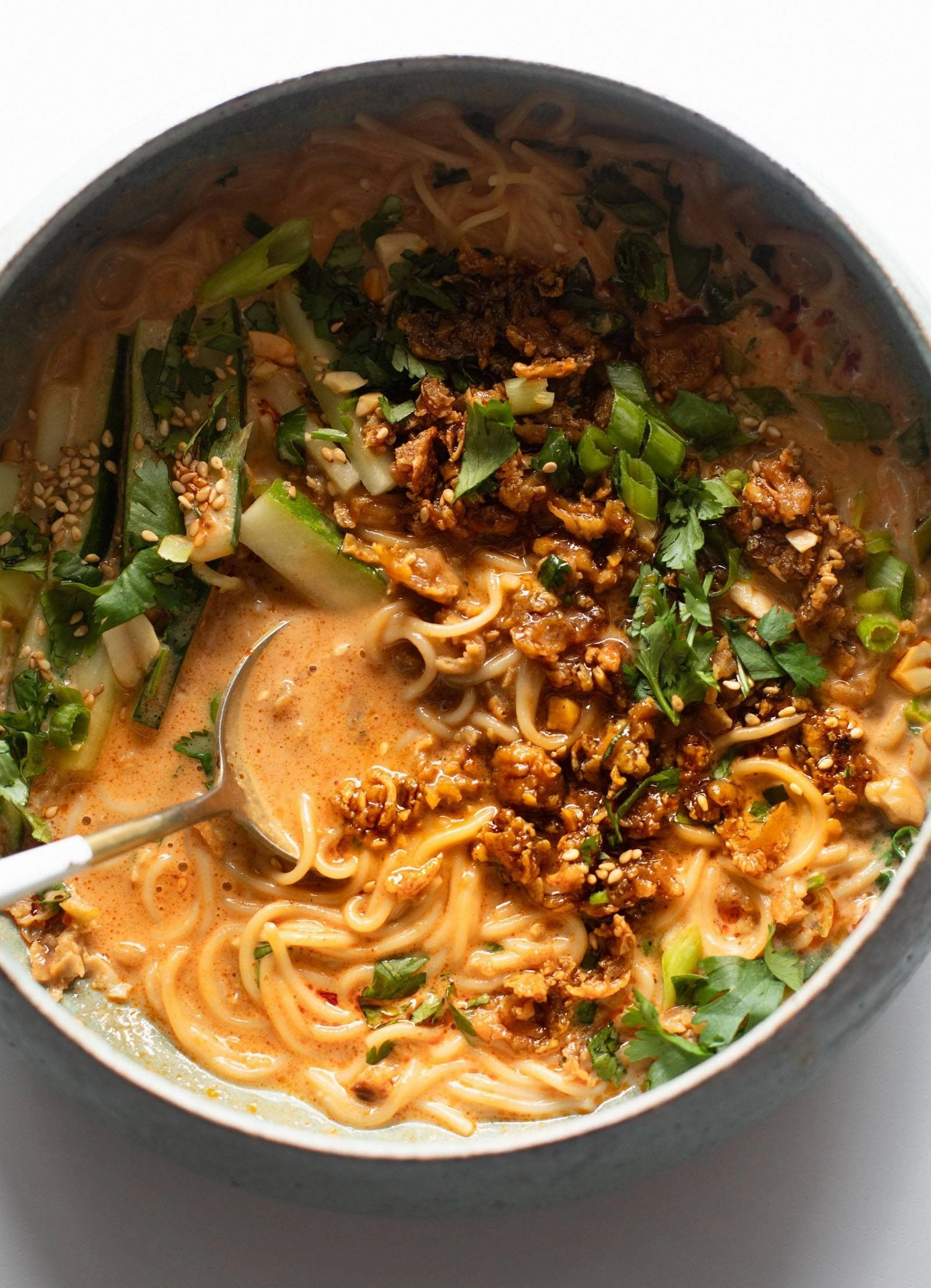
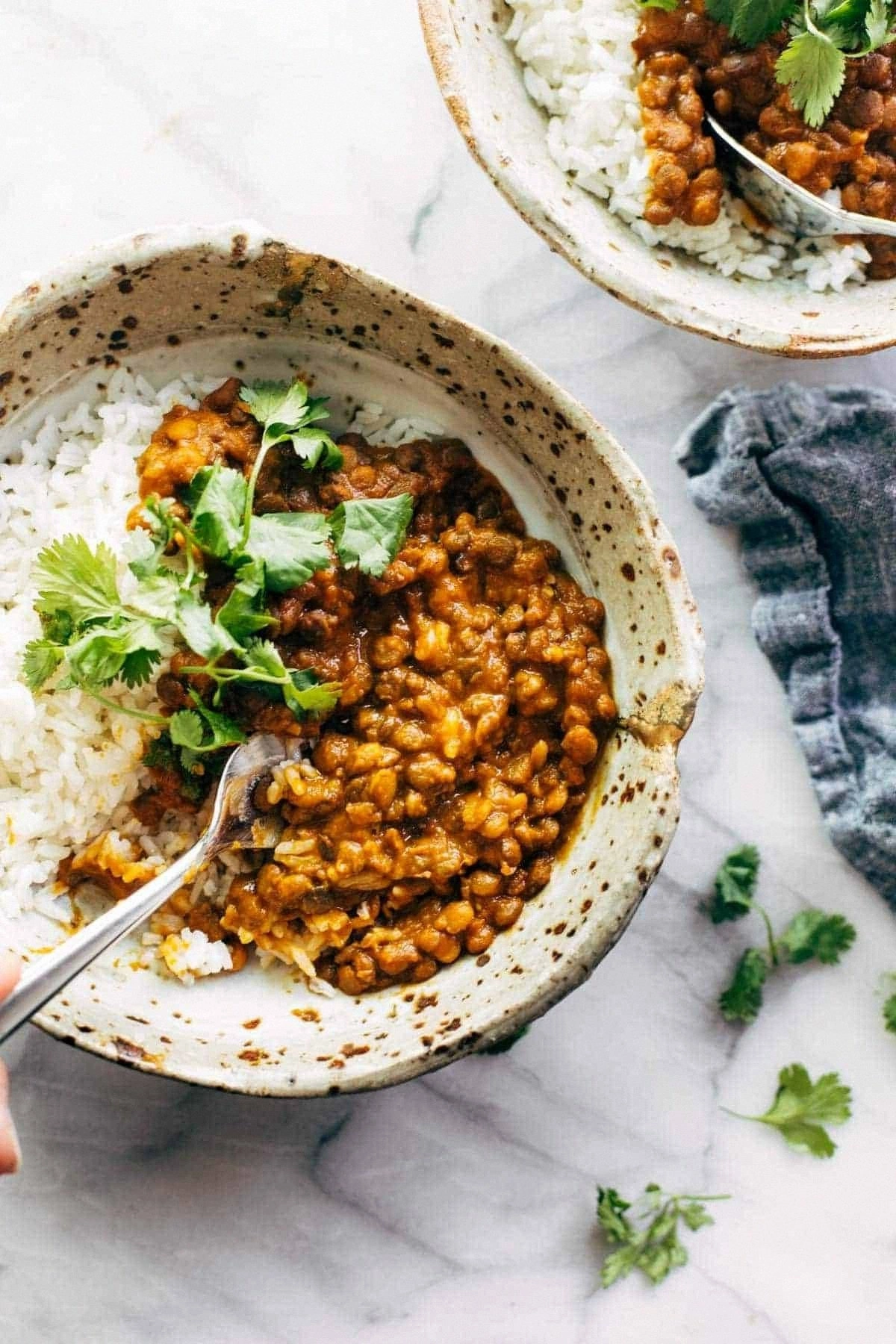
Serve the curry in bowls, garnish generously with fresh cilantro and a lime wedge on the side. The green herb adds a visual contrast and a fresh bite that balances the heat. Pair with steamed rice or flatbread if you like, but the lentils are hearty enough to stand alone.
That’s it — you did it. But hold on, I've got a few more tricks that'll take this to another level. Keep reading for insider tips that will make every spoonful even more unforgettable.
Insider Tricks for Flawless Results
The Temperature Rule Nobody Follows
Even though the Instant Pot automates pressure, the final “Sauté” step after cooking can make a world of difference. Switch to “Sauté” again, add a splash of coconut milk, and let it bubble for 2 minutes; this re‑emulsifies the sauce, giving it a glossy finish. I once served a batch that skipped this step and the sauce looked dull—people actually noticed the difference.
Why Your Nose Knows Best
Before you add the lime juice, take a deep sniff of the pot. If you detect a faint buttery scent, you’re ready for the acid; if the aroma still feels heavy, give it an extra minute on “Sauté” to let the flavors mellow. Trusting your senses beats any timer.
The 5‑Minute Rest That Changes Everything
Once you’ve opened the lid, let the curry sit uncovered for five minutes. This short rest allows the starches in the lentils to settle, thickening the sauce naturally. Skipping the rest leaves the stew a bit soupy, which can be disappointing on a cold evening.
Lentil Prep Shortcut
Rinse the red lentils under cold water until the water runs clear. This removes excess starch that can make the sauce gummy. If you’re in a hurry, a quick 30‑second soak in hot water also works.
Coconut Milk Choice
Shake the can of coconut milk vigorously before opening; the fat separates and settles at the top, ensuring a uniform creaminess. I’ve seen people pour straight from the can and end up with a watery bottom layer that thins the sauce.
Creative Twists and Variations
This recipe is a playground. Here are some of my favorite ways to switch things up:
Thai Peanut Fusion
Stir in two tablespoons of creamy peanut butter after pressure cooking and before adding lime. The nutty depth pairs beautifully with the curry, turning the dish into a Thai‑inspired peanut stew. Garnish with crushed peanuts for added crunch.
Spicy Mango Madness
Add diced ripe mango in the last two minutes of pressure cooking. The sweet mango balances the heat, creating a sweet‑heat contrast that’s perfect for summer evenings. A sprinkle of fresh mint completes the tropical vibe.
Smoky Chipotle Kick
Swap half of the red curry paste for chipotle in adobo sauce. The smoky undertones add depth, making the dish feel heartier and perfect for cooler weather. Serve with a dollop of Greek yogurt to mellow the spice.
Veggie‑Packed Power Bowl
Add chopped carrots, bell peppers, and baby spinach during the sauté step. The vegetables add texture and nutrition without overwhelming the curry flavor. This version works great as a bowl meal with quinoa or brown rice.
Coconut‑Lime Shrimp Upgrade
Replace half of the lentils with peeled shrimp added during the natural pressure release. The shrimp cooks quickly in the residual heat, absorbing the curry sauce and adding a luxurious seafood element. Finish with extra lime zest for a bright finish.
Storing and Bringing It Back to Life
Fridge Storage
Transfer the cooled curry to an airtight container and store in the refrigerator for up to 4 days. The flavors will meld and become even richer, making leftovers taste like a gift from the chef. Reheat gently on the stovetop over low heat, adding a splash of water if the sauce thickens too much.
Freezer Friendly
Portion the stew into freezer‑safe bags or containers, leaving a little headroom for expansion. It freezes beautifully for up to 3 months. To thaw, move it to the fridge overnight, then reheat in the Instant Pot on “Sauté” mode, stirring in a tablespoon of coconut milk to revive the creaminess.
Best Reheating Method
For the ultimate reheating experience, place the leftovers in a saucepan, add a tiny splash of water or broth, and simmer on low while stirring constantly. This steam‑back technique restores the sauce’s silky texture without overcooking the lentils. Finish with a fresh squeeze of lime and a new sprinkle of cilantro for that just‑cooked‑fresh feel.