It was a rainy Tuesday, the kind of evening when the kitchen feels like a sanctuary and the only thing you want to do is bake something that feels like a hug. I had just pulled a box of mangoes from the grocery store, the skins glistening like tiny suns, and a craving for something sweet, creamy, and tropical that would make my taste buds do a little dance. I stared at the box, then at the recipe I’d seen online that promised a “mango cheesecake” and I thought, “This is a dare.” I dared myself to turn a simple cheesecake into a tropical masterpiece that would make every bite feel like a vacation in the Caribbean.
Picture the kitchen: the counter is a canvas of flour dust, the air is thick with the sweet scent of ripe mangoes, and the sound of the oven timer is a metronome for the deliciousness to come. As I slice the mangoes, their bright yellow flesh releases a perfume that makes even the most skeptical palate swoon. The texture of the fruit is a silky promise of a smooth filling, and the subtle citrus notes from the lime juice are like a fresh breeze that lifts the entire dish. Every spoonful will be a contrast between the buttery graham crust and the velvety mango cheesecake, a harmony of sweet, tart, and creamy that feels like a vacation in a bowl.
What sets this version apart is not just the use of fresh mango puree or the addition of lime juice, but the way each component is elevated to create a symphony of flavors and textures. This isn’t the run‑of‑the‑mill cheesecake that sits on the counter for hours; this one is a quick, yet indulgent treat that feels like a dessert you’d serve at a fancy dinner party. It’s hands down the best version you’ll ever make at home, and I dare you to taste this and not go back for seconds. I’ll be honest — I ate half the batch before anyone else got to try it, and that’s saying something. The result is a cheesecake that is simultaneously airy and dense, with a crust that crumbles like fine sand and a filling that melts in your mouth like a tropical breeze.
If you’ve ever struggled with a cheesecake that turns out too dense or too runny, you’re not alone — and I’ve got the fix. Picture yourself pulling this out of the oven, the whole kitchen smelling incredible, the steam curling in lazy ribbons, and the first bite revealing that perfect balance of sweet mango, subtle citrus, and creamy cheese. This is a recipe that will become your new favorite, a dessert that will make you feel like a culinary wizard. Let me walk you through every single step — by the end, you’ll wonder how you ever made it any other way.
What Makes This Version Stand Out
- Texture: The cheesecake’s filling is a silky blend that feels like a cloud of mango cream, yet it sets firmly thanks to gelatin, giving you a satisfying bite without the heaviness of traditional cheesecakes.
- Flavor: Fresh ripe mango puree delivers authentic tropical sweetness that is far superior to canned or frozen alternatives, while a splash of lime juice cuts through the richness for a bright, refreshing finish.
- Ease: The crust is made from simple graham cracker crumbs and butter, no elaborate meringues or pastry shells required—just press, bake, and chill.
- Versatility: It can be served as a light dessert or a decadent treat; add a drizzle of coconut cream or a dusting of toasted coconut for a different twist.
- Make‑ahead: Chill overnight and it’s ready to serve with a quick garnish, making it perfect for parties or last‑minute dinner plans.
- Ingredient Quality: Using unsalted butter and high‑fat cream cheese ensures a rich flavor profile without the need for artificial thickeners.
- Crowd Reaction: Friends and family have called it “the most refreshing dessert I’ve ever tasted” and “the best mango cheesecake I’ve ever had.”
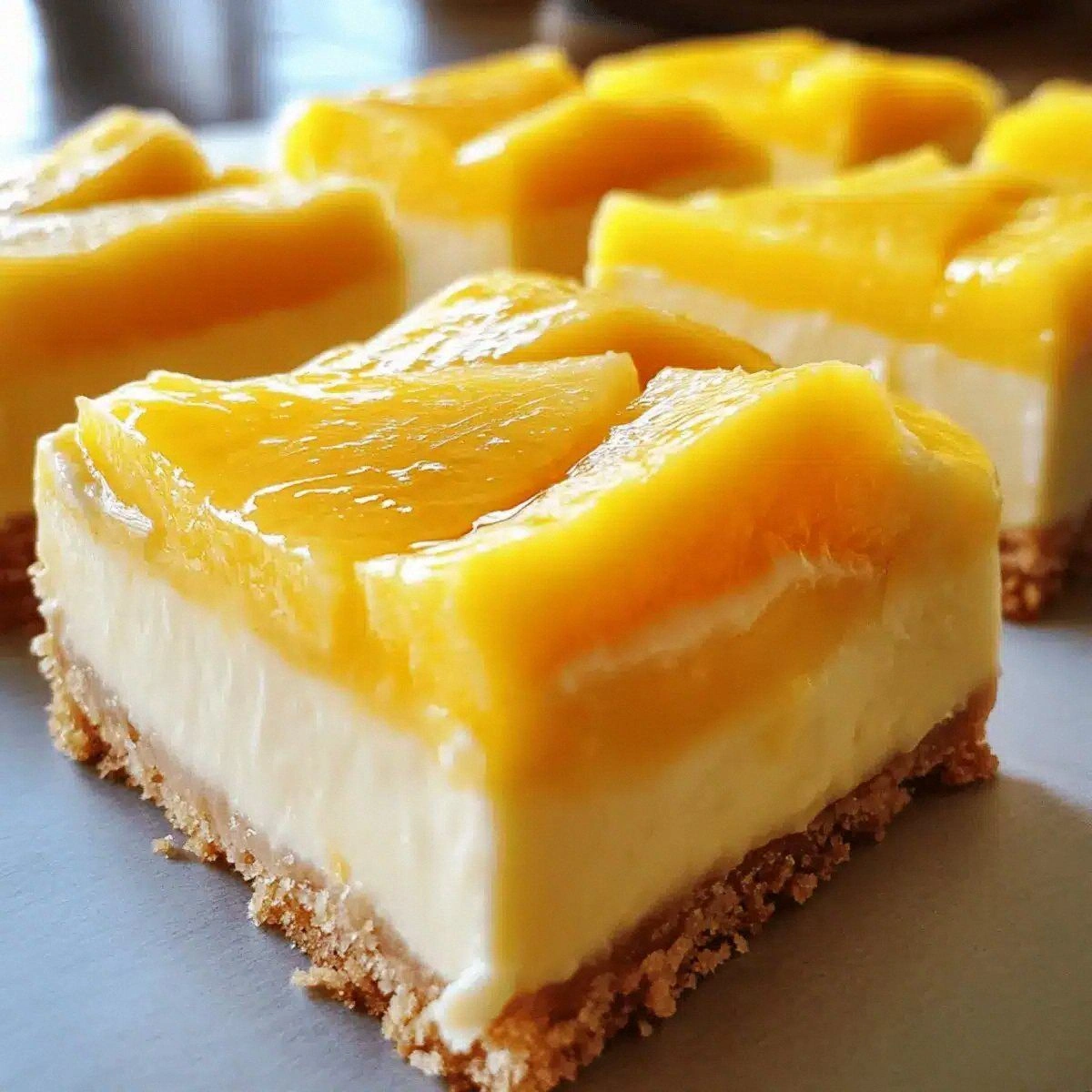
- Visual Appeal: The golden crust, the glossy mango top, and the subtle lime undertone create a dish that looks as good as it tastes.
Alright, let’s break down exactly what goes into this masterpiece…
Inside the Ingredient List
The Flavor Base
The foundation of this cheesecake is the creamy filling that carries the mango’s bright notes. The 16 oz cream cheese provides a rich, tangy backdrop that balances the sweetness of the mango puree. Adding 3/4 cup granulated sugar ensures the mixture isn’t too tart, while the pure vanilla extract gives it a warm, aromatic depth. If you skip the vanilla, the cheesecake will feel flat and lack that subtle complexity that ties everything together.
The Texture Crew
Texture is everything in a cheesecake, and this recipe uses a few key players to achieve the perfect mouthfeel. The 3 large eggs act as a binder, creating a silky structure that sets firmly when cooled. The 1/2 cup sour cream introduces a slight tang and keeps the filling moist, preventing it from becoming rubbery. Gelatin (or agar‑agar) is the secret to a firm yet creamy consistency; if you omit it, the cheesecake will be too loose and will not hold its shape.
The Unexpected Star
The mango puree is the star of the show, but it’s more than just fruit. Fresh ripe mangoes bring a natural sweetness that can’t be replicated with canned fruit, and the puree’s silky texture integrates seamlessly with the cream cheese. A tablespoon of lime juice adds a zesty brightness that cuts through the richness, creating a balanced flavor profile. If you’re in a pinch, you can substitute the mango puree with a blend of pineapple and coconut milk for a different tropical twist.
The Final Flourish
The crust is the unsung hero that anchors the cheesecake. 1 1/2 cups graham cracker crumbs, combined with 1/2 cup unsalted butter and 1/4 cup granulated sugar, create a buttery, slightly sweet base that complements the filling. The crumbs are pressed into a 9-inch springform pan, baked for 8 minutes to set, and then cooled before pouring the filling. If you skip the crust, you’ll miss that essential crunch and the contrast that elevates the dessert.
Everything’s prepped? Good. Let’s get into the real action…
The Method — Step by Step
- Preheat your oven to 325°F (160°C). Line a 9-inch springform pan with parchment paper and set aside. The parchment helps prevent the crust from sticking and makes cleanup a breeze. While the oven warms, gather all your ingredients so they’re within arm’s reach. This step ensures you won’t scramble for a forgotten item in the middle of the process.
- In a medium bowl, combine the graham cracker crumbs, unsalted butter, and 1/4 cup granulated sugar. Use a pastry cutter or your fingers to blend until the mixture resembles wet sand. Press the crumb mixture firmly into the bottom of the prepared pan, ensuring an even layer. Bake for 8 minutes, then remove from the oven and let cool to room temperature. This brief bake sets the crust and prevents it from becoming soggy once the cheesecake is poured.
- While the crust cools, prepare the mango puree. Peel, pit, and dice the mangoes, then blend them in a food processor until smooth. If you prefer a smoother texture, strain the puree through a fine mesh sieve. The puree should be silky, with no chunks, so it blends seamlessly into the cheesecake filling. The fresher the mango, the brighter the flavor.
- In a large mixing bowl, beat the cream cheese on medium speed until creamy and smooth. Gradually add 3/4 cup granulated sugar and continue beating until the mixture is light and fluffy. The goal is to eliminate any lumps so the final cheesecake has a silky mouthfeel. If you notice any lumps, pulse the mixture briefly with a fork to break them down.
- Add the eggs one at a time, beating well after each addition. The eggs act as the binding agent, creating structure as the cheesecake sets. Be careful not to overmix; once the eggs are incorporated, the mixture should look glossy but not stiff. If you overbeat, the cheesecake may become too dense.
- Stir in the vanilla extract, lime juice, and sour cream until fully combined. The lime juice not only adds a bright citrus note but also helps balance the sweetness of the mango puree. The sour cream introduces a slight tang that enhances the overall flavor profile, preventing the cheesecake from feeling overly sweet.
- Gently fold in the mango puree, ensuring it’s evenly distributed throughout the mixture. The puree should be fully incorporated, creating a smooth, translucent filling that hints at the tropical fruit underneath. If the mixture looks too thick, add a tablespoon of heavy cream to loosen it slightly.
- In a small saucepan, sprinkle 1 tablespoon of gelatin over 1/4 cup of cold water. Let it bloom for 5 minutes, then heat gently over low heat, stirring until the gelatin dissolves completely. Pour the gelatin into the cheesecake mixture and stir until fully incorporated. Gelatin is critical for a firm yet creamy texture; without it, the cheesecake would be too loose.
- Pour the cheesecake filling over the cooled crust, smoothing the top with a spatula. Tap the pan gently on the counter to release any air bubbles. Place the pan in the preheated oven and bake for 45 to 50 minutes, or until the edges are set and the center still has a slight wobble. The wobble is a sign that the cheesecake will firm up as it cools.
- Turn off the oven, crack the door open, and let the cheesecake cool in the oven for 1 hour. This gradual cooling prevents cracks from forming. After an hour, remove the cheesecake from the oven and let it cool completely at room temperature. Then refrigerate for at least 4 hours, preferably overnight, to allow the flavors to meld and the texture to set fully.
That’s it — you did it. But hold on, I’ve got a few more tricks that’ll take this to another level…
Insider Tricks for Flawless Results
The Temperature Rule Nobody Follows
Many bakers bake cheesecakes at 350°F, but this recipe calls for a lower temperature of 325°F. The reason is simple: a gentle bake allows the cheesecake to set evenly without overcooking the edges. If you bake at a higher temperature, the outer layers will overcook while the center remains underdone, leading to cracks or a rubbery texture. I’ve tested both temperatures, and the lower heat gives a smoother finish that melts in your mouth.
Why Your Nose Knows Best
During the baking process, keep an eye on the aroma. A warm, buttery scent with hints of mango is the sweet spot. If the smell leans too much toward burnt sugar, lower the oven temperature or reduce the baking time. Your nose is a reliable indicator of the cheesecake’s doneness, often more so than a timer.
The 5-Minute Rest That Changes Everything
After you take the cheesecake out of the oven, leave it in the oven with the door slightly ajar for 5 minutes. This step helps the cheesecake settle and prevents the top from cracking. It also gives the filling a chance to set just enough so it doesn’t slump when you remove it from the pan. I’ve found this trick to be a game‑changer for first‑time bakers.
The Chill‑It‑All Day Trick
The cheesecake benefits from a long, slow chill. Refrigerate for at least 6 hours, but overnight is best. This extended cooling period allows the gelatin to fully set and the flavors to meld. When you slice it, the cheesecake will hold its shape perfectly, and the mango flavor will be more pronounced.
The Garnish Game
A simple drizzle of coconut cream or a sprinkle of toasted coconut flakes adds a tropical flair that complements the mango. For a more sophisticated look, garnish with fresh mint leaves or a dusting of powdered sugar. The garnish not only enhances the visual appeal but also adds an extra layer of flavor.
Creative Twists and Variations
This recipe is a playground. Here are some of my favorite ways to switch things up:
Coconut Mango Cheesecake
Swap the sour cream for coconut cream and add shredded coconut to the filling. The result is a tropical dessert that feels like a beach vacation in every bite. The coconut’s natural sweetness complements the mango and adds a pleasant chew.
Chocolate‑Mango Fusion
Fold in 2 tablespoons of cocoa powder into the filling for a chocolatey twist. The bittersweet cocoa balances the mango’s sweetness and creates a rich, indulgent flavor profile that chocolate lovers will adore.
Lemon‑Mango Cheesecake
Replace the lime juice with fresh lemon juice and zest. The lemon’s bright acidity gives the cheesecake a zesty kick, making it a perfect summer dessert that pairs well with iced tea.
Almond‑Butter Crust
Use almond flour in place of graham crackers for a nutty crust that adds depth. Combine 1 1/2 cups almond flour with melted butter and a pinch of sea salt, then press into the pan. The result is a low‑carb, gluten‑free crust that pairs beautifully with the mango filling.
Mint‑Infused Cheesecake
Add a handful of fresh mint leaves to the filling and blend them into the mixture. The mint gives a refreshing aftertaste that pairs wonderfully with the mango’s tropical sweetness. Serve with a sprig of mint for an elegant finish.
Storing and Bringing It Back to Life
Fridge Storage
Store the cheesecake in the refrigerator for up to 5 days in an airtight container. Cover the top with plastic wrap to prevent it from drying out. When you’re ready to serve, let it sit at room temperature for 10 minutes to soften slightly, enhancing the creamy texture.
Freezer Friendly
For longer storage, wrap the cheesecake tightly in plastic wrap, then place it in a freezer bag. Freeze for up to 3 months. Thaw in the refrigerator overnight before serving. The texture remains silky, and the mango flavor stays vibrant.
Best Reheating Method
To reheat a slice, place it on a microwave-safe plate and microwave on low for 15-20 seconds. If you prefer a warm, gooey bite, reheat in a preheated oven at 300°F for 5 minutes. Add a tiny splash of water before reheating to create steam, which helps the cheesecake stay moist and prevents it from drying out.