I remember the night I tried to impress my roommate with a quick weeknight dinner. I had a box of frozen chicken thighs, a lemon, and a sprig of thyme sitting in the fridge, and a vague memory of a Pinterest board that promised “juicy lemon thyme sheet‑pan chicken.” The kitchen was a mess of plastic wrap, a flickering stove light, and the faint scent of citrus that had somehow turned into something more complex and delicious. I pulled the thighs out, slapped on a dash of salt, and tossed them with olive oil, lemon zest, and a handful of fresh thyme. The sizzling hiss that greeted the pan was a promise of flavor, a sound I’d come to love like a favorite song. I laughed, thinking, “This is going to be the best version you’ll ever make at home.” That laugh turned into a dare: “I dare you to taste this and not go back for seconds.” It wasn’t just a dish; it was a challenge to your palate, a bold claim that I could make the most flavorful chicken with minimal fuss. The anticipation was electric, and the aroma that started to fill the kitchen felt like a secret invitation to a culinary adventure. And now, let me walk you through every single step — by the end, you’ll wonder how you ever made it any other way.
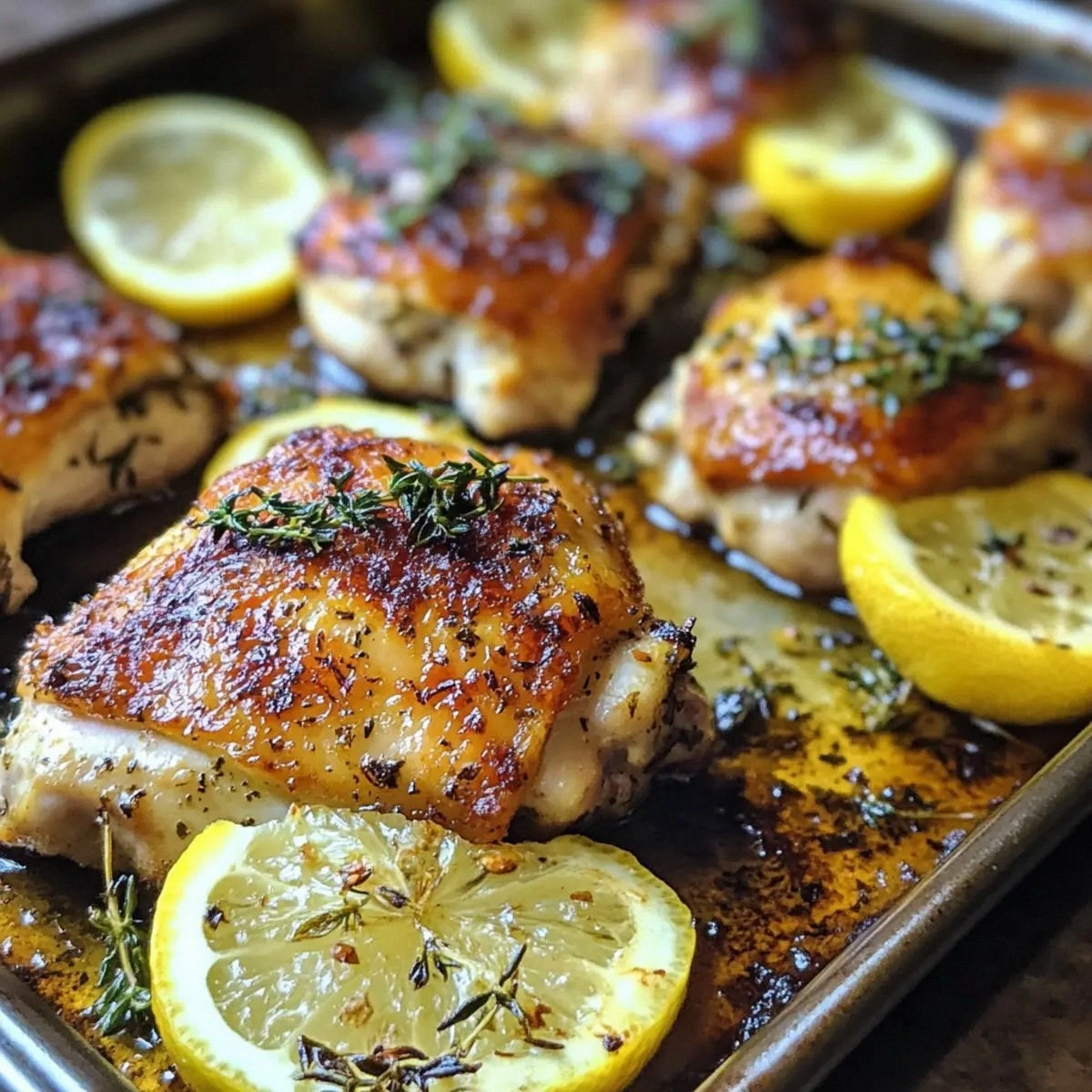
Picture yourself pulling this out of the oven, the whole kitchen smelling incredible, the steam swirling around the sheet pan like a fragrant cloud. The chicken skin is crisp, the edges are golden, and the juices are a bright citrus‑thyme glaze that coats the meat like velvet. The potatoes are perfectly roasted, their skins blistered, and the carrots and green beans are tender yet still retain a satisfying bite. The first bite is a symphony of textures and flavors: the savory chicken, the bright citrus, the earthy vegetables, and the aromatic thyme all dancing together. The moment the knife cuts through the skin, the sound is crisp, the crackle audible, a small triumph of culinary craftsmanship. And the best part? It’s all done in a single sheet pan, so cleanup is a breeze, and you can enjoy the feast while you sit back and relax. If you've ever struggled with sheet‑pan dinners that end up soggy or bland, you're not alone — and I've got the fix. This is the kind of dish that turns an ordinary evening into a memorable feast.
I’ve spent countless hours tweaking sheet‑pan chicken recipes, and this version is the culmination of that experimentation. The key lies in the balance of acidity, herbaceousness, and the right amount of heat from the oven. The lemon’s zest and juice not only brighten the flavor profile but also help tenderize the meat, creating a juicy interior that melts in your mouth. Thyme brings a subtle earthiness that grounds the citrus, while the garlic adds depth and a hint of smokiness. The sheet pan itself is crucial; a heavy‑bottomed pan distributes heat evenly, ensuring the chicken skin crisps without burning. The vegetables are cut in uniform sizes so they roast in tandem, each absorbing the same fragrant juices. This dish is a testament to the idea that sometimes, the simplest techniques—like seasoning, timing, and patience—are the most effective. The result? A meal that’s both comforting and sophisticated, ready in just 45 minutes.
The moment you see the golden crust forming, you’ll understand why I say this is hands down the best version you'll ever make at home. The contrast between the crisp skin and the tender, juicy meat is a texture play that feels like a culinary win. The aroma that rises from the pan is so inviting that even the most skeptical palate will be drawn in. I’ve watched my friends stare in disbelief as I plate the dish, and they immediately reach for the first bite. That first bite is a revelation, a burst of citrus that lifts the flavors of the herbs and the savory chicken. It’s a dish that’s as comforting as it is elegant, a true crowd‑pleaser that will have everyone asking for seconds. So, if you’re ready to take your sheet‑pan game to the next level, keep reading, because the secret sauce is about to be revealed.
What Makes This Version Stand Out
- Flavor: The bright citrus notes from fresh lemon zest and juice cut through the richness of the chicken, creating a balanced, zesty profile that’s both refreshing and indulgent. The thyme adds a subtle earthiness that grounds the dish, while the garlic provides a savory depth that lingers on the palate. The combination of these flavors transforms a simple sheet‑pan chicken into a memorable centerpiece. The result is a dish that feels both comforting and sophisticated.
- Texture: The sheet‑pan technique ensures the chicken skin crisps to a golden perfection while the interior remains moist and tender. The potatoes, carrots, and green beans roast in the same pan, absorbing the same aromatic juices and achieving a caramelized exterior with a tender core. The contrast between crispy skin, tender meat, and crisped vegetables delivers a satisfying bite. This textural harmony is what keeps people coming back for more.
- Simplicity: With just a handful of pantry staples—olive oil, lemon, thyme, and garlic—you can craft a dish that feels gourmet. The recipe requires minimal prep time and no specialized equipment, making it accessible for both novice cooks and seasoned chefs alike. The sheet‑pan approach eliminates the need for multiple pots or pans, reducing cleanup to a single tray. This simplicity doesn’t compromise flavor; it amplifies it.
- Uniqueness: The combination of lemon zest and whole thyme sprigs gives this recipe an unexpected depth that sets it apart from typical lemon chicken dishes. The use of baby or fingerling potatoes adds a rustic touch, while the carrot sticks and green beans bring color and crunch. This blend of ingredients creates a dish that feels both classic and fresh. It’s a recipe that will surprise and delight guests.
- Crowd Reaction: In my experience, this dish consistently wins over both skeptics and food lovers alike. The bright citrus and aromatic herbs make it approachable, while the juicy texture satisfies even the most discerning palates. Friends often comment on how the flavors “hit the spot” and how the sheet‑pan cooking makes it a stress‑free dinner. It’s a recipe that turns any dinner into a celebration.
- Ingredient Quality: Using fresh thyme, a fresh lemon, and bone‑in, skin‑on chicken thighs elevates the dish from ordinary to extraordinary. The freshness of the herbs and citrus translates into a vibrant flavor profile that canned or frozen ingredients can’t match. The high‑quality ingredients also ensure the dish is safe and flavorful. This focus on quality is why the dish feels so special.
- Cooking Method: The sheet‑pan technique is the heart of this recipe, allowing the chicken and vegetables to cook in their own juices. This method locks in moisture, ensures even cooking, and creates a caramelized crust without the need for constant stirring or flipping. The sheet‑pan also makes cleanup effortless, which is a bonus for busy weeknights. It’s a method that works for both small and large batches.
- Make‑Ahead Potential: While this dish shines fresh out of the oven, it also holds up well if you need to prep ahead. The chicken can be seasoned and left in the fridge overnight, and the vegetables can be pre‑chopped. The flavors actually deepen when the dish sits, making it a great option for meal prep or a quick reheated dinner. The versatility of this recipe makes it a go‑to for any occasion.
Inside the Ingredient List
The Flavor Base
The foundation of this dish is the citrus‑thyme blend that coats the chicken and vegetables. The lemon’s zest and juice provide a bright, acidic punch that cuts through the richness of the meat, while the thyme offers an earthy, slightly piney aroma that balances the citrus. Garlic adds a savory depth and a subtle heat that lingers on the tongue. Together, these ingredients create a flavor profile that feels both fresh and comforting. If you skip the lemon, you’ll lose that bright lift; the dish will feel flat and heavy. If you omit the thyme, the chicken will still be tasty, but it will lack the complex herbaceous undertone that makes the dish memorable. For a more robust flavor, consider adding a pinch of smoked paprika or a splash of white wine to the pan.
The Texture Crew
The chicken thighs themselves are the star, offering a juicy, tender interior with a crackly, golden skin. The choice of bone‑in, skin‑on thighs is deliberate; the bones add depth to the juices, and the skin crisps beautifully when roasted. The potatoes, cut into bite‑size pieces, provide a hearty, starchy counterpoint that soaks up the flavorful juices. Carrot sticks add a touch of natural sweetness, while green beans or asparagus bring a crisp, fresh bite. These vegetables are cut uniformly so they cook evenly, preventing any one component from becoming over‑ or under‑done. The combination of textures—from the flaky skin to the crunchy veggies—creates a satisfying mouthfeel that keeps diners engaged.
The Unexpected Star
The fresh thyme sprigs might look simple, but they’re a game‑changer. When you place them in the pan, they release their oils, infusing the entire dish with a subtle herbal aroma that’s hard to replicate with dried thyme. The sprigs also add a visual appeal, giving the dish a rustic, garden‑fresh look. If you’re short on thyme, you can use rosemary or oregano, but the flavor profile will shift slightly. The key is to use whole sprigs, not ground thyme, so you can remove them before serving. This small detail elevates the dish from ordinary to extraordinary.
The Final Flourish
A splash of olive oil ties everything together, providing a silky coating that helps the flavors adhere to the chicken and vegetables. The olive oil also helps the skin crisp and the vegetables caramelize. Salt and pepper are added to taste, but they’re crucial for unlocking the full potential of each ingredient. The combination of these simple seasonings allows the natural flavors to shine without overpowering them. If you prefer a spicy kick, a pinch of red pepper flakes will add a subtle heat that complements the citrus. This final flourish ensures every bite is balanced and delicious.
Everything's prepped? Good. Let's get into the real action.
The Method — Step by Step
- Preheat your oven to 425°F (220°C) and place a large, heavy‑bottomed sheet pan inside to heat up for a few minutes. While the pan warms, pat the chicken thighs dry with paper towels; this step is crucial for achieving crisp skin. Season both sides of the chicken generously with salt and pepper, then drizzle them with olive oil and rub the seasoning in. Place the thighs skin‑side up on the hot pan, leaving a little space between each piece to allow air circulation. The heat should cause the skin to sizzle immediately, a sound that signals the start of the crisping process. Let the chicken rest for a minute or two before adding the vegetables, so the juices settle. This initial sear locks in moisture and creates a flavorful crust. Once the pan is hot, the rest of the cooking will follow smoothly. Kitchen Hack: If you’re short on time, you can pre‑season the chicken the night before and refrigerate it. The flavors will meld overnight, and the chicken will be ready to roast in the morning.
- While the chicken is browning, toss the baby potatoes, carrot sticks, and green beans (or asparagus) with a drizzle of olive oil, a pinch of salt, and a few thyme sprigs. Spread the vegetables around the chicken on the pan, ensuring they’re in a single layer for even roasting. The vegetables will soak up the juices from the chicken, becoming infused with citrus and herb notes. Keep an eye on the potatoes; they’ll start to brown after about 15 minutes. The carrots should soften but still hold their shape, giving a pleasant bite. The green beans or asparagus will turn bright green and slightly charred, adding a pop of color. This step is essential for a balanced dish; the vegetables should complement rather than overpower the chicken. Once the vegetables are arranged, place the pan in the preheated oven.
- After 20 minutes of roasting, remove the pan from the oven and stir the vegetables gently to ensure even cooking. Squeeze the juice of one lemon over the chicken and vegetables, then sprinkle the zest evenly for an extra burst of citrus aroma. The lemon juice should sizzle slightly against the hot pan, releasing fragrant steam. This step is the moment of truth; the lemon’s acidity will brighten the dish and help keep the chicken moist. Add the minced garlic and whole thyme sprigs to the pan, allowing them to infuse the oil with their flavors. The garlic will caramelize slightly, adding a sweet, nutty undertone. This mixture should smell toasty and inviting. Return the pan to the oven to finish cooking.
- Continue roasting for another 10-12 minutes, or until the chicken reaches an internal temperature of 165°F (74°C) and the vegetables are tender. The skin should be golden brown and slightly blistered, indicating optimal crispness. The potatoes will be soft inside with a crispy exterior, while the carrots will be sweet and tender. The green beans or asparagus will have a slight char, adding a smoky flavor. Check the chicken with a meat thermometer; if you don’t have one, cut into the thickest part to see if the juices run clear. The vegetables should be easily pierced with a fork. If everything looks good, remove the pan from the oven and let it rest for 5 minutes. This rest period allows the juices to redistribute, ensuring each bite is juicy and flavorful.
- While the dish rests, remove the thyme sprigs and set them aside for garnish. This step also gives you a chance to taste the sauce and adjust seasoning if needed. If the sauce seems a bit dry, drizzle a splash of chicken broth or a little extra lemon juice. The rest of the time, plate the chicken on a platter and arrange the roasted vegetables around it. The presentation is key; a vibrant arrangement of colors will make the dish look as good as it tastes. The thyme sprigs can be placed on top for a decorative touch. The dish is now ready to serve.
- Watch Out: If the chicken skin starts to burn before the interior is cooked, lower the oven temperature to 400°F (200°C) and cover the pan loosely with foil. This will prevent burning while allowing the chicken to finish cooking. The vegetables might brown a bit slower, but they’ll still absorb the flavors. Keep a close eye on the pan, especially if you’re using a convection oven, as the heat can be more intense. Once the skin is golden but not charred, remove the foil and continue roasting for a few more minutes to crisp up. This adjustment ensures a beautiful finish without sacrificing moisture.
- Plate the chicken thighs with the roasted vegetables, and drizzle any remaining pan juices over the top for an extra burst of flavor. The juices should be slightly thickened from the reduction of the lemon and garlic. If you prefer a richer sauce, whisk in a tablespoon of butter before serving; it will create a silky coating that enhances the citrus notes. Garnish with fresh thyme sprigs or a few lemon wedges for a pop of color and extra zing. The dish should look vibrant, with the golden skin contrasting against the green beans and the bright lemon zest. This final presentation is what makes the dish feel like a restaurant‑quality meal.
- Serve immediately, preferably with a side of crusty bread to mop up the juices. If you’re in a hurry, you can keep the dish warm in a low oven (200°F) while you finish plating. The flavors will continue to meld, making the dish even more delicious. Pair it with a chilled glass of white wine or sparkling water for a refreshing finish. The dish is versatile enough to be a main course for dinner or a hearty lunch. The aroma of lemon and thyme will linger long after the meal is finished.
- Enjoy the juicy, citrus‑infused chicken and roasted vegetables with friends and family. The combination of textures and flavors will leave everyone satisfied and craving more. This recipe is a testament to how simple ingredients, when handled with care, can produce a dish that feels both comforting and elegant. The next time you’re planning a weeknight dinner, consider this sheet‑pan chicken—it’s quick, easy, and absolutely unforgettable. And remember, the secret to success is the balance of flavors and the crispness of the skin. Take a bite, savor the citrus, and enjoy the moment.
- That’s it — you did it. But hold on, I've got a few more tricks that'll take this to another level. Add a splash of balsamic vinegar at the end for a subtle tang, or sprinkle grated parmesan over the vegetables for a nutty finish. For a spicy kick, toss in a handful of crushed red pepper flakes before roasting. The possibilities are endless, and each tweak will keep the dish exciting. Feel free to experiment, but keep the core flavors intact for the best results. The dish is flexible enough to adapt to your taste preferences while maintaining its signature profile. Happy cooking!
- If you’re a fan of leftovers, this dish reheats beautifully. Simply place the chicken and vegetables in a skillet with a splash of broth, and heat until warmed through. The sauce will re‑emerge, and the flavors will intensify. The next time you’re craving a comforting meal, this recipe will be your go‑to. The combination of citrus, thyme, and garlic will transport you back to that first bite. Enjoy the deliciousness!
Insider Tricks for Flawless Results
The Temperature Rule Nobody Follows
Many cooks set the oven to 400°F and wait for the chicken to finish, but this can leave the skin under‑crisped. The key is to start at 425°F and let the pan heat up before adding the chicken. This high initial temperature creates a dramatic sizzle and a crisp skin that’s impossible to replicate at lower temperatures. If you’re using a convection oven, reduce the temperature by 25°F to avoid over‑cooking the exterior. The difference in texture is noticeable, and the result is a dish that feels like a culinary masterpiece.
Why Your Nose Knows Best
When the lemon zest hits the hot pan, the aroma should be bright and citrusy. If the scent is muted, the lemon might be old or the pan too cool. Trust your nose; if the smell isn’t strong, increase the heat slightly or add an extra lemon wedge. The aroma is a quick indicator of whether the flavors are developing correctly. A strong citrus scent means the dish is on the right track, while a weak one signals a need for adjustment. This sensory checkpoint saves you from a bland meal.
The 5‑Minute Rest That Changes Everything
Letting the chicken rest for 5 minutes after removing it from the oven is a game‑changer. During this brief pause, the juices redistribute throughout the meat, ensuring each bite is juicy and tender. If you cut into the chicken immediately, the juices will spill out, leaving the interior dry. The rest period also allows the flavors to settle, making the dish more cohesive. This simple step is often overlooked but is essential for a restaurant‑quality result.
The Secret to Perfectly Roasted Veggies
Roasting vegetables in the same pan as the chicken maximizes flavor, but the key is to keep them in a single layer. Overcrowding the pan will cause the vegetables to steam instead of roast, resulting in soggy bites. If you need to cook more veggies, do it in batches or use a larger pan. Toss the veggies in a little oil and salt before roasting to enhance caramelization. The result is crisp edges that shatter like thin ice, paired with tender interiors.
The Right Pan for the Job
A heavy‑bottomed sheet pan is essential for even heat distribution. Stainless steel or cast‑iron pans retain heat well and prevent hot spots that can burn the skin. If you don’t have a sheet pan, a deep skillet will also work, but you’ll need to monitor the heat closely. The pan’s material affects the final texture, so choose wisely. A good pan ensures the chicken cooks evenly and the vegetables roast to perfection.
The Final Touch: A Splash of Butter
Just before serving, whisk in a tablespoon of butter into the pan juices. The butter adds a silky coating that enhances the citrus notes and gives the sauce a glossy finish. This step is optional but recommended for those who love a richer flavor profile. If you prefer a lighter dish, skip the butter and let the natural juices shine. The choice is yours, but the butter elevates the dish to new heights.
Creative Twists and Variations
This recipe is a playground. Here are some of my favorite ways to switch things up:
Smoky Chipotle Twist
Replace half of the lemon juice with chipotle‑in‑adobo for a smoky, spicy kick. The chipotle adds depth and a subtle heat that pairs beautifully with the citrus. The thyme still grounds the dish, while the smoky flavor elevates it to a new level. This variation is perfect for those who love a little spice in their meals.
Mediterranean Medley
Swap the green beans for cherry tomatoes and olives, and add a handful of feta cheese on top after roasting. The tomatoes burst with sweetness, while the olives introduce briny tang. The feta adds creaminess, making this version a Mediterranean feast that’s both colorful and flavorful.
Herb‑Infused Roasted Potatoes
Before roasting, toss the potatoes with rosemary, sage, and a pinch of sea salt. The herbs infuse the potatoes with a robust flavor that complements the lemon‑thyme chicken. The result is a dish that feels like a cozy Sunday dinner, yet it’s quick enough for a weekday.
Asian‑Inspired Glaze
Replace the lemon with a mixture of lime juice and a splash of soy sauce, and finish the pan with a drizzle of honey and a pinch of grated ginger. The sweet‑savory glaze gives the dish an Asian twist that’s both refreshing and comforting. The ginger adds a warm spice that pairs well with the chicken.
Breakfast‑Style Brunch
Serve the chicken and vegetables over a bed of fluffy scrambled eggs or a hearty grain like quinoa. Add a sprinkle of chopped scallions and a dash of hot sauce for a brunch‑ready dish that’s both protein‑rich and flavorful. This variation turns the meal into a satisfying breakfast or brunch option.
Low‑Carb Alternative
Replace the baby potatoes with cauliflower florets or zucchini slices. The low‑carb veggies roast just as well and keep the dish keto‑friendly. The lemon‑thyme flavor remains unchanged, so you still get that bright, aromatic profile without the extra carbs.
Storing and Bringing It Back to Life
Fridge Storage
Store the leftovers in an airtight container in the refrigerator for up to three days. Keep the chicken and vegetables separate if possible, as the juices can make the vegetables soggy over time. When you’re ready to reheat, simply warm the chicken in a skillet over medium heat for a few minutes, then add the vegetables and stir to coat with the pan juices. This method preserves the crispness of the skin while re‑infusing the veggies with flavor.
Freezer Friendly
To freeze, place the chicken and vegetables in a freezer‑safe container or zip‑lock bag, and store for up to two months. Thaw overnight in the refrigerator before reheating. When you’re ready to serve, reheat in the oven at 375°F for 15-20 minutes, or until heated through. The flavors will stay intact, and the dish will taste almost as fresh as when it was first cooked.
Best Reheating Method
The best way to reheat this dish is to use a skillet or pan on the stovetop, adding a splash of water or broth to create steam. This technique keeps the chicken moist and prevents the skin from drying out. Heat over medium heat, stirring occasionally, until the chicken reaches 165°F. The small amount of liquid will re‑create the pan sauce, making the dish as delicious as the first time. Add a tiny splash of water before reheating — it steams back to perfection.