
Pasta with Pomodoro Sauce
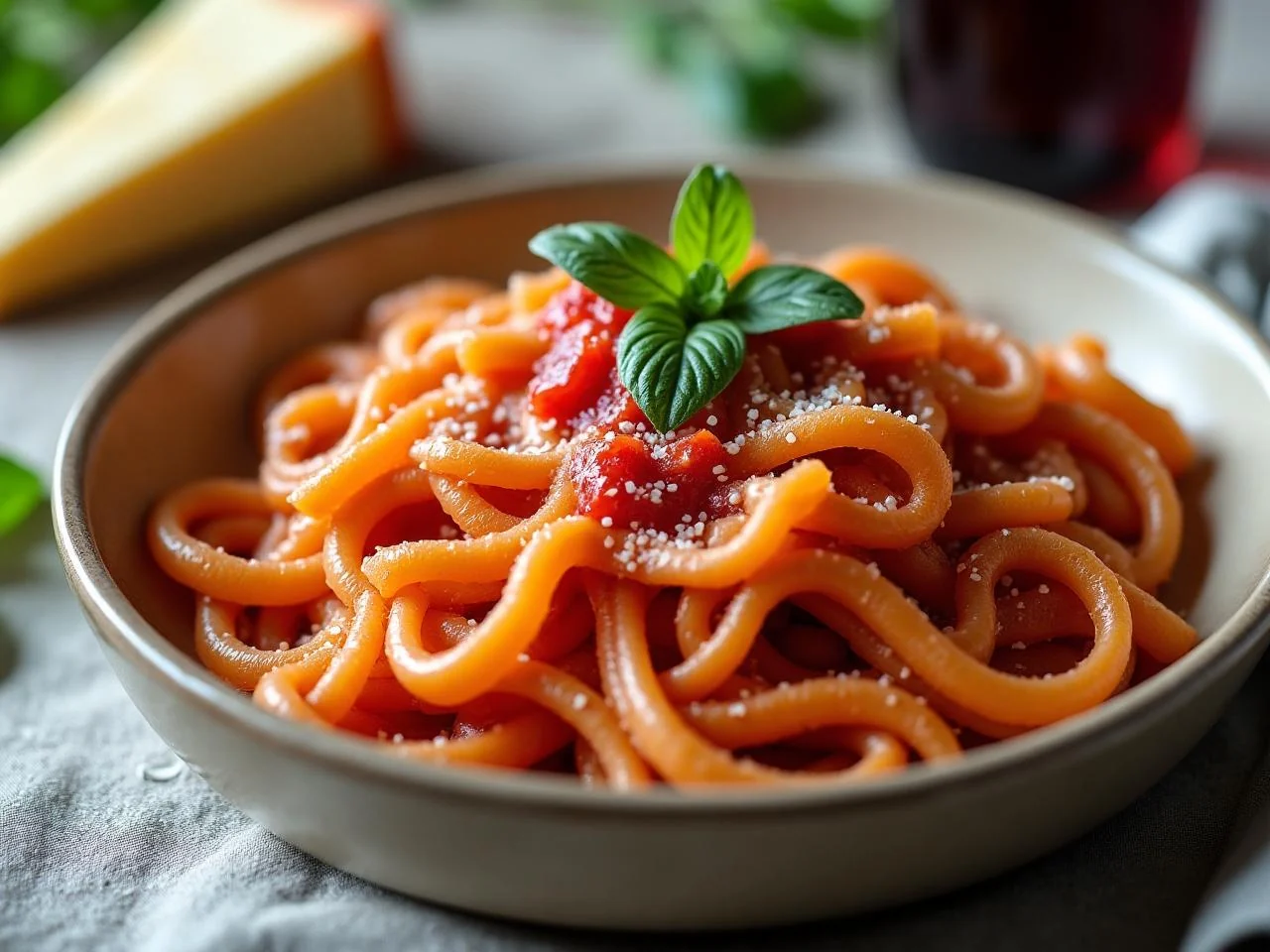
I still remember the first time I tasted my grandmother's homemade pasta with pomodoro sauce. It was love at first bite. The combination of tender, freshly made pasta, rich and tangy tomato sauce, and the warmth of a home-cooked meal has stayed with me to this day.
As I grew older and began cooking for my own family, I realized that the key to a great pasta with pomodoro sauce lies not just in the ingredients, but in the technique and the love that goes into making it. It's a dish that requires patience, attention to detail, and a willingness to let the flavors meld together in harmony.
In this recipe, I'll share with you my secrets for making a delicious and authentic pasta with pomodoro sauce, just like my grandmother used to make. From the type of tomatoes to use, to the importance of not overcooking the pasta, I'll guide you through every step of the way.
This recipe is perfect for a weeknight meal or a special occasion, and it's sure to become a staple in your household. So, let's get started and create a dish that will warm the hearts and bellies of your loved ones.
One of the things that sets this recipe apart is the use of high-quality ingredients and the attention to detail in the preparation. From the careful selection of the tomatoes, to the slow cooking of the sauce, every step is designed to bring out the best flavors and textures in the dish.
Why You’ll Love This Recipe
- This recipe is easy to make and requires minimal ingredients
- It's a comforting and satisfying meal that's perfect for a weeknight dinner
- The dish is highly customizable, so you can add your own favorite ingredients or substitutions
- It's a great way to use up fresh tomatoes and basil from your garden or farmer's market
- The recipe makes a large batch of sauce that can be frozen for future meals
- It's a crowd-pleasing dish that's sure to become a staple in your household
- The recipe is budget-friendly and can be made for under $10
Why This Recipe Works
The key to a great pasta with pomodoro sauce is in the balance of flavors and textures. The acidity of the tomatoes is balanced by the richness of the olive oil, while the tenderness of the pasta is complemented by the slight crunch of the garlic and the freshness of the basil.
The technique of cooking the pasta al dente and then finishing it in the sauce with a ladle of starchy pasta water is also crucial. This helps to create a silky and clinging coat on the pasta, while the starches in the water help to thicken the sauce and bind the flavors together.
Another important aspect of this recipe is the use of layers of seasoning. The garlic and onion are sautéed in olive oil to create a flavorful base, while the tomatoes are cooked with a pinch of salt and a sprinkle of sugar to balance their acidity. The basil is added at the end to add a bright and freshness to the dish.
Ingredients You’ll Need
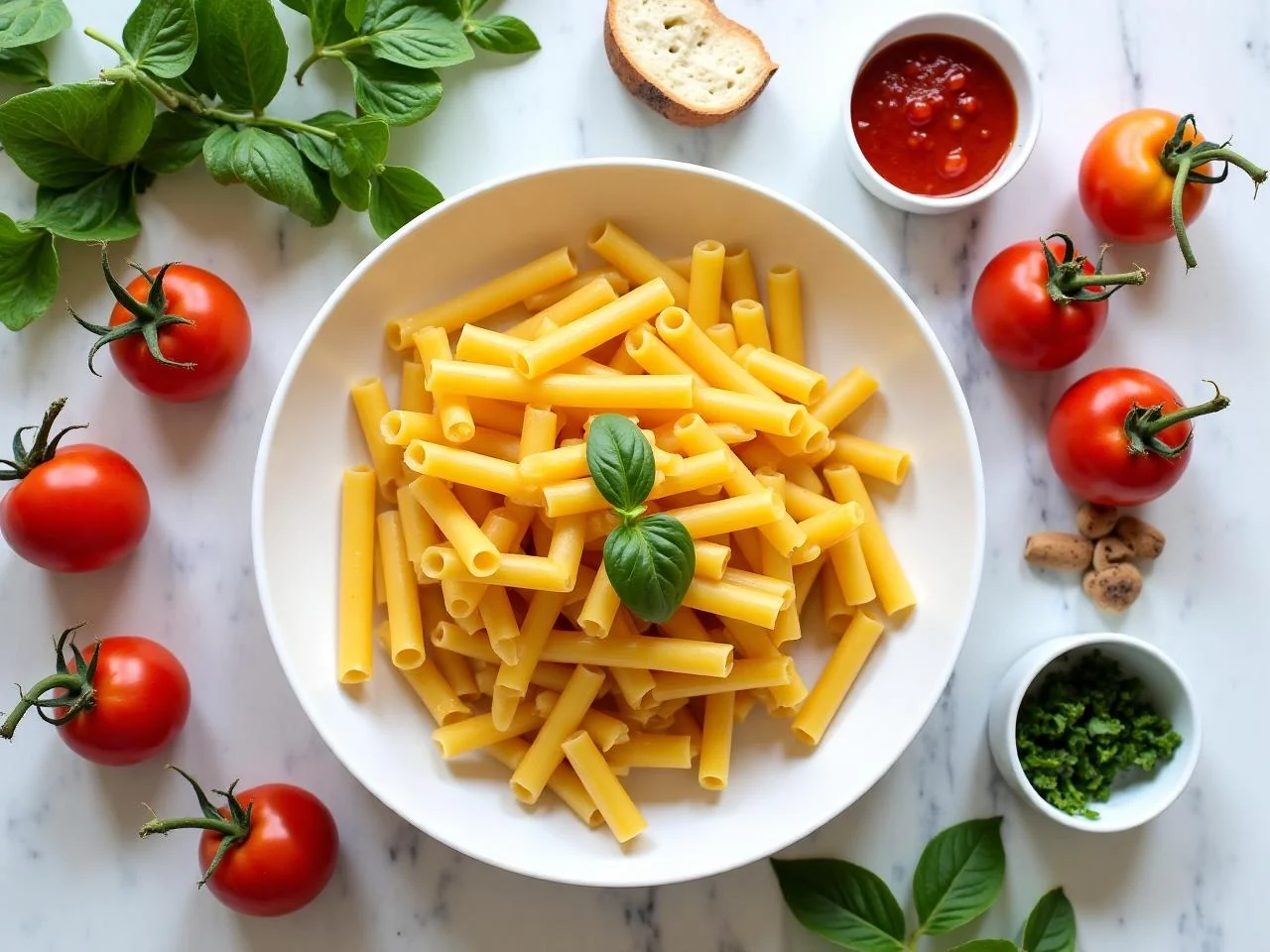
The ingredients for this recipe are simple, but high-quality. We'll be using fresh tomatoes, garlic, onion, olive oil, basil, and of course, pasta. The key is to use the best ingredients you can find and to not skimp on the quality.
When shopping for tomatoes, look for ones that are heavy for their size and have a sweet, slightly tangy aroma. For the pasta, choose a high-quality brand that is made with durum wheat semolina.
- 1 lb (450g) pasta of your choiceI like to use a short, sturdy pasta shape like penne or rigatoni, which holds onto the sauce well. Look for a high-quality brand that is made with durum wheat semolina.
- 2 tbsp olive oilUse a good-quality olive oil with a mild flavor, as it will be used to cook the garlic and onion. You can also use other oils like avocado or grapeseed if you prefer.
- 4 cloves garlic, mincedMince the garlic finely so that it cooks evenly and quickly. You can also use a garlic press or a microplane to get the job done.
- 1 medium onion, finely choppedUse a sweet onion like Vidalia or Maui, which will caramelize nicely and add a depth of flavor to the sauce. You can also use other types of onions like yellow or white if you prefer.
- 2 cups (400g) fresh tomatoes, dicedUse fresh, ripe tomatoes for the best flavor. You can also use canned tomatoes if fresh ones are not available. Look for San Marzano or other varieties that are low in acidity and have a sweet flavor.
- 1 tsp dried basilDried basil has a more concentrated flavor than fresh basil, so use it sparingly. You can also use fresh basil if you prefer, but be sure to add it at the end of cooking so that it doesn't lose its flavor.
- 1 tsp dried oreganoLike basil, dried oregano has a more concentrated flavor than fresh oregano. Use it to add a pungent, earthy flavor to the sauce.
- Salt and pepper to tasteUse kosher salt and freshly ground black pepper to season the sauce. You can also add other seasonings like red pepper flakes or garlic powder if you prefer.
- 1/4 cup (60g) grated Parmesan cheeseUse a high-quality Parmesan cheese that is aged for at least 12 months. You can also use other cheeses like mozzarella or ricotta if you prefer.
- Fresh basil leaves, 1/4 cup (15g) choppedUse fresh basil leaves to add a bright, freshness to the dish. You can also use other herbs like parsley or cilantro if you prefer.
- Red pepper flakes, 1/4 tspUse red pepper flakes to add a spicy kick to the sauce. You can adjust the amount to your taste, or omit it if you prefer a mild sauce.
Equipment You’ll Need
How to Make Pasta with Pomodoro Sauce
- 1Bring a large pot of salted water to a boil and cook the pasta according to the package instructions until it is al dente. Reserve 1 cup of pasta water before draining the spaghetti.
- 2In a large skillet, heat the olive oil over medium heat. Add the minced garlic and cook, stirring occasionally, for 4-5 minutes or until it is lightly golden and fragrant.
- 3Add the chopped onion to the skillet and cook, stirring occasionally, for 5-7 minutes or until it is translucent and starting to caramelize.
- 4Add the diced tomatoes, dried basil, and dried oregano to the skillet. Season with salt and pepper to taste. Cook, stirring occasionally, for 15-20 minutes or until the sauce has thickened and the flavors have melded together.
- 5Stir in the reserved pasta water and bring the sauce to a simmer. Let it cook for 2-3 minutes or until it has thickened to your liking.
- 6Add the cooked pasta to the skillet and toss it with the sauce, adding more pasta water if needed to achieve a silky and clinging coat.
- 7Remove the skillet from the heat and stir in the grated Parmesan cheese. Let it melt and combine with the sauce.
- 8Add the chopped fresh basil leaves and red pepper flakes to the skillet and toss everything together.
- 9Serve the pasta hot, topped with additional Parmesan cheese and basil leaves if desired.
- 10Let the pasta rest for 5-10 minutes before serving to allow the flavors to meld together and the sauce to thicken.
- 11Reheat the pasta gently over low heat if it has cooled down, adding a splash of pasta water if needed to loosen the sauce.
Expert Tips
- Use high-quality ingredients, including fresh tomatoes and good-quality olive oil, to get the best flavor out of your sauce.
- Don't overcook the pasta, as it will continue to cook a bit after it's been drained. Aim for an al dente texture that still has a bit of bite.
- Add the pasta water to the sauce gradually, as you may not need all of it. This will help to achieve a silky and clinging coat on the pasta.
- Let the sauce simmer for at least 15-20 minutes to allow the flavors to meld together and the sauce to thicken.
- Use a variety of tomatoes, such as cherry tomatoes or grape tomatoes, to add natural sweetness to the sauce.
- Add other ingredients, such as cooked sausage or mushrooms, to the sauce to make it more substantial and satisfying.
- Make the sauce ahead of time and store it in the fridge for up to 3 days or freeze it for up to 3 months.
- Reheat the sauce gently over low heat, adding a splash of pasta water if needed to loosen the sauce.
Common Mistakes to Avoid
- Overcooking the pasta, which can make it mushy and unappetizing.
- Not using enough salt in the water, which can result in a bland and unseasoned sauce.
- Not simmering the sauce long enough, which can result in a thin and watery sauce.
- Not adding enough pasta water to the sauce, which can result in a dry and sticky sauce.
- Not using high-quality ingredients, which can result in a lackluster and unappetizing sauce.
- Not letting the sauce rest and meld together, which can result in a sauce that is not fully developed and flavorful.
Variations and Substitutions
- Add cooked sausage or bacon to the sauce for a meaty and satisfying twist.
- Use different types of tomatoes, such as cherry tomatoes or grape tomatoes, to add natural sweetness to the sauce.
- Add other ingredients, such as mushrooms or bell peppers, to the sauce to make it more substantial and satisfying.
- Use different types of cheese, such as mozzarella or ricotta, to add a creamy and rich texture to the sauce.
- Add a sprinkle of red pepper flakes to the sauce for a spicy kick.
- Use fresh basil leaves instead of dried basil for a brighter and more refreshing flavor.
- Make the sauce ahead of time and store it in the fridge for up to 3 days or freeze it for up to 3 months.
What to Serve With Pasta with Pomodoro Sauce
This pasta with pomodoro sauce is a versatile dish that can be served in a variety of ways. You can serve it as a main course, accompanied by a simple green salad or a side of garlic bread. You can also serve it as a side dish, paired with a grilled chicken or fish. For a more substantial meal, you can add cooked sausage or bacon to the sauce, or serve it with a side of roasted vegetables.
Some other ideas for serving this pasta include:
Make-Ahead, Storage, Freezing and Reheating
This pasta with pomodoro sauce can be stored in the fridge for up to 3 days or frozen for up to 3 months. To store it in the fridge, let the sauce cool completely and then transfer it to an airtight container. To freeze it, let the sauce cool completely and then transfer it to a freezer-safe bag or container.
To reheat the sauce, simply heat it gently over low heat, adding a splash of pasta water if needed to loosen the sauce. You can also reheat it in the microwave, but be careful not to overheat it, as this can result in a dry and sticky sauce.
When reheating the sauce, you can also add other ingredients, such as cooked sausage or mushrooms, to make it more substantial and satisfying. You can also serve it with a side of garlic bread or a simple green salad for a well-rounded meal.
Frequently Asked Questions
What type of tomatoes should I use for this recipe?
You can use any type of tomato you like, but fresh, ripe tomatoes will give you the best flavor. Look for tomatoes that are heavy for their size and have a sweet, slightly tangy aroma. You can also use canned tomatoes if fresh ones are not available.
How do I prevent the sauce from becoming too thick?
To prevent the sauce from becoming too thick, you can add a splash of pasta water to it. This will help to loosen the sauce and achieve a silky and clinging coat on the pasta. You can also add a bit of olive oil to the sauce to help thin it out.
Can I make this recipe ahead of time?
Yes, you can make this recipe ahead of time and store it in the fridge for up to 3 days or freeze it for up to 3 months. Simply let the sauce cool completely and then transfer it to an airtight container or freezer-safe bag.
What type of pasta should I use for this recipe?
You can use any type of pasta you like, but short, sturdy shapes like penne or rigatoni work best with this sauce. Look for a high-quality brand that is made with durum wheat semolina.
Can I add other ingredients to the sauce?
Yes, you can add other ingredients to the sauce to make it more substantial and satisfying. Some ideas include cooked sausage or bacon, mushrooms, bell peppers, and olives. You can also add a sprinkle of red pepper flakes for a spicy kick.
How do I reheat the sauce?
To reheat the sauce, simply heat it gently over low heat, adding a splash of pasta water if needed to loosen the sauce. You can also reheat it in the microwave, but be careful not to overheat it, as this can result in a dry and sticky sauce.
Can I make this recipe vegetarian or vegan?
Yes, you can make this recipe vegetarian or vegan by omitting the Parmesan cheese and using a vegan alternative instead. You can also add other vegetarian or vegan ingredients, such as mushrooms or eggplant, to the sauce to make it more substantial and satisfying.
How do I prevent the pasta from becoming mushy?
To prevent the pasta from becoming mushy, be sure to cook it al dente and then drain it promptly. You can also add a splash of pasta water to the sauce to help loosen it and achieve a silky and clinging coat on the pasta.
Ingredients
- 1 lb (450g) pasta of your choice
- 2 tbsp olive oil
- 4 cloves garlic, minced
- 1 medium onion, finely chopped
- 2 cups (400g) fresh tomatoes, diced
- 1 tsp dried basil
- 1 tsp dried oregano
- Salt and pepper to taste
- 1/4 cup (60g) grated Parmesan cheese
- Fresh basil leaves, 1/4 cup (15g) chopped
- Red pepper flakes, 1/4 tsp
Instructions
- Bring a large pot of salted water to a boil and cook the pasta according to the package instructions until it is al dente. Reserve 1 cup of pasta water before draining the spaghetti.
- In a large skillet, heat the olive oil over medium heat. Add the minced garlic and cook, stirring occasionally, for 4-5 minutes or until it is lightly golden and fragrant.
- Add the chopped onion to the skillet and cook, stirring occasionally, for 5-7 minutes or until it is translucent and starting to caramelize.
- Add the diced tomatoes, dried basil, and dried oregano to the skillet. Season with salt and pepper to taste. Cook, stirring occasionally, for 15-20 minutes or until the sauce has thickened and the flavors have melded together.
- Stir in the reserved pasta water and bring the sauce to a simmer. Let it cook for 2-3 minutes or until it has thickened to your liking.
- Add the cooked pasta to the skillet and toss it with the sauce, adding more pasta water if needed to achieve a silky and clinging coat.
- Remove the skillet from the heat and stir in the grated Parmesan cheese. Let it melt and combine with the sauce.
- Add the chopped fresh basil leaves and red pepper flakes to the skillet and toss everything together.
- Serve the pasta hot, topped with additional Parmesan cheese and basil leaves if desired.
- Let the pasta rest for 5-10 minutes before serving to allow the flavors to meld together and the sauce to thicken.
- Reheat the pasta gently over low heat if it has cooled down, adding a splash of pasta water if needed to loosen the sauce.