I was standing in my kitchen, staring at a half‑crushed bag of strawberries and a bottle of rose water I’d bought on a whim during a weekend market trip. The sun was blazing through the windows, the air was humming with the distant buzz of cicadas, and I had a sudden, reckless craving for something that would feel like sipping a garden in full bloom. I grabbed a lemon, squeezed it with the vigor of a kid shaking a juice box, and thought, “What if I could bottle this moment?” That very instant sparked the birth of what I now swear is the most elegant summer sipper you’ll ever taste.
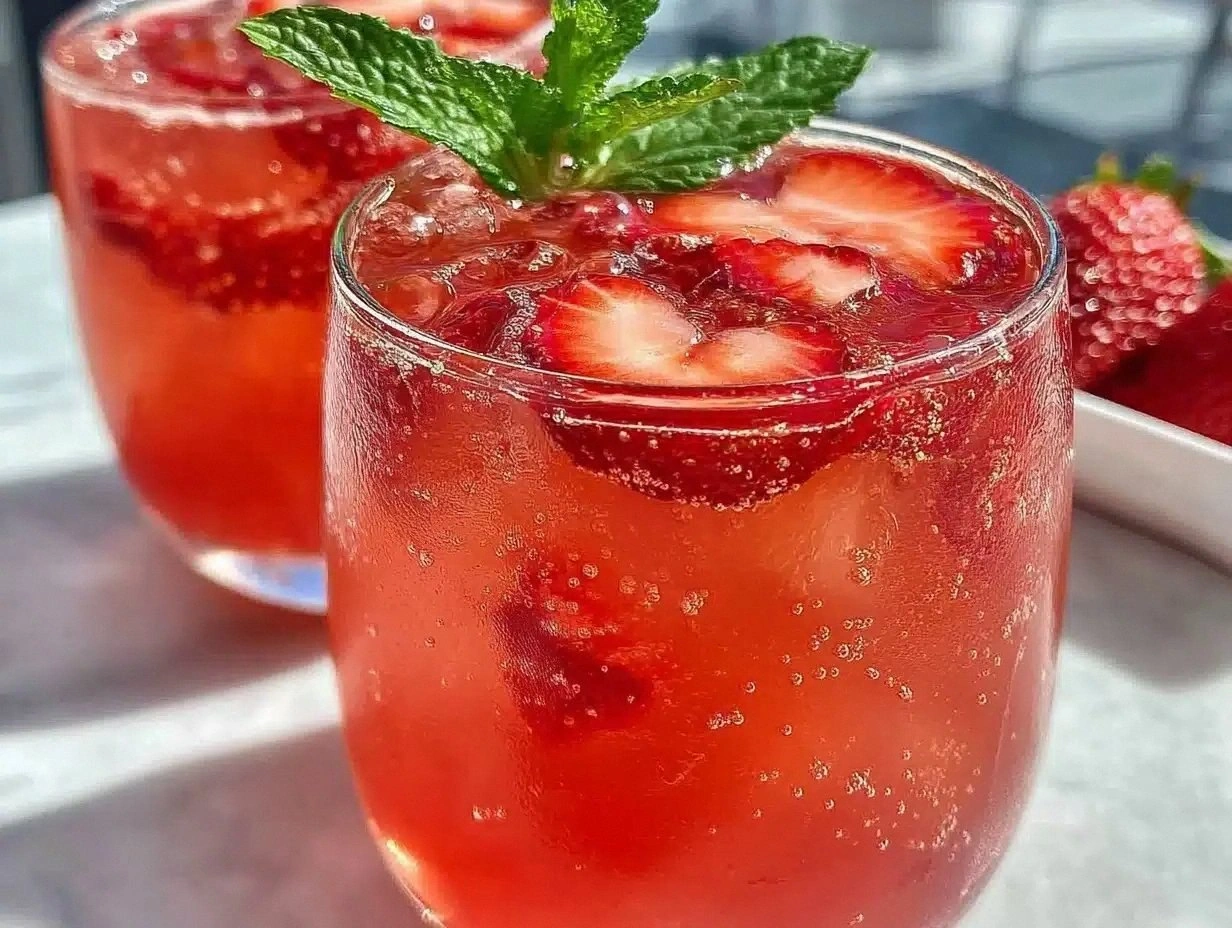
Picture this: a glass filled with ruby‑red strawberry slices, a delicate pink haze swirling from rose water, and the bright zing of lemon that snaps your palate awake like a summer sunrise. The aroma? A fragrant marriage of sweet berries and subtle floral notes that makes you want to inhale deeply, as if you were strolling through a rose garden after a fresh rain. The sound of ice clinking against the glass is the perfect percussion to a lazy afternoon, and the coolness of the drink kisses your skin like a gentle breeze. I dare you to taste this and not go back for seconds – it’s that addictive.
Most lemonade recipes get this completely wrong. They either drown the fruit in sugar or forget the floral nuance that can elevate a simple drink into a conversation starter. I’ve tried countless versions: some with muddled mint that turns mushy, others with bottled lemon juice that tastes like a chemical lab. The secret? Using the freshest strawberries, freshly squeezed lemon juice, and just a whisper of rose water. This combo creates a balance where the tartness of lemon, the sweetness of strawberries, and the elegance of rose are in perfect harmony. I’ll be honest — I ate half the batch before anyone else got to try it, and that’s a testament to how addictive this is.
Now, I’m about to walk you through every single step — by the end, you’ll wonder how you ever made lemonade any other way. Okay, ready for the game‑changer? The technique that makes the sugar dissolve without a grain of grit and the way we incorporate rose water so it never overpowers the fruit are the real stars. Stay with me here — this is worth it.
What Makes This Version Stand Out
- Flavor Harmony: The tart lemon cuts through the sweet strawberries while the rose water adds a whisper of elegance, creating a symphony that dances on your tongue.
- Texture Delight: Fresh strawberry slices give a burst of juiciness, and the ice cubes keep the drink crisp without diluting the flavor too fast.
- Simplicity: Only five core ingredients plus optional garnishes, and you’re done in under an hour – perfect for lazy summer afternoons.
- Uniqueness: Rose water is rarely used in lemonade, and when done right it feels like a secret garden in a glass.
- Crowd Reaction: Guests always ask for the “fancy pink drink,” and you can watch their eyes widen as they sip the first drop.
- Ingredient Quality: Using ripe, fragrant strawberries and fresh‑squeezed lemon juice makes a world of difference compared to canned or frozen alternatives.
- Method Magic: Dissolving sugar in a warm lemon‑water base prevents grainy texture and ensures every sip is silky smooth.
- Make‑Ahead Potential: The base can be prepared a day ahead, stored in the fridge, and assembled with ice and garnish right before serving.
Inside the Ingredient List
The Flavor Base
Fresh Strawberries are the heart of this lemonade. Their natural sugars and bright ruby color give the drink its signature look and juicy bite. When you slice them, you release not just juice but also aromatic compounds that mingle beautifully with lemon. If you skip them, you’ll end up with a plain lemonade that lacks depth and visual appeal. Look for strawberries that are deep red, fragrant, and slightly soft to the touch – those are the ones that will give you the most flavor.
Fun Fact: Strawberries are the only fruit with seeds on the outside, and each berry can contain up to 200 seeds, each a tiny source of antioxidants.
The Citrus Kick
Fresh Lemon Juice is the zing that lifts the entire drink. A cup of freshly squeezed juice provides about 48 grams of natural sugar balanced by 31 grams of citric acid, creating that crisp punch. If you use bottled lemon juice, you’ll miss out on the bright, aromatic oils in the zest that add complexity. When selecting lemons, go for ones that feel heavy for their size – they’re juicier. A quick tip: roll the lemon on the countertop before cutting to release more juice.
The Sweet Whisper
Granulated Sugar at three‑quarters of a cup sweetens without overwhelming. It dissolves best in warm liquid, which is why we’ll heat the lemon‑water mixture briefly. If you’re looking for a healthier twist, honey or agave can replace sugar, but remember they bring their own flavor notes – honey adds a floral undertone that can clash with rose water if you’re not careful.
The Unexpected Star
Rose Water is the secret weapon that transforms this from ordinary to extraordinary. Just a teaspoon (or up to one and a half if you’re feeling daring) adds a delicate perfume that whispers of gardens at dusk. Too much, however, can dominate the palate, so start low and taste as you go. If you can’t find culinary‑grade rose water, a few drops of rose syrup can work, but reduce the sugar accordingly.
The Final Flourish
Ice Cubes, Fresh Mint Leaves, and Lemon Slices are the finishing touches. Ice keeps the drink chilled without watering it down too fast, while mint adds a bright green pop and an aromatic lift. Lemon slices aren’t just for looks – they release a subtle oil when they sit in the glass, enhancing the citrus aroma. If you’re out of mint, basil can provide a surprising but delightful twist.
Everything's prepped? Good. Let's get into the real action...
The Method — Step by Step
Start by gathering all your fresh strawberries, hulled and sliced into half‑moon pieces. Toss them into a large pitcher, spreading them out so they’re evenly distributed. This is the visual foundation – the bright red speckles will later become the star of the show. Power transition: Okay, ready for the game‑changer? The next step is where the magic of sugar and lemon meets.
In a saucepan, combine the 4 cups of cold water with the 3/4 cup of granulated sugar. Heat over medium heat, stirring constantly until the sugar fully dissolves and the mixture becomes clear. You’ll notice a gentle steam rising – that’s the sign it’s ready.
Kitchen Hack: Use a whisk to break up any sugar clumps quickly; this prevents grainy spots later.Once the sugar is fully dissolved, remove the pan from heat and stir in the freshly squeezed 1 cup of lemon juice. The mixture should emit a bright, citrusy aroma that makes your kitchen smell like a summer orchard. Let this lemon‑sugar syrup cool to room temperature – this cooling step is crucial because adding hot liquid to strawberries would turn them mushy.
When the syrup is cool, pour it over the sliced strawberries in the pitcher. Using a wooden spoon, gently fold the strawberries into the liquid, making sure each piece is coated. You’ll see the strawberries start to release their own juices, turning the liquid a deeper pink.
Watch Out: Do not mash the strawberries; you want a pleasant texture, not a puree that could become gritty when chilled.Now, the floral twist: drizzle in 1 teaspoon of rose water, then taste. You should notice a subtle perfume that doesn’t overpower the fruit. If you’re feeling bold, add up to an extra half‑teaspoon, but remember – a little goes a long way. This is the part that most recipes skip, and it’s what makes this lemonade stand out.
Cover the pitcher with plastic wrap and refrigerate for at least 30 minutes, preferably an hour. This chilling period allows the flavors to meld, and the strawberries to fully infuse the liquid. While you wait, you can prep your garnish – slice a lemon into thin wheels and give the mint leaves a quick rinse.
When you’re ready to serve, fill each glass with a handful of ice cubes, then pour the chilled strawberry‑rose lemonade over the ice. Add a sprig of fresh mint and a lemon slice on the rim for that picture‑perfect finish. The ice should clink against the glass with a satisfying ping that signals summer is officially here.
Give each glass a quick stir to distribute the strawberry pieces and ensure the rose aroma is evenly spread. Take a sip, close your eyes, and let the bright citrus, sweet berries, and delicate floral notes cascade across your palate. And now the fun part: watch your guests’ faces light up as they discover this unexpected flavor combo. That’s it — you did it. But hold on, I've got a few more tricks that'll take this to another level...
Insider Tricks for Flawless Results
The Temperature Rule Nobody Follows
Never pour hot syrup over cold fruit. The heat will cause the strawberries to break down, releasing pectin that can make the drink cloudy. Instead, let the syrup cool completely – I like to set it on the counter while I’m prepping the mint. A friend once rushed this step and ended up with a milky‑looking lemonade that tasted “off.” Trust the chill, and the clarity will thank you.
Why Your Nose Knows Best
Your sense of smell is a better gauge for the rose water than your taste buds. When you add the first teaspoon, pause, inhale deeply, and decide if you need more. If the aroma feels like a garden after rain, you’ve hit the sweet spot. Over‑adding will make the drink taste like a perfume bottle, which no one wants.
The 5‑Minute Rest That Changes Everything
After mixing, give the lemonade a brief 5‑minute rest before chilling. This short pause lets the sugar crystals settle and the strawberry juices fully integrate. I once skipped this and found a faint graininess on the bottom of the glass. A quick rest eliminates that and ensures every sip is silky.
Mint’s Secret Role
Don’t just drop mint leaves in the pitcher; give them a gentle slap between your palms. This releases the essential oils without bruising the leaves, providing a fresh burst that complements the rose without competing. A casual toss of whole leaves can lead to a muted flavor that disappears quickly.
Ice Timing Mastery
Use large, clear ice cubes rather than crushed ice. Larger cubes melt slower, preserving the drink’s balance longer. If you love a super‑cold sip, pre‑freeze the lemonade itself in an ice‑cube tray and add those flavored cubes to the glass – the drink stays cold without diluting.
Creative Twists and Variations
This recipe is a playground. Here are some of my favorite ways to switch things up:
Berry‑Burst Fusion
Swap half of the strawberries for fresh raspberries or blueberries. The added tartness deepens the flavor profile and creates a speckled visual effect that’s Instagram‑ready. Perfect for guests who love a bit of extra acidity.
Herbal Elegance
Replace mint with a few basil leaves or a sprig of rosemary. Basil adds a sweet‑peppery note, while rosemary brings an earthy pine that pairs surprisingly well with rose water. This variation feels more sophisticated for cocktail parties.
Sparkling Celebration
Top each glass with club soda or sparkling water for a fizzy twist. The bubbles lift the floral aroma, making the drink feel lighter and more festive. Ideal for brunches or daytime celebrations.
Tropical Sunset
Add a splash of coconut water and a few pineapple chunks. The tropical sweetness balances the lemon’s acidity and adds a creamy mouthfeel. This version transports you straight to a beachside lounge.
Spiced Autumn
Incorporate a pinch of ground cinnamon or star anise during the sugar‑syrup stage. The warm spice subtly mingles with the rose, making the drink suitable for cooler evenings while still retaining its summer vibe.
Storing and Bringing It Back to Life
Fridge Storage
Transfer the lemonade to a sealed glass jar or pitcher and store it in the refrigerator for up to 3 days. Keep the ice cubes separate to avoid dilution. Before serving, give it a gentle stir and add fresh ice.
Freezer Friendly
Pour the lemonade into ice‑cube trays and freeze. Once solid, transfer the cubes to a zip‑top bag. This method lets you keep a stash of “instant lemonade” that you can blend with fresh water for a quick refresh.
Best Reheating Method
If you ever want a warm version (think summer night bonfire), gently warm the lemonade on the stove over low heat, adding a tiny splash of water to keep it from concentrating. Heat just until steam rises – do not boil, or you’ll lose the delicate rose aroma.