Picture this: I’m standing in my kitchen, the clock ticking down the last minutes of a busy Friday night, and the fridge is a barren wasteland. I stare at the handful of vegetables and a pack of rice paper that has been sitting there like a forgotten relic. Then I remember the dare my roommate made me: “If you can’t make a dish that’s both crispy and flavorful, you owe us a dinner.” I laughed, grabbed my skillet, and the rest of the story unfolded.
From the moment the oil hit the pan, the kitchen filled with a sizzling whisper that promised something extraordinary. The garlic and ginger danced in the heat, releasing a fragrant aroma that made the air taste like a summer market. The vegetables added a burst of color—carrots orange, cabbage green, mushrooms earthy—that made my eyes widen. I could almost taste the crunch before the first bite even hit my tongue.
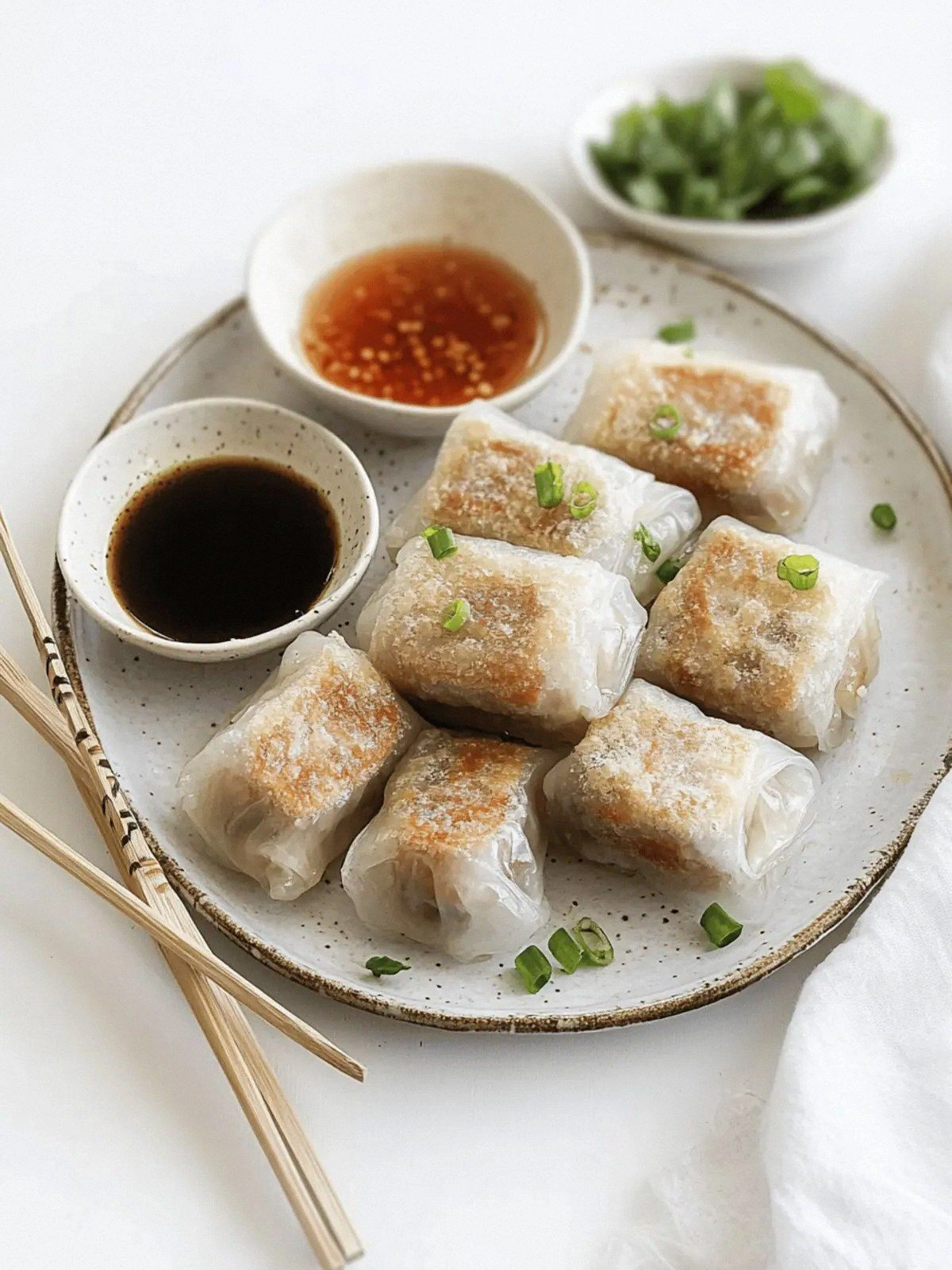
What made this version stand out was the way each element worked in harmony, not just as a garnish but as a core component. The rice paper, thin as a whisper, turned into golden crisp edges that crackled like fresh snow under your tongue. The sauce, a marriage of tamari, coconut aminos, and hot sauce, coated the dumplings like velvet, yet it didn’t overwhelm the delicate fillings. And the final touch— toasted sesame seeds— added a nutty crunch that lifted the entire dish.
I dare you to taste this and not go back for seconds. I’ve tried countless dumpling recipes that end up soggy or bland, but this one is hands down the best version you’ll ever make at home. If you’ve ever struggled with getting the rice paper to stay intact, you’re not alone—and I’ve got the fix. Let me walk you through every single step — by the end, you’ll wonder how you ever made it any other way.
What Makes This Version Stand Out
- Crunch: The rice paper transforms from a fragile sheet into a crispy shell that shatters like thin ice when you bite. That crunch is the first thing that signals the dish’s triumph.
- Flavor Depth: The blend of low‑sodium tamari, coconut aminos, and a splash of hot sauce creates a savory backbone that’s both umami and a hint of heat, without any overpowering spice.
- Texture Balance: The vegetables remain tender yet firm, giving a satisfying bite that contrasts with the crisp exterior.
- Ingredient Quality: Using fresh, organic produce and a protein of choice (think shrimp, chicken, or tofu) elevates the dish from ordinary to gourmet.
- Ease of Prep: The method is straightforward enough for a novice, yet sophisticated enough for a seasoned cook to brag about.
- Make‑Ahead Potential: You can assemble the dumplings ahead of time and refrigerate them for up to 24 hours, then reheat for a quick dinner.
- Versatility: Swap the protein or veggies, and you get a new flavor profile every time.
- Visual Appeal: The golden edges and vibrant colors make this dish Instagram‑ready.
Alright, let's break down exactly what goes into this masterpiece...
Inside the Ingredient List
The Flavor Base
The foundation of this dish is the aromatics—garlic and ginger. They’re the first layer of flavor that sets the tone. If you skip them, you’re missing the heart of the sauce; it’ll feel flat and one‑dimensional. For a vegetarian version, simply use a splash of vegetable broth in place of the protein’s cooking liquid.
Low‑sodium tamari or soy sauce is the umami powerhouse that brings everything together. It’s salty, savory, and has a depth that can’t be replicated by regular soy sauce. If you’re sensitive to sodium, look for a brand that offers a reduced‑salt option.
Hot sauce is the spark that keeps the dish interesting. A teaspoon is enough to give a subtle kick without drowning the other flavors. If you’re a heat aficionado, double the amount or add a pinch of cayenne for extra fire.
The Texture Crew
Carrots and cabbage are chosen for their crispness and natural sweetness. They hold their shape even after cooking, providing a satisfying bite. If you prefer a milder flavor, replace carrots with zucchini or bell peppers.
Mushrooms add an earthy undertone and a meaty texture that complements the protein. Sauté them until they’re golden; this caramelization brings out their natural umami.
Green onions bring a fresh, sharp contrast that cuts through the richness. They’re also a great source of vitamins and add a subtle crunch when sprinkled on top.
The Unexpected Star
Toasted sesame oil is the secret weapon that elevates the dish. It’s not just an oil; it’s a flavor enhancer that adds a nutty aroma. A teaspoon is enough to coat the whole batch.
Toasted sesame seeds, scattered on top, provide an extra layer of crunch and a nutty finish. They also add a subtle nutty flavor that ties the dish together.
The Final Flourish
Water is added sparingly to keep the fillings moist without making them soggy. A splash is all you need; the rest of the moisture comes from the veggies and protein.
All these ingredients work in concert to create a dish that’s crispy, savory, and utterly satisfying. Every bite is a journey through textures and flavors that dance together.
Everything's prepped? Good. Let's get into the real action...
The Method — Step by Step
- Heat the tablespoon of oil in a large skillet over medium heat until shimmering. Add the minced garlic and grated ginger, sautéing until fragrant and the garlic turns golden—about 30 seconds. This is the moment of truth; the aroma should be intoxicating.
- Add the sliced carrots, shredded cabbage, and diced mushrooms to the pan. Stir-fry for 4–5 minutes until the vegetables soften but still retain a bite. The vegetables should still have a bright, fresh color.
- Pour in the tablespoon of tamari or soy sauce, the ¼ cup of coconut aminos, and a splash of water. Stir until the sauce coats the veggies and starts to thicken slightly. The sauce should look glossy and cling to the ingredients.
- Introduce your protein—shrimp, chicken, or tofu—into the pan. Cook until it’s just done, about 3–4 minutes for shrimp, 5–6 for chicken, or 7–8 for tofu. The protein should be fully cooked but still tender.
- Add the 1–2 teaspoons of hot sauce and the teaspoon of toasted sesame oil. Mix well to ensure every bite has a balanced kick and nutty aroma. This step should feel like a crescendo.
- Remove the skillet from heat. Sprinkle the sliced green onions and toasted sesame seeds over the mixture. Let it cool for a minute so the flavors meld.
- Lay out a rice paper sheet on a damp towel. Place a spoonful of the filling in the center. Fold the sides in and roll tightly, sealing the edge with a splash of water. Repeat until all filling is used.
- Heat a separate non-stick skillet or wok over medium-high heat. Lightly brush with oil. Place the dumplings seam side down and cook until the edges are golden and crispy, about 3–4 minutes. Flip and cook the other side for 2 minutes.
- Serve immediately with a side of dipping sauce—mix 2 tablespoons of tamari, 1 tablespoon of rice vinegar, and a dash of sesame oil. The sauce should be tangy, salty, and slightly sweet.
- Enjoy the crunch, savor the umami, and let the flavors linger. If you’re feeling adventurous, sprinkle extra sesame seeds or a drizzle of chili oil on top.
That’s it — you did it. But hold on, I've got a few more tricks that'll take this to another level...
Insider Tricks for Flawless Results
The Temperature Rule Nobody Follows
Many cooks think a high heat is always better, but for rice paper dumplings, medium heat preserves the delicate wrapper while allowing the filling to cook evenly. I once tried a high flame and ended up with a soggy center. Keep the skillet at a steady medium, and you’ll see crisp edges and a moist interior.
Why Your Nose Knows Best
Before you even taste, let the aroma guide you. A properly cooked dumpling should emit a nutty, slightly sweet scent from the sesame oil. If you notice a raw or burnt smell, adjust the heat or add a splash of water to rehydrate.
The 5-Minute Rest That Changes Everything
After cooking, let the dumplings rest on a paper towel for five minutes. This step allows steam to escape, preventing sogginess. I’ve found that a quick rest gives the crust a firmer bite.
Keep the Filling Moist, Not Wet
When mixing the vegetables and protein, avoid overcooking them. They should be just tender; excess moisture will seep into the rice paper and ruin the crispness. A quick stir-fry preserves both flavor and texture.
Seal the Edges with Water
Using water to seal the edges is key. A splash of water on the rice paper makes it pliable and creates a tight seal. Don’t use too much water; just enough to stick the edges together.
Serve with a Tangy Dip
A dipping sauce with a balance of sweet, salty, and acidic notes complements the dumplings. I mix tamari, rice vinegar, and a touch of honey. The dip should be glossy and slightly viscous, enhancing each bite.
Creative Twists and Variations
This recipe is a playground. Here are some of my favorite ways to switch things up:
Asian Fusion
Swap the protein for thinly sliced beef or pork, add a splash of sriracha, and serve over a bed of rice noodles. This version leans into classic Asian street food flavors.
Vegetarian Delight
Use tofu or tempeh as the protein, add a handful of spinach for extra green, and finish with a drizzle of tahini for a creamy twist.
Spicy Thai
Introduce Thai basil, sliced chilies, and a splash of fish sauce. The basil adds aroma while the chilies provide heat.
Herb‑Infused
Replace green onions with fresh cilantro or mint, and add a pinch of cumin to the filling. The herbs bring a refreshing brightness.
Cheesy Surprise
Mix in a handful of shredded mozzarella or cheddar into the filling before rolling. The cheese melts slightly, creating a gooey center.
Breakfast Edition
Use scrambled eggs as the filling, add a pinch of paprika, and serve with a side of avocado. This turns the dumplings into a protein‑rich breakfast.
Storing and Bringing It Back to Life
Fridge Storage
Store cooked dumplings in an airtight container for up to 3 days. Keep them on a paper towel to absorb excess moisture, then cover loosely with plastic wrap. When ready to eat, reheat in a skillet until crispy.
Freezer Friendly
Freeze uncooked dumplings in a single layer on a parchment‑lined tray for 24 hours, then transfer to a freezer bag. They’ll keep for up to 2 months. Reheat in a skillet or steam until heated through.
Best Reheating Method
To revive the crispness, lightly oil a skillet over medium heat and pan‑fry the dumplings for 2 minutes on each side. Add a splash of water, cover, and let steam for 30 seconds before removing the lid. This technique restores the golden crunch without drying out the interior.