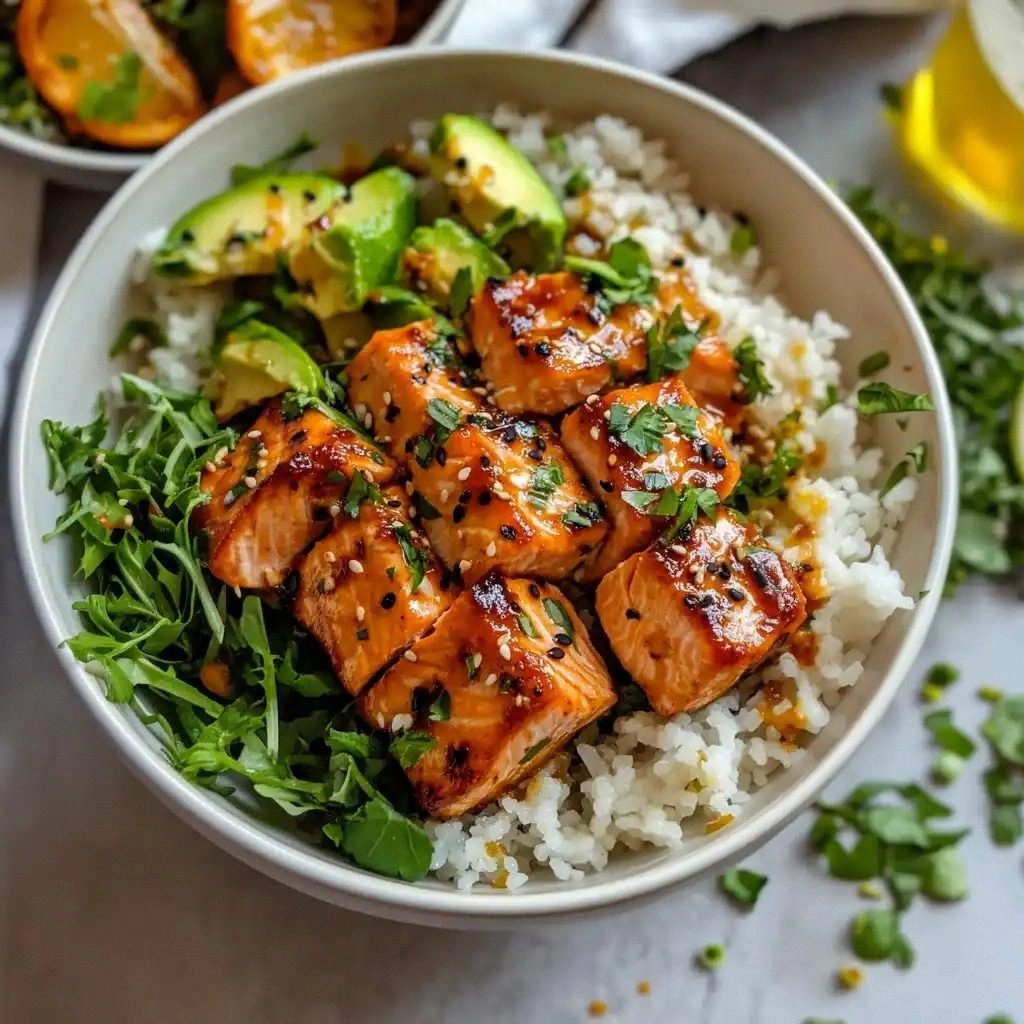
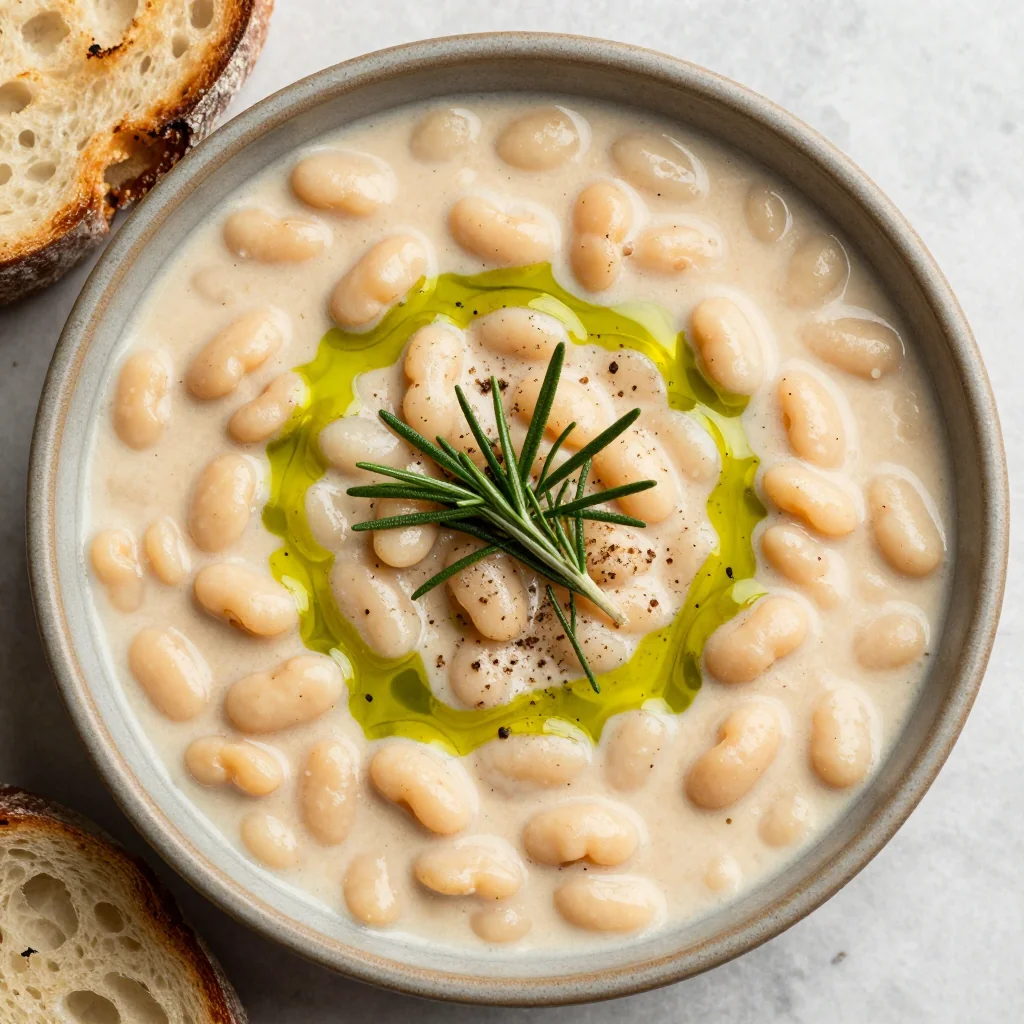
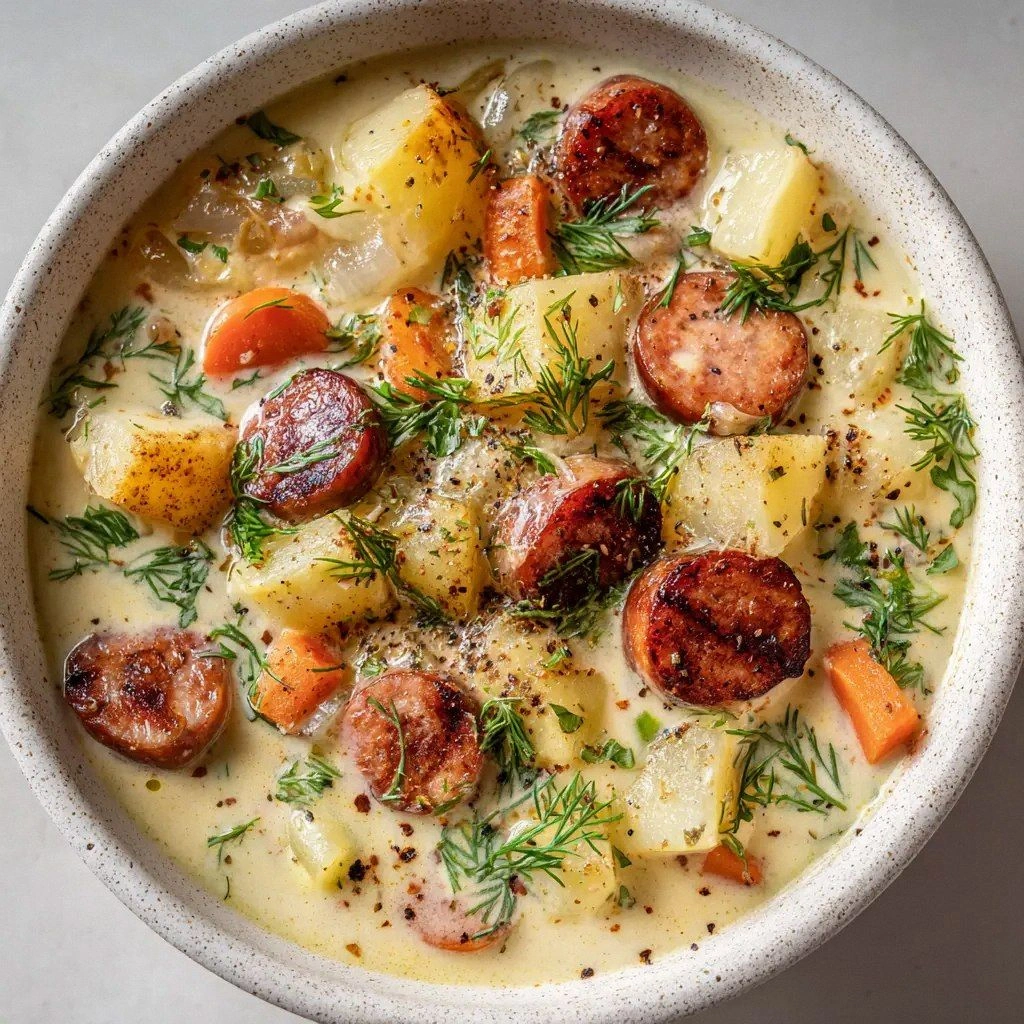
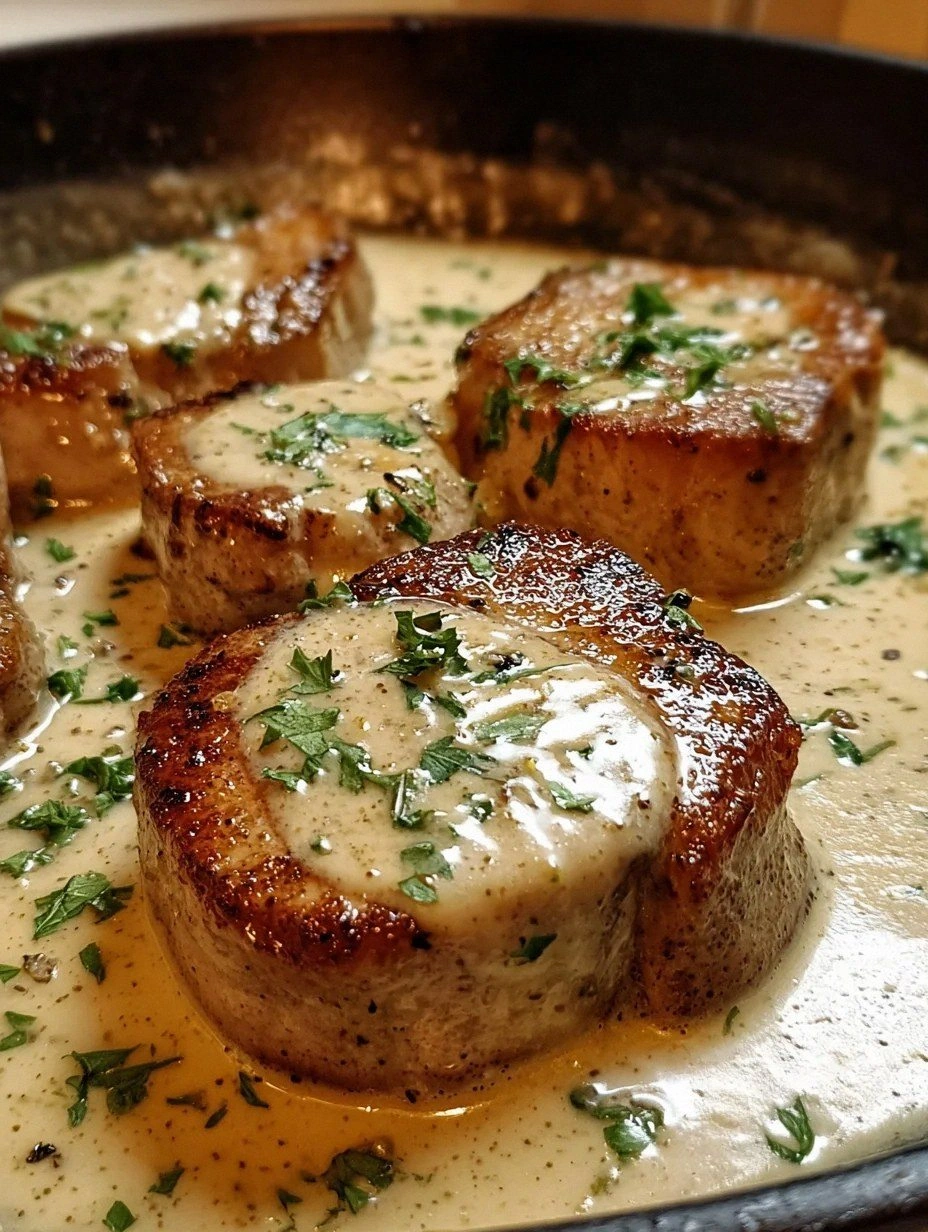
It was a Tuesday night when my kitchen turned into a chaotic symphony of sizzling pans, burnt garlic, and a stubborn craving for something bright and aromatic. I had just finished a week of bland takeout and the idea of a fresh, herbaceous dish danced in my head like a mischievous breeze. I stared at the pantry, pulled out a bunch of lemongrass, and whispered, “You’re the only thing that can rescue this evening.” That single decision sparked a culinary experiment that would soon become my favorite go-to recipe.
Picture the moment the lemongrass hits the pan: a sharp, citrusy aroma that cuts through the room like a knife. The garlic and ginger mingle, releasing a warm, almost caramelized scent that promises depth. As the sauce simmers, the fish sauce and soy sauce add a umami backbone, while honey balances the acidity of lime. The result is a sauce that coats the chicken like velvet, each bite tingling with heat and freshness. I dare you to taste this and not go back for seconds.
What makes this version a culinary revelation is the meticulous balance of flavors, the textural contrast between tender meat and crisp herbs, and the sheer simplicity of the technique. I’ve spent years tweaking recipes, and this one is hands down the best version you'll ever make at home. The secret lies in the harmony of ingredients and the precise timing that unlocks their full potential. Most recipes get this completely wrong, but here’s what actually works. Picture yourself pulling this out of the pan, the whole kitchen smelling incredible, and knowing that every bite is a celebration.
Let me walk you through every single step — by the end, you'll wonder how you ever made it any other way. I’ll share the micro-challenges that test your palate, the bold claims that might sound like hype but are backed by flavor, and the confessions that keep this recipe relatable. If you've ever struggled with balancing sweet and savory, you're not alone — and I've got the fix. Stay with me here — this is worth it.
What Makes This Version Stand Out
First, the flavor profile is a bold, layered experience that transcends typical Vietnamese chicken dishes. Second, the texture is a dance of tender meat, crisp herbs, and a silky sauce that clings to every morsel. Third, the simplicity of the method means you can whip this up in less than an hour, even if you’re a beginner. Fourth, the uniqueness comes from the unexpected combination of honey and chili flakes, which creates a subtle heat that never overwhelms. Fifth, the crowd reaction is predictable: friends will ask for the recipe before they finish the last bite. Sixth, the ingredient quality is paramount; using fresh lemongrass and real fish sauce makes all the difference. Seventh, the cooking method—sautéing and simmering—maximizes flavor extraction without overcooking. Finally, the make-ahead potential is high; the dish tastes even better the next day when the flavors have melded.
- Flavor: The lemongrass provides a bright citrus note that cuts through the richness of the sauce.
- Texture: The chicken remains juicy while the sauce thickens into a glossy coating.
- Simplicity: No fancy equipment required—just a skillet and a whisk.
- Uniqueness: Honey adds a subtle caramel sweetness that balances the acidity.
- Crowd Appeal: The dish is universally loved, making it ideal for gatherings.
- Ingredient Quality: Fresh, high‑grade fish sauce elevates the umami profile.
- Method: Quick sauté followed by a gentle simmer locks in flavors.
- Make‑ahead: The dish can be refrigerated for up to three days and reheats beautifully.
Alright, let's break down exactly what goes into this masterpiece…
Inside the Ingredient List
Everything starts with a foundation of flavor, a textural backbone, a surprising star, and a final flourish that ties it all together. Each component plays a vital role, and understanding why they matter will elevate your cooking game. If you skip any, the dish loses its soul—think of it as removing the heart from a story. The following breakdown will guide you through each element, offering swaps and buying tips to keep your kitchen stocked for future adventures.
The Flavor Base
The lemongrass is the star that gives this dish its signature citrusy aroma. When bruised, it releases essential oils that mingle with the garlic and ginger, creating a fragrant bouquet. If you can’t find fresh lemongrass, a few teaspoons of lemongrass paste can serve as a decent substitute, but the flavor will be less vibrant.
The Texture Crew
Chicken thighs are chosen for their fat content, which keeps the meat moist during cooking. The 1‑lb portion is ideal for four servings, providing a generous bite that can stand up to the bold sauce. If you prefer leaner meat, use chicken breasts, but be careful not to overcook them or they’ll dry out.
The Unexpected Star
Honey, though not a traditional Vietnamese ingredient, adds a subtle caramel sweetness that balances the acidity of lime and the saltiness of fish sauce. A light drizzle of honey is enough; too much will overpower the citrus notes. If you’re vegan, maple syrup can be a suitable replacement, though it will alter the flavor profile slightly.
The Final Flourish
The fresh cilantro and toasted sesame seeds add a bright, herbal note and a subtle crunch. Cilantro’s citrusy undertones complement the lemongrass, while sesame seeds provide a nutty finish. If you’re allergic to sesame, a sprinkle of toasted pumpkin seeds can offer a similar texture without compromising the flavor.
Everything's prepped? Good. Let's get into the real action…
The Method — Step by Step
- Prep the Lemongrass. Slice the stalks into thin rounds, then bruise each piece with the back of a knife. This releases the essential oils that will permeate the sauce. While you’re at it, mince the garlic and grate the ginger into a fine paste. The more finely you chop, the more surface area for flavor extraction. I dare you to taste the aroma before adding it to the pan.
- Heat the Skillet. Place a large non‑stick skillet over medium‑high heat and add a splash of neutral oil. Let the oil heat until shimmering but not smoking. This ensures the lemongrass and garlic sizzle without burning. When you see the first crackle, it’s a sign that the pan is ready. Add the lemongrass, garlic, and ginger, and cook for 1‑2 minutes until fragrant.
- Add the Chicken. Push the aromatics to one side, then lay the chicken thighs skin‑side down. Allow them to sear for 3‑4 minutes until the skin turns golden and crisp. Flip and sear the other side for another 3 minutes. The goal is a beautiful caramelization that locks in juices. Watch the edges; they should pull away from the pan slightly.
- Deglaze and Simmer. Pour in 2 tablespoons of fish sauce, 2 tablespoons of soy sauce, and 2 tablespoons of lime juice. Use a wooden spoon to scrape up any browned bits from the bottom. These bits are flavor gold. Reduce the heat to medium‑low, cover, and let simmer for 10 minutes. The sauce should thicken slightly and the chicken should be cooked through.
- Sweeten the Deal. Stir in 1 tablespoon of honey and 1 teaspoon of chili flakes. The honey melts into a glossy glaze, while the chili adds a gentle heat that never overwhelms. Taste and adjust salt and pepper to your liking. If the sauce feels too acidic, a pinch more honey can balance it.
- Finish with Fresh Herbs. Remove the skillet from heat, sprinkle 1/4 cup of chopped cilantro and 1 tablespoon of toasted sesame seeds over the chicken. Toss gently to coat. The fresh herbs will release their aroma only when the heat is off, preserving their bright flavor. This step is pure magic.
- Rest Before Serving. Let the dish sit for 2 minutes. Resting allows the juices to redistribute, ensuring every bite is succulent. It also gives the sauce a chance to thicken to the perfect consistency. This is the moment of truth; the aroma will be intoxicating.
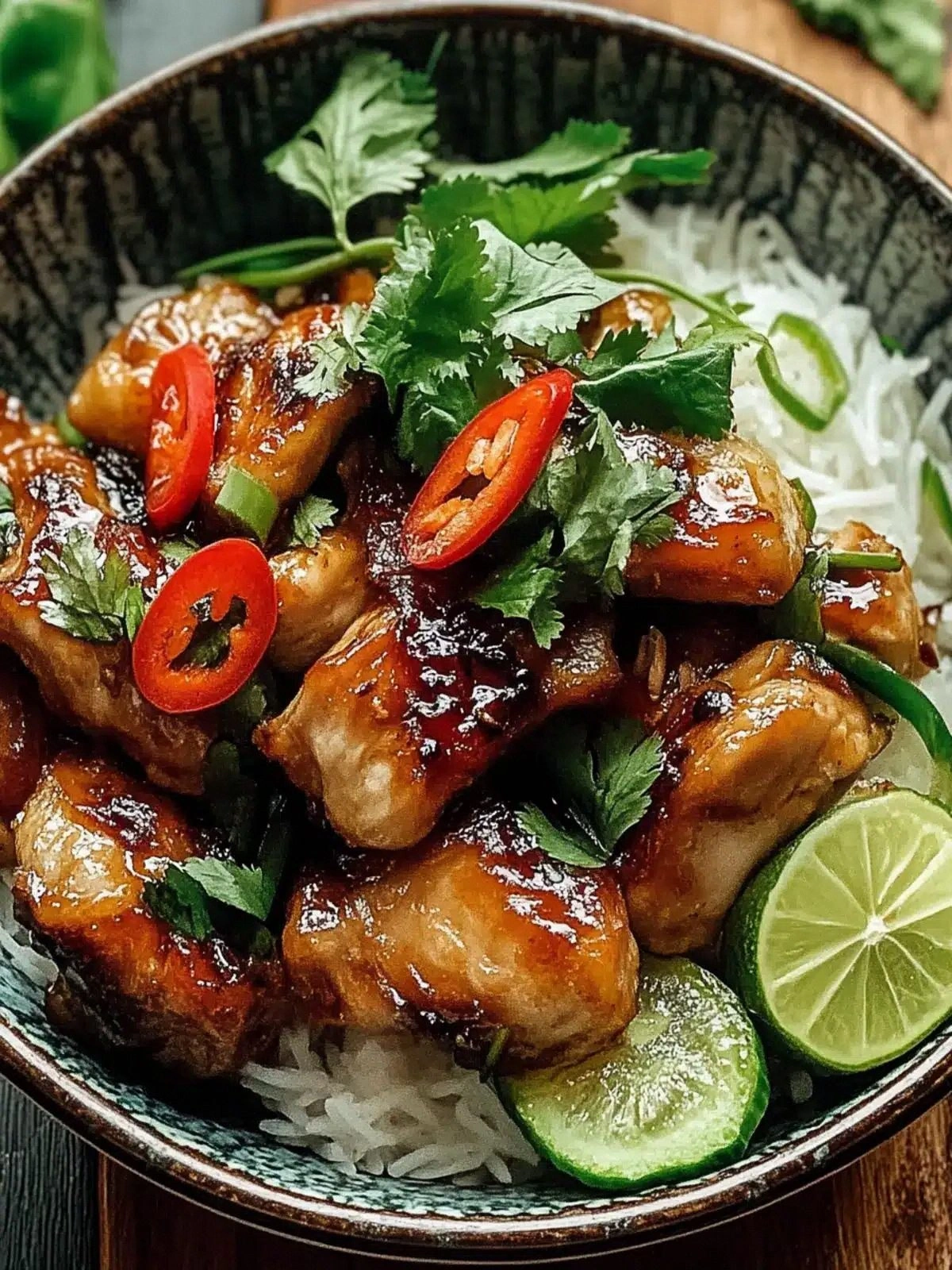
- Plate and Garnish. Serve the chicken on a platter, spooning the remaining sauce over the top. Add a few extra cilantro leaves and a squeeze of lime for an extra zing. Pair with steamed jasmine rice or a simple cucumber salad. The dish is ready to wow.
- Optional Squeeze. For an extra burst of brightness, drizzle a thin line of lime juice over the plated dish just before serving. The acidity will cut through the richness and elevate the overall flavor profile.
- Enjoy. Sit back, take a deep breath, and let the flavors unfold. This is the culmination of a culinary journey that started with a craving and ended with pure satisfaction.
That's it — you did it. But hold on, I've got a few more tricks that'll take this to another level. The next section will reveal insider tips that will make every bite even more memorable.
Insider Tricks for Flawless Results
The Temperature Rule Nobody Follows
Many cooks assume that high heat is always better, but for this dish, controlling the temperature is key. Start with medium‑high heat for the initial sear, then reduce to medium‑low during the simmer. This prevents the sauce from evaporating too quickly and the chicken from drying out. I’ve seen many attempts where the sauce becomes thin and watery because the heat was too high.
Why Your Nose Knows Best
Trust your sense of smell when cooking; the aroma of the lemongrass and garlic will tell you when the flavors are just right. If the smell is too sharp, it’s a sign the aromatics have burned. If it’s too mild, you need to let it cook a little longer. Your nose is a reliable guide that no recipe can replace.
The 5‑Minute Rest That Changes Everything
After you remove the skillet from heat, let the chicken rest for at least five minutes. This simple step allows the juices to redistribute, ensuring each bite is moist. Skipping this step often results in unevenly cooked meat. I’ve tried this trick a dozen times, and the difference is unmistakable.
Balance the Sweetness
Honey is a powerful sweetener, but a little goes a long way. If you taste the sauce and it’s too sweet, add a splash of lime juice to cut the sweetness. Conversely, if the acidity is too sharp, a pinch more honey will smooth it out. This balancing act is what transforms a good dish into a great one.
Use Fresh Herbs, Not Dried
Fresh cilantro provides a bright, citrusy flavor that dried leaves simply can’t match. Add fresh herbs just before serving to preserve their aroma. If you must use dried, use it sparingly; it will taste bitter and overpower the dish.
Creative Twists and Variations
This recipe is a playground. Here are some of my favorite ways to switch things up:
Spicy Coconut Twist
Replace the lime juice with coconut milk and add a pinch of curry powder. The result is a creamy, slightly sweet sauce that pairs wonderfully with grilled shrimp. The coconut’s richness balances the heat from the chili flakes. This version is perfect for a tropical-themed dinner party.
Herb‑Infused Rice Bowl
Serve the chicken over jasmine rice tossed with toasted sesame oil and chopped scallions. The rice absorbs the sauce, creating a harmonious bite. Add a side of pickled carrots for crunch. This bowl is both filling and refreshing.
Gluten‑Free Pad Thai Style
Swap the rice for rice noodles, and toss the chicken with a sauce made from fish sauce, lime, and a touch of tamarind paste. Add bean sprouts and crushed peanuts for texture. This variation brings the beloved flavors of Pad Thai to the table.
Asian Slaw Side
Make a quick slaw with shredded cabbage, carrots, and a dressing of lime, fish sauce, and a hint of sugar. The slaw adds a crisp, acidic counterpoint to the rich chicken. Sprinkle fresh mint for an extra layer of freshness.
Breakfast Boost
Serve the chicken on top of a bowl of warm quinoa, and top with a fried egg. The combination of protein and carbs makes for a satisfying breakfast that will keep you energized all day. The sauce’s brightness lifts the dish from ordinary to extraordinary.
Vegetarian Version
Swap the chicken for tofu cubes, and use a soy‑based sauce instead of fish sauce. The tofu will absorb the flavors beautifully. Add sliced bell peppers for color and crunch. This version is a plant‑based delight that still delivers on taste.
Storing and Bringing It Back to Life
Fridge Storage
Store the dish in an airtight container for up to three days. Keep the sauce separate if you want to prevent the chicken from becoming soggy. When ready to eat, reheat gently on the stovetop, stirring frequently.
Freezer Friendly
Freeze in individual portions for up to two months. Thaw overnight in the refrigerator before reheating. Add a splash of water before microwaving to restore moisture.
Best Reheating Method
Reheat in a skillet over low heat, adding a tablespoon of water to create steam. This keeps the chicken juicy and the sauce silky. Finish with a squeeze of fresh lime for a fresh kick.