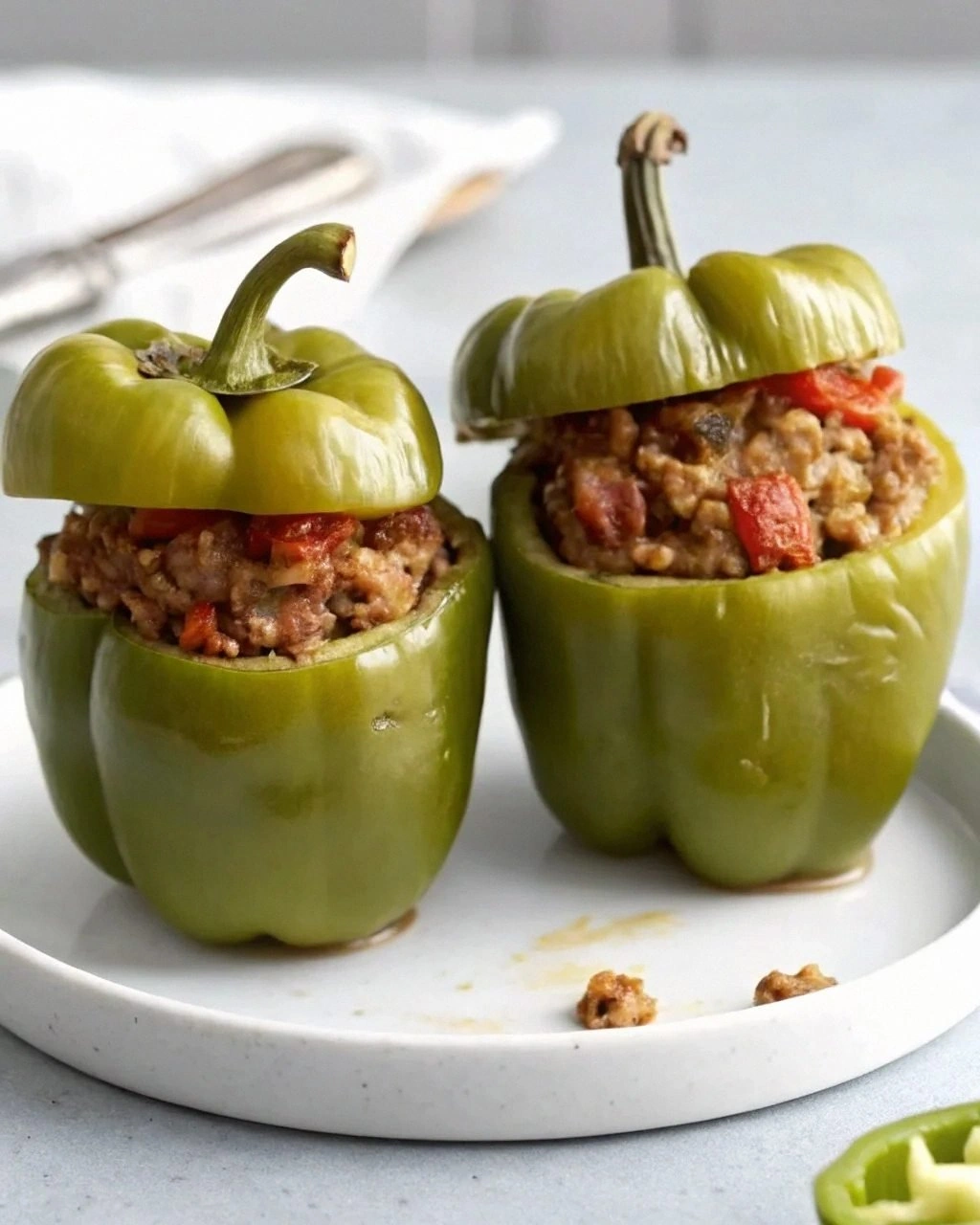
I'll be honest — I ate half the batch before anyone else got to try it. There I was, standing in my kitchen at 9:47 PM, fork in hand, hovering over the slow-cooker like some kind of stuffed-pepper vampire. The aroma had been taunting me for six hours, and resistance was futile. These weren't just any stuffed peppers; these were the kind that make you question every other stuffed pepper you've ever eaten. You know those sad, mushy bell peppers stuffed with bland rice that taste like hospital food? Yeah, this isn't that. This is what happens when you take the laziest cooking method on earth and weaponize it for maximum flavor explosion.
Picture yourself pulling this out of the slow-cooker, the whole kitchen smelling like an Italian grandmother's secret recipe book. The peppers are tender but not falling apart, their edges caramelized to sweet perfection. The filling — oh, the filling — is this incredible marriage of perfectly seasoned meat, fluffy rice, and vegetables that have somehow absorbed every ounce of flavor while maintaining their individual personalities. It's like a warm hug from the inside out, the kind of comfort food that makes you close your eyes involuntarily with the first bite.
Most recipes get this completely wrong. They throw everything together hoping the slow-cooker will work some kind of magic, but here's what actually works: you need to build layers of flavor before those peppers even think about meeting your appliance. I'm talking about toasting your rice until it smells like popcorn, browning your meat until it develops those gorgeous fond bits, and creating what I call the "flavor slurry" that transforms ordinary tomato sauce into something that'll make you weep with joy.
Okay, ready for the game-changer? We're going to par-cook the peppers first so they maintain their structure instead of collapsing into a sad pile of vegetable mush. Then we'll create a spiced oil that infuses every grain of rice with incredible depth. Stay with me here — this is worth it. Let me walk you through every single step — by the end, you'll wonder how you ever made it any other way.
What Makes This Version Stand Out
Before we dive into the nitty-gritty, let me tell you why this recipe will ruin all other stuffed peppers for you forever. It's not just about throwing ingredients into a slow-cooker and hoping for the best — it's about understanding how flavors develop over time and using that knowledge to create something extraordinary.
- Flavor Bomb Technique: We start by creating a base soffritto that would make any Italian nonna proud. Onions, carrots, and celery are slowly caramelized until they're practically melting, creating a foundation that most recipes completely skip. This isn't optional — it's the difference between "meh" and "more please."
- Texture Perfection: Here's the thing nobody tells you about stuffed peppers: texture is everything. We use a combination of short-grain and long-grain rice that creates this incredible contrast — some grains stay firm while others get creamy, giving you that restaurant-quality mouthfeel that makes people ask "how did you DO this?"
- Lazy Genius Method: While your peppers are doing their thing for six hours, you can literally be anywhere else. At work, at the gym, binge-watching that show everyone's talking about. The slow-cooker doesn't just cook your food — it babysits it, nurtures it, and transforms it while you live your life.
- Secret Ingredient Magic: Most recipes use plain tomato sauce. We make a quick tomato paste caramelization that adds this incredible umami depth, plus a splash of balsamic vinegar that brightens everything up. It's like your taste buds are at a party and everyone's invited.
- Crowd Control Champion: I dare you to taste this and not go back for seconds. I've served this to the pickiest eaters — kids who hate vegetables, adults who claim they don't eat bell peppers, my friend who thinks anything healthy tastes like cardboard. They all went back for thirds. One guy literally licked his plate. In public.
- Make-Ahead Warrior: This recipe is basically meal prep royalty. Make a double batch on Sunday, and you've got lunches that'll make your coworkers jealous all week. The flavors actually get better overnight — it's like the peppers are having a flavor party in your fridge.
Alright, let's break down exactly what goes into this masterpiece...
Inside the Ingredient List
Every ingredient in this recipe pulls its weight and then some. There's no filler here, no "why is this even in here?" moments. Each component has been carefully selected to contribute specific flavors, textures, or both. Understanding what each ingredient does will make you a better cook — not just for this recipe, but for everything you make going forward.
The Flavor Foundation
Let's start with the aromatics because, honestly, this is where most home cooks phone it in. You need one large onion, diced small — and I mean small. We're talking 1/4-inch pieces that'll practically disappear into the filling. The onion provides sweetness and depth, but here's the key: we're going to cook it until it's golden and jammy, not just until it's translucent. This transformation takes about 12 minutes and it's where the magic begins. Skip this step and your filling will taste flat, like it's missing something you can't quite put your finger on.
Two cloves of garlic might seem standard, but we're treating them special. Instead of throwing them in raw, we're going to smash them and let them infuse in warm olive oil for a few minutes first. This gentle treatment releases their essential oils without that harsh raw garlic bite that can overpower everything else. Think of it as garlic's spa day before it goes to work.
The celery and carrot aren't just there for color — they're providing the soffritto backbone that makes Italian food taste like it came from a trattoria. Dice them the same size as your onion so they cook evenly. The celery adds a subtle bitterness that balances the sweetness of the onion and carrot, while the carrot provides natural sugars that help with caramelization.
The Protein Powerhouse
Ground beef gets a bad rap, but when you buy the right stuff, it's incredible. Look for 80/20 ground chuck — yes, the fatty one. That fat isn't your enemy; it's flavor delivery system. As the beef cooks, the fat renders out and carries all those beautiful spices throughout the entire dish. Lean ground beef will leave you with dry, sad filling that no amount of sauce can save.
But here's where it gets interesting: we're using a 50/50 mix of ground beef and Italian sausage. The sausage brings fennel, garlic, and a whole party of herbs that would take you forever to measure out individually. Remove it from the casings and break it up with your fingers — don't be precious about it. Those irregular pieces create textural variety that makes every bite interesting.
Eggs aren't just binding agents in this recipe — they're richness bombs. One large egg transforms loose meat and rice into a cohesive filling that slices cleanly but isn't rubbery. The proteins in the egg gently coagulate as the peppers cook, creating this tender, almost custardy texture that makes people close their eyes when they taste it.
The Grain Game
Rice selection matters more than you think. We're using a combination of Arborio and long-grain white rice — sounds fancy, but here's why it works. The Arborio releases starch as it cooks, creating this creamy binding that holds everything together. The long-grain rice stays distinct and fluffy, giving you that perfect textural contrast. It's like having your cake and eating it too, but with rice.
Cook your rice first, but here's the trick: undercook it by about five minutes. It should still have a firm bite in the center because it's going to finish cooking inside the peppers. This prevents the dreaded mushy rice situation that ruins so many stuffed pepper recipes. Nobody wants to eat rice pudding inside a bell pepper.
The Unexpected Stars
Sun-dried tomatoes might seem like an odd addition, but trust me on this one. Finely chopped, they provide these little bursts of intense tomato flavor that wake up your palate. They're like flavor bombs hidden throughout the filling. Make sure you get the ones packed in oil — they blend better and add richness to the mix.
Worcestershire sauce is the umami ninja that nobody sees coming. Just a tablespoon adds this incredible depth that makes people ask "what's in this?" without being able to identify it. It's the secret handshake of savory cooking. If you skip it, the filling will still taste good, but it won't have that restaurant-quality complexity that makes people swoon.
Fresh herbs at the end aren't just garnish — they're essential. Parsley adds brightness, basil brings sweetness, and a little oregano ties everything to that Italian flavor profile. Use fresh herbs if at all possible. Dried herbs have their place, but here they'll taste dusty and one-dimensional. Fresh herbs are like adding color to a black-and-white photo.
Everything's prepped? Good. Let's get into the real action...
The Method — Step by Step
This is where the magic happens, and I'm going to walk you through every single detail because that's what separates good cooks from great ones. Pay attention to the little things — the temperature of your pan, the way ingredients look and smell, the timing of each step. These details are what transform humble ingredients into something extraordinary.
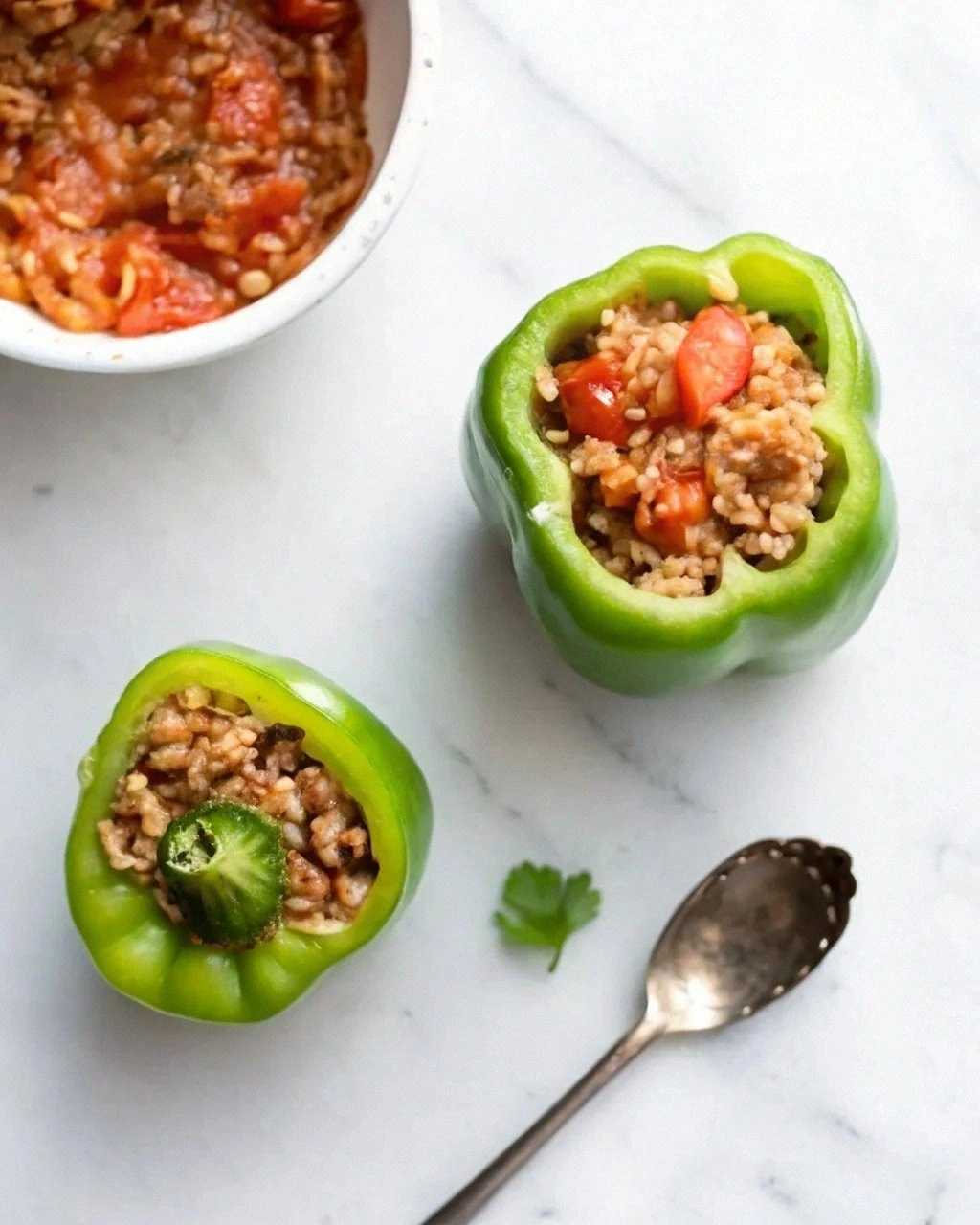
- Prep Your Peppers Like a Pro: Choose four large bell peppers that can stand upright on their own — wobbly peppers are a recipe for disaster. Cut the tops off about 1/2 inch from the stem end and reserve them. Use a small paring knife to carefully remove the white ribs and seeds, being careful not to puncture the pepper walls. Rinse them inside and out, then place them cut-side down on paper towels to drain. This is crucial — excess water will dilute your filling and create soggy bottoms. Nobody wants soggy bottoms.
- Create the Soffritto Foundation: Heat 3 tablespoons of olive oil in a large skillet over medium heat until it shimmers. Add your diced onion, carrot, and celery with a generous pinch of salt. Cook, stirring occasionally, until the vegetables are soft and golden — about 12-15 minutes. Don't rush this step. The vegetables should be meltingly tender and sweet, not browned or crispy. That sizzle when they hit the pan? Absolute perfection. Lower the heat if they start browning too quickly.
- Bloom Your Spices: Clear a space in the center of your soffritto and add 2 teaspoons of tomato paste. Let it cook for 2 minutes, stirring constantly, until it darkens to a brick red color and smells slightly caramelized. Add 1 teaspoon each of dried oregano and basil, plus 1/2 teaspoon of smoked paprika. Cook for another minute until fragrant. This step awakens the essential oils in your dried herbs and removes the raw tomato paste taste.
- Brown the Meat Right: Increase the heat to medium-high and add your ground beef and sausage mixture. Break it up with a wooden spoon, but don't stir constantly. Let it sit for 2-3 minutes at a time to develop those gorgeous brown bits. Season with salt and pepper. The meat is ready when it's no longer pink and has developed some caramelized edges — about 8-10 minutes total. Drain off excess fat if necessary, but leave about 2 tablespoons for flavor.
- Build the Filling: Transfer the meat mixture to a large bowl and let it cool for 10 minutes. This prevents the eggs from scrambling when you add them. Stir in your par-cooked rice, sun-dried tomatoes, Worcestershire sauce, and half of your fresh herbs. Beat your egg in a small bowl, then fold it gently into the mixture. Taste and adjust seasoning — it should be well-seasoned since the rice will dilute the flavors slightly.
- Stuff and Arrange: Preheat your slow-cooker on low. Fill each pepper generously with the meat mixture, pressing down gently to pack it in. Don't overstuff or they'll split during cooking. Place the stuffed peppers upright in your slow-cooker — they should fit snugly. If they're wobbly, slice a tiny bit off the bottom to create a flat base, being careful not to create a hole.
- Create the Cooking Liquid: In a bowl, whisk together 1 cup of chicken broth, 1/2 cup of your favorite tomato sauce, 2 tablespoons of balsamic vinegar, and 1 teaspoon of honey. This creates a braising liquid that keeps everything moist while adding layers of flavor. Pour this mixture around the peppers, not over them — you want them to steam, not drown.
- The Long Wait: Cover and cook on low for 6-7 hours or high for 3-4 hours. Resist the urge to peek — every time you lift the lid, you add 15-20 minutes to your cooking time. The peppers are done when they're tender but still hold their shape and the filling reaches 165°F internally. If your slow-cooker runs hot, check at the 5-hour mark.
- Final Flourishes: During the last 30 minutes of cooking, sprinkle the tops with a mixture of breadcrumbs and parmesan cheese. Replace the pepper tops if you saved them — they create adorable little hats and keep the filling moist. Let everything rest for 10 minutes before serving to allow the filling to set slightly.
That's it — you did it. But hold on, I've got a few more tricks that'll take this to another level...
Insider Tricks for Flawless Results
After making this recipe dozens of times, I've discovered some game-changing secrets that separate good stuffed peppers from legendary ones. These aren't in most cookbooks because, frankly, most people don't think about stuffed peppers long enough to perfect them. But we're not most people, are we?
The Temperature Rule Nobody Follows
Here's something that'll blow your mind: the temperature of your ingredients matters more than you think. When you're mixing your filling, everything should be at room temperature except the egg. Cold rice straight from the fridge will seize up and create dense pockets. Warm meat will start cooking the egg before it's incorporated, creating rubbery bits. Let everything sit out for 30 minutes before mixing, and you'll get a filling that's tender and cohesive instead of a weird meatloaf texture.
Why Your Nose Knows Best
Trust your sense of smell throughout this process — it's your built-in quality control system. When you're browning the meat, it should smell savory and slightly sweet, never acrid or burnt. If your soffritto starts smelling sharp or oniony, your heat is too high. The filling mixture should smell like something you'd want to eat raw (even though you shouldn't). This might sound weird, but experienced cooks know: if it smells good at every stage, it'll taste incredible at the end.
The 5-Minute Rest That Changes Everything
I know you're hungry. I know those peppers smell incredible. But here's what separates the pros from the amateurs: after cooking, let everything rest for 10 minutes with the lid slightly ajar. This isn't just about not burning your mouth (though that's important too). The filling needs time to set up slightly, the peppers need to cool just enough to hold their shape, and the flavors need a moment to meld. A friend tried skipping this step once — let's just say it didn't end well. The filling spilled out like sad pepper soup.
The Cheese Strategy
Don't add all your cheese at once — that's amateur hour. Mix half into the filling for richness and moisture, reserve some for the top during the last 30 minutes, and save a little fresh parmesan for serving. This creates three different cheese experiences: melty and incorporated, golden and slightly crispy, and fresh and sharp. It's like a cheese symphony in your mouth.
The Liquid Gold Rule
Whatever you do, don't throw away that cooking liquid left in the slow-cooker. It's liquid gold — concentrated essence of everything good in this recipe. Strain it and use it as a sauce base, add it to soups, or (my favorite) reduce it by half and spoon it over the peppers when serving. This is the difference between home cooking and restaurant-quality presentation.
Creative Twists and Variations
This recipe is a playground. Here are some of my favorite ways to switch things up:
The Mediterranean Vacation
Swap the Italian sausage for ground lamb, add crumbled feta to the filling, and season with oregano, mint, and a touch of cinnamon. Replace the tomato sauce with a mixture of crushed tomatoes and kalamata olives. Top with fresh dill instead of parsley. It tastes like summer in Santorini, even in the dead of winter.
The Southwestern Heatwave
Use ground turkey and chorizo, add black beans and corn to the filling, and season with cumin, chili powder, and smoked paprika. Replace the rice with quinoa for extra protein. Top with pepper jack cheese and serve with a dollop of chipotle sour cream. Your taste buds will do a happy dance.
The Vegetarian Powerhouse
Replace the meat with a mixture of finely chopped mushrooms, lentils, and walnuts. The mushrooms provide umami, the lentils give you protein and texture, and the walnuts add richness and crunch. Season aggressively with soy sauce and nutritional yeast for that savory depth that meat usually provides.
The Breakfast-for-Dinner Special
Use breakfast sausage and add diced hash browns to the filling. Mix in some sharp cheddar and a drizzle of maple syrup. Top with a fried egg when serving. It's like the best breakfast sandwich you've ever had, but inside a pepper. Game changer.
The Asian Fusion Fantasy
Use ground pork and season with ginger, garlic, soy sauce, and a touch of sesame oil. Add water chestnuts for crunch and substitute half the rice with cauliflower rice. Use a mixture of chicken broth and coconut milk for your cooking liquid. Top with fresh cilantro and a drizzle of sriracha mayo.
The Low-Carb Comfort
Replace the rice entirely with cauliflower rice that's been squeezed dry. Use a mixture of ground chicken and pork for flavor without too much fat. Add extra vegetables like diced zucchini and spinach to bulk it up. The result is shockingly satisfying and won't leave you in a carb coma.
Storing and Bringing It Back to Life
Leftovers? What leftovers? Okay, assuming you have more self-control than I do, here's how to handle the aftermath of your stuffed pepper success:
Fridge Storage
Store cooled peppers in an airtight container with some of the cooking liquid spooned over them. They'll keep for up to 4 days in the refrigerator, though they're best within 3 days. The peppers will continue to absorb flavors as they sit, making them even more delicious. Separate the peppers if possible — stacking them can cause them to break apart. If you've got pepper tops, store those separately so they don't get soggy.
Freezer Friendly
These freeze beautifully, which is why I always make a double batch. Let them cool completely, then wrap each pepper individually in plastic wrap, then foil. They'll keep for up to 3 months in the freezer. To reheat, thaw overnight in the refrigerator, then warm in a 350°F oven for 20-25 minutes. The texture won't be quite as perfect as fresh, but they'll still be better than most stuffed peppers you've ever had.
Best Reheating Method
Skip the microwave — it makes the filling rubbery and the peppers sad. Instead, place peppers in a baking dish with a splash of broth or water, cover with foil, and warm in a 350°F oven for 20 minutes. Add a tiny splash of water before reheating — it steams back to perfection. For the last 5 minutes, remove the foil and add fresh cheese on top. It'll taste almost as good as the first day.