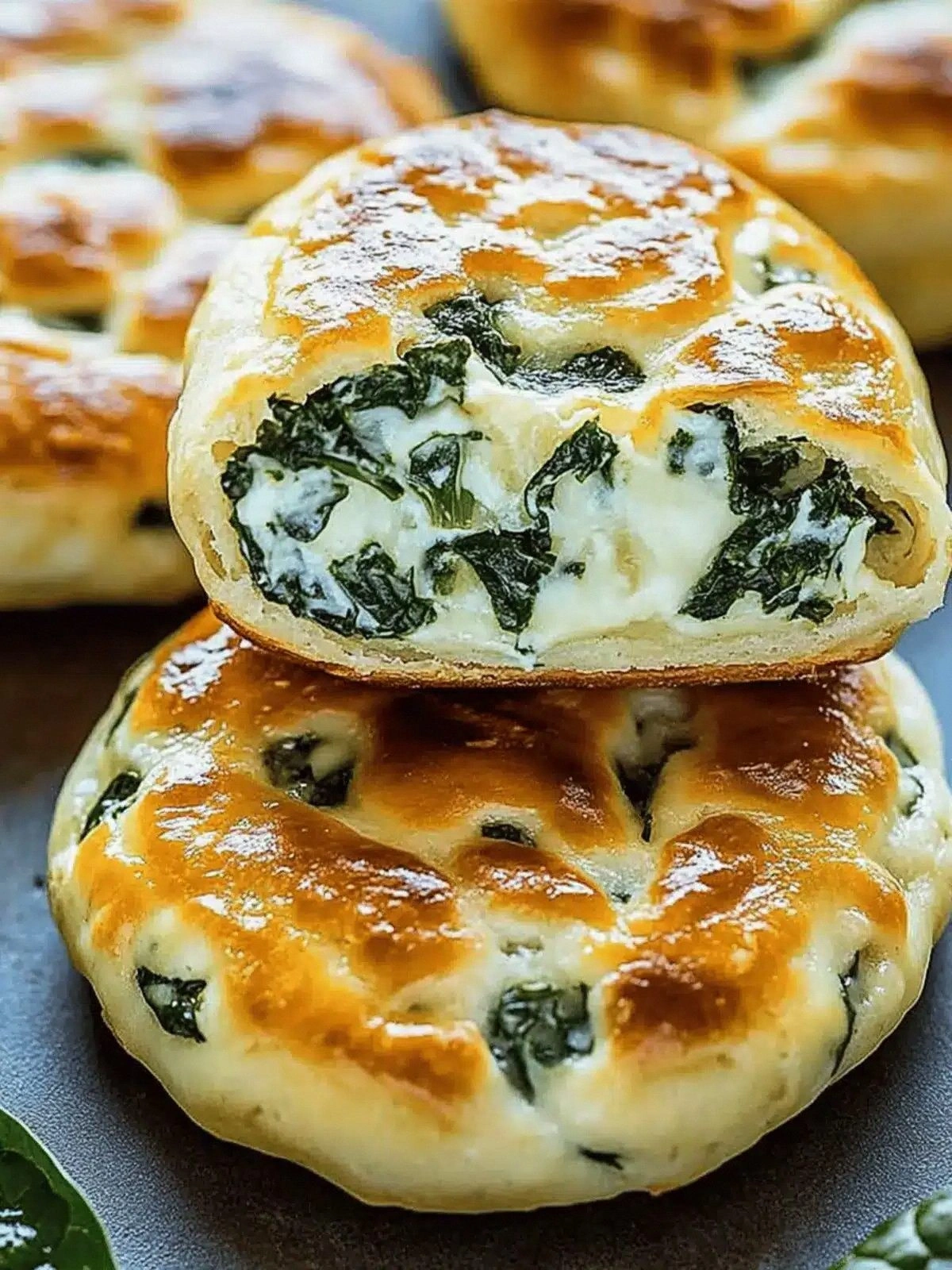
Picture this: a morning that starts with the clatter of a pan, the steam rising like a soft cloud, and the scent of fresh spinach dancing through the kitchen. I was halfway through a chaotic scramble of scrambled eggs and burnt toast when a friend dared me to whip up something that could turn the mess into a masterpiece. The challenge was simple—make a bagel‑style breakfast that’s quick, wholesome, and, dare I say, a little bit brag‑worthy. I dove into the pantry, grabbed my trusty cottage cheese, and decided to give the humble bagel a green, cheesy twist. The result? A fluffy, golden flagel that practically melts in your mouth, with spinach tucked inside like a secret garden.
I’ll be honest—my first attempt had a slightly rubbery texture, but that’s how you learn to love the learning curve. The second time, I added a splash of olive oil that gave the batter a subtle sheen and a richer flavor profile that sang against the sharpness of the mozzarella. Every bite was a burst of umami, with the spinach’s earthy undertone balanced by the creamy cottage cheese. I was already halfway to the second batch when my phone buzzed: “Dude, this is the best bagel ever.” I laughed, realizing the kitchen had become a laboratory of delicious possibilities.
If you’ve ever struggled with bagels that come out dense or bland, you’re not alone—and I’ve got the fix. This version is hands down the best you’ll ever make at home because it combines the lightness of a sponge with the comforting chew of a bagel, all while packing a nutritional punch. The secret lies in the simple balance of ingredients and a technique that keeps the dough tender without sacrificing structure. I dare you to taste this and not go back for seconds, because once you’ve experienced the buttery, cheesy hug, you’ll never settle for the ordinary again.
What makes this recipe truly stand out is that it turns a quick breakfast into a showstopper. I’m talking about a golden crust that cracks with a satisfying snap, a soft interior that holds the spinach like a secret, and a flavor profile that feels like a hug on a plate. The moment you pull it out of the oven, the kitchen smells incredible, and the anticipation of that first bite is almost a form of meditation. Picture yourself pulling this out of the oven, the whole kitchen smelling incredible, and your friends begging for the recipe—this is the kind of moment that makes mornings worth the early wake‑up.
Let me walk you through every single step—by the end, you’ll wonder how you ever made it any other way. From the first whisk to the final pop in the oven, I’ll share the micro‑challenges that keep the process fun and the outcome flawless. Along the way, I’ll sprinkle in some kitchen hacks that save time, reduce mess, and elevate the flavor profile. If you’re ready to turn a simple bagel into a culinary triumph, grab a notebook and let’s get cooking.
What Makes This Version Stand Out
- Texture: The dough achieves a chewy yet airy interior that’s a rare feat for bagel‑style breads. The combination of cottage cheese and olive oil keeps the crumb moist without making it heavy. If you skip the oil, the result is dry, and you’ll feel the difference with every bite.
- Flavor: A bold, cheesy base with spinach adds depth that’s both savory and slightly sweet. The mozzarella provides a melty finish that contrasts beautifully with the cottage cheese’s tang. A pinch of salt ties everything together, preventing the flavors from feeling flat.
- Nutrition: Packed with protein, fiber, and essential vitamins, this recipe offers a balanced breakfast that keeps you full longer. The spinach delivers iron and vitamin K, while the cottage cheese adds calcium. Swap the mozzarella for feta for a tangier twist.
- Speed: The entire process takes under 45 minutes from prep to plate, making it ideal for busy mornings. The dough rises quickly thanks to baking powder, eliminating the need for a long proofing time. No more waiting around for dough to double in size.
- Make‑ahead: You can prepare the dough the night before, refrigerate it, and bake fresh in the morning. The flavors deepen overnight, and the bagels come out even more flavorful. Just cover tightly to avoid drying out.
- Versatility: This base works for savory or sweet variations, making it a canvas for countless flavor experiments. Add herbs for a Mediterranean vibe or cinnamon for a sweet breakfast treat. The possibilities are endless.
Alright, let’s break down exactly what goes into this masterpiece. The key is to keep the ingredients simple yet powerful, and to follow the technique with precision. I’ll walk you through each component, explain why it matters, and give you the freedom to swap or tweak it to suit your taste buds. If you’re ready to dive deeper, keep reading.
Inside the Ingredient List
The Flavor Base
Cottage cheese is the backbone of this recipe, providing a creamy texture and a mild tang that balances the richness of the mozzarella. It also adds a protein boost, making the dish satisfying and sustaining. If you’re lactose intolerant, try using a plant‑based yogurt or a low‑fat Greek yogurt instead; the flavor will stay vibrant, though the texture might shift slightly.
All‑purpose flour gives the dough structure, allowing it to rise and hold its shape while still remaining tender. Choosing a high‑protein flour can enhance chewiness, but the standard blend works perfectly for beginners. If you’re gluten‑free, a 1:1 blend of gluten‑free flour and xanthan gum can substitute, but the result will be slightly denser.
The Texture Crew
Baking powder is the secret to the airy rise; it releases carbon dioxide as the batter heats, creating tiny pockets that keep the flagels light. A pinch of baking soda can be added for a slightly more complex rise, but it’s not essential. If you skip the baking powder, the bagels will be dense and chewy, not airy.
Olive oil brings a subtle buttery richness and prevents the dough from drying out during baking. It also adds a silky mouthfeel that complements the mozzarella’s melt. For a healthier version, use extra‑virgin olive oil; its robust flavor will shine through.
The Unexpected Star
Baby spinach is the green hero that brings a burst of color and nutrition. It’s packed with iron, vitamin A, and antioxidants, turning a breakfast into a superfood. If you prefer a milder taste, you can sauté the spinach briefly before adding it to the dough; this reduces the raw bite.
Mozzarella cheese is the gooey crown that creates a luscious melt on every bite. Its high moisture content ensures a silky finish, while its mild flavor doesn’t overpower the spinach. Aged provolone or cheddar can be swapped for a sharper profile, but the texture will change.
The Final Flourish
Egg, used only for the wash, adds shine to the crust, giving it that coveted golden glow. It also helps bind the dough together, ensuring structural integrity. If you’re vegan, a tablespoon of flaxseed meal mixed with water can mimic the binding effect.
Everything's prepped? Good. Let’s get into the real action, where the magic happens and the flagels begin to rise to greatness. The next steps will guide you through mixing, shaping, and baking with confidence, ensuring every bite is a triumph.
The Method — Step by Step
- In a medium bowl, whisk the egg until fully blended. Set aside a small cup of the mixture for the final wash. This step ensures the egg is evenly distributed, preventing clumping in the dough.
- Sift together the all‑purpose flour, baking powder, and salt in a separate bowl. Mixing dry ingredients first eliminates lumps and guarantees even leavening. If you’re using a gluten‑free blend, add a teaspoon of xanthan gum to maintain structure.
- Combine the wet and dry mixtures, stirring until a shaggy dough forms. Fold in the cottage cheese, spinach, and mozzarella, ensuring each ingredient is evenly distributed. The dough should feel slightly sticky but manageable.
- Transfer the dough to a lightly floured surface and knead for 3–4 minutes, until it’s smooth and elastic. A good knead traps air bubbles that will expand during baking, creating a light interior.
- Shape the dough into a long rope, then twist it into a flagel shape, pinching the ends together to seal. This classic bagel technique locks in the air pockets and creates the signature ring.
- Place the shaped dough onto a parchment‑lined baking sheet. Let it rest for 10 minutes; this rest period allows the gluten to relax, preventing the flagels from shrinking during baking.
- Preheat the oven to 425°F (220°C). While the oven heats, lightly brush the dough with the reserved egg wash and sprinkle a pinch of salt on top. The egg wash gives a glossy finish, while the salt enhances flavor.
- Bake for 18–20 minutes, or until the flagels are golden brown and sound hollow when tapped on the bottom. The internal temperature should reach 190°F (88°C). Let them cool on a wire rack before slicing.
That's it — you did it. But hold on, I've got a few more tricks that'll take this to another level. From the subtle seasoning tweaks to the perfect cooling technique, each detail ensures your flagels remain fluffy and flavorful. Let’s dive into those insider secrets that will make your bagels the talk of the town.
Insider Tricks for Flawless Results
The Temperature Rule Nobody Follows
Many bakers set the oven to 400°F, but 425°F is the sweet spot for flagels. The higher temperature creates a rapid rise, giving the dough a crisp crust while keeping the interior tender. If you’re using a convection oven, reduce the temperature by 25°F to avoid over‑browning.
Why Your Nose Knows Best
Trust your nose when the dough starts to emit a nutty, toasted aroma. That scent signals the ideal moment to flip the flagels or to apply the final egg wash. A good rule of thumb: when the scent becomes slightly caramelized, it’s time to bake.
The 5-Minute Rest That Changes Everything
After shaping the dough, let it rest for five minutes before baking. This brief pause allows the gluten to relax, preventing the flagels from shrinking. Skipping this step can result in a dense, uneven loaf.
Keep the Spinach Moist
If you sauté the spinach before adding it to the dough, let it cool completely. Warm spinach can release excess moisture, making the dough soggy. I’ve found that a quick squeeze with a towel removes the extra liquid and keeps the dough firm.
Use Fresh Cheese for Creaminess
Fresh mozzarella melts beautifully, but if you can’t find it, low‑fat shredded mozzarella works well. The key is to keep the cheese at room temperature before mixing, so it blends seamlessly into the dough. A cold cheese can cause the dough to stiffen.
Creative Twists and Variations
Herb‑Infused Flagels
Add a handful of fresh basil or oregano to the dough for a Mediterranean flair. The herbs infuse the flagels with aromatic depth, making them perfect for brunch or a light lunch. Pair with a tomato salsa for a fresh kick.
Sweet Spinach Delight
Swap the mozzarella for ricotta and sprinkle a dash of cinnamon and sugar before baking. The result is a sweet, savory flagel that pairs wonderfully with a drizzle of honey. It’s a breakfast treat that satisfies both sweet and savory cravings.
Vegan Flagels
Replace the cottage cheese with a plant‑based yogurt, use a flax egg for binding, and choose a vegan mozzarella. The texture stays fluffy, and the flavor profile remains rich. This version is perfect for plant‑based diners who crave a bagel experience.
Spicy Kick
Add a teaspoon of red pepper flakes or a splash of hot sauce to the dough. The heat complements the spinach’s earthiness and adds a lively bite. Serve with a cool yogurt dip to balance the spice.
Cheddar & Chive Combo
Replace the mozzarella with sharp cheddar and stir in chopped chives. The sharpness of the cheddar offers a robust flavor, while the chives add a subtle onion note. This combination is a crowd‑pleaser at potlucks or family gatherings.
Gluten‑Free Adaptation
Use a 1:1 gluten‑free flour blend and add a tablespoon of xanthan gum. The dough will be slightly denser, but the flavor remains intact. Bake as usual, and you’ll have a gluten‑free flagel that’s just as delightful.
Storing and Bringing It Back to Life
Fridge Storage
Store leftover flagels in an airtight container at room temperature for up to 2 days. If you prefer them toasted, keep them in the fridge and reheat in a skillet with a splash of olive oil for a crisp finish. This method preserves the texture without drying them out.
Freezer Friendly
Wrap each flagel tightly in parchment paper and place them in a freezer bag. They’ll stay fresh for up to 3 months. Thaw overnight in the fridge before reheating to maintain moisture.
Best Reheating Method
To bring them back to life, preheat your oven to 375°F and bake the thawed flagels for 8–10 minutes. Add a tiny splash of water to the pan before baking; the steam keeps the dough moist and restores the golden crust. The result is a warm, freshly baked flagel in minutes.