I was standing in my backyard, the grill humming like a lazy cat, when my neighbor shouted, “You’ve got to try the three‑ingredient miracle I heard about!” I had just burned a batch of chicken that tasted like charcoal regret, and the only thing I wanted was a quick, fail‑proof fix. I stared at my empty pantry, imagined the sizzle of perfectly seared meat, and felt the familiar pang of hunger. That moment of desperation turned into a dare: could I create a grilled masterpiece with literally three things? Spoiler – I did, and the result was nothing short of a culinary epiphany.
Picture this: the grill’s heat kisses the chicken, a thin veil of oil glistens, and a whisper of salt teases the surface. The air fills with that intoxicating aroma of caramelizing protein, the kind that makes your stomach do a happy dance. Your eyes lock onto those gorgeous grill marks, dark and crisp like the perfect handwriting on a love letter. When you finally bite, the meat is juicy, tender, and slightly smoky, while the simple seasoning amplifies every natural note. If you’ve ever tried a fancy recipe that left you with a half‑cooked mess, you’ll understand why this three‑ingredient wonder feels like a miracle.
Most recipes get this completely wrong. They either overcomplicate the process with a laundry list of marinades, or they skimp on flavor, leaving you with bland chicken that could double as a prop in a horror movie. My version flips the script: I use only the essentials, but I treat each one with the respect it deserves. The secret? A precise temperature, a strategic oil coating, and a pinch of salt applied at just the right moment. The result is a dish that’s both minimalistic and unforgettable – the kind you’ll brag about at every BBQ.
Let me walk you through every single step — by the end, you’ll wonder how you ever made it any other way. I dare you to taste this and not go back for seconds. Okay, ready for the game‑changer? Grab your grill, your three ingredients, and let’s turn a simple dinner into a legend.
What Makes This Version Stand Out
- Flavor: The salt isn’t just seasoning; it draws out the chicken’s natural juices, creating a brine‑like effect that makes every bite burst with umami.
- Texture: The oil forms a thin barrier that locks in moisture while developing a crisp, caramelized crust that shatters like thin ice under your teeth.
- Simplicity: Only three ingredients means no grocery store marathon, no confusing measurements, and zero prep anxiety.
- Uniqueness: Most three‑ingredient grills rely on sauces; I let the meat speak for itself, letting the grill do the heavy lifting.
- Crowd Reaction: Guests will swear you spent hours marinating, while you’ll be smugly sipping a cold drink, knowing the secret was just oil and salt.
- Ingredient Quality: High‑quality chicken and fresh extra‑virgin olive oil amplify each other, turning basic pantry staples into gourmet gold.
- Cooking Method: Direct high‑heat grilling creates those iconic char lines, delivering a smoky perfume that no oven can replicate.
- Make‑Ahead Potential: You can prep the chicken hours ahead, refrigerate, and still achieve that fresh‑off‑the‑grill magic when you finally fire it up.
Alright, let's break down exactly what goes into this masterpiece...
Inside the Ingredient List
The Flavor Base
Salt is the unsung hero of this trio. It does more than just season; it draws out moisture, creating a natural brine that intensifies the chicken’s inherent flavor. If you skip the salt, you’ll end up with bland, watery meat that screams “I forgot something.” A fine sea salt or kosher salt works best because the crystals dissolve quickly, coating every nook and cranny. For a twist, try smoked paprika as a salt substitute, but remember you’re then adding a fourth ingredient.
The Texture Crew
Olive oil is the glue that binds the flavor to the flesh while also protecting the meat from the grill’s fiery jaws. The oil’s fatty molecules create a barrier that locks in juices, preventing the dreaded dry bite. If you use a low‑quality oil, you’ll get a greasy aftertaste and possible flare‑ups. Opt for extra‑virgin olive oil for its buttery notes, or if you’re chasing a higher smoke point, a light avocado oil will do the trick without compromising flavor. Skipping the oil means you’ll end up with a dry, stubborn piece that sticks to the grill.
The Unexpected Star
Chicken breasts (or thighs, if you prefer dark meat) are the canvas. Fresh, bone‑in, skinless breasts give you a lean protein that absorbs the salt and oil like a sponge. Look for meat that’s pinkish and firm, not yellowish or mushy – that’s a sign of age. If you can, choose a locally sourced, organic bird; the flavor difference is night and day. You could swap in pork chops or even firm tofu for a vegetarian spin, but then you’re no longer in the “chicken” realm.
Everything's prepped? Good. Let's get into the real action…
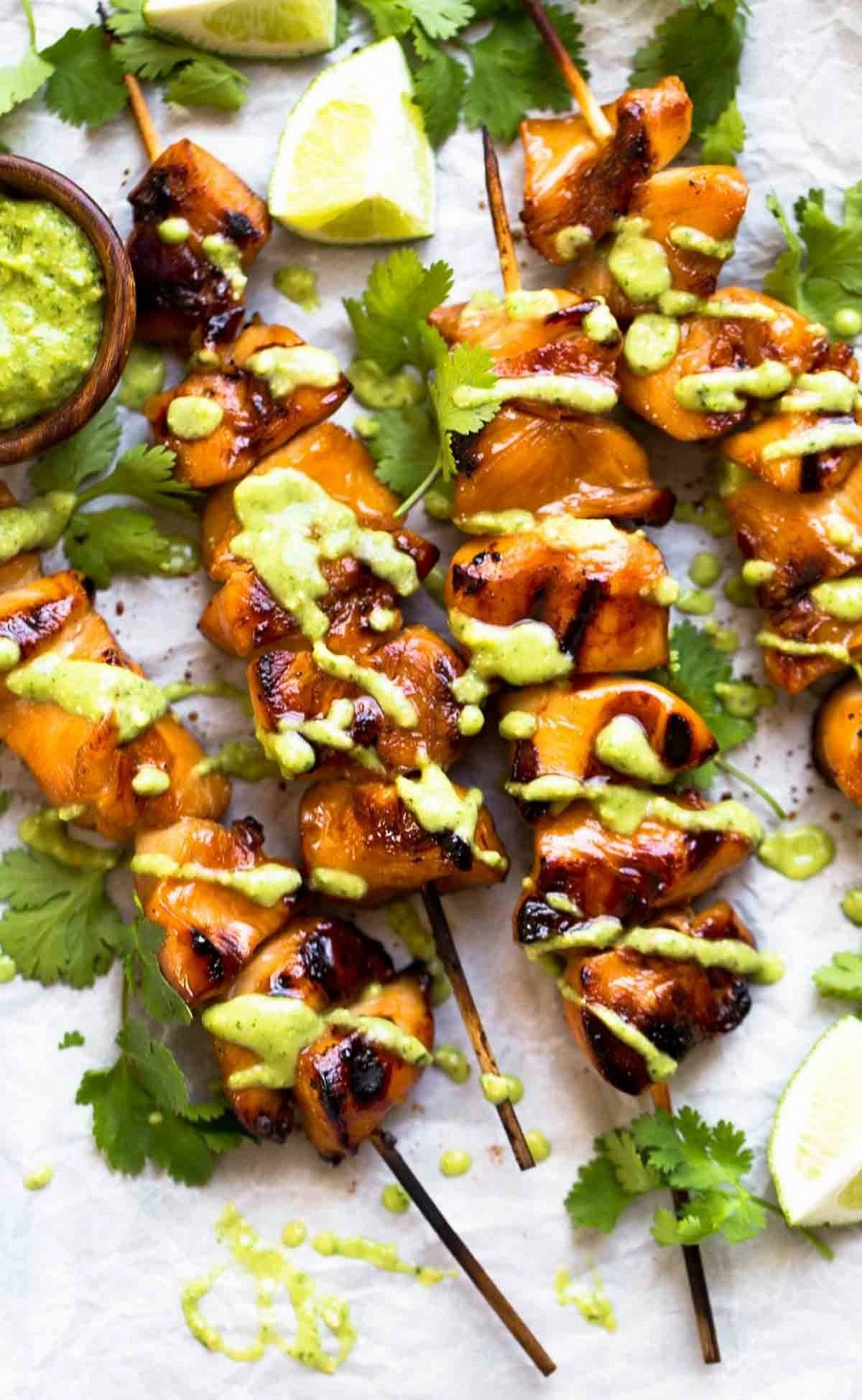
The Method — Step by Step
Preheat your grill to a steady medium‑high heat, aiming for about 400‑450°F (200‑230°C). Lightly oil the grill grates using a folded paper towel dipped in a bit of olive oil – this prevents sticking and adds a subtle sheen. You’ll hear a faint sizzle as the oil meets the hot metal; that’s the first sign of success.
While the grill warms, pat the chicken breasts dry with paper towels. Once dry, drizzle the olive oil over each piece, then rub it in with your hands until every surface gleams. Sprinkle the salt evenly, making sure to cover both sides; the grains should look like a light dusting of snow.
Place the chicken on the grill at a 45‑degree angle to the grates. Close the lid and let it sear for about 4‑5 minutes. You’ll know it’s ready to flip when the meat releases easily and the grill marks have formed, looking like parallel lines of caramelized gold.
Flip the chicken using tongs, then rotate it 90 degrees for that coveted cross‑hatch pattern. Cook the second side for another 4‑5 minutes, keeping an eye on the color. The internal temperature should reach 165°F (74°C); a quick instant‑read thermometer will confirm.
Once the temperature is spot on, remove the chicken and let it rest on a cutting board for at least 5 minutes. This resting period allows the juices to redistribute, turning every bite into a succulent experience rather than a dry disappointment.
Slice the chicken against the grain into thick strips or bite‑size pieces, depending on your serving style. The meat should be pink‑white in the center and exude a faint steam that whispers of smoky goodness.
Serve immediately with your favorite side – think grilled veggies, a fresh salad, or simply a slab of crusty bread. The aroma will fill the backyard, and you’ll hear your friends’ sighs of contentment.
That's it — you did it. But hold on, I've got a few more tricks that'll take this to another level…
Insider Tricks for Flawless Results
The Temperature Rule Nobody Follows
Most home cooks set the grill to “medium” and call it a day, but the secret is a precise 400‑450°F zone. Anything lower and you’ll get a steamed, rubbery texture; anything higher and the exterior will char before the inside cooks. Use a grill thermometer or an infrared gun for accuracy. I once tried “high heat” and ended up with a charcoal crust that was more ash than flavor – lesson learned.
Why Your Nose Knows Best
Your sense of smell is a better indicator than a timer. When the oil first hits the grill, you’ll hear a gentle hiss; as the meat cooks, a sweet, nutty aroma emerges. If you ever hear a sharp, burnt scent, pull the chicken immediately. Trust that nose; it will save you from a disaster before the thermometer even gets a chance.
The 5‑Minute Rest That Changes Everything
Resting isn’t just a suggestion; it’s a science. During the rest, the muscle fibers relax and re‑absorb the juices that were expelled during cooking. Skipping this step leads to a dry, crumbly bite that can ruin even the most perfectly grilled piece. Cover the chicken loosely with foil to keep it warm while it rests.
Oil Choice – The Silent Game Changer
Extra‑virgin olive oil adds a fruity richness that butter can’t match, but if you’re battling high heat, a light avocado oil gives you a higher smoke point without sacrificing flavor. A friend once swapped oil for butter and ended up with a smoky mess that stuck to the grates. Stick to the recommended oils and you’ll avoid that sticky situation.
Salt Timing – The Unsung Detail
If you salt too early, the moisture can be drawn out, leaving the surface dry. If you salt too late, the flavor won’t permeate. The sweet spot is right after oiling, just before the chicken hits the grill. This timing lets the salt dissolve into the oil, creating a uniform seasoning layer.
Creative Twists and Variations
This recipe is a playground. Here are some of my favorite ways to switch things up:
Lemon Zest Lift
Add a tablespoon of fresh lemon zest to the olive oil before coating the chicken. The citrus brightens the flavor, giving a sunny contrast to the smoky grill. Perfect for summer picnics where you want a light, refreshing bite.
Herb‑Infused Oil
Mix a teaspoon of dried rosemary or thyme into the oil. The herbs release aromatic oils as they heat, embedding a subtle forest note into the meat. This variation pairs beautifully with roasted potatoes.
Spicy Kick
Swap the plain salt for a pinch of smoked paprika and a dash of cayenne. The result is a smoky, spicy crust that tingles the palate without overwhelming the simple elegance of the dish.
Asian Flair
Replace the olive oil with sesame oil and add a drizzle of soy sauce after grilling. The nutty sesame and umami soy create a delightful East‑Asian twist, perfect for serving over jasmine rice.
Butter‑Basted Finish
During the last minute of grilling, brush the chicken with melted herb butter. The butter adds a glossy finish and a luxurious mouthfeel that makes the dish feel indulgent.
Storing and Bringing It Back to Life
Fridge Storage
Let the grilled chicken cool to room temperature, then wrap it tightly in foil or place it in an airtight container. It will stay fresh for up to three days. When you’re ready to eat, slice it thinly and serve cold in salads or sandwiches.
Freezer Friendly
For longer storage, portion the chicken into individual servings, flash‑freeze on a tray, then transfer to freezer bags. It will keep for up to two months. To reheat, thaw in the fridge overnight and follow the reheating steps below.
Best Reheating Method
Add a tiny splash of water (about a tablespoon per piece) to a skillet, cover, and heat over medium‑low for 3‑4 minutes. The steam revives the juicy interior while the gentle heat prevents the meat from drying out. Avoid microwaving; the texture suffers and the flavor dulls.