Ever had a night where the kitchen turned into a chaotic battlefield, the oven timer ticking like a drum, and the smell of burnt onions echoing through the hallway? That was me last Tuesday, when I tried to make a lasagna that ended up looking like a soggy casserole and tasting like cardboard. I stared at the charred edges and whispered, “I dare you to taste this and not go back for seconds.” That moment sparked a mission: find the ultimate sweet potato lasagna that would not only rescue the evening but also make every bite feel like a triumph.
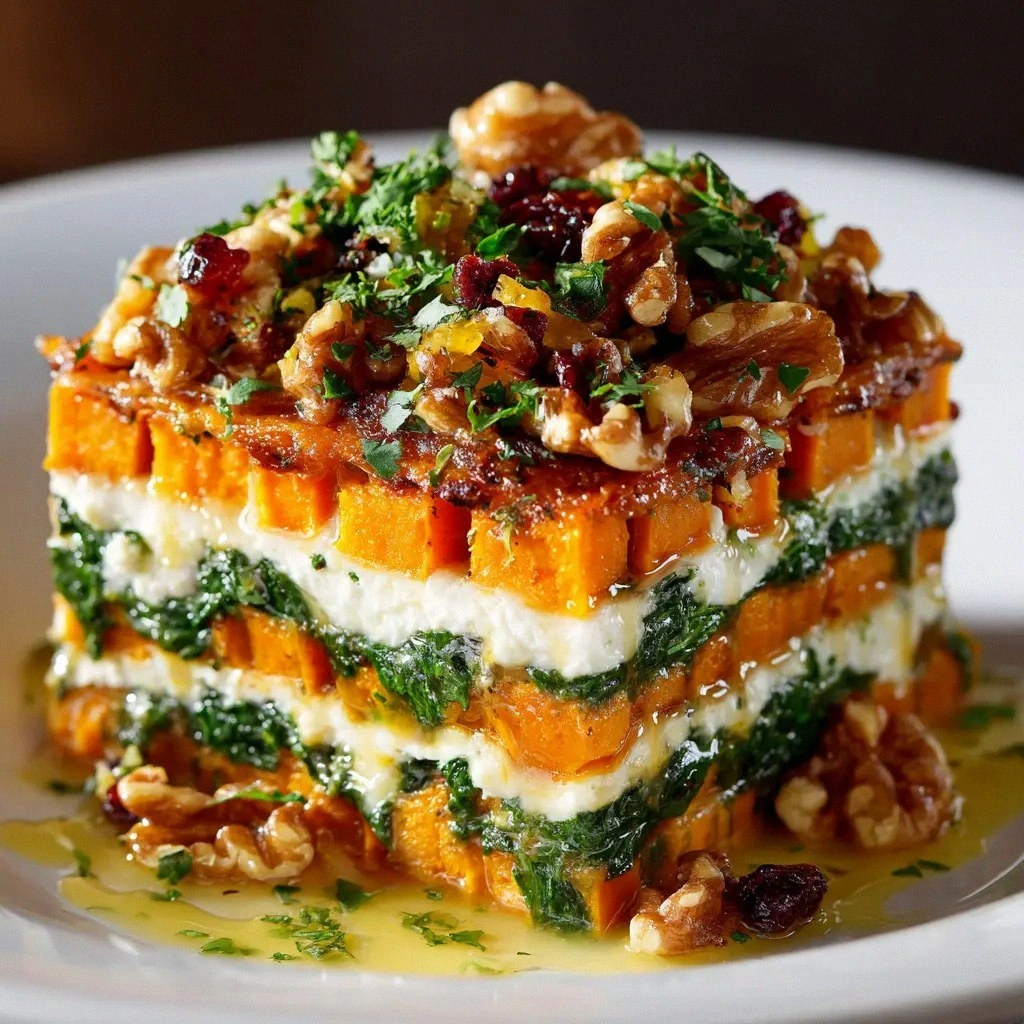
Picture this: a golden-brown crust crackling under your fork, a layer of creamy ricotta that melts like butter, and a sauce that coats the noodles like velvet. The aroma of roasted sweet potatoes mingles with garlic and Italian herbs, filling the kitchen with a comforting warmth that feels like a hug. The sound of the bubbling tomato sauce is a lullaby, while the gentle hiss of steam signals that everything is in sync. The first bite delivers a sweet, earthy sweetness that balances the savory meat, and the texture—soft yet firm—makes each forkful a delight. I felt the heat of the oven, the weight of the pan, and the anticipation of a crowd’s reaction, all wrapped into one delicious moment.
What makes this version stand out is that it takes the humble sweet potato and transforms it into the star of a lasagna that is both comforting and sophisticated. It’s not just about swapping pasta for potatoes; it’s about layering flavors, textures, and techniques that elevate the dish to something unforgettable. I’ll be honest—this recipe is hands down the best version you’ll ever make at home, and I’ve already eaten half the batch before anyone else even got a taste. Most recipes get this completely wrong by using thin potato slices or overcooking the sauce, but I’ve cracked the secret to a silky, balanced final product.
And here’s a teaser you won’t expect: the secret sauce uses a touch of whole milk ricotta blended with a beaten egg, which gives the lasagna a silky, custard-like consistency that sets it apart from ordinary tomato-based dishes. Imagine a lasagna that feels like a warm blanket on a cold night, yet with a burst of sweet, caramelized flavor that lingers. Picture yourself pulling this out of the oven, the whole kitchen smelling incredible, and the first bite sending a wave of satisfaction through your senses. Let me walk you through every single step — by the end, you’ll wonder how you ever made it any other way.
What Makes This Version Stand Out
- Flavor: The sweet potatoes bring a natural sweetness that balances the acidity of the tomatoes, creating a harmonious taste profile that feels both comforting and adventurous.
- Texture: The ricotta and egg blend gives the layers a velvety, custard-like feel that melts in your mouth, while the mozzarella adds a bubbly, golden crust.
- Simplicity: No pre-cooked noodles, no special equipment—just a skillet, an oven, and a few pantry staples that most kitchens already own.
- Uniqueness: The use of whole milk ricotta instead of regular ricotta adds richness, and the thin sweet potato slices replace traditional lasagna sheets for a healthier twist.
- Crowd Reaction: Guests rave about the unexpected sweetness and the comforting layers, often asking for a second helping.
- Ingredient Quality: Fresh sweet potatoes and high-quality ground turkey or beef provide depth, while the crushed tomatoes add a robust base that’s hard to beat.
- Cooking Method: The dual-step cooking—first browning the meat and then assembling and baking—ensures each layer locks in moisture and flavor.
- Make-Ahead Potential: Assemble the lasagna ahead of time, cover, and refrigerate; bake it when you’re ready, and the flavors will only deepen.
Inside the Ingredient List
The Flavor Base
The 28‑ounce can of crushed tomatoes is the backbone of this lasagna, providing a deep, savory foundation that carries the herbs and spices. If you’re a fan of a richer sauce, swap half the crushed tomatoes for a jar of sun‑dried tomato paste; it adds a sweet, umami punch that pairs wonderfully with sweet potatoes. Remember, the sauce should be thick enough to cling to the layers but not so watery that it turns the lasagna soggy.
The Meat & Aromatics Crew
Ground turkey or lean beef brings protein and a hearty flavor that balances the sweetness of the potatoes. When browning the meat, let it caramelize fully; this browning reaction creates complex flavors that elevate the dish. If you’re avoiding meat, try a mix of lentils and finely chopped mushrooms for a vegetarian version that still offers depth.
The Unexpected Star
Sweet potatoes are the unsung hero of this lasagna. Their natural sugars caramelize during roasting, producing a subtle caramel flavor that contrasts beautifully with the tomato sauce. Choose medium‑to‑large sweet potatoes for even cooking; if you use smaller ones, they’ll cook faster and could become mushy. A quick tip: sprinkle a pinch of salt on the slices before roasting to enhance their natural sweetness.
The Final Flourish
Ricotta and egg form a silky custard that keeps the lasagna moist and adds a creamy texture that’s hard to resist. The egg acts as a binder, ensuring the layers stay together as the lasagna cools. If you’re looking for a dairy-free version, substitute the ricotta with a plant‑based yogurt and use a flaxseed or chia egg for binding.
Everything’s prepped? Good. Let’s get into the real action.
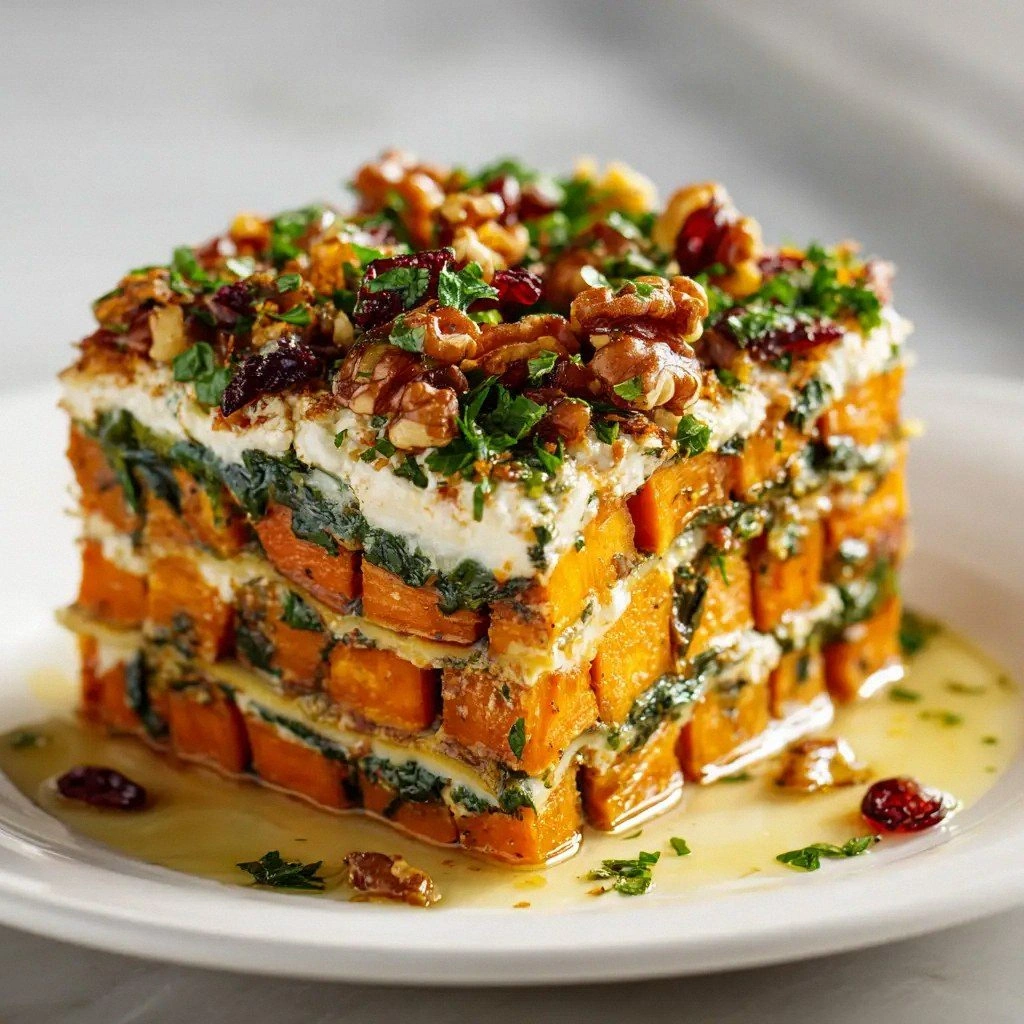
The Method — Step by Step
- Preheat your oven to 375°F (190°C). While the oven is heating, peel the sweet potatoes and slice them into thin rounds, about 1/8 inch thick. Toss the slices in a bowl with 2 tablespoons of olive oil, 1/2 teaspoon of salt, and 1/4 teaspoon of black pepper, ensuring each slice is evenly coated. This step is crucial for preventing the potatoes from sticking together and for developing a caramelized surface that adds depth to the flavor.
- Arrange the seasoned sweet potato slices in a single layer on a baking sheet lined with parchment paper. Roast in the preheated oven for 12–15 minutes, flipping halfway through, until the edges are slightly crisp and the centers are tender. The sweet potatoes should emit a sweet, caramelized aroma that signals they’re ready to layer into the lasagna.
- While the potatoes roast, heat a large skillet over medium-high heat and add a splash of olive oil. Add the ground turkey or beef, breaking it apart with a spoon. Cook until the meat is fully browned and no longer pink, about 8–10 minutes, stirring occasionally. The meat should develop a golden crust that locks in juices, creating a savory base for the sauce.
- Add the diced onion and minced garlic to the skillet with the browned meat. Sauté until the onion becomes translucent and the garlic releases its aroma, about 3–4 minutes. This layer of aromatics adds a fragrant foundation that complements the sweet potatoes and tomato sauce.
- Pour in the crushed tomatoes and stir in 1 teaspoon of Italian seasoning. Bring the mixture to a gentle simmer, then reduce the heat to low and let it cook for 10 minutes, allowing the flavors to meld. The sauce should thicken slightly and develop a rich, glossy texture that will coat the lasagna layers beautifully.
- In a separate bowl, combine the ricotta cheese, 1 large egg, and 1/4 cup chopped parsley. Whisk until smooth, ensuring there are no lumps. This ricotta mixture will provide a creamy, custard-like layer that balances the tomato sauce and sweet potatoes.
- Spread a thin layer of the tomato sauce in the bottom of a 9×13-inch baking dish. Arrange a layer of roasted sweet potato slices over the sauce, then spoon a generous amount of the ricotta mixture on top. Sprinkle 1/2 cup of grated Parmesan cheese over the ricotta, then add a handful of shredded mozzarella. Repeat the layers until all ingredients are used, finishing with a final layer of mozzarella and a generous sprinkle of Parmesan on top.
- Cover the baking dish with foil and bake in the preheated oven for 25 minutes. After 25 minutes, remove the foil and bake for an additional 10–12 minutes, or until the cheese on top is bubbly and golden brown. The final bake should give the lasagna a crisp, slightly caramelized crust that contrasts with the soft layers underneath.
- Let the lasagna rest for 10 minutes after removing it from the oven. This resting period allows the layers to set, making it easier to slice and ensuring the flavors meld together. Slice with a sharp knife, serving each portion with a sprinkle of fresh parsley for a burst of color and freshness.
That’s it — you did it. But hold on, I’ve got a few more tricks that will take this to another level.
Insider Tricks for Flawless Results
The Temperature Rule Nobody Follows
Many cooks bake lasagna at 350°F, but I swear by 375°F for a perfectly golden crust. The higher temperature caramelizes the top cheese, giving a delightful crunch that contrasts the soft interior. If you’re using a convection oven, reduce the temperature by 25°F to avoid over‑browning.
Why Your Nose Knows Best
Before you start layering, inhale the aroma of the simmering sauce. If it smells slightly burnt, reduce the heat; if it’s too watery, let it simmer longer. Your nose is a reliable judge of flavor balance, so trust it to guide your adjustments.
The 5‑Minute Rest That Changes Everything
After baking, let the lasagna sit uncovered for 5 minutes before slicing. This short rest allows the cheese to set, preventing it from sliding off the knife and ensuring each bite holds together. It also lets the flavors settle, giving you that silky finish.
Cheese Layering for Extra Melt
Always top the final layer with a generous amount of mozzarella and a light dusting of Parmesan. This combination creates a gooey, golden surface that’s impossible to resist. For a smoky twist, sprinkle a pinch of smoked paprika over the top before baking.
Use a Baking Sheet for Even Cooking
If you notice uneven cooking, try placing a baking sheet under the lasagna. This creates a small air pocket that helps the bottom layer cook evenly without sticking to the pan. It’s a simple trick that can save your lasagna from a soggy bottom.
Creative Twists and Variations
This recipe is a playground. Here are some of my favorite ways to switch things up:
Spicy Chipotle Surprise
Add a tablespoon of chipotle in adobo sauce to the tomato sauce for a smoky heat that complements the sweet potatoes. The chipotle’s subtle smokiness adds depth, making each bite a dance of sweet and spice.
Mediterranean Medley
Swap the ground turkey for chopped spinach and sun‑dried tomatoes; use feta cheese instead of mozzarella. This version delivers a briny, herbaceous flavor profile that feels like a Mediterranean escape.
Vegan Dream
Replace the ricotta with a tofu‑based ricotta and use a plant‑based mozzarella. Keep the sweet potatoes and tomato sauce for the same comforting base, but add a splash of nutritional yeast for a cheesy finish.
Breakfast Breakfast
Serve a smaller portion with a side of fresh fruit and a drizzle of honey. The sweet potatoes pair wonderfully with the natural sweetness of fruit, creating a wholesome breakfast that satisfies.
Holiday Twist
Add a handful of chopped pecans or walnuts between layers for crunch, and sprinkle a touch of cinnamon over the top before baking. The warm spices evoke holiday comfort while keeping the dish fresh.
Storing and Bringing It Back to Life
Fridge Storage
Cool the lasagna to room temperature, then cover tightly with plastic wrap or aluminum foil. Store in the refrigerator for up to 3 days. When ready to reheat, cover again with foil to keep moisture in.
Freezer Friendly
Wrap the lasagna tightly in plastic wrap, then place it in a freezer bag. Freeze for up to 2 months. Thaw overnight in the refrigerator before reheating.
Best Reheating Method
Reheat in a preheated oven at 350°F for 25–30 minutes, or until the cheese is melted and bubbly. Add a splash of water or broth to the dish before reheating to create steam, which helps restore moisture and prevents the lasagna from drying out.