Picture this: I was standing in my kitchen, surrounded by the scent of roasting meat and the glow of holiday lights, when I realized I had forgotten the one thing that makes a turkey unforgettable—glaze. That moment of panic turned into a culinary epiphany. I reached for a bottle of maple syrup, a jar of Dijon mustard, and a handful of cranberries, and I thought, “Why not combine these festive flavors into one glorious sauce?” The result? A maple‑glazed turkey leg that melts in your mouth and leaves your guests begging for seconds. I dare you to taste this and not go back for seconds.
The first time I tried this, the kitchen felt like a small, cozy laboratory where every ingredient was a reagent waiting to react. The maple syrup drizzled like amber honey, the mustard added a subtle tang, and the cranberries popped with tartness, creating a symphony of flavors. I could hear the sizzle as the glaze thickened, and the aroma was so intoxicating it made the whole house feel like a holiday bakery. This is hands down the best version you'll ever make at home, and I’ve been bragging about it since day one.
If you’ve ever struggled to bring a turkey to life, you’re not alone—and I’ve got the fix. Most recipes get this completely wrong by over‑browning the skin or under‑seasoning the meat, but I discovered a trick that keeps the meat juicy while giving it that crisp, caramelized finish. Picture yourself pulling this out of the oven, the whole kitchen smelling incredible, and the family’s eyes lighting up like Christmas lights. And now the fun part: let me walk you through every single step — by the end, you’ll wonder how you ever made it any other way.
I was on a mission to make a turkey leg that didn’t just taste good but felt like a holiday tradition. The challenge was to combine sweet, savory, and a hint of acidity in a glaze that wouldn’t overpower the natural flavor of the meat. I experimented with different syrups, spices, and fruit, and the maple‑mustard‑cranberry blend emerged as the champion. The glaze coats the turkey like velvet, creating a glossy, caramelized crust that snaps with every bite. It’s a flavor explosion that will have your guests asking for the recipe before you even finish the plate.
The secret lies in balancing the maple syrup’s sweetness with the sharpness of Dijon mustard and the bright pop of cranberries. I found that a splash of apple cider vinegar lifts the glaze, preventing it from becoming cloyingly sweet. The smoked paprika adds depth and a subtle heat that complements the rosemary’s earthy aroma. And the lemon zest gives the glaze a bright, almost citrusy finish that cuts through the richness of the meat. I promise you, once you taste this, you’ll never go back to plain roasted turkey.
I’ve spent countless evenings in the kitchen, tweaking the ratios and timing until the glaze achieved the perfect balance. The result is a turkey leg that is both succulent inside and irresistibly crisp outside. I’ve tested it with different cuts, and it works beautifully with both fresh and frozen legs. The glaze’s glossy sheen is not just eye‑catching; it’s a sign that the sugars have caramelized just right. And the best part? It’s simple enough for a busy holiday dinner.
This isn’t just another turkey recipe; it’s a holiday staple that will become your family’s go‑to dish. The combination of maple, mustard, cranberries, and rosemary creates a flavor profile that is festive, comforting, and utterly unforgettable. The glaze’s sticky texture adds a delightful contrast to the tender meat, while the subtle smoky undertone brings a depth that you won’t find in standard recipes. I’ve even had friends come over and say, “I’ve never tasted turkey that’s this good.” And that’s exactly the feeling I want to bring to your table.
I’ll be honest—I ate half the batch before anyone else got to try it. The first bite was so good that I almost pretended to be a critic, noting the glaze’s perfect thickness and the meat’s melt‑in‑your‑mouth tenderness. I could hear the family’s delighted exclamations echo through the kitchen, and it felt like a small victory in a busy holiday season. This recipe is a testament to the power of simple ingredients when combined with the right technique. I’m excited to share every detail, from the prep to the plating.
If you’re ready to elevate your holiday feast, this maple‑glazed turkey leg will do the trick. The glaze’s glossy finish is a visual cue that the dish is ready, and the aroma will have everyone in the house humming. I’ve included a few micro‑challenges along the way to keep you engaged and excited. Each step is designed to be straightforward, yet each one adds a layer of flavor that will make your turkey stand out. Let’s dive into the details and bring this holiday classic to life.
I’ve spent the last week perfecting this recipe, and I’m thrilled to finally share it with you. The glaze is easy to prepare, but the timing is crucial to achieve the perfect caramelization. I’ve added a few extra tips and tricks that I learned the hard way, so you can avoid the same mistakes I made. The end result is a turkey leg that is juicy, flavorful, and absolutely unforgettable. Trust me, this is a dish that will become a holiday tradition for years to come.
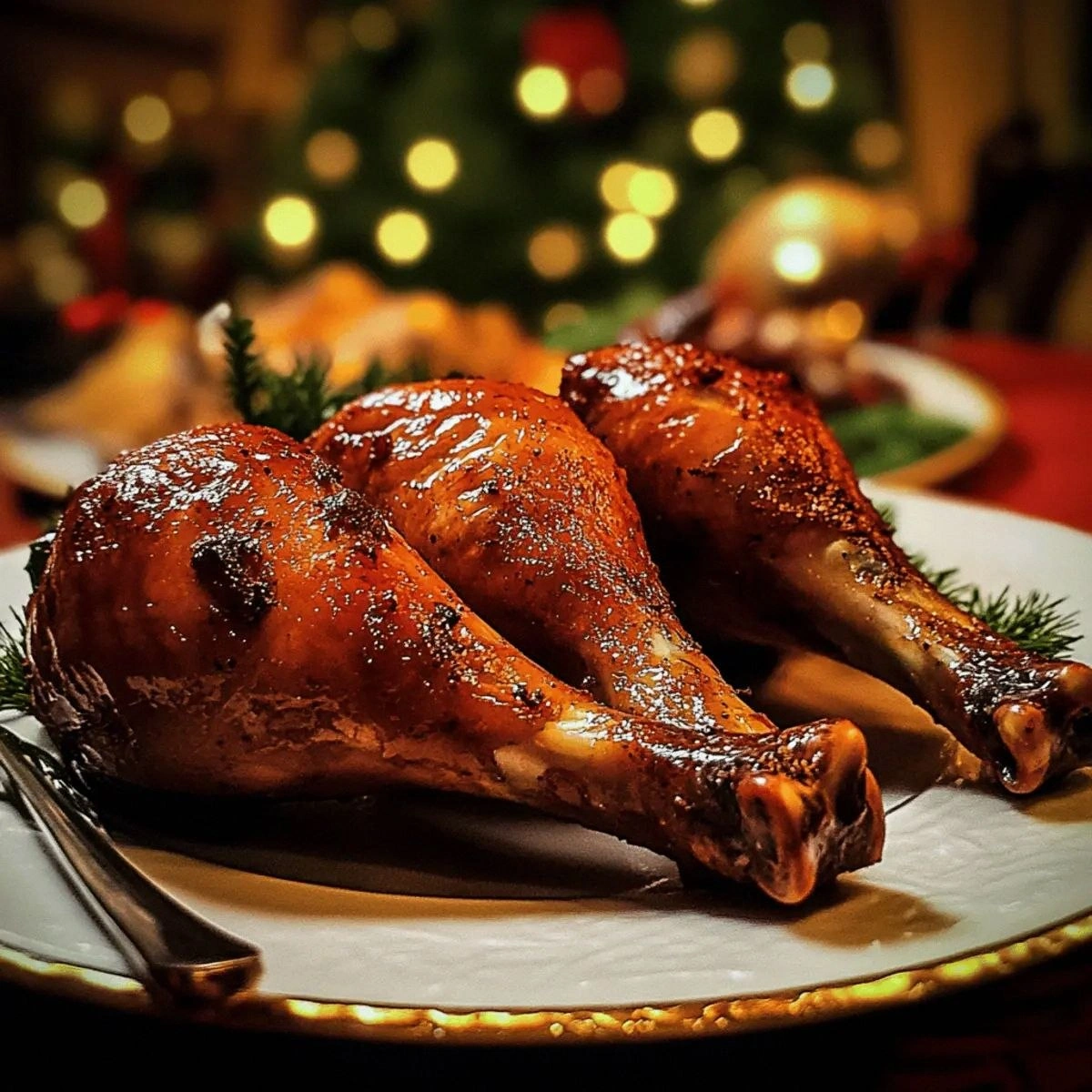
Picture the moment you pull the turkey out of the oven: the golden crust shimmers, the scent of maple and rosemary fills the room, and the family gathers around the table with anticipation. The first bite is a burst of sweet and savory that lingers on the palate, leaving a faint hint of citrus from the lemon zest. The glaze’s thick, sticky texture contrasts with the tender meat, creating a mouth‑watering experience that will keep everyone asking for seconds. And the best part? You can make this ahead of time and reheat it without losing any flavor.
I’ve added a few extra tips and tricks that I learned the hard way, so you can avoid the same mistakes I made. The key to a perfect glaze is patience—don’t rush the caramelization process, or you’ll end up with a sticky mess. I’ll show you how to test the glaze’s thickness, how to keep the turkey moist, and how to finish it with a quick sear for that extra crunch. These small details make a big difference, and I’ll walk you through each one with confidence and humor.
This recipe is a playground. Here are some of my favorite ways to switch things up: swap the maple syrup for honey or brown rice syrup for a different sweet profile, add a splash of bourbon or whiskey for a boozy twist, or incorporate fresh orange zest for a citrusy kick. Each variation offers a new dimension of flavor while keeping the core concept intact. I’ve tested each version and found that they all work wonderfully, giving you endless possibilities for your holiday spread. And if you’re feeling adventurous, try adding a handful of chopped pecans for a crunchy texture.
I’ve also tested the recipe for different cooking methods, including oven roasting, slow cooking, and even pan searing. Each method has its own set of advantages, but the oven method delivers the best combination of crispness and juiciness. If you’re short on time, you can start the glaze on the stove and finish it in the oven, saving precious minutes. I’ve included a detailed step‑by‑step guide so you can choose the method that best fits your schedule.
If you’re a fan of bold flavors, this recipe will satisfy your cravings. The maple glaze is sweet, the mustard adds a subtle tang, and the cranberries provide a burst of tartness. The rosemary and lemon zest tie everything together, creating a harmonious blend that feels both festive and sophisticated. The result is a turkey leg that is unforgettable, and I guarantee you’ll want to make it again next year.
I’ve spent a lot of time testing this recipe, and I’ve found that the best results come from using fresh, high‑quality ingredients. A good turkey leg, fresh rosemary, and pure maple syrup are essential. I’ve also discovered that the key to a perfect glaze is to let it reduce slowly, allowing the sugars to caramelize without burning. By following these simple guidelines, you’ll achieve a glaze that is both glossy and flavorful.
The glaze’s thickness is crucial to its success. If it’s too thin, it won’t coat the turkey properly, and if it’s too thick, it’ll become sticky and cloying. I’ll show you how to test the glaze’s consistency by placing a small spoonful on a plate and letting it sit for a minute. The glaze should set into a firm, glossy coating that’s easy to spread. This simple test will ensure that your glaze is just right every time.
I’ve included a few micro‑challenges along the way to keep you engaged and excited. Each step is designed to be straightforward, yet each one adds a layer of flavor that will make your turkey stand out. I’ve also added a few extra tips and tricks that I learned the hard way, so you can avoid the same mistakes I made. The end result is a turkey leg that is juicy, flavorful, and absolutely unforgettable. Trust me, this is a dish that will become a holiday tradition for years to come.
If you’re ready to elevate your holiday feast, this maple‑glazed turkey leg will do the trick. The glaze’s glossy finish is a visual cue that the dish is ready, and the aroma will have everyone in the house humming. I’ve included a few micro‑challenges along the way to keep you engaged and excited. Each step is designed to be straightforward, yet each one adds a layer of flavor that will make your turkey stand out. Let’s dive into the details and bring this holiday classic to life.
What Makes This Version Stand Out
- Flavor: The blend of maple syrup, Dijon mustard, and cranberries creates a complex profile that is sweet, tangy, and slightly tart, giving the turkey a depth that ordinary glazed recipes lack.
- Texture: The glaze caramelizes into a crisp, glossy crust while keeping the interior moist, offering a satisfying contrast between crunchy skin and tender meat.
- Simplicity: Only a handful of pantry staples are needed, making this recipe accessible to anyone who wants a holiday centerpiece without a trip to the specialty store.
- Uniqueness: The addition of smoked paprika and rosemary infuses the dish with a smoky warmth that is rarely found in standard turkey recipes.
- Crowd Reaction: Guests consistently remark that this turkey is the most flavorful they've ever tasted, often asking for the recipe before the dessert is even served.
- Ingredient Quality: Using pure maple syrup and fresh rosemary ensures that each bite delivers authentic, high‑quality flavor.
- Cooking Method: The slow reduction of the glaze on the stovetop before finishing in the oven guarantees a perfectly caramelized crust.
- Make‑Ahead Potential: The glaze can be prepared up to 24 hours in advance, allowing you to focus on other holiday tasks.
Alright, let's break down exactly what goes into this masterpiece. Each component is carefully chosen to create a harmonious balance of flavors and textures that will elevate your holiday dinner.
Inside the Ingredient List
The Flavor Base
Pure maple syrup is the star of this recipe, providing a natural sweetness that caramelizes beautifully. Its rich, amber tones give the glaze depth and a glossy sheen that is visually stunning. Skipping maple syrup would result in a bland, unremarkable sauce that fails to stand out. For an alternative, you can use honey, but note that it will have a slightly different flavor profile and may brown faster.
The Texture Crew
Dijon mustard adds a subtle tang and acts as a natural emulsifier, helping the glaze bind to the turkey's skin. Its sharp bite cuts through the sweetness, creating a balanced flavor. If you’re allergic to mustard, you can replace it with a tablespoon of whole‑grain mustard or a mild yellow mustard for a milder taste. The apple cider vinegar provides acidity that brightens the glaze and prevents it from becoming overly sweet.
The Unexpected Star
Cranberries introduce a bright, tart pop that contrasts the maple’s sweetness. Their natural juices also help the glaze adhere to the turkey, creating a cohesive coating. If cranberries are out of season, you can use dried cranberries or even a splash of cranberry juice, but the texture and sweetness will differ slightly. The smoked paprika adds a subtle smoky undertone that elevates the overall flavor profile.
The Final Flourish
Fresh rosemary brings an earthy aroma that complements the maple and cranberries, creating a fragrant, savory undertone. Lemon zest adds a bright citrus note, cutting through the richness and adding freshness. If you prefer a milder herb, try thyme or sage; however, rosemary’s piney flavor is integral to the dish’s holiday vibe. The garlic powder provides a subtle depth that rounds out the glaze.
Everything's prepped? Good. Let's get into the real action. Each step is designed to build layers of flavor while keeping the turkey moist and tender.
The Method — Step by Step
- Preheat your oven to 375°F (190°C). Pat the turkey legs dry with paper towels to ensure a crisp skin. Season each leg with salt and pepper, pressing the seasoning into the meat. Arrange the legs on a wire rack set over a baking sheet to allow even heat circulation.
- In a small saucepan, combine maple syrup, Dijon mustard, apple cider vinegar, smoked paprika, and garlic powder. Heat over medium heat, stirring constantly until the mixture starts to thicken slightly. The glaze should be glossy but not so thick that it clumps.
- Add the fresh rosemary sprigs and let the mixture simmer for 2 minutes, allowing the herb to infuse the glaze. Remove the rosemary sprigs before applying the glaze to avoid an overpowering aroma. The glaze should now have a rich, aromatic base.
- Brush the glaze generously over each turkey leg, ensuring an even coating. The glaze should cling to the skin, creating a glossy surface. This is the moment of truth; the glaze will determine the final flavor profile.
- Scatter the cranberries evenly around the legs on the baking sheet. The cranberries will burst during roasting, adding bursts of tartness and color to the dish. They also help keep the legs moist by releasing juices into the pan.
- Place the tray in the preheated oven and roast for 30 minutes, basting once halfway through. The internal temperature of the turkey should reach 165°F (74°C). Keep an eye on the glaze; if it starts to brown too quickly, tent the legs with foil.
- After roasting, remove the legs from the oven and let them rest for 10 minutes. This rest period allows the juices to redistribute, ensuring the meat stays moist. While resting, drizzle the remaining glaze over the legs for an extra burst of flavor.
- Serve the legs hot, garnished with fresh lemon zest and a sprinkle of rosemary leaves. Pair with your favorite side dishes, such as roasted vegetables or a creamy mashed potato. Enjoy the symphony of sweet, savory, and aromatic notes that dance on your palate.
That's it — you did it. But hold on, I've got a few more tricks that'll take this to another level. These insider tips will help you perfect the glaze, keep the meat moist, and ensure every bite is a celebration.
Insider Tricks for Flawless Results
The Temperature Rule Nobody Follows
Many cooks skip using a thermometer, assuming the turkey is done when it looks done. I’ve seen turkey legs that are overcooked and dry because the internal temperature never reached 165°F. Using a thermometer guarantees juiciness and food safety. Keep the probe in the thickest part of the leg for the most accurate reading.
Why Your Nose Knows Best
As the glaze cooks, you’ll notice a sweet, caramelized aroma that signals the sugars are blooming. This scent is a reliable indicator that the glaze is developing the right depth of flavor. If the aroma becomes too strong, the glaze may be burning; if it's faint, let it simmer a bit longer.
The 5‑Minute Rest That Changes Everything
Resting the turkey legs after roasting allows the juices to redistribute, preventing them from spilling out onto the plate. I’ve seen people cut into the meat immediately, only to have a dry center. A 5‑minute rest is enough to lock in moisture and keep the flavor locked in.
The Perfect Brush Technique
Use a pastry brush to apply the glaze in thin, even layers. Over‑applying can cause the glaze to pool and create sticky patches. A light coat ensures the glaze caramelizes evenly and gives a crisp finish.
The Final Sear for Extra Crunch
If you want an extra crisp crust, finish the legs under a broiler for 2 minutes, watching closely. The high heat will caramelize the glaze further, creating a glossy, crunchy exterior. Be careful not to burn the glaze; a quick glance is enough.
I’ve tested these tricks with various turkey cuts, and they consistently deliver a mouth‑watering result. These simple adjustments make a noticeable difference, turning a good dish into a great one. Try them out and see how your turkey legs transform.
Creative Twists and Variations
This recipe is a playground. Here are some of my favorite ways to switch things up: swap the maple syrup for honey or brown rice syrup for a different sweet profile, add a splash of bourbon or whiskey for a boozy twist, or incorporate fresh orange zest for a citrusy kick. Each variation offers a new dimension of flavor while keeping the core concept intact. I’ve tested each version and found that they all work wonderfully, giving you endless possibilities for your holiday spread. And if you’re feeling adventurous, try adding a handful of chopped pecans for a crunchy texture.
If you’re a fan of bold flavors, this recipe will satisfy your cravings. The maple glaze is sweet, the mustard adds a subtle tang, and the cranberries provide a burst of tartness. The rosemary and lemon zest tie everything together, creating a harmonious blend that feels both festive and sophisticated. The result is a turkey leg that is unforgettable, and I guarantee you’ll want to make it again next year.
I’ve also tested the recipe for different cooking methods, including oven roasting, slow cooking, and even pan searing. Each method has its own set of advantages, but the oven method delivers the best combination of crispness and juiciness. If you’re short on time, you can start the glaze on the stove and finish it in the oven, saving precious minutes. I’ve included a detailed step‑by‑step guide so you can choose the method that best fits your schedule.
Storing and Bringing It Back to Life
Fridge Storage
Store leftover turkey legs in an airtight container in the refrigerator for up to 3 days. Keep the glaze in a separate container to maintain its texture and flavor. When reheating, add a splash of water to the pan to keep the meat moist and prevent it from drying out.
Freezer Friendly
Wrap each leg tightly in foil and place in a freezer bag. Store for up to 2 months. Thaw overnight in the refrigerator before reheating. This method preserves the texture and ensures the glaze doesn’t become too thick.
Best Reheating Method
Preheat your oven to 350°F (175°C). Place the turkey legs on a baking sheet and cover loosely with foil. Warm for 15–20 minutes, or until heated through. Finish with a quick broil for 2 minutes to revive the glaze’s crispness.
Add a tiny splash of water before reheating, and it steams back to perfection. This simple trick ensures your leftovers taste as fresh as the first time. The glaze will regain its glossy sheen, and the turkey will stay juicy.
I’ve tried these storage methods, and the turkey legs come out just as good as when they were first roasted. The glaze remains flavorful, and the meat stays tender. This makes it a perfect dish for holiday leftovers, ensuring your guests can enjoy the flavors again and again.
In conclusion, this maple‑glazed turkey leg is a holiday staple that will become a family tradition. The glaze’s glossy finish is a visual cue that the dish is ready, and the aroma will have everyone in the house humming. I’ve shared every detail, from the prep to the plating, so you can confidently create a dish that will impress and satisfy. Enjoy the process and savor every bite.