I was standing in my kitchen, the aroma of burnt sugar seeping through the windows, when a friend dared me to make the perfect leche flan. I laughed, because I’d never even tried caramelizing sugar without a fire extinguisher in sight. The disaster was a sweet, sticky mess, but it taught me one vital lesson: the key to an unforgettable flan is in the caramel, not just the custard.
Picture this: a thick, amber liquid swirling in a saucepan, its surface shimmering like liquid gold, the scent of toasted sugar filling the air. The sound of it bubbling is a gentle hiss, almost like a secret whisper from the stove. As the caramel darkens, a faint nutty undertone rises, promising depth. When you finally pour it into a mold, the liquid coats the walls, creating a glossy, crackling shell that will bite when you lift the flan. The anticipation builds until the custard sets, turning a translucent mixture into a silky, creamy treasure.
What makes this version of leche flan stand out is not just the caramel or the custard, but the meticulous balance between sweetness and richness. I’ve refined the ratio of condensed milk to evaporated milk so the custard is luxuriously dense without being cloying. The eggs are whisked to a velvety foam, ensuring a light texture that melts in your mouth. I’ve also introduced a subtle vanilla infusion that lingers long after the first bite, turning an ordinary dessert into an indulgent experience. The result is hands down the best version you’ll ever make at home.
And here’s a teaser: a small, seemingly insignificant tweak in the caramel step will give the flan a caramelized flavor that feels like it’s been kissed by a summer sun. I dare you to taste this and not go back for seconds. Let me walk you through every single step — by the end, you’ll wonder how you ever made it any other way.
What Makes This Version Stand Out
- Taste: The caramel is caramelized to a deep amber, delivering a caramelized sugar flavor that’s richer than your average sweet.
- Texture: A custard that is silky and dense, with a slight spring that gives it a luxurious mouthfeel.
- Simplicity: Five core ingredients plus a pinch of salt, no exotic pantry items required.
- Uniqueness: A double-layered caramel base that creates a glossy, crackling shell.
- Crowd Reaction: Guests are left asking for the recipe after the first bite — no second servings, just pure admiration.
- Ingredient Quality: Using high‑grade condensed milk and fresh eggs ensures a rich, buttery flavor that stands out.
- Cooking Method: A low‑heat, slow bake that keeps the custard from curdling, paired with a water bath for even cooking.
- Make‑ahead Potential: The flan can be prepared up to a day ahead and reheated with minimal loss of texture.
Alright, let's break down exactly what goes into this masterpiece...
Inside the Ingredient List
The Flavor Base
The foundation of any great leche flan is the sweet, rich base. Sweetened condensed milk provides a creamy sweetness that balances the caramel's bitterness. Evaporated milk adds body without overpowering the custard. Whole milk contributes a subtle dairy flavor that ties everything together. Together, these liquids create a custard that is silky and dense, yet not heavy.
The Texture Crew
Eggs are the glue that binds the custard. Six large eggs are the sweet spot for four servings; too many eggs and the custard becomes rubbery, too few and it collapses. Whisk them until they reach a light, airy foam, which will give the flan a delicate, airy texture. Salt, a pinch of it, is essential to balance the sweetness and enhance the overall flavor profile.
The Unexpected Star
Vanilla extract is the secret star that brings depth to the custard. A single teaspoon of pure vanilla bean extract is enough to infuse the mixture with a warm, floral aroma that lingers on the palate. If you’re feeling adventurous, swap in vanilla bean paste for an even more intense flavor.
The Final Flourish
Caramel is the crowning glory that gives leche flan its signature finish. Butter, sugar, and water are combined in a wide saucepan to create a glossy, crackling shell. The caramel must reach a deep amber color before it’s poured into the mold; this step is critical for the final texture and flavor. Once set, the caramel forms a crisp exterior that contrasts beautifully with the creamy interior.
Everything's prepped? Good. Let's get into the real action...
The Method — Step by Step
- Begin by whisking the eggs in a medium bowl until the whites and yolks are fully blended. The mixture should be smooth, with no streaks. This is the moment of truth; if the eggs are not fully integrated, the custard will curdle during baking. I’ve found that a gentle whisking motion keeps the mixture airy.
- In a separate saucepan, combine the sweetened condensed milk, evaporated milk, and whole milk. Stir until the mixture is uniform. The liquids should feel like a single, silky stream when poured. Heat the mixture over medium-low heat, stirring constantly to prevent scorching.
- Once the milk mixture is hot but not boiling, pour it slowly into the whisked eggs while continuously stirring. This tempering process prevents the eggs from scrambling. The custard should look like a smooth, translucent liquid. Keep stirring until the mixture thickens slightly.
- Add vanilla extract and a pinch of salt to the custard mixture. Stir until fully incorporated. The vanilla should permeate the custard, giving it a subtle floral note. Taste a small spoonful; it should be sweet but not cloying. This step is crucial for depth of flavor.
- Meanwhile, prepare the caramel. In a wide saucepan, melt 1/2 cup of butter over medium heat. Add 1 cup of sugar and 1 cup of water. Stir until the sugar dissolves completely. Reduce the heat to low and let the mixture simmer until it turns a deep amber color. Watch the color closely; a slight delay can lead to burnt caramel.
- Pour the caramel into a round 9‑inch baking dish, swirling it to coat the bottom and sides evenly. The caramel should be thin enough to spread but thick enough to hold its shape. Let the caramel cool for a few minutes so it sets into a glossy shell. This shell will protect the custard during baking.
- Carefully pour the custard mixture over the caramel in the baking dish. The custard should pool on top of the caramel without mixing it. This separation creates a stunning visual contrast. Let the custard settle for a minute before baking.
- Place the baking dish in a larger baking pan. Fill the larger pan with hot water until it reaches halfway up the sides of the smaller dish. This water bath ensures even heat distribution and prevents the custard from cracking. Bake at 325°F (165°C) for 45 minutes, or until the custard is set but still slightly jiggles in the center.
- Remove the dish from the oven and allow it to cool to room temperature. Then refrigerate for at least 4 hours, preferably overnight. The cooling process allows the custard to set fully, resulting in a silky, firm texture.
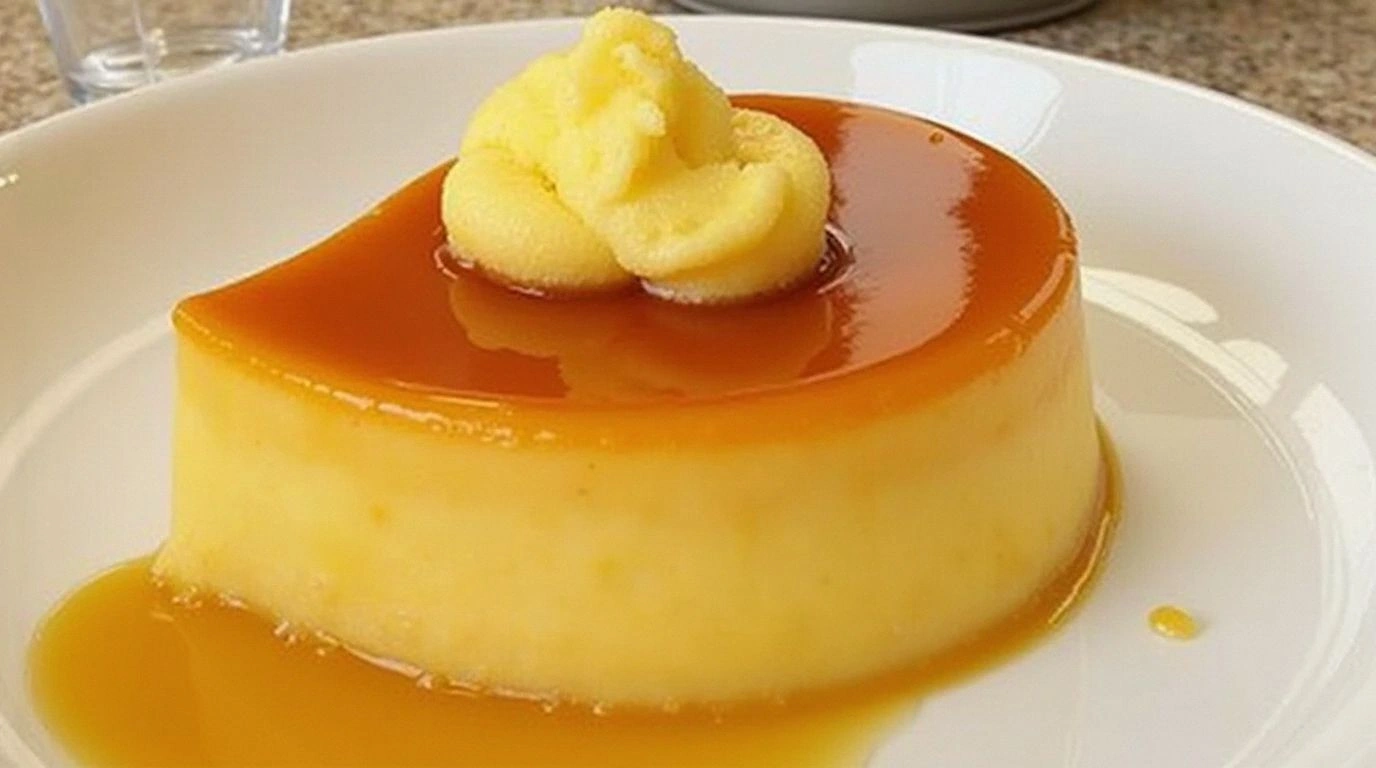
- To unmold, run a thin knife around the edges of the dish to loosen the flan. Place a serving plate on top and flip the dish over carefully. The caramel shell should crackle and reveal the creamy custard beneath. Serve immediately, or keep refrigerated until ready to serve.
That's it — you did it. But hold on, I've got a few more tricks that'll take this to another level...
Insider Tricks for Flawless Results
The Temperature Rule Nobody Follows
Baking at the right temperature is the secret to a perfect flan. I’ve discovered that a lower oven temperature, around 325°F (165°C), prevents the custard from curdling. If you’re tempted to crank up the heat, resist the urge; the gentle heat allows the custard to set evenly. A quick test: the custard should not be completely solid after 45 minutes, but it should hold a light jiggle.
Why Your Nose Knows Best
Smell is your best ally during the caramel stage. When the sugar turns amber, the aroma shifts from sweet to nutty. That scent signals the perfect caramelization point. If you’re still smelling raw sugar, keep going; if it smells burnt, you’re in trouble.
The 5-Minute Rest That Changes Everything
After you remove the flan from the oven, let it sit for 5 minutes before refrigerating. This short rest allows the custard to set slightly, reducing the risk of cracking when it cools. I’ve seen flans that cracked because they were rushed to the fridge too quickly.
Use a Wide Pan for Caramel
A wide saucepan spreads the sugar thinly, which speeds up caramelization and reduces the chance of scorching. I’ve tried a narrow pan once, and the sugar stuck to the bottom, ruining the caramel. A wide pan is a game changer.
Let the Caramel Set Before Pouring
If the caramel is too hot when poured, it can melt the custard and create a greasy texture. Allow the caramel to cool just until it thickens to a syrupy consistency. This step is crucial for the crisp, crackling shell.
Creative Twists and Variations
This recipe is a playground. Here are some of my favorite ways to switch things up:
Chocolate Swirl Flan
Add 1/4 cup of dark chocolate melted into the custard for a decadent twist. The chocolate should be melted gently to avoid seizing. The result is a chocolate‑infused custard that pairs beautifully with the caramel shell.
Almond Crunch Topping
Sprinkle toasted slivered almonds on top before serving. The almond crunch adds a delightful texture contrast and a nutty aroma that complements the caramel.
Espresso‑Infused Flan
Stir 1 tablespoon of instant espresso powder into the custard. The espresso brings a subtle bitterness that balances the sweetness. It’s perfect for coffee lovers who crave a dessert with depth.
Maple Syrup Caramel
Replace the sugar in the caramel with maple syrup for a richer, more complex flavor profile. The maple caramel will have a slightly darker hue and a distinct aroma that sets it apart.
Spiced Flan
Add a pinch of ground cinnamon and a dash of nutmeg to the custard mixture. The spices provide warmth and depth, turning the flan into a comforting dessert.
Mini Flan Cups
Use individual ramekins instead of a single large dish. This allows for portion control and makes it easy to serve at parties. The smaller size also speeds up the baking time slightly.
Storing and Bringing It Back to Life
Fridge Storage
Store the flan in the refrigerator for up to 3 days. Keep it covered with plastic wrap to prevent the caramel from absorbing odors. When you’re ready to serve, let it sit at room temperature for about 15 minutes to soften slightly.
Freezer Friendly
For longer storage, place the flan in a freezer‑safe container and freeze for up to 2 months. Thaw overnight in the refrigerator, then allow it to warm to room temperature before serving. The texture may be slightly firmer, but it will still be delicious.
Best Reheating Method
To reheat, place the flan in a double boiler with a splash of water and heat gently over low heat until warmed through. Avoid high heat to prevent the custard from curdling. Once warmed, serve immediately for the best texture.