I still remember the day I murdered a perfectly innocent tub of cottage cheese. It was 6:47 a.m., my hair was doing that vertical-rooster thing, and I was chasing a fleeting New-Year-new-me fantasy that involved 40 grams of protein before 8 a.m. My plan? Dump the cottage cheese into a blender, add protein powder, press the button, and—voilà—liquid breakfast. Instead the blender coughed like a 1987 lawnmower, the lid rocketed across the kitchen, and I ended up wearing what looked like a dairy Jackson Pollock. Fast-forward through a few choice words, a sponge the size of Rhode Island, and one existential crisis, and you’ll understand why I vowed to create a high-protein cottage cheese bake that actually deserves counter space in a civilized kitchen.
Picture this: you open the oven door and a puff of vanilla-scented steam rolls out like a warm hug. The bake is trembling proudly in its dish—golden on top, gently jiggling in the center, the edges caramelized just enough to whisper “I’m basically dessert wearing a protein cape.” You slice a square (or scoop, if you’re feeling rustic) and the texture is somewhere between cheesecake and cloud, with tiny pockets of melty cottage-cheese curds that pop like caviar. The first bite is cool, creamy, faintly sweet, and then—bam—your brain realizes you’re main-lining 25 grams of protein before most people have inhaled their first cup of coffee. Future pacing? Absolutely: imagine yourself three weeks from now, jeans fitting a little looser, biceps feeling a little harder, breakfast tasting like dessert. That’s the power move we’re cooking today.
Most “healthy” cottage-cheese recipes taste like punishment: rubbery egg whites, chalky sweetener, the lingering sadness of skim milk. This version? It’s the culinary equivalent of swapping your scratched-up flip phone for the latest flagship. We’re using science (and a little sass) to coax maximum fluff, zero graininess, and a sweetness level you can dial up or down like your favorite playlist. The secret weapon is a hot-start oven, a whisper of oat flour for structure, and—here’s the twist—Greek yogurt for tangy balance. If you’ve ever struggled with dry protein bakes, you’re not alone—and I’ve got the fix.
Let me walk you through every single step—by the end, you’ll wonder how you ever made it any other way.
What Makes This Version Stand Out
- Silky Texture: The bake emerges like a soufflé that went to finishing school—no rubbery edges, no watery puddles, just spoonable velvet.
- Macro Magic: Each modest square delivers roughly 25 g of complete protein for under 350 calories, so you can flex both your biceps and your calorie-tracking app.
- One-Bowl Laziness: You’ll dirty exactly one blender jar and one baking dish. Translation: more Netflix, fewer dishes.
- Sweetness on Dial: Use two tablespoons of erythritol for a barely-sweet breakfast, or bump to three for legit dessert vibes. The batter is forgiving; your sweet tooth, your rules.
- Freezer-Friendly Meal Prep: Bake, cool, slice into rations, freeze. Reheat for 45 seconds and it’s back to fresh-from-oven glory. Sunday-you will high-five future-you.
- Vanilla Canvas: Add blueberries, cocoa nibs, lemon zest, or even espresso powder—this base plays well with every flavor crush you’ve ever had.
- Fail-Proof Rise: Thanks to the combo of baking powder and the hot-start oven, the bake puffs like proud peacock plumage, then gently settles into a perfectly sliceable slab.
Alright, let’s break down exactly what goes into this masterpiece...
Inside the Ingredient List
The Flavor Base
Cottage cheese is the misunderstood protagonist here. Use low-fat (2%) for creaminess without caloric overkill, or fat-free if you enjoy living dangerously. The curds melt into microscopic pockets during baking, creating a cheesecake vibe without the water bath drama. Skip this ingredient and you’re basically making an egg-white omelet with commitment issues. Buy a brand you like straight from the tub; if it tastes sour or metallic raw, baking won’t magically fix it.
The Texture Crew
Eggs provide lift and structure, but too many and you’re in rubber-city. Four is the Goldilocks number—enough to set the bake, few enough to keep things plush. Greek yogurt sneaks in extra protein while adding tang that balances the sweetener; think of it as the snarky sidekick who keeps the star from becoming cloying. Oat flour is the silent bodyguard, absorbing excess whey and preventing that dreaded watery puddle. No oat flour? Sub almond flour, but expect a denser, brownie-like chew.
The Unexpected Star
Protein powder can hijack texture faster than a toddler grabbing your phone, so we use just one measured scoop—about 30 g—of vanilla whey isolate. Whey isolate dissolves cleanly; concentrate can turn gritty. Unflavored works too, but vanilla adds bakery aroma that makes neighbors knock on your door. Vegan blend? Acceptable, though the rise will be slightly less dramatic. Skip protein powder entirely and you still get 20 g protein per serving, so this recipe flexes for non-supplement folks too.
The Final Flourish
Baking powder is the puff daddy (see what I did there?). Cinnamon whispers warmth without screaming “pumpkin spice,” while a pinch of salt amplifies every other flavor the way turning up the streetlights makes neon signs pop. Sweetener choice is your power move—erythritol for zero glycemic impact, stevia if you like living on the edge of bitter, or real sugar if you’re off the macro-tracking train. Vanilla extract is non-negotiable; imitation vanilla is like bringing a cardboard cutout to a rock concert.
Everything's prepped? Good. Let's get into the real action...
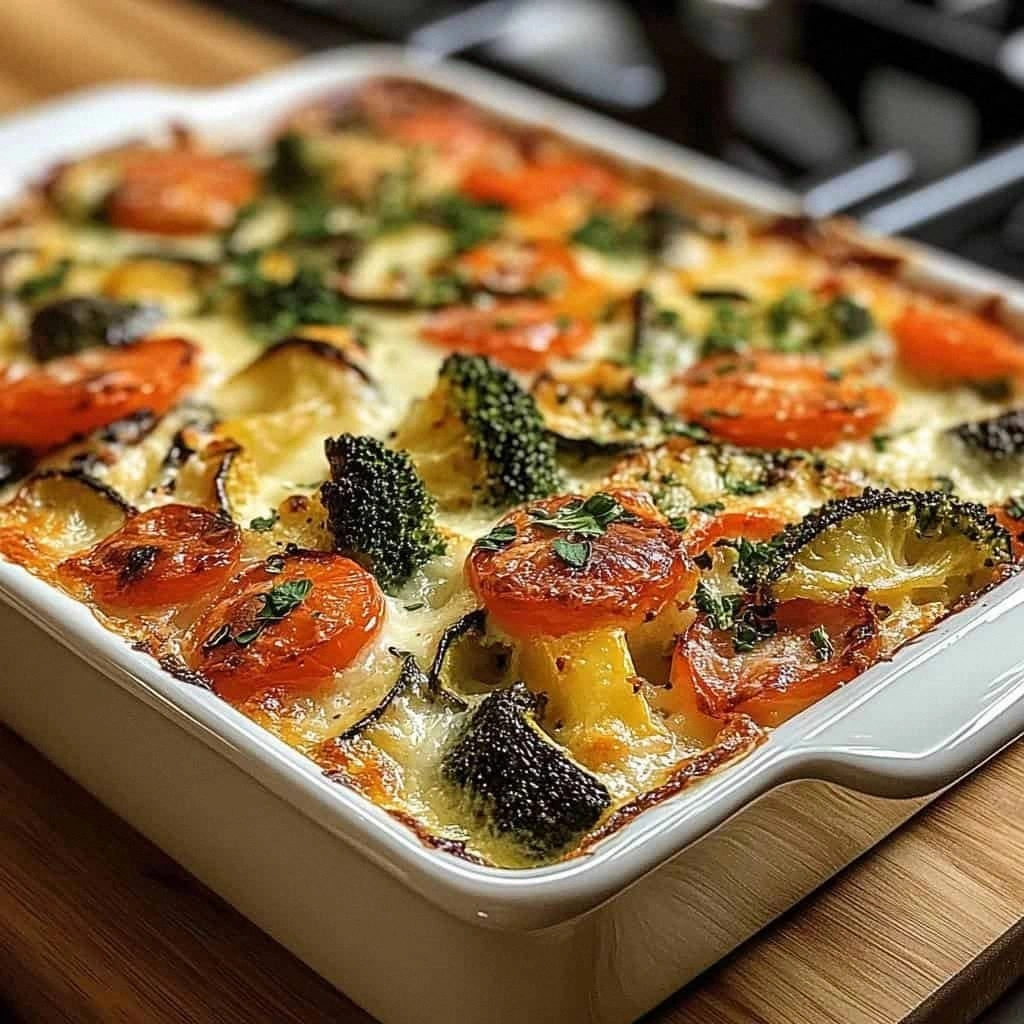
The Method — Step by Step
- Preheat your oven to 425°F (220°C). Yes, that high—we’re flash-roasting the surface so the bake sets before it weeps. While it heats, lightly grease an 8-inch square metal pan or ceramic baking dish. Metal conducts heat faster, giving you those coveted crispy edges that shatter like thin ice over a puddle. Ceramic looks prettier on Instagram; choose your fighter.
- Dump cottage cheese, eggs, Greek yogurt, protein powder, oat flour, sweetener, vanilla, baking powder, cinnamon, and salt into a blender. Order matters little, but I like putting liquids on the bottom so the blades grab immediately. Blend on high for 20 seconds, scrape down the sides, then whiz another 10 seconds. The batter should look like thick pancake mix with tiny flecks of curd—those flecks are future cheesecake bombs.
- Let the batter rest for 5 minutes. I know patience before caffeine feels criminal, but this pause lets oat flour hydrate and baking powder start its bubbly magic. While you wait, swirl a teaspoon of butter around the hot pan if you want ultra-crispy edges; skip it if you’re keeping fat macros tight. The pan should sizzle softly—if it screams like a kettle, your oven runs hot; reduce temp 10 degrees.
- Pour batter into the center of the hot pan; it should spread like slow lava. Resist the urge to “help” it with a spatula—smoothing deflates air bubbles. Give the pan a gentle shimmy so gravity levels the top, then slide it onto the middle rack. Close the door like you’re tucking in a baby: quick, gentle, final.
- Bake 10 minutes at 425°F, then—without opening the door—reduce to 375°F (190°C) and bake another 18–22 minutes. The hot start inflates the batter; the cooler finish cooks it through without scorching. You’ll know it’s done when the edges pull slightly from the sides and the center jiggles like memory-foam instead of liquid Jell-O. A toothpick inserted two inches from the edge should come out with a moist crumb, not wet batter.
- Cool the bake on a wire rack for 10 minutes. This rest finishes cooking the center gently and prevents the dreaded protein-egg collapse. The surface will deflate a bit—this is normal, not failure. Use this downtime to brew coffee; by the time you pour a cup, your breakfast will be ready for its glamour shot.
- Slice with a plastic knife for non-stick bliss, or use a chef’s knife wiped with a lightly oiled paper towel between cuts. Squares, triangles, or cookie-cutter shapes—go wild. I dare you to taste the first piece and not go back for seconds; I’ve never seen it happen.
- Serve warm for that soufflé vibe, or chill completely for firmer cheesecake energy. Both are legit; the warm version tastes like French clafoutis, the cold one like protein-packed cheesecake fat bombs. Store leftovers covered in the fridge, or wrap individual portions in parchment and freeze flat so they don’t fuse into a single icy brick.
That's it—you did it. But hold on, I've got a few more tricks that'll take this to another level...
Insider Tricks for Flawless Results
The Temperature Rule Nobody Follows
Room-temperature eggs and yogurt blend more smoothly, so the batter traps air better and rises higher. Ten minutes on the counter while the oven preheats is plenty; don’t overthink it. Cold eggs can cause the cottage cheese to seize into tiny lumps that never disappear—like finding pebbles in silk sheets. If you’re in a rush, submerge eggs (in shell) in warm tap water for 3 minutes; instant spa treatment.
Why Your Nose Knows Best
When the bake is 2 minutes from done, your kitchen will smell like vanilla custard with a faint nutty note—that’s milk solids toasting. If you smell sharp sulfur, you’ve overbaked; pull it immediately and plunge the pan into a larger pan of cold water to stop carry-over cooking. Trust the aroma more than the timer; timers are suggestions, noses are truth-tellers.
The 5-Minute Rest That Changes Everything
After cooling 10 minutes, cover the pan loosely with foil for another 5. This mini steam session equalizes moisture so the center doesn’t sink into a crater. A friend tried skipping this step once—let’s just say it looked like a protein meteor had struck. Patience, young grasshopper.
Creative Twists and Variations
This recipe is a playground. Here are some of my favorite ways to switch things up:
Berry Bomb
Fold ¾ cup frozen blueberries into the batter just before pouring. Frozen berries bleed less than fresh, so you won’t get tie-dye swirls unless you want them. Bonus: the berries chill the surrounding custard, creating molten fruit pockets that burst like jam bombs. If you’ve ever struggled with soggy fruit sinking, dust berries in a teaspoon of oat flour first—they’ll hover in suspension like tiny purple balloons.
Chocolate Muscle
Swap vanilla whey for chocolate, add 2 tablespoons cocoa powder, and bump sweetener by 1 tablespoon. The result tastes like a cross between protein brownies and chocolate soufflé. Top with a spoonful of Greek yogurt mixed with cocoa and stevia for a two-ingredient “frosting” that would make a bodybuilder weep.
Pumpkin Pie Power
Replace half the Greek yogurt with canned pumpkin, add ½ teaspoon pumpkin spice, and drizzle with sugar-free maple syrup post-bake. It’s October in a square, but macros stay tight. Serve cold with a crushed graham cracker sprinkled on top for crust vibes without butter.
Lemon Poppy Seed Zing
Zest one whole lemon into the batter and add 1 teaspoon poppy seeds. The citrus oil heightens sweetness perception, letting you cut sweetener by 25% without noticing. Perfect for spring brunches when you want to feel fancy in yoga pants.
Savory Herb (Zero Sweet)
Omit sweetener and cinnamon, add ¼ cup grated Parmesan, ½ teaspoon garlic powder, and chopped chives. Serve as a side dish with roasted chicken or slice into cubes for protein croutons on salad. Warning: once you go savory, you may never return to sweet.
Coffee Cake Crumble
Stir ½ teaspoon instant espresso into the batter. For the topping, mix 2 tablespoons oat flour, 1 tablespoon erythritol, ½ teaspoon cinnamon, and 1 teaspoon butter until crumbly; sprinkle before baking. Your kitchen will smell like a hipster café, minus the $7 latte.
Storing and Bringing It Back to Life
Fridge Storage
Cool completely, slice, and store in an airtight container up to 5 days. Layer parchment between squares to prevent them from spooning each other into a single blob. The texture firms when cold, making it perfect for grab-and-go snacks. If you notice condensation on the lid, lay a paper towel under the lid to absorb moisture and extend freshness.
Freezer Friendly
Wrap individual portions in parchment, then foil, then zip-top bag—triple armor against freezer burn. Freeze up to 3 months. Label with the date; future-you doesn’t play guessing games. Thaw overnight in the fridge or microwave from frozen at 50% power for 90 seconds, flipping halfway. Texture stays surprisingly creamy because the fat in cottage cheese resists crystallization.
Best Reheating Method
Microwave 30 seconds on high, then add a tiny splash of water and microwave 15 seconds more. The water steams the crumb back to life without rubberizing eggs. Air-fryer fans: 325°F for 4 minutes gives you a toasted top that tastes fresh-baked. Avoid the oven unless you’re reheating a whole tray; it dries edges faster than a stand-up comic roasts hecklers.