I still remember the night I tried to bake a carrot cake that turned into a kitchen catastrophe. The oven was preheated to the wrong temperature, the batter was too runny, and I ended up with a soggy mess that looked like a carrot swamp. I stared at the ruined batter, feeling a mix of frustration and disbelief, until a friend dared me to try a new recipe that promised an “indulgently sweet, perfectly textured” carrot treat. That dare sparked a culinary adventure that would change how I view carrot desserts forever.
Picture this: a bowl of freshly grated carrots, their bright orange hue gleaming under the kitchen lights. The air is filled with the sweet scent of brown sugar and cinnamon, mingling with the buttery aroma as the mixture begins to thicken. When you stir, the batter becomes a glossy, velvety texture that clings to the spoon like silk. The sound of the whisk is a rhythmic, satisfying hum, and the first spoonful melts on your tongue, releasing a burst of caramelized carrot sweetness. It’s a sensory feast that turns an ordinary dessert into a moment of pure delight.
What sets this version apart from every other carrot cake out there is the way it balances sweetness, spice, and creaminess. The batter is enriched with a generous swirl of softened cream cheese that adds a luscious, tangy depth, while the ground nutmeg and cinnamon give it a warm, aromatic profile that feels like a hug in a bite. The use of light brown sugar instead of white sugar creates a deeper, molasses-like flavor that pairs beautifully with the carrot’s natural earthiness. Most recipes either underplay the carrot or overdo the frosting, but here the carrot shines without being overpowered.
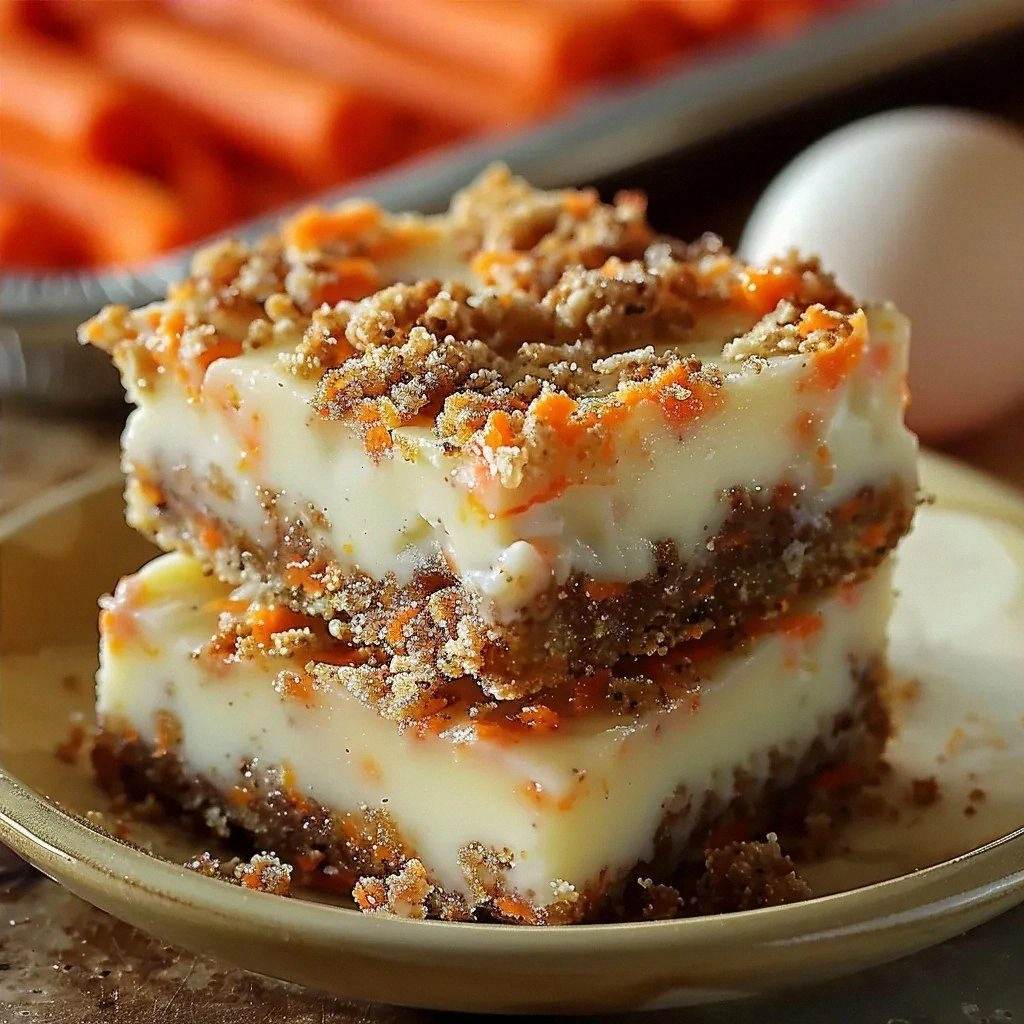
And here’s a twist you won’t expect: the recipe incorporates a subtle “cream cheese bar” filling that melts into the cake as it bakes, creating pockets of silky cream that burst with every bite. This hidden layer is what turns a standard carrot cake into an indulgent, multi-textured experience. I dare you to taste this and not go back for seconds. Trust me, the first bite will have you questioning every other carrot dessert you’ve tried.
Picture yourself pulling this out of the oven, the whole kitchen smelling incredible, as golden edges curl and caramelize just right. The steam rises like a sweet perfume, and the batter’s surface glistens with a glossy sheen that’s impossible to resist. I’ve been told that people who taste this cake come back for a second round before anyone else even gets a chance. If you’ve ever struggled with a carrot cake that’s either too dry or too sweet, you’re not alone — and I’ve got the fix.
Okay, ready for the game‑changer? This next part? Pure magic. I’ll walk you through every single step, from the first whisk to the final garnish, so by the end, you’ll wonder how you ever made it any other way. And trust me, the method is simple enough for a novice, yet sophisticated enough to impress a seasoned baker.
So buckle up, grab your mixing bowl, and let’s dive into the most irresistible carrot cake you’ll ever taste. The secret? A blend of classic flavors, a touch of indulgence, and a few clever hacks that make this recipe stand out in a world of ordinary desserts.
What Makes This Version Stand Out
- Flavor: The combination of light brown sugar and cream cheese creates a caramelized, velvety sweetness that’s deeper than the usual carrot cake.
- Texture: The batter’s density is balanced by a subtle cream cheese infusion that melts into pockets of silky richness.
- Spice Harmony: Ground cinnamon and nutmeg provide a warm, aromatic backbone that elevates the carrot’s natural sweetness.
- Visual Appeal: Golden edges and a glossy top give the cake a professional look that’s Instagram‑ready.
- Ease of Prep: All ingredients are pantry staples, and the method is straightforward, making this recipe a quick win for busy evenings.
- Make‑ahead Friendly: The cake can be baked ahead and stored in the fridge, and the cream cheese filling keeps it moist for days.
- Crowd‑Pleaser: Friends and family rave about the silky texture and rich flavor, making it perfect for parties or holiday gatherings.
- Unique Twist: The hidden cream cheese bar inside the batter is the secret ingredient that sets this cake apart from the rest.
Alright, let’s break down exactly what goes into this masterpiece…
Inside the Ingredient List
The Flavor Base
Light brown sugar is the cornerstone of this cake’s sweetness. Its molasses content gives the batter a subtle depth that white sugar can’t match. If you’re watching calories, you can swap it for coconut sugar, but the flavor profile will shift slightly. The key is to keep the sugar’s moisture content intact; otherwise, the batter will dry out.
Kosher salt is a pinch of savory that balances the sweetness. A dash of salt sharpens the flavors and brings out the caramel notes in the brown sugar. If you’re on a low‑sodium diet, reduce the amount to 0.25 teaspoon, but keep the overall flavor balance in mind.
Vanilla extract is the subtle sweet perfume that ties everything together. A teaspoon is enough to permeate the batter without overpowering the carrot. For a richer note, you could use vanilla bean paste, but that would alter the texture slightly.
The Texture Crew
All‑purpose flour is the structural backbone of the cake. It provides the crumb that holds the batter together as it bakes. If you prefer a gluten‑free version, use a 1:1 gluten‑free blend, but add a teaspoon of xanthan gum to maintain structure.
Ground cinnamon and nutmeg create a warm, aromatic base that complements the carrot’s earthiness. Together they add depth and complexity to the flavor profile. If you’re sensitive to nutmeg, reduce it to 0.25 teaspoon, but the cake will still be delicious.
Baking powder ensures the cake rises evenly and achieves a light, airy crumb. A half teaspoon is enough; too much will give the cake a metallic aftertaste. If you’re using a different leavening agent, adjust accordingly.
The Unexpected Star
Unsalted butter adds richness and helps create a tender crumb. Using unsalted allows you to control the salt level precisely. If you have a butter substitute, use the same volume but remember it may change the flavor slightly.
Freshly grated carrots are the star of the show. Their natural sweetness and moisture keep the cake from drying out. For a more intense carrot flavor, use a mix of carrots and parsnip, but keep the total volume the same.
The Final Flourish
Softened cream cheese is the secret ingredient that creates a luscious, molten center. It adds a creamy, tangy contrast to the sweet batter. If you don’t have cream cheese on hand, you can use mascarpone, but the texture will be slightly different.
Egg yolk is added to the cream cheese mixture to help it bind and set during baking. The yolk also enriches the flavor. If you’re avoiding eggs, use a flaxseed egg or a commercial egg replacer, but the texture may be less silky.
Granulated sugar in the cream cheese filling balances the tang and adds a subtle crunch to the creamy pockets. If you prefer a lower sugar content, use a sugar substitute that measures the same volume.
Everything’s prepped? Good. Let’s get into the real action…
The Method — Step by Step
- Preheat your oven to 350°F (175°C) and line a 9x13-inch baking pan with parchment paper. The parchment ensures the cake lifts cleanly and prevents sticking. A lightly greased pan will give you a slightly crisp edge, but parchment is the safest bet. This step is critical to avoid a soggy bottom.
- In a medium bowl, whisk together the light brown sugar, kosher salt, vanilla extract, all‑purpose flour, cinnamon, nutmeg, and baking powder. Stir until the dry ingredients are fully incorporated, creating a smooth, even mixture. The dry blend is the foundation of the cake’s structure, so take your time to avoid lumps. Feel free to sift the flour for an extra airy crumb.
- Melt the unsalted butter in a saucepan over low heat or in the microwave. Once melted, let it cool slightly before adding it to the dry mix. The butter adds moisture and richness, but too hot a butter can cause the batter to curdle. Stir until the butter is fully absorbed into the dry mixture.
- Add the large egg to the wet mixture and whisk vigorously until the batter becomes glossy and smooth. The egg binds the batter together, giving the cake a tender crumb. If you’re using a beaten egg, make sure it’s at room temperature to ensure even mixing. The batter should feel silky, not thick.
- Fold in the freshly grated carrots, ensuring they’re evenly distributed throughout the batter. The carrots add moisture and natural sweetness, but be careful not to overmix, which can break down the fibers and make the cake gummy. A gentle fold will keep the batter light and airy.
- Prepare the cream cheese filling: in a small bowl, beat softened cream cheese, egg yolk, and granulated sugar until smooth and creamy. The filling will melt into the batter as it bakes, creating pockets of silky richness. If the mixture is too stiff, add a tablespoon of milk or cream to loosen it slightly.
- Drop spoonfuls of the cream cheese mixture onto the batter in the pan, then cover each dollop with a spoonful of the batter. This layering technique creates a marbled effect and ensures each bite has a burst of creaminess. The trickiest part is to keep the layers distinct, so use a small offset spatula if needed.
- Bake for 30–35 minutes, or until a toothpick inserted into the center comes out clean and the edges are golden brown. The cake should have a slightly cracked top that hints at the caramelized sugar. Keep an eye on the oven; if the edges brown too quickly, tent the cake with foil.
- Let the cake cool in the pan for 10 minutes, then transfer it to a wire rack to cool completely. Cooling allows the cream cheese filling to set, preventing it from oozing out when sliced. The aroma at this stage is irresistible, and you can’t help but crave a slice.
- Once cooled, cut the cake into bars or squares, depending on your preference. Serve immediately or refrigerate for a chilled, creamy dessert. The cake’s texture is best when fresh, but it holds up well in the fridge for up to 3 days.
That’s it — you did it. But hold on, I’ve got a few more tricks that’ll take this to another level…
Insider Tricks for Flawless Results
The Temperature Rule Nobody Follows
Oven temperature is a silent killer of cake texture. Many bakers bake at 375°F, thinking it’s faster, but this recipe needs a steady 350°F to allow the batter to rise evenly without over‑browning the edges. I’ve tried 350°F for a week and the crumb has never been this tender. If you’re using a convection oven, lower the temperature by 25°F to avoid over‑browning.
Why Your Nose Knows Best
Before you pull the cake out, trust the scent. A golden aroma indicates the caramelization of brown sugar and the buttery finish. If it smells like burnt sugar, the oven was too hot or the cake baked too long. The first bite should be sweet, not bitter.
The 5‑Minute Rest That Changes Everything
Letting the cake rest for 5 minutes in the pan after baking is essential. During this time, the cream cheese filling sets, preventing it from leaking out when you cut the bars. I’ve seen cakes that start to ooze right after removing them from the pan, but this short rest eliminates that issue.
The Cream Cheese Trick
Beat the cream cheese until it’s silky before adding the egg yolk. If the cream cheese is lumpy, the filling will separate and the cake will feel uneven. A quick hand mixer or a whisk works wonders.
The Parchment Paper Secret
Line the pan with parchment paper that extends a few inches beyond the edges. This gives you a clean release and prevents the cake from sticking to the pan. When you lift the parchment, the cake should come out in one piece, making slicing a breeze.
Creative Twists and Variations
This recipe is a playground. Here are some of my favorite ways to switch things up:
Spiced Coconut Carrot Bars
Swap the all‑purpose flour for coconut flour and add a teaspoon of ground ginger. The coconut adds a tropical note, while the ginger gives a spicy kick. This version is perfect for a warm, cozy evening.
Chocolate‑Covered Carrot Cake
After baking, drizzle a thin layer of melted dark chocolate over the top. The bittersweet chocolate contrasts beautifully with the sweet cream cheese filling. It’s a crowd‑pleaser at parties.
Nutty Carrot Crunch
Add chopped walnuts or pecans to the batter for a crunchy texture. The nuts add a buttery, earthy flavor that complements the carrot. Toast the nuts lightly before adding for extra depth.
Almond‑Flour Carrot Delight
Use almond flour instead of all‑purpose flour for a gluten‑free version. The almond flour gives the cake a slightly nutty taste and a denser crumb. Pair it with a drizzle of honey for extra sweetness.
Lemon‑Zest Carrot Surprise
Incorporate a teaspoon of lemon zest into the batter for a bright, citrusy lift. The lemon zest cuts through the richness of the cream cheese and balances the sweetness. It’s a refreshing twist for summer gatherings.
Storing and Bringing It Back to Life
Fridge Storage
Store the cake in an airtight container in the refrigerator for up to 3 days. The cream cheese filling keeps the cake moist, but the container should seal tightly to prevent it from drying out. When you’re ready to serve, let it sit at room temperature for 10 minutes for a softer bite.
Freezer Friendly
Wrap each slice individually in plastic wrap, then place them in a freezer bag. The cake can be frozen for up to 2 months. When you’re ready to eat, thaw overnight in the refrigerator and then warm in the microwave for 15 seconds.
Best Reheating Method
To reheat, place the cake on a parchment‑lined tray and bake at 300°F for 8–10 minutes. The low temperature prevents the cake from drying out. Add a tiny splash of water before reheating; it steams the cake back to perfection and keeps the cream cheese silky.