I remember the night I first stumbled across this recipe like it was a culinary epiphany in a smoky kitchen, the air thick with the scent of garlic and a faint citrus tang that had my taste buds buzzing. I was halfway through a bland weeknight dinner, the chicken had been marinated in a generic blend of olive oil and herbs, and the result was nothing more than a soggy, flavorless slab of meat that left me disappointed and a little embarrassed. The disappointment turned into a dare: “I dare you to taste this and not go back for seconds.” And I promised myself, in that moment, that I would create something that would transform that blandness into a symphony of flavors.
Fast forward to today, and I’m standing in a bright kitchen, the countertop cluttered with a handful of ingredients that will soon become the foundation of a dish that feels both indulgent and surprisingly approachable. The bright yellow of fresh lemons, the sharp, salty bite of Pecorino Romano, the silky sheen of heavy cream, and the golden crust that will form on the chicken—all of these elements combine to create a dish that is, in my opinion, hands down the best version you’ll ever make at home. Picture yourself pulling this out of the oven, the whole kitchen smelling incredible, the steam curling like a fragrant halo, and the anticipation of the first bite building with every second.
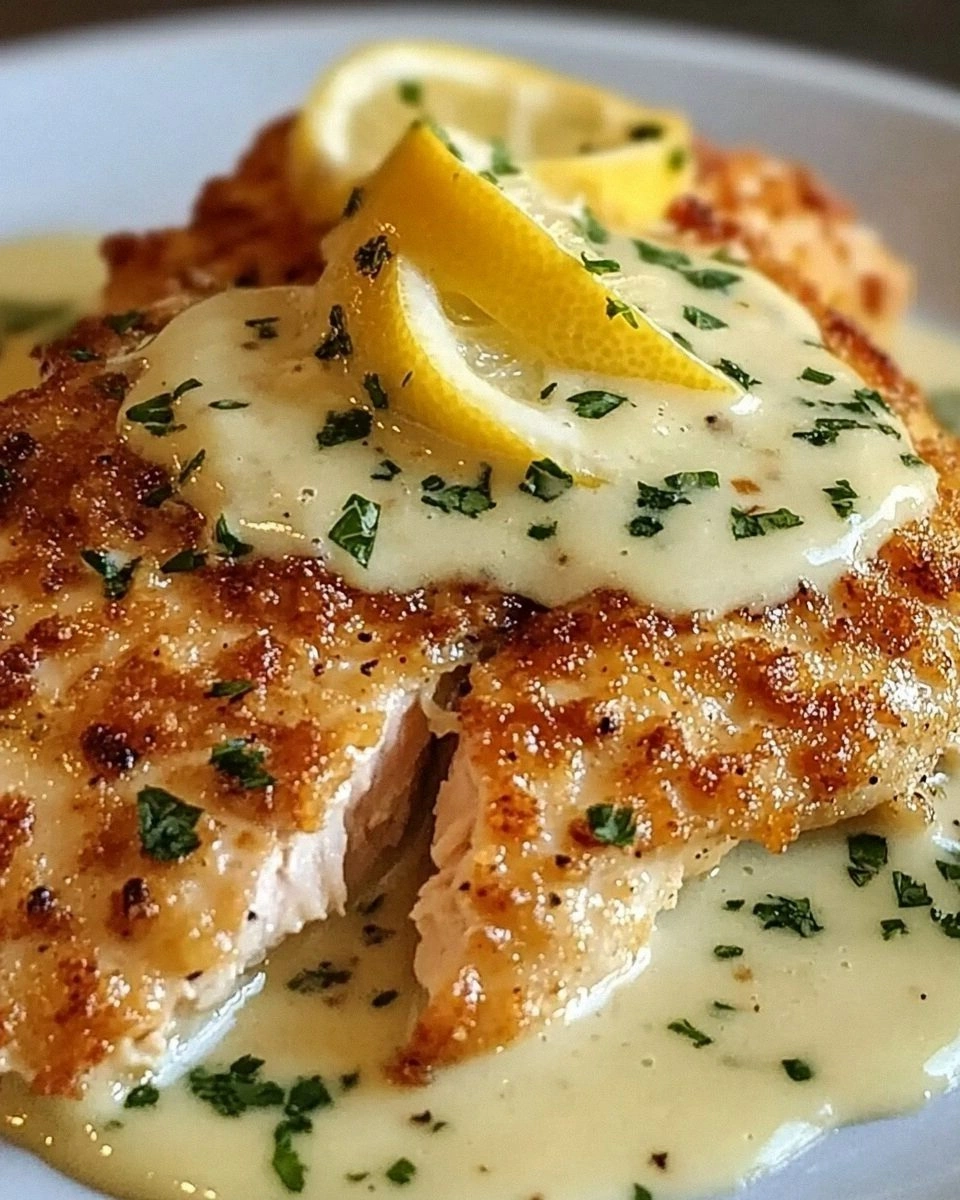
What makes this version stand out isn’t just the ingredients; it’s the way each component is orchestrated. The crust is not a simple breadcrumb coating; it’s a finely ground mixture of flour, Pecorino, lemon zest, and a dash of salt, which creates a crispy, savory shell that crackles delightfully as you bite into it. The sauce, meanwhile, is a velvety lemon cream that coats the chicken like velvet, delivering a tangy brightness that cuts through the richness of the cheese and butter. And the best part? The method is straightforward, yet it offers room for personal tweaks that can elevate the dish even further.
I’m about to walk you through every single step, from the initial prep to the final plating. By the end, you’ll wonder how you ever made it any other way. If you’ve ever struggled with getting that perfect crust or balancing the acidity of lemon with the saltiness of Pecorino, you’re not alone—and I’ve got the fix. Let’s dive into the details that make this dish truly unforgettable.
What Makes This Version Stand Out
- Flavor: The marriage of sharp Pecorino and bright lemon zest creates a flavor profile that is both bold and balanced, unlike the flat taste of most chicken recipes.
- Texture: The crust forms a golden, crunchy shell that snaps with each bite, while the interior remains juicy and tender, offering a satisfying contrast.
- Simplicity: With only a handful of pantry staples and fresh ingredients, you can achieve a restaurant‑level dish without a trip to the grocery store.
- Uniqueness: The addition of a creamy lemon sauce that coats the chicken like velvet turns an ordinary entrée into an extraordinary experience.
- Crowd Reaction: Friends and family will be wowed by the dramatic presentation and the way the flavors explode, making it a guaranteed conversation starter.
- Ingredient Quality: Using fresh, high‑quality Pecorino Romano and freshly squeezed lemon juice gives the dish an unmistakable depth that substitutes can’t match.
- Cooking Method: The technique of double‑breading the chicken before searing locks in moisture and enhances the crispness.
- Make‑Ahead Potential: You can prepare the crusted chicken a few hours ahead, refrigerate it, and finish cooking right before serving, saving valuable time on busy nights.
Alright, let's break down exactly what goes into this masterpiece...
Inside the Ingredient List
The Flavor Base
The foundation of this dish starts with the chicken itself. I use boneless, skinless breasts because they cook evenly and stay moist when coated with the crust. The key to a juicy interior is not to overcook the chicken; aim for an internal temperature of 165°F (74°C). If you skip the chicken, you lose the main canvas that holds the other flavors together.
The Texture Crew
Flour and Pecorino Romano are the dynamic duo that creates the signature crust. The flour provides structure and absorbs the oil, while the cheese adds savory depth and a slightly salty kick. If you substitute the Pecorino with Parmesan, you’ll get a milder flavor; if you skip the flour entirely, the coating won’t adhere properly, resulting in a soggy surface.
The Unexpected Star
Lemon zest is the unsung hero that brings brightness to the dish. Unlike lemon juice, zest contains the essential oils that give a clean, citrusy aroma without overwhelming acidity. If you omit the zest, the sauce will taste flat and the crust will lack its signature zing. A good rule of thumb: use about one tablespoon of zest for every four breasts.
The Final Flourish
The creamy lemon sauce is what ties everything together. Heavy cream, butter, and a splash of chicken broth create a silky base that coats the chicken like velvet. Garlic adds a subtle depth that prevents the dish from feeling one‑dimensional. Skipping the garlic will make the sauce feel thin and less complex, while omitting the butter will reduce the richness and cause the sauce to separate.
Everything's prepped? Good. Let's get into the real action...
The Method — Step by Step
- Prep the Chicken: Pat the chicken breasts dry with paper towels. This step is crucial; any moisture on the surface will prevent the crust from adhering properly. Slice the chicken horizontally into two equal thicknesses, creating a thinner cut that cooks more evenly. Season both sides with salt and freshly ground black pepper, letting the seasoning penetrate for about five minutes.
- Make the Crust Mixture: In a shallow bowl, combine 1 cup all‑purpose flour, 1 cup finely grated Pecorino Romano, 1 tablespoon lemon zest, ½ teaspoon salt, and ¼ teaspoon freshly ground black pepper. Stir until evenly mixed. This mixture will form the crunchy shell; the flour binds the cheese and lemon together, while the pepper adds a subtle heat that complements the lemon.
- Set Up the Dredging Station: Place the crust mixture in a second shallow bowl. In a third bowl, whisk 2 large eggs. The eggs act as a binder, ensuring the crust sticks to the chicken. This triple‑station setup is a kitchen hack that keeps the process organized and efficient.
- Double‑Bread the Chicken: First, dip each chicken breast into the flour mixture, coating it thoroughly. Shake off excess. Then, dip into the beaten eggs, allowing the mixture to coat the surface. Finally, press the chicken back into the flour mixture, ensuring an even layer. This double‑breading technique locks in moisture and creates a thick, crispy crust.
- Preheat the Pan: Heat 2 tablespoons olive oil in a large skillet over medium‑high heat. A good test: add a pinch of flour to the pan; if it sizzles immediately, the oil is hot enough. If the oil is too cold, the crust will absorb excess oil and become greasy.
- Sear the Chicken: Place the coated chicken breasts in the skillet. Let them sear undisturbed for about 3–4 minutes per side until golden brown and the crust cracks. The sound of the sizzle is the first sensory snapshot that tells you everything is working.
- Prepare the Creamy Lemon Sauce: Reduce heat to medium. Add 1 tablespoon butter to the skillet, letting it melt into the pan juices. Stir in 1 cup heavy cream and ¼ cup chicken broth, scraping up any browned bits. Add 2 cloves minced garlic and let it cook for 30 seconds until fragrant. Finally, squeeze in the juice of one whole lemon, and season with salt and pepper to taste. The sauce should thicken slightly, coating the back of a spoon.
- Finish Cooking: Return the seared chicken to the skillet, spooning the sauce over each piece. Let it simmer for another 5 minutes, allowing the chicken to absorb the flavors. The sauce will coat the chicken like velvet, creating a rich, tangy finish.
- Garnish and Serve: Sprinkle chopped fresh parsley over the top for a pop of color and freshness. Plate the chicken with a drizzle of the remaining sauce, and serve immediately while the crust is still crisp. The aroma alone will make your guests swoon.
That's it — you did it. But hold on, I've got a few more tricks that'll take this to another level. From the subtle adjustments to the plating presentation, these insider tips will elevate the dish from great to unforgettable.
Insider Tricks for Flawless Results
The Temperature Rule Nobody Follows
Many people think any medium‑high heat works, but the secret is a skillet that’s hot enough to sear instantly. If you’re unsure, sprinkle a few drops of water; they should evaporate within a second. A properly heated pan ensures a crisp crust and prevents the chicken from steaming in its own juices.
Why Your Nose Knows Best
Before you start, sniff the lemon zest. A bright, citrusy aroma signals fresh lemons. If the scent is weak or slightly bitter, the zest might be old. Fresh zest not only adds flavor but also a subtle aromatic profile that enhances the overall sensory experience.
The 5-Minute Rest That Changes Everything
After you finish cooking, let the chicken rest on a wire rack for five minutes. This step allows the juices to redistribute, keeping the meat moist. I’ve seen people cut into the chicken immediately, only to find it dry. Resting is a small time investment that pays off big in flavor and texture.
The Secret of a Silky Sauce
If your sauce starts to look oily or separates, whisk vigorously while it’s still hot. The high heat helps emulsify the butter and cream, creating a smooth consistency. Adding a teaspoon of cornstarch diluted in water can also stabilize the sauce if it’s on the thinner side.
The Final Touch of Freshness
Just before serving, squeeze a thin strip of lemon over the top. This last burst of citrus brightens the dish and balances the richness of the cheese and cream. It also adds a visual pop that makes the dish look restaurant‑ready.
Creative Twists and Variations
This recipe is a playground. Here are some of my favorite ways to switch things up:
Mediterranean Twist
Swap Pecorino Romano for feta and add a handful of chopped kalamata olives to the crust. The salty feta pairs beautifully with the lemon, while the olives add a briny depth that transports the dish to the Mediterranean coast.
Herb‑Infused Crust
Incorporate fresh thyme, oregano, and rosemary into the flour mixture. These herbs bring an earthy aroma that complements the citrus and cheese, creating a more complex flavor profile.
Spicy Kick
Add a pinch of crushed red pepper flakes to the crust and a splash of white wine to the sauce. The heat from the flakes and the acidity from the wine balance each other, giving the dish a lively edge.
Vegetarian Version
Use thick slices of portobello mushrooms instead of chicken. The mushrooms’ meaty texture and umami flavor hold up well to the crust and sauce, making a hearty, plant‑based option.
Low‑Carb Upgrade
Replace the flour with almond flour and use a sugar‑free lemon sauce made from coconut milk. This version keeps the dish low in carbohydrates while maintaining the creamy, tangy taste.
Gluten‑Free Crust
Use a gluten‑free all‑purpose flour blend in place of regular flour. The crust still forms a crisp shell, and the flavor remains unchanged, making it safe for those with gluten sensitivities.
Storing and Bringing It Back to Life
Fridge Storage
Store cooked chicken in an airtight container for up to 3 days. Keep the sauce in a separate container to avoid the chicken absorbing excess moisture. When reheating, gently warm the sauce in a small saucepan before adding the chicken.
Freezer Friendly
Freeze the cooked chicken and sauce separately in freezer‑safe containers for up to 2 months. Thaw overnight in the refrigerator before reheating. This method preserves the texture and flavor integrity.
Best Reheating Method
Reheat the chicken in a skillet over medium heat, adding a splash of water or broth to create steam. The added moisture keeps the chicken juicy, while the skillet re-crisps the crust. Finish with a drizzle of fresh lemon juice for that bright finish.