Picture this: it is 9:47 p.m. on a random Tuesday, the kind of night when the fridge looks like a ghost town and your stomach is staging a full-scale revolt. I was still wearing my work lanyard, one shoe kicked off somewhere in the hallway, staring at a half-empty jar of grape jelly and a bottle of barbecue sauce like they owed me money. My buddy had dared me earlier that day to “make something legendary out of nothing,” and I am nothing if not stupidly competitive. Thirty-five minutes later I was standing over the stove, spoon in hand, sauce bubbling like a jacuzzi of pure nostalgia, and the smell drifting up was so ridiculously good I actually laughed out loud. That first bite—sweet, tangy, smoky, with a soft meatball that practically sighed when I speared it—was the edible equivalent of finding a twenty in last winter’s coat pocket. I ate six standing up, sauce dripping down my wrist, and I swear the dog got jealous. If you have ever rolled your eyes at the words grape-jelly-anything, I get it; I was you once. But stay with me here—this is worth it.
Most recipes get this completely wrong. They toss frozen meatballs into a slow cooker, dump in equal parts jelly and sauce, and walk away like that is some kind of culinary mic drop. The result? A gloopy, one-note sugar bomb that tastes like prom night in 1997—fun for thirty seconds, headache included. This version is the glow-up: homemade meatballs with crispy edges that shatter like thin ice, a glaze that coats each sphere like velvet, and a balance of sweet-savory that keeps you chasing the next bite like the last episode of your favorite show. I dare you to taste this and not go back for seconds; I double-dog-dare you to leave any for tomorrow’s lunch. Spoiler alert: I failed that mission twice.
Okay, ready for the game-changer? We are going to sear the meatballs first so they develop a crust that traps every drop of beefy juice, then we deglaze the pan with a splash of apple-cider vinegar so the sauce picks up every caramelized speck. The grape jelly does not just bring sweetness—it brings pectin, which thickens the glaze so it lacquers the meat like a shiny sports-car finish. The barbecue sauce brings smoke and tang, but we sharpen it with mustard and hot sauce so your palate never falls asleep. Picture yourself pulling this out of the oven, the whole kitchen smelling like a backyard cookout collided with a county-fair candy booth, and tell me you are not already reaching for a toothpick.
Let me walk you through every single step—by the end, you will wonder how you ever made it any other way.
What Makes This Version Stand Out
- Crust First, Sauce Second: Searing the meatballs in a ripping-hot skillet creates a mahogany crust that keeps them from turning into sponges when they bathe in the sweet glaze. Most recipes skip this and end up with gray, sad orbs floating in purple syrup. Not on my watch.
- Two-Stage Sweetness: We layer grape jelly with a shot of molasses so the sugar comes at you in waves instead of one sucker punch. Your taste buds stay interested, not exhausted.
- Smoked Paprika Sneak Attack: Just half a teaspoon in the meat mixture whispers “campfire” without shouting “barbecue chip.” It is the culinary equivalent of bass guitar—felt, not always heard.
- Vinegar Brightness: A quick splash right at the end lifts the whole dish like opening curtains on a sunny morning. Without it, the sauce can feel like it is wearing a weighted blanket.
- Make-Ahead Miracle: These reheat like champions. I have kept them in the fridge for four days and they tasted even better as the flavors high-fived each other in the container.
- Conversation Starter: Bring a crock of these to game night and watch grown adults debate whether they taste like “childhood” or “Thanksgiving at a steakhouse.” Either way, you become a legend.
Inside the Ingredient List
The Flavor Base
Ground chuck is the Beyoncé here—80/20 fat ratio keeps things juicy without swimming in grease. Skip the extra-lean stuff unless you enjoy chewing meat-flavored cotton balls. Panko breadcrumbs soak up the milk and onion juices, turning into a panade that keeps the meatballs tender even if you accidentally over-cook by thirty seconds. Speaking of onion, grate it on a box grater so the juices mix right into the meat; no onion chunks rolling around like tiny speed bumps. Egg is the binder, but we only need one for a pound of meat—any more and you are building rubber balls.
The Texture Crew
Finely diced mushrooms are my secret textural wildcard. They melt into the meat, adding umami and pockets of moisture that make you wonder why every meatball does not taste this good. Worried about fungus skeptics? I have served these at a ten-year-old’s birthday and witnessed zero complaints, only sticky fingers. Garlic powder instead of fresh keeps the flavor mellow and consistent; fresh garlic can scorch in the sear and turn bitter. A whisper of nutmeg makes the beef taste beefier—trust great-grandmother Europe on this one.
The Unexpected Star
Grape jelly chosen should be the cheap jarred kind, not the fancy artisanal one flecked with grape skin. We want Concord grape intensity and reliable sugar content so the glaze thickens the same way every time. If all you have is strawberry, close this tab and drive to the store; other flavors skew the final color toward something resembling Pepto-Bismol barbecue, and nobody needs that trauma. If you are morally opposed to corn-syrup jelly, substitute equal parts Concord grape jam and honey, but the texture will be looser and you will need to reduce the sauce longer.
The Final Flourish
Barbecue sauce choice is where personality enters. I reach for a Kansas City style because it already has molasses and vinegar, marrying perfectly with the jelly. Avoid mustard-based Carolina sauces unless you want a purple-yellow swamp that visually offends guests. Add a dab of Dijon anyway for complexity, plus hot sauce for a gentle back-of-throat glow. Worcestershire is the umami depth charge, fish-free yet somehow tasting like steak. Last, butter swirled in off-heat gives the sauce a glossy sheen that makes food-blog photographers weep.
Everything is prepped? Good. Let us get into the real action...
The Method — Step by Step
- Start by soaking the panko. Dump the breadcrumbs into a small bowl and pour the milk over them; they should drink it up like college kids at happy hour. Let this sit while you mince and grate so the crumbs swell and turn into a squishy paste. This paste is insurance against tough meatballs—do not skip it unless you enjoy dental workouts.
- Build the meat mixture in a bowl wide enough for aggressive mixing. Add the chuck, soaked panko, grated onion, egg, garlic powder, smoked paprika, salt, pepper, nutmeg, and mushrooms. Use your fingertips, not your palm, to toss everything like you are folding a delicate mousse. Over-mixing squeezes protein strands together and we end up with golf balls. Stop when it looks like a cohesive, slightly sticky mass.
- Portion and roll. A tablespoon cookie scoop is my weapon of choice; uniformity means even cooking and nobody fights over the giant meatball like it is the last lifeboat. Roll gently between damp palms—water keeps the meat from sticking and prevents your hands from warming the fat. Place the balls on a parchment-lined sheet and chill ten minutes while you heat the pan.
- Heat your skillet. Cast iron is ideal because it holds heat like a grudge, but any heavy pan works. Add just enough oil to film the bottom and wait until the surface shimmers and the first wisp of smoke appears. That sizzle when the meat hits the pan? Absolute perfection. Do not crowd; work in batches so steam does not sabotage the crust.
- Brown on two sides, about two minutes per side, then remove to a plate. They will finish cooking in the sauce, so pale centers are fine here. Pour off excess fat, leaving behind the browned bits—those freckles are pure flavor. Deglaze with apple-cider vinegar, scraping with a wooden spoon until the bottom of the pan looks clean enough to pass a white-glove test.
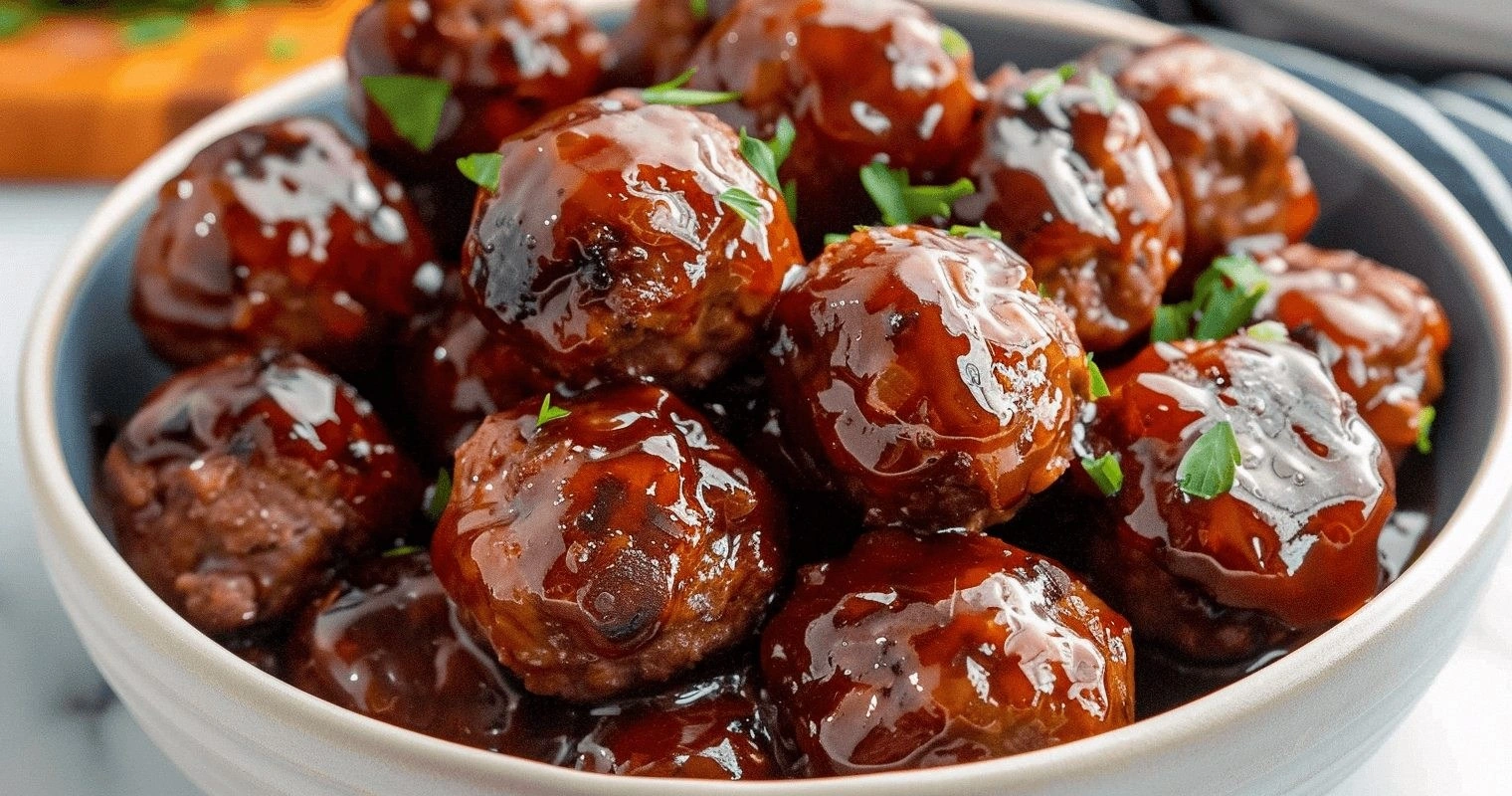
- Now the fun part: the glaze. Reduce the heat to medium-low and whisk in grape jelly; it will melt into a glossy purple river. Add barbecue sauce, Worcestershire, Dijon, and hot sauce. Let it burble gently for three minutes so the flavors meld and the sauce thickens enough to coat a spoon. You are looking for lava-like viscosity—if you drag your finger across the back of the spoon, the line should hold.
That is it—you did it. But hold on, I have got a few more tricks that will take this to another level...
Insider Tricks for Flawless Results
The Temperature Rule Nobody Follows
Room-temperature meat mixes more evenly and cooks faster, meaning less chance of a raw center and toughened exterior. Pull your ground beef from the fridge twenty minutes before you start. I know, I know, food-safety alarms are flashing—keep it covered and away from sunlight and you are golden. Cold fat is stubborn fat; it refuses to bind and leaves you with crumbly meatballs that break apart in the sauce. If you have ever wondered why your spheres turned into spaghetti-sauce gravel, this is the culprit.
Why Your Nose Knows Best
When the glaze is perfectly reduced, the scent shifts from raw sugar to toasted grape must with a back-note of smoked paprika. Train your nose to recognize that moment and you will never need a timer again. I have a friend who tried skipping this step once—let us just say it ended in a kitchen that smelled like burnt cotton candy for three days. Your olfactory system is basically a free kitchen gadget; use it.
The 5-Minute Rest That Changes Everything
After cooking, let the meatballs sit off-heat for five minutes before serving. The proteins relax, the juices redistribute, and the sauce thickens just enough to stick rather than puddle. I get it—when the aroma is hijacking your willpower, waiting feels like torture. But those five minutes are the difference between good meatballs and the ones people whisper about in reverent tones.
Creative Twists and Variations
This recipe is a playground. Here are some of my favorite ways to switch things up:
Firecracker Heat Bomb
Swap half the grape jelly for hot pepper jelly and double the hot sauce. Finish with a shower of sliced scallions and a squeeze of lime. Perfect for tailgates where you want grown men to cry happy tears.
Hawaiian Luau Edition
Add a small can of crushed pineapple (drained) to the sauce and substitute pineapple juice for the vinegar. Use smoked gouda in the meat mixture for a subtle campfire vibe. Serve over coconut rice and watch the party migrate to your kitchen.
Moroccan Mash-Up
Stir in a teaspoon each of ground cumin and coriander, plus a pinch of cinnamon. Substitute pomegranate molasses for half the jelly and sprinkle toasted almonds on top. Suddenly it tastes like Casablanca meets Kansas City.
Breakfast Sandwich Hero
Form the meat mixture into tiny two-bite balls, glaze as directed, then pile onto buttered biscuits with scrambled eggs and arugula. Brunch menus have been rewritten for less.
Vegetarian “Meat” Miracle
Use plant-based ground meat and add a tablespoon of miso paste for depth. The jelly glaze works the same magic, and omnivores will still hover like vultures. I have tested this on my carnivore cousin—he asked for seconds before realizing the bait-and-switch.
Swedish-Style Comfort
Skip the barbecue sauce and use cream instead, turning the jelly into a rich gravy scented with nutmeg. Serve over buttered egg noodles and pretend IKEA delivered you a hug.
Storing and Bringing It Back to Life
Fridge Storage
Cool completely, then transfer to an airtight container along with all the sauce. They will keep four days, though they rarely last that long in my house. Press plastic wrap directly onto the surface to prevent a skin from forming; nobody wants grape leather. Reheat gently in a covered skillet with a splash of water over medium-low heat until the centers are piping hot—about eight minutes.
Freezer Friendly
Freeze meatballs and sauce together in a single layer inside a zip-top bag. Squeeze out excess air, label with the date, and lay flat so you can snap off portions like chocolate bark. They are good for three months, but flavor peaks at six weeks. Thaw overnight in the fridge, then reheat as above. Do not microwave unless you enjoy rubbery orbs that bounce off the countertop.
Best Reheating Method
Low and slow wins the race. Add a tablespoon of broth or water per cup of meatballs, cover, and warm over gentle heat. The steam rehydrates the glaze so it shines like new. If you are in a rush, a 300°F oven in a foil-covered dish works in fifteen minutes. Save the microwave for emergency midnight snacks only.