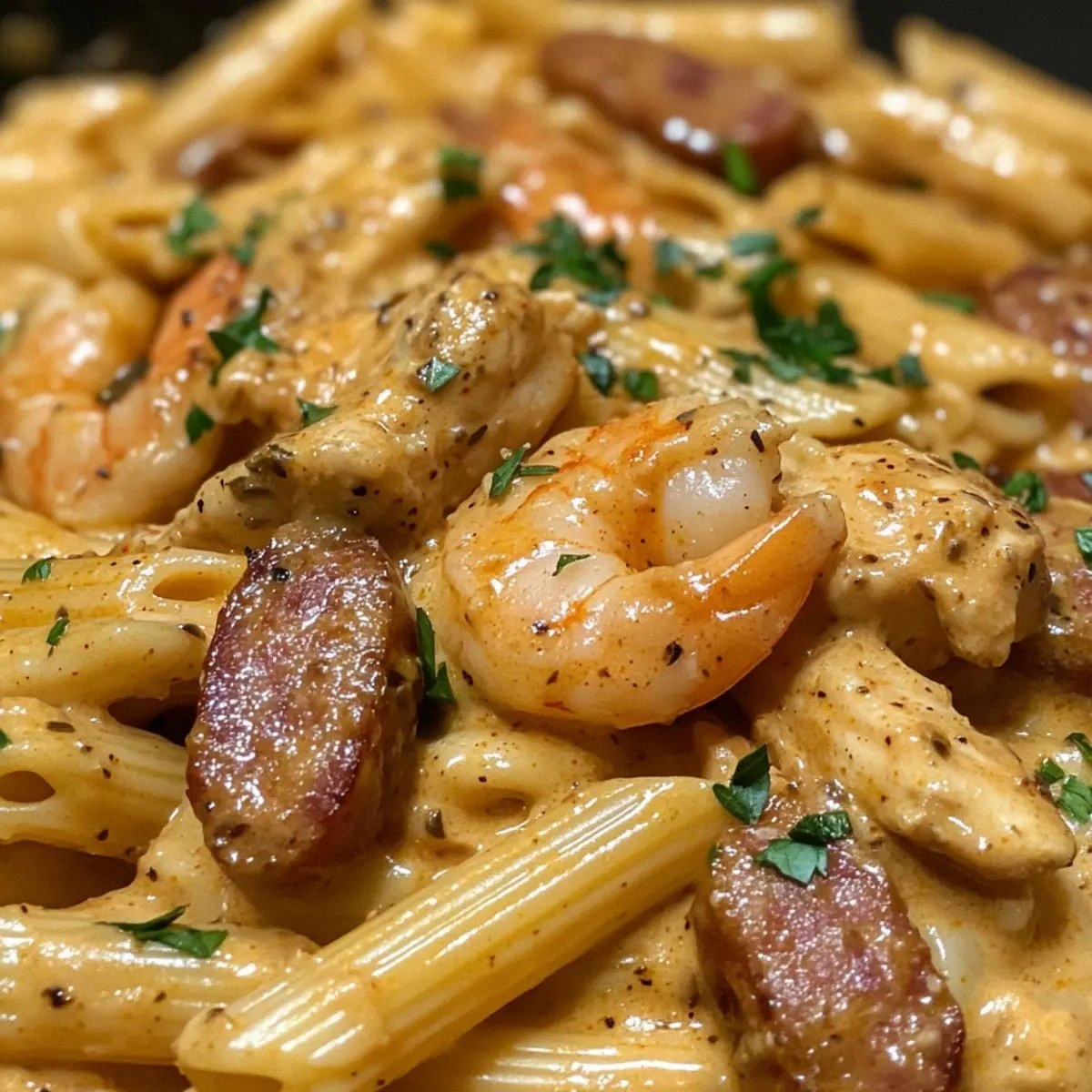
I was standing in my kitchen, half‑listening to a neighbor’s brass band blasting “When the Saints Go Marching In” while a pot of boiled water hissed like a steam locomotive. I’d promised my roommate a “Mardi Gras feast” after a long week of Zoom meetings, but the only thing I had on hand was a half‑empty jar of Cajun seasoning and a lingering craving for something that felt like a celebration in a bowl. I tried a quick shortcut: toss some chicken and shrimp into a jar of alfredo sauce and call it a day. The result? A culinary tragedy that tasted like a bland, over‑cooked carnival float—dry, lifeless, and utterly forgettable. That disaster sparked a fierce determination: I would not settle for anything less than a sauce that coats the pasta like velvet, a flavor profile that punches you in the taste buds and then whispers sweetly, and a texture that makes every bite a party.
Picture this: the kitchen fills with the smoky perfume of Andouille sausage sizzling in olive oil, the bright pop of bell peppers and red onion caramelizing, and the gentle sizzle of garlic turning golden. The air is thick with anticipation, the kind you get when a New Orleans jazz band hits the high note and the whole room holds its breath. I can hear the clink of a wooden spoon against the pan, the soft bubbling of heavy cream as it meets the seared meat, and the faint crackle as Parmesan cheese melts into a glossy, buttery river. My hands feel the heat of the skillet, the weight of the chicken breast as I slice it into bite‑size cubes, and the cool slickness of fresh parsley waiting to be tossed in at the very end. The whole scene is a sensory overload, and it convinces me that this is the moment I’ve been waiting for.
Most recipes for Mardi Gras‑inspired pasta either drown the ingredients in a swamp of cheese or skimp on the spice, leaving you with a bland, one‑dimensional dish. This version, however, balances heat, cream, and smoky depth in a way that feels both indulgent and perfectly calibrated. The secret? A two‑step searing technique that locks in juices, a splash of white wine that deglazes the pan (yes, you’ll hear that “pshh” sound and know you’re on the right track), and a finish with fresh parsley that adds a bright, herbaceous pop. I dare you to taste this and not go back for seconds—because once you’ve experienced this harmony, no other pasta will ever satisfy the same craving.
And here’s the kicker: I’m going to throw in a surprise ingredient that most people overlook—a pinch of smoked paprika that adds a subtle, wood‑smoked undertone without overpowering the Cajun heat. It’s the kind of nuance that makes food lovers whisper, “What did you do there?” while reaching for the next forkful. Okay, ready for the game‑changer? Let me walk you through every single step — by the end, you’ll wonder how you ever made it any other way.
What Makes This Version Stand Out
- Bold Flavor: The combination of Cajun seasoning, smoked paprika, and Andouille sausage creates a depth that’s both fiery and smoky, making each bite an adventure.
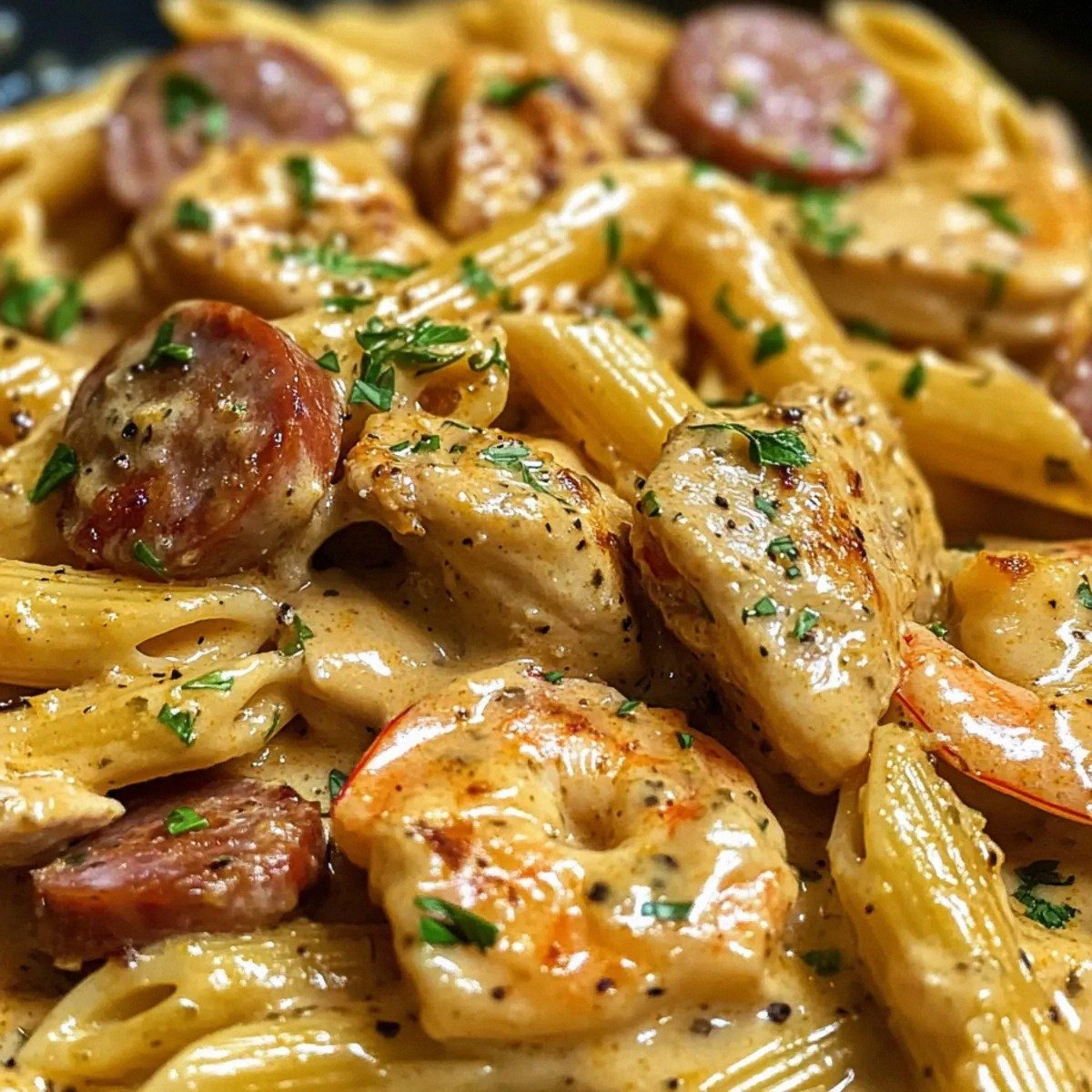
- Creamy Texture: Heavy cream and Parmesan meld into a silky sauce that clings to penne like a second skin, ensuring no noodle is left behind.
- Protein Powerhouse: Chicken, shrimp, and sausage provide a trio of textures—tender, succulent, and slightly chewy—that keep the dish interesting from start to finish.
- Quick Simplicity: Despite the complex flavor profile, the recipe uses only one pan and a pot, meaning cleanup is a breeze.
- Visual Wow Factor: The vibrant colors of bell peppers, red onion, and parsley make the plate look festival‑ready, perfect for Instagram bragging rights.
- Crowd Reaction: Guests often claim it’s “the best thing they’ve ever had on a Tuesday,” and you’ll hear the same line at every dinner party thereafter.
- Ingredient Quality: Using authentic Andouille sausage and fresh shrimp elevates the dish from “good” to “legendary.”
- Make‑Ahead Potential: The sauce can be prepared ahead of time and reheated gently, making it a fantastic option for busy weeknights.
Alright, let's break down exactly what goes into this masterpiece...
Inside the Ingredient List
The Flavor Base
Cajun seasoning is the heart of this dish, delivering that signature Louisiana heat that makes you feel like you’re strolling down Bourbon Street. The two tablespoons are calibrated to bring a steady warmth without overwhelming the palate; if you’re a spice‑sensitive soul, start with one tablespoon and add more later. Andouille sausage, with its smoky, garlicky notes, adds a depth that plain chicken could never achieve on its own. If you can’t find authentic Andouille, a well‑seasoned smoked kielbasa works in a pinch, though you’ll miss a touch of that distinctive Creole flavor.
The Texture Crew
Penne pasta is the perfect vehicle here because its ridges trap the creamy sauce, ensuring every forkful is coated. I recommend cooking it al dente—just a minute shy of the package instructions—so it retains a pleasant bite after being tossed in the sauce. The chicken breast, when cubed and seared quickly, stays juicy, while the shrimp adds a sweet, briny contrast that pops against the smoky sausage. If you’re allergic to shellfish, substitute with firm tofu cubes; they’ll absorb the sauce beautifully.
The Unexpected Star
A splash of white wine (about ¼ cup) is the secret weapon that deglazes the pan, lifting all those caramelized bits (fond) and infusing the sauce with a bright acidity that balances the richness of the cream. If you’re avoiding alcohol, a splash of chicken broth with a dash of lemon juice does the trick. The smoked paprika, added at the very end, is the subtle whisper that says “I’m sophisticated” without shouting.
The Final Flourish
Fresh parsley isn’t just a garnish; its bright, slightly peppery flavor cuts through the richness of the cream and cheese, resetting your palate between bites. A quarter‑cup may sound modest, but when finely chopped, it distributes evenly, ensuring each spoonful gets a herbaceous lift. If you’re not a fan of parsley, basil or cilantro can substitute, though they’ll shift the flavor profile toward a more Mediterranean vibe.
Everything's prepped? Good. Let's get into the real action...
The Method — Step by Step
Start by bringing a large pot of salted water to a rolling boil. Add the 8 ounces of penne pasta and cook until al dente, about 10‑11 minutes. Drain, reserving a cup of the starchy cooking water, then set the pasta aside. Tip: Toss the drained pasta with a drizzle of olive oil to prevent sticking while you finish the sauce.
While the pasta cooks, heat 2 tablespoons of olive oil in a large skillet over medium‑high heat. Slice the 8 ounces of Andouille sausage into 1‑inch rounds and add them to the pan. Let them sizzle for 3‑4 minutes until the edges turn a deep mahogany and release that smoky aroma. That sizzle when it hits the pan? Absolute perfection.
Kitchen Hack: Pat the sausage dry with paper towels before slicing; excess moisture will steam rather than sear, dulling the flavor.Add the 1 pound of boneless, skinless chicken breast, cut into bite‑size cubes, to the skillet. Season with 1 teaspoon of salt, 1 teaspoon of pepper, and 2 tablespoons of Cajun seasoning. Cook, stirring occasionally, until the chicken is golden on the outside and no longer pink inside, roughly 5‑6 minutes. This is the moment of truth: the chicken should develop a caramelized crust that locks in juices.
Next, toss in the 1 pound of peeled and deveined shrimp. They’ll turn pink and opaque in just 2‑3 minutes. Remove the chicken, sausage, and shrimp from the pan and set aside; you’ll re‑introduce them later to keep everything perfectly cooked.
Reduce the heat to medium and add the remaining 1 tablespoon of olive oil if the pan looks dry. Drop in the diced 1 medium red onion and the 1 cup of bell peppers (any color you like). Sauté for 4‑5 minutes until the vegetables soften and the onion becomes translucent. Add the minced 2 cloves of garlic and cook for another 30 seconds—watch out not to burn it, or you’ll get a bitter bite.
Watch Out: If you add the garlic too early, it will scorch and impart a burnt flavor that masks the Cajun spice.Now, deglaze the pan with ¼ cup of dry white wine, scraping up every browned bit from the bottom. Let the wine reduce by half, about 2‑3 minutes, creating a glossy base that will later bind the sauce. If you’re avoiding alcohol, substitute with chicken broth and a splash of lemon juice.
Stir in the 1 cup of heavy cream, followed by the ½ cup of grated Parmesan cheese. Reduce the heat to low and let the mixture simmer gently for 5‑6 minutes, stirring occasionally. You’ll notice the sauce thickening and becoming glossy; it should coat the back of a spoon without clumping. At this point, sprinkle in the smoked paprika and the remaining 2 tablespoons of Cajun seasoning for that extra kick.
Kitchen Hack: If the sauce looks too thick, whisk in a splash of the reserved pasta water—this will loosen it without diluting flavor.Return the chicken, sausage, and shrimp to the skillet, tossing them gently to coat in the creamy Cajun sauce. Add the cooked penne pasta, and if needed, another splash of the reserved pasta water to help the sauce cling to every ridge. Let everything mingle over low heat for 2‑3 minutes, allowing the flavors to marry. Finally, fold in the ¼ cup of chopped parsley for a fresh, herbaceous finish.
That’s it — you did it. But hold on, I’ve got a few more tricks that'll take this to another level. Trust me, the next time you serve this, people will be begging for the recipe, and you’ll have a handful of insider tips ready to impress.
Insider Tricks for Flawless Results
The Temperature Rule Nobody Follows
Most home cooks crank the heat to “high” in an attempt to speed things up, but doing so can cause the cream to separate and the proteins to toughen. Keep your skillet at a steady medium‑high for searing, then drop to low when you add the cream. This gradual temperature shift ensures a velvety sauce that doesn’t curdle. I once tried the “high‑heat everything” shortcut; the sauce turned grainy, and the chicken was rubbery—lesson learned.
Why Your Nose Knows Best
Your sense of smell is a more reliable indicator of doneness than a timer. When the sausage starts to release that smoky scent and the onions turn sweet, you know you’re on the right track. Similarly, the moment the cream begins to thicken and you can see the edges of the sauce pulling away from the pan, that’s your cue to lower the heat. Trust those aromatic signals, and you’ll avoid overcooking.
The 5‑Minute Rest That Changes Everything
After you’ve tossed everything together, remove the skillet from the heat and let the pasta sit, covered, for five minutes. This rest period lets the starches absorb the sauce, creating a cohesive, creamy mouthfeel. Skipping this step often leaves the sauce sliding off the pasta, resulting in a watery plate. I’ve seen diners complain about “dry pasta”—the fix is always that short, sweet rest.
The Salt‑Balance Trick
Cajun seasoning already contains salt, so I recommend tasting the sauce before adding the extra teaspoon of salt. If it feels bright enough, you can skip the extra salt entirely. Over‑salting is a common pitfall that masks the nuanced spices. A pinch of sea salt added at the very end can brighten the flavors without overwhelming them.
The Parmesan Melt Mastery
Add the Parmesan cheese off the heat and stir continuously. This prevents the cheese from clumping and ensures a smooth, glossy finish. If you add it too early, the cheese can seize and create grainy pockets. A quick tip: grate the cheese fresh—pre‑grated varieties often contain anti‑caking agents that interfere with the sauce’s silkiness.
The Pasta Water Savior
Reserve at least a cup of the starchy pasta water before draining. When the sauce looks too thick, whisk in a tablespoon at a time. The starches act as a natural emulsifier, binding the cream and cheese together and giving the dish that restaurant‑quality sheen. It’s the secret behind many chef‑level pasta dishes, and it works wonders here, too.
Creative Twists and Variations
This recipe is a playground. Here are some of my favorite ways to switch things up:
Cajun‑Style Seafood Medley
Swap the chicken for an extra pound of mixed seafood—think scallops, mussels, and crab meat. The oceanic flavors meld beautifully with the creamy Cajun base, creating a surf‑and‑turf experience that feels luxurious.
Veggie‑Heavy Mardi Gras
Replace the meat entirely with a medley of roasted okra, zucchini, and sweet corn. Use a plant‑based sausage alternative for that smoky bite. This version keeps the bold flavor while catering to vegetarians.
Spicy Chipotle Kick
Add a tablespoon of chipotle in adobo sauce along with the Cajun seasoning. The smoky heat deepens the flavor profile, perfect for those who like their Mardi Gras with a serious punch.
Cheesy Overload
Stir in an extra ¼ cup of shredded mozzarella and a sprinkle of pepper jack before serving. The extra cheese creates a gooey, pull‑apart texture that’s pure comfort food.
Herb‑Infused Finale
Swap parsley for fresh thyme and a handful of basil leaves. The aromatic herbs add a fragrant layer that brightens the richness, ideal for springtime gatherings.
Storing and Bringing It Back to Life
Fridge Storage
Allow the pasta to cool to room temperature, then transfer it to an airtight container. It will keep fresh for up to 3 days. When reheating, add a splash of milk or water and stir over low heat until the sauce regains its silky texture.
Freezer Friendly
Portion the cooked pasta and sauce into freezer‑safe bags or containers. Freeze for up to 2 months. Thaw overnight in the refrigerator, then reheat gently on the stovetop, adding a tablespoon of broth to revive the creaminess.
Best Reheating Method
The stovetop is king. Place the frozen or refrigerated pasta in a skillet over medium‑low heat, drizzle a teaspoon of olive oil, and stir constantly. The added water or broth prevents the sauce from separating, and the gentle heat ensures the shrimp and chicken stay tender.