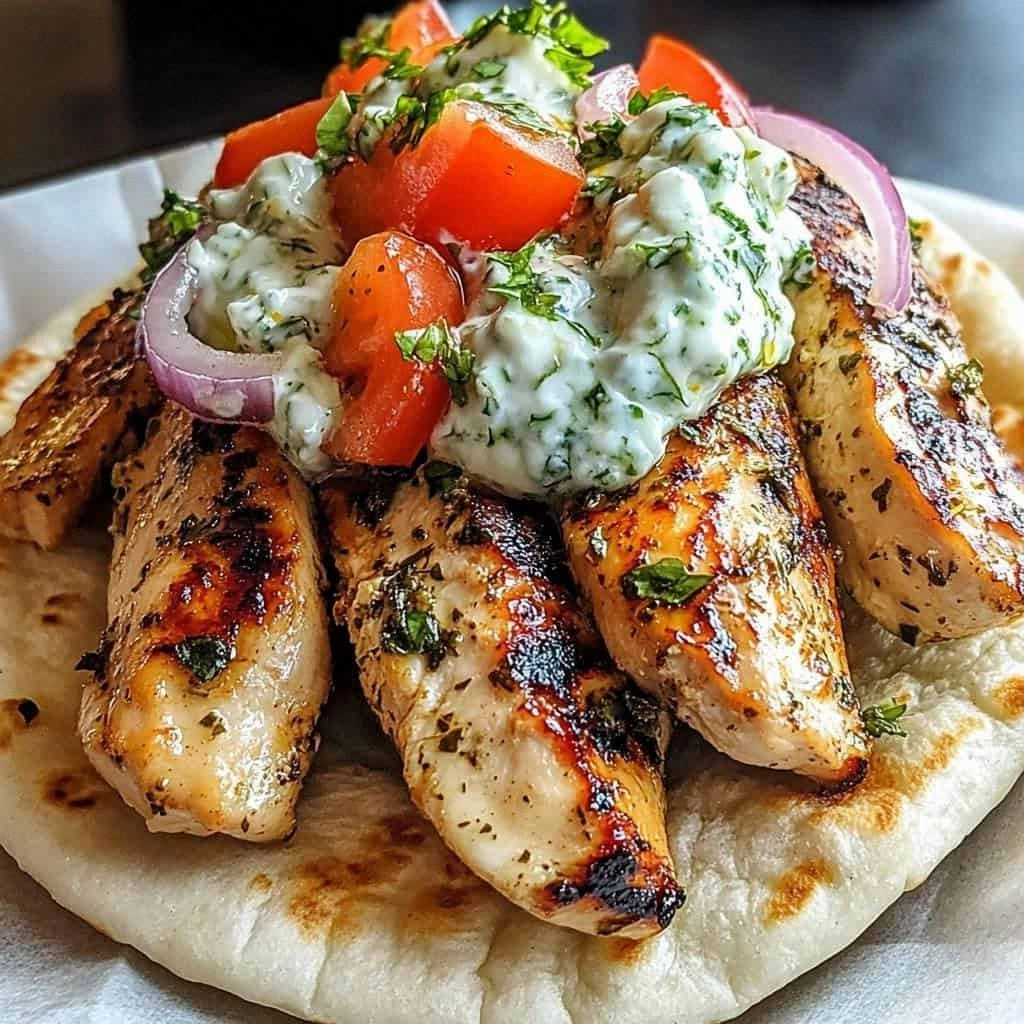
I still remember the exact moment my Greek chicken gyros obsession began. It was a sweltering Tuesday afternoon, I was supposed to be meal-prepping something sensible like quinoa salad, but my stomach staged a full-blown rebellion. The craving hit like a freight train—tender, herb-speckled chicken wrapped in pillowy pita, cool yogurt sauce dripping down my wrist, tomatoes so ripe they tasted like sunshine. Thirty minutes later I was elbow-deep in raw chicken, lemon juice stinging a paper cut I didn't know existed, and my kitchen smelled like a taverna on the island of Mykonos. By the time the first batch hit the hot skillet, that sizzle sounded like a standing ovation. I ate three gyros standing at the counter before I even thought about plating. My roommates walked in, took one whiff, and suddenly we were hosting an impromptu Tuesday night feast that lasted until the last pita crumb disappeared.
Here's the thing: most homemade gyros taste like sad, dry chicken wrapped in store-bought cardboard. They skip the marinade because "who has time," use boneless chicken breast because "it's healthier," and wonder why the result tastes like a bland protein wrap you'd regret-buy at the airport. This version? It's the polar opposite. We're talking about chicken thighs that have soaked up so much garlicky, lemon-herb goodness they practically glow. A yogurt sauce so thick and cooling you'll want to bathe in it. And the spices—oregano, thyme, rosemary—transport you straight to a sun-drenched Mediterranean hillside. I dare you to taste this and not go back for seconds. Actually, I double-dog dare you, because I personally have never succeeded.
After a year of tinkering, testing, and force-feeding friends (they requested it—honest), I've landed on what I firmly believe is the ultimate Greek chicken gyro recipe. The kind that makes you close your eyes after the first bite, the kind that ruins all other gyros for you forever. Picture yourself pulling this out of the oven, the whole kitchen smelling like a Greek grandmother's secret recipe book exploded in the best possible way. Stay with me here—this is worth it.
Let me walk you through every single step—by the end, you'll wonder how you ever made it any other way.
What Makes This Version Stand Out
- Flavor Bomb Marinade: While other recipes give chicken a 15-minute dip, we let it lounge for at least two hours (overnight if you're smart) in a mix of olive oil, red wine vinegar, fresh lemon, garlic, and a mountain of herbs. The acid tenderizes, the oil carries flavor, and the herbs bloom until every fiber is saturated.
- Thigh-Only Policy: Breast meat dries out faster than gossip spreads at book club. Thighs stay juicy, forgive overcooking, and have enough fat to stay succulent even under high heat. Once you go thigh, you never go back.
- Two-Stage Cooking Magic: We sear first for those caramelized edges that shatter like thin ice, then finish gently so the inside stays cloud-soft. It's the best of both worlds—textural contrast that'll make you weep.
- Restaurant-Worthy Tzatziki: Most recipes treat sauce as an afterthought. Not here. We grate cucumber, salt it to draw out water, then fold it into thick Greek yogurt with enough garlic to ward off vampires and dill so fresh it still holds morning dew.
- Pita That Actually Matters: We'll warm it just right so it flexes without tearing, and give you the option to brush with olive oil and herbs for the final flourish. Because nobody—nobody—wants a gyro that explodes on first bite.
- Make-Ahead Friendly: Marinade on Sunday, cook on Wednesday. Sauce keeps four days. Chicken reheats like a dream. Which means you can have restaurant-quality gyros on a random Wednesday night in under ten minutes.
Alright, let's break down exactly what goes into this masterpiece...
Inside the Ingredient List
The Flavor Base
Olive oil isn't just fat here—it's the flavor Uber, carrying garlic, oregano, and lemon into every chicken crevice. Use the good stuff, something grassy and peppery that makes you cough slightly when you sniff it straight from the bottle. Red wine vinegar adds that sharp, winey tang that makes your mouth water before you even take a bite. Skip it and the marinade falls flat, like a joke without a punchline. Fresh lemon juice is non-negotiable; the bottled stuff tastes like furniture polish and will haunt your dreams.
Garlic is the aromatic backbone—four cloves minimum, but I won't judge if you accidentally drop in six. Mince it fine so it disperses evenly; nobody wants a rogue chunk that nukes your palate. Dried oregano is the Greek flag planted squarely in your dish—rub it between your palms to wake up the oils. Thyme and rosemary join the party for woodsy, piney notes that smell like you dragged the chicken through a Mediterranean forest. Cumin and smoked paprika are the secret handshake—tiny amounts that whisper rather than shout, adding depth that'll have people asking, "What's that amazing flavor I can't place?"
The Texture Crew
Boneless, skinless chicken thighs are the unsung heroes of weeknight dinners. They come already trimmed, cook quickly, and stay juicy even if you get distracted by a group text drama. Cut them into 1-inch pieces—big enough to stay moist, small enough to char on all sides. If you can only find bone-in, buy them anyway; the five minutes of trimming is worth the flavor payoff. Red pepper flakes are optional, but a quarter teaspoon gives a gentle warmth that blooms slowly, like sunset over the Aegean.
Salt is the great amplifier—without it, all those beautiful herbs taste like dusty library books. Be generous; most will be left behind in the marinade anyway. Freshly ground black pepper adds floral heat and tiny pops of texture that keep each bite interesting. You need less than you think, but more than a few lazy grinds. Go until it smells peppery when you stick your nose over the bowl.
The Unexpected Star
Plain Greek yogurt isn't just for the sauce—if you're feeling wild, whisk a tablespoon into the marinade. The lactic acid works with the vinegar to tenderize, plus it helps the herbs stick like microscopic Velcro. Full-fat yogurt gives the tzatziki luxurious body that coats vegetables like velvet. Low-fat works if you're counting calories, but you'll need to drain it longer or risk watery sauce. Whichever you choose, buy the freshest tub you can find; sour yogurt makes sad sauce.
Cucumber for tzatziki needs to be seeded and grated, then salted and squeezed until it resembles green confetti. This prevents your sauce from becoming cucumber soup on day two. English cucumbers are less seedy, but regular ones work if you scrape out the watery core. Some recipes call for dill, others for mint; I say use both if you have them, but dill is the non-negotiable. It tastes like summer grass and sunshine distilled into feathery fronds.
The Final Flourish
Pita bread should be soft and pliable, not the brittle disks that shatter into sad shards. Warm them wrapped in foil in a low oven, or quickly over a gas flame until they puff like blowfish. If you're feeling fancy, brush with olive oil, sprinkle with dried oregano and a whisper of salt, then griddle briefly. Red onion adds sharp crunch that cuts through rich chicken; slice it paper-thin and soak in ice water for ten minutes to tame the bite. Tomatoes should be ripe enough that their juices run down your wrist—anything less is a waste of time.
Everything's prepped? Good. Let's get into the real action...
The Method — Step by Step
- Whisk together olive oil, red wine vinegar, lemon juice, minced garlic, oregano, thyme, rosemary, cumin, smoked paprika, red pepper flakes, salt, and pepper in a bowl large enough to hold the chicken. The mixture should look like liquid sunshine flecked with green confetti. Taste it—yes, taste the raw marinade. It should punch you in the face with garlic and herbs, then soothe you with oil. If it doesn't make you mutter involuntarily, add more salt or lemon until it sings. This is your flavor foundation; weak marinade equals weak gyros.
- Add the chicken pieces and toss until every cube is glossy and coated. Use your hands—yes, they'll smell like a Greek deli for hours, but gloves rob you of tactile feedback. You want to massage the marinade into the meat like you're kneading stress out of a friend's shoulders. Cover with plastic wrap pressed directly onto the surface to prevent garlic breath in your fridge. Refrigerate at least two hours, preferably overnight. During this time the acid relaxes muscle fibers, the salt seasons from within, and the herbs throw a flavor party that permeates every bite.
- While the chicken marinates, make the tzatziki. Grate the cucumber on the large holes of a box grater into a bowl. Sprinkle with a generous pinch of salt, toss, and let sit ten minutes. The salt draws out water like a magnet—this prevents watery sauce. Grab handfuls of grated cucumber and squeeze over the sink until no more liquid drips. You should end up with a dry, fluffy pile that looks like green cotton candy. Mix with Greek yogurt, minced garlic, lemon juice, olive oil, and dill. Taste and adjust salt—it should be bright, creamy, and garlicky enough to make your tongue tingle.
- Heat a heavy skillet (cast iron if you've got it) over medium-high until a drop of water skitters across like a hyperactive beetle. Add a thin film of oil—just enough to shimmer, not pool. Working in batches, add chicken in a single layer with space between pieces. If you crowd the pan, the chicken steams and you'll miss the Maillard magic. Let it cook undisturbed for three minutes. This is the moment of truth. When the edges turn opaque and the bottom is mahogany-brown, flip and cook another two minutes.
- Reduce heat to medium and continue cooking, stirring occasionally, until the chicken is cooked through and the juices run clear. Total time should be about eight minutes per batch. The largest piece should read 165°F if you're a thermometer person, but I judge by feel—firm with a tiny bounce. Transfer to a plate and tent loosely with foil while you cook the remaining chicken. Don't rinse the pan between batches; those browned bits are flavor gold.
- Warm the pita. You have options here: wrap in foil and pop in a 350°F oven for ten minutes, or char directly over a gas burner using tongs until it puffs and blisters. The oven method is gentle and foolproof; the burner method gives you leopard spots and a smoky edge. Whichever you choose, keep them wrapped in a clean kitchen towel so they stay supple. Cold pita tears and ruins the gyro experience faster than you can say "opa."
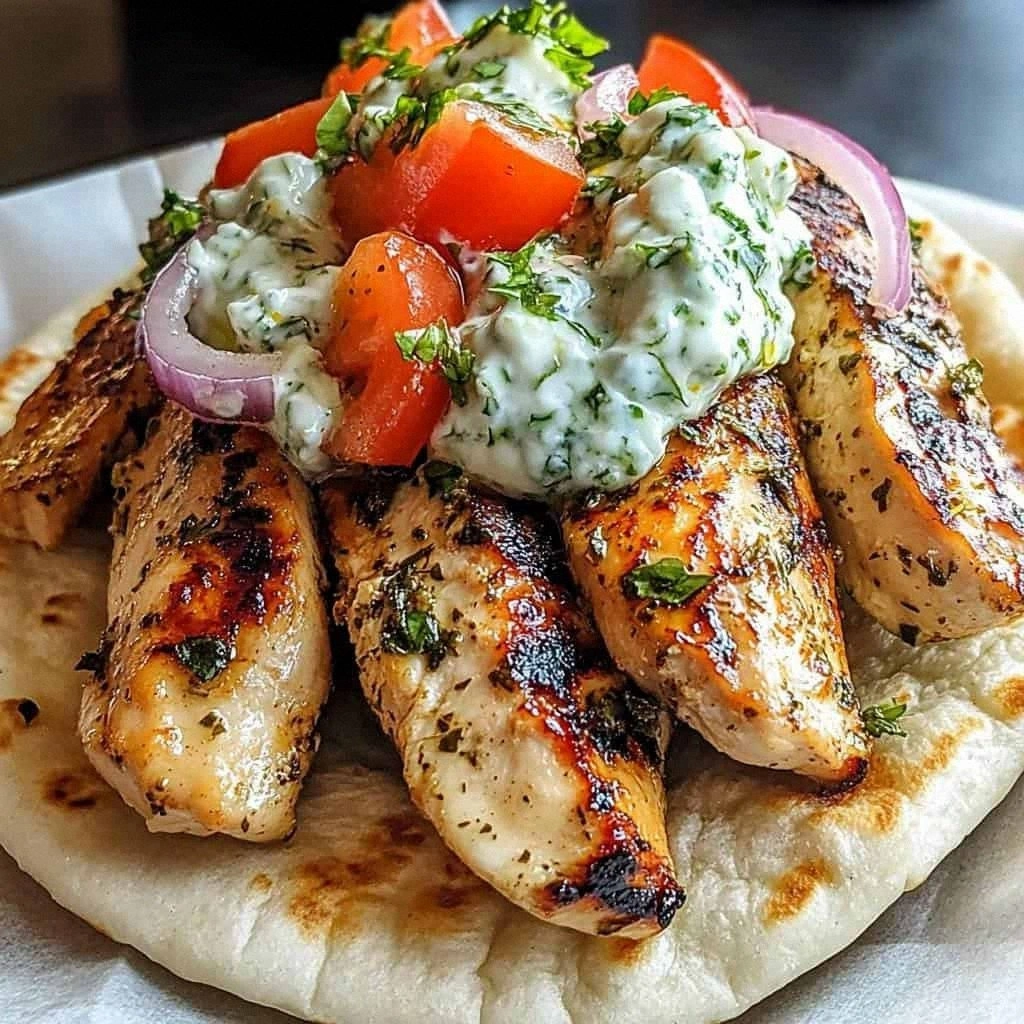
- Assemble with abandon. Lay a warm pita on a plate. Slather with tzatziki—don't be stingy, this is the cooling counterpoint to spicy chicken. Pile on chicken, then top with tomatoes, onions, and any extras your heart desires. A final drizzle of olive oil and a shower of fresh dill never hurt anyone. Fold the bottom up, then roll tightly like you're swaddling a delicious baby. Serve immediately, preferably with a cold beer and zero regrets.
That's it—you did it. But hold on, I've got a few more tricks that'll take this to another level...
Insider Tricks for Flawless Results
The Temperature Rule Nobody Follows
Chicken thighs forgive more than breasts, but they still have a sweet spot. Pull them off the heat when they're just done, not a second longer. Overcooked thighs get stringy like old chewing gum. Undercooked ones make you regret your life choices. The best test: press with your finger—firm with slight spring means perfect. If it feels mushy, keep cooking. If it feels rock-hard, you've gone too far and there's no coming back. Better to err on the side of juicy and slice thin than to serve poultry-flavored shoe leather.
Why Your Nose Knows Best
Don't trust timers blindly. Your nose is the most underused kitchen tool. When the garlic in the marinade hits hot metal, it should smell toasty and inviting, not acrid and burned. If you catch a whiff of bitterness, lower the heat immediately and stir. Conversely, if after three minutes you don't smell browning meat, bump the heat up. This sensory feedback loop separates good cooks from recipe robots. Trust the aroma—it'll guide you better than any app.
The 5-Minute Rest That Changes Everything
After cooking, let the chicken rest on a plate, loosely tented, for five minutes. During this pause, juices redistribute instead of flooding your cutting board. This rest also lets carryover heat finish any slightly underdone pieces. A friend tried skipping this step once—let's just say it ended with dry meat and a lot of tzatziki band-aids. Patience, grasshopper. Good things come to those who wait.
Pita Insurance Policy
Even the best pita can tear when overfilled. Warm two per person and stack them. If one breaks, you've got backup. Plus, double layers soak up juices without disintegrating. It's like wearing two pairs of socks in winter—cozy and smart. And if you end up with extra, cut into wedges, brush with olive oil, season with za'atar, and bake for homemade pita chips that vanish faster than free concert tickets.
Creative Twists and Variations
This recipe is a playground. Here are some of my favorite ways to switch things up:
The Spicy Souvlaki Remix
Swap smoked paprika for hot paprika and double the red pepper flakes. Add a pinch of cayenne to the tzatziki and finish with sliced jalapeños. It's the Greek-Mexican fusion you didn't know you needed. Perfect for friends who think regular gyros are "too mild." Serve with an ice-cold Modelo and prepare for happy tears.
Low-Carb Lettuce Wrap
Replace pita with crisp romaine hearts or butter lettuce cups. The crunch adds a refreshing contrast, and you can pile on extra chicken without carb guilt. Add diced avocado for creaminess and a squeeze of lime for brightness. It's like a Greek taco salad you can eat with your hands—no fork required.
Vegetarian Halloumi Hack
Substitute thick slabs of halloumi cheese for chicken. Marinate it the same way, then sear until golden and squeaky. The salty, meaty cheese satisfies carnivores and vegetarians alike. Add roasted red peppers and a handful of arugula for peppery bite. Even my steak-loving cousin requests this version.
Meal-Prep Power Bowl
Skip the wrap entirely. Layer warm rice, chopped romaine, chicken, tomatoes, onions, olives, and a big dollop of tzatziki. Drizzle with the boiled marinade for a grain bowl that eats like a deconstructed gyro. It reheats beautifully and travels well for office lunches that make coworkers jealous.
Breakfast of Champions
Stuff the chicken and tzatziki into a warm pita with a fried egg and a handful of baby spinach. The runny yolk mingles with the yogurt sauce, creating a rich, tangy river of deliciousness. Add a slice of feta and a crack of black pepper. It's the breakfast sandwich that makes getting out of bed worthwhile.
Grilled Party Skewers
Thread marinated chicken onto soaked wooden skewers with cherry tomatoes and red onion wedges. Grill until charred and serve with tzatziki for dipping. They're handheld, mess-free, and disappear faster than you can grill the next batch. Perfect for cookouts where you want to impress without stress.
Storing and Bringing It Back to Life
Fridge Storage
Store cooked chicken in an airtight container with a spoonful of the cooking juices to keep it moist. It'll stay juicy for up to four days. Tzatziki keeps separately for five days, but give it a good stir before serving as cucumber water may separate. Pita should live at room temperature in a zip-top bag; refrigeration makes it stale and brittle like ancient parchment. If you assembled extra gyros, wrap each in foil and refrigerate; reheat in a 350°F oven for ten minutes until warmed through.
Freezer Friendly
Freeze chicken in a single layer on a sheet pan, then transfer to a freezer bag. This prevents clumping so you can grab exactly what you need. It keeps for three months without quality loss. Thaw overnight in the fridge, then reheat gently with a splash of chicken stock to restore moisture. Do not freeze tzatziki—cucumber cell walls rupture and you'll end up with watery sadness. Make it fresh; it takes five minutes and tastes like summer.
Best Reheating Method
Add a tiny splash of water to the chicken before reheating—it steams back to perfection. Microwave on 70% power in 30-second bursts, stirring between each. For best texture, reheat in a covered skillet over low heat with a tablespoon of water. The gentle steam restores juiciness without drying edges. Add a fresh schmear of tzatziki and you'd never guess it was yesterday's dinner.