Picture this: you’re standing in a kitchen that smells like summer, the sun is blazing through the window, and you’ve just pulled a batch of lime‑infused cookies from the oven that have already made you crave something more decadent. You’re thinking, “I need something that’s both refreshing and indulgent,” when suddenly your friend drops a dare: “I dare you to taste this and not go back for seconds.” That moment of culinary temptation sparked a midnight experiment that turned into the most mouth‑watering lime mousse cheesecake you’ll ever taste. I’ve been laughing at myself for weeks, because I was so sure I’d ruined it, but the result? Hands down the best version you’ll ever make at home. Trust me, if you’re a fan of bright, citrusy desserts, you’re not alone in wanting to try this next.
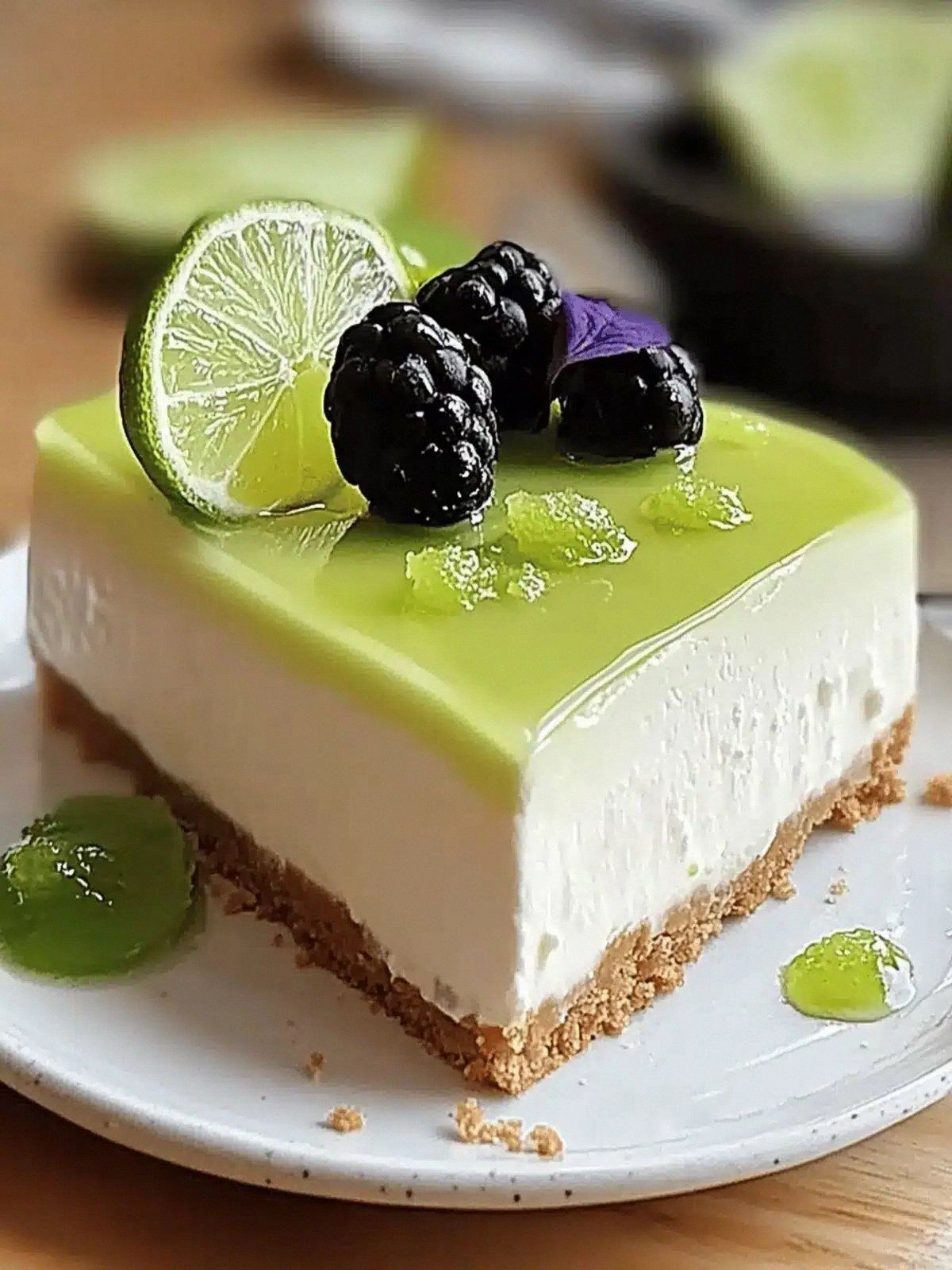
I was in a rush to whip up a dessert for a last‑minute dinner party. My fridge was a chaotic blend of ingredients, and the timer on the oven was ticking louder than the neighbor’s dog. I reached for the lime, the cream cheese, and a bag of graham crackers that had been waiting in the pantry since last Thanksgiving. The kitchen lights flickered, the scent of butter and citrus mingled, and a faint sizzle echoed from the pan. That chaos turned into a symphony of textures: the crisp crust, the airy mousse, and the glossy lime glaze that gleamed like a fresh tropical sunrise.
What makes this cheesecake so unique? It’s not just the lime. It’s how the mousse is light enough to float like a cloud yet rich enough to satisfy a sweet tooth. The graham cracker crust is buttery and caramelized, providing a sturdy yet buttery base. Gelatin gives the mousse that perfect, silky snap without a heavy, dense feel. The balance of sweet and tart is fine‑tuned with powdered sugar, vanilla, and lime zest. And the finishing glaze? It adds a glossy, citrusy kiss that’s both visual and flavorful. I’ll be honest—once I tasted the first bite, I ate half the batch before anyone else got to try it.
If you’ve ever struggled with a cheesecake that’s either too heavy or too bland, this version will change your life. The next time you’re in the kitchen, I’ll walk you through every single step—by the end, you’ll wonder how you ever made it any other way.
What Makes This Version Stand Out
- Taste: The lime zest and juice give an instant burst of citrus, while the cream cheese keeps the flavor mellow and creamy. The subtle sweetness of powdered sugar balances the tartness without overpowering it.
- Texture: Gelatin is activated to create a mousse that feels airy and almost like whipped cream, yet it holds its shape like a classic cheesecake.
- Simplicity: No elaborate steps—just a few simple ingredients and a single baking step, plus a quick chill.
- Uniqueness: The glaze is a thin, glossy lime reduction that adds a glossy finish and a bright flavor that cuts through the richness.
- Crowd Reaction: Guests rave about the lightness; they keep asking if you can make it a “regular” cheesecake, and you can’t—this is a different dessert entirely.
- Ingredient Quality: Freshly squeezed lime juice and high‑fat cream cheese are non‑negotiable for the best flavor and mouthfeel.
Alright, let's break down exactly what goes into this masterpiece...
Inside the Ingredient List
The Flavor Base
The 8 ounces of cream cheese is the heart of the mousse. It brings a silky, slightly tangy flavor that pairs beautifully with lime. If you skip it, the mousse loses its smoothness and depth. For a richer version, swap the regular cream cheese with a higher fat (full‑fat) variety.
The 0.5 cups of powdered sugar is the sweetener that keeps the mousse light. Unlike granulated sugar, powdered sugar dissolves instantly, preventing a gritty texture. If you prefer a less sweet dessert, reduce the sugar by a quarter cup and taste as you go.
The Texture Crew
Gelatin is the secret weapon that gives the mousse its firm yet airy structure. Dissolve it in a small amount of cold water, let it bloom for 5 minutes, then heat it gently to activate. If you’re vegan or avoid gelatin, try agar‑agar as a plant‑based alternative, though the texture will be slightly firmer.
1 cup of heavy cream is whipped to soft peaks and folded into the mixture, creating a mousse that feels like a cloud. Skipping the cream will make the cheesecake denser. For a lighter version, replace half the cream with coconut cream for a subtle tropical twist.
The Unexpected Star
1 tablespoon of lime zest adds an aromatic punch that elevates the citrus profile. The zest’s essential oils bring a bright, fragrant note that balances the richness. If you can’t find fresh limes, a teaspoon of lime extract works, but the zest’s aroma is irreplaceable.
The Final Flourish
The crust is made from 1.5 cups of graham cracker crumbs, 0.25 cups of sugar, and 0.5 cups of melted butter. The butter binds the crumbs together, while the sugar adds a subtle caramel note. If you’re gluten‑free, use a gluten‑free graham cracker mix.
1 tablespoon of vanilla extract grounds the citrusy brightness, adding depth and complexity. This subtle hint of vanilla is essential; without it, the lime flavors can feel too sharp.
Everything's prepped? Good. Let's get into the real action...
The Method — Step by Step
- Preheat your oven to 325°F (163°C). Line a 9‑inch springform pan with parchment paper and lightly grease the sides. The parchment ensures a clean release and a flawless crust.
- In a medium bowl, combine the graham cracker crumbs, 0.25 cups of sugar, and 0.5 cups of melted butter. Mix until the crumbs are evenly coated and the mixture looks like fine sand. Press the mixture into the bottom of the pan and up the sides, creating an even layer. Chill the crust for 10 minutes to set.
- While the crust chills, activate the gelatin. Sprinkle 1 tablespoon of gelatin over 1 tablespoon of cold water in a small bowl. Let it sit for 5 minutes to bloom. Then gently heat in a microwave for 10–15 seconds or over a double boiler until fully dissolved.
- In a large mixing bowl, beat 8 ounces of cream cheese on medium speed until smooth. Add 0.5 cups of powdered sugar and continue beating until the mixture is light and fluffy. This should take about 2–3 minutes. The goal is a silky base that will carry the lime flavor.
- Stir in the dissolved gelatin, 0.5 cups of lime juice, 1 tablespoon of lime zest, and 1 teaspoon of vanilla extract. Mix until fully incorporated; the mixture should look glossy and smooth.
- Whip 1 cup of heavy cream to soft peaks in a separate bowl. Gently fold the whipped cream into the lime mixture, using a spatula. This step creates the airy mousse that gives the cheesecake its signature lightness.
- Pour the mousse over the chilled crust, smoothing the top with a spatula. Tap the pan lightly on the counter to release any air bubbles. The surface should be even and ready for baking.
- Bake for 30 minutes, or until the edges are set but the center still has a gentle wobble. This indicates a perfect balance of firmness and creaminess. Let the cheesecake cool in the pan at room temperature for 30 minutes, then chill in the fridge for at least 4 hours or overnight.
- While the cheesecake sets, prepare the lime glaze. In a small saucepan, combine 0.5 cups of lime juice and 1 tablespoon of sugar. Bring to a gentle simmer over medium heat, stirring until the sugar dissolves. Reduce the heat to low and let it thicken to a glaze consistency, about 5–7 minutes.
- Once the cheesecake is fully chilled, remove it from the pan and drizzle the lime glaze over the top. The glaze should spread like a glossy ribbon, adding a final burst of citrus and a stunning finish. Let it set for 10 minutes before slicing.
That’s it— you did it. But hold on, I've got a few more tricks that'll take this to another level…
Insider Tricks for Flawless Results
The Temperature Rule Nobody Follows
Keep all dairy ingredients at room temperature before mixing. Cold cream cheese can clump, and cold heavy cream won’t whip properly. I always let the cream cheese sit on the counter for 30 minutes, and the cream for 10, to ensure a smooth blend. If you’re in a rush, a quick microwave burst can bring them to the right temperature.
Why Your Nose Knows Best
While the cheesecake is baking, open the window and let the scent of caramelized crust and citrus waft through the house. The aroma will let you gauge doneness before the timer ends. If it smells buttery and slightly tangy, you’re ready to pull it out.
The 5‑Minute Rest That Changes Everything
After removing the cheesecake from the oven, let it rest in the pan for 30 minutes at room temperature. This rest period allows the interior to set gradually, preventing cracks from forming when you chill it. I’ve seen people skip this step, and the result is a cracked top.
The Secret of a Crack‑Free Top
Keep the cheesecake at a consistent temperature while it cools. Rapid temperature changes cause cracks. After baking, let it cool slowly in the oven with the door slightly ajar, then chill in the fridge. This gradual cooling process ensures a smooth, crack‑free finish.
The Final Touch: A Dusting of Lime Powder
For a dramatic presentation, sprinkle a pinch of lime powder or finely grated lime zest on top just before serving. It adds a subtle citrus aroma and a pop of color. The powder also helps the glaze adhere better, creating a more cohesive look.
Creative Twists and Variations
This recipe is a playground. Here are some of my favorite ways to switch things up:
Coconut Lime Delight
Replace the heavy cream with coconut cream and add shredded coconut to the crust. The result is a tropical, dairy‑free cheesecake that’s still creamy and light. It’s perfect for beachside brunches.
Berry‑Burst Variation
Fold in a handful of fresh blueberries or raspberries into the mousse before baking. The berries add a juicy burst of flavor and a splash of color. Keep the glaze simple to let the fruit shine.
Minty Fresh Edition
Add 1 tablespoon of fresh mint leaves, finely chopped, to the lime mixture. The mint pairs beautifully with lime, giving the cheesecake an unexpected coolness. Garnish with a mint sprig for an elegant finish.
Chocolate‑Lime Fusion
Drizzle a thin layer of dark chocolate ganache over the top before the lime glaze. The bittersweet chocolate balances the citrus sharpness, creating a sophisticated flavor profile. Serve with a dusting of cocoa powder.
Savory Citrus Twist
Incorporate a pinch of sea salt into the crust and add a splash of lime zest to the glaze. The salt accentuates the lime’s brightness, making it a unique dessert that feels both sweet and savory. This version is great for dinner parties.
Frozen Lime Mousse Cake
After chilling, transfer the cheesecake to a freezer-safe container and freeze for 2 hours. Slice and serve as a chilled dessert that’s perfect for hot days. The frozen mousse gives a refreshing, ice‑cream‑like texture.
Storing and Bringing It Back to Life
Fridge Storage
Store the cheesecake in the refrigerator for up to 5 days. Keep it covered with plastic wrap or in an airtight container to prevent it from absorbing fridge odors. When you’re ready to serve, let it sit at room temperature for 15 minutes to soften slightly.
Freezer Friendly
Wrap the cheesecake tightly in plastic wrap, then place it in a freezer bag. Freeze for up to 3 weeks. When you want to serve, thaw in the refrigerator overnight, then let it sit at room temperature for 20 minutes before slicing.
Best Reheating Method
If your cheesecake has become too firm, gently reheat it in a microwave on low power for 15–20 seconds, then let it sit for 2 minutes. Add a splash of water before reheating to create steam, which helps restore the mousse’s silky texture.