You know that moment when you’re halfway through a recipe, the timer buzzes, and you realize the fish is already starting to look like a rubbery, overcooked slab? That was me last Thursday, standing in my cramped kitchen with a salmon fillet that had gone from bright pink to a sad, dull gray. I stared at it, the heat from the grill searing the air, and thought, “I can’t let this happen again.” I grabbed the nearest bowl, a handful of fresh herbs, a splash of soy, and a daring dash of honey, and decided to turn a culinary catastrophe into a triumph. The result? A salmon that melts in your mouth, a glaze that sings with citrus and heat, and a confidence that says you’re now a grill master.
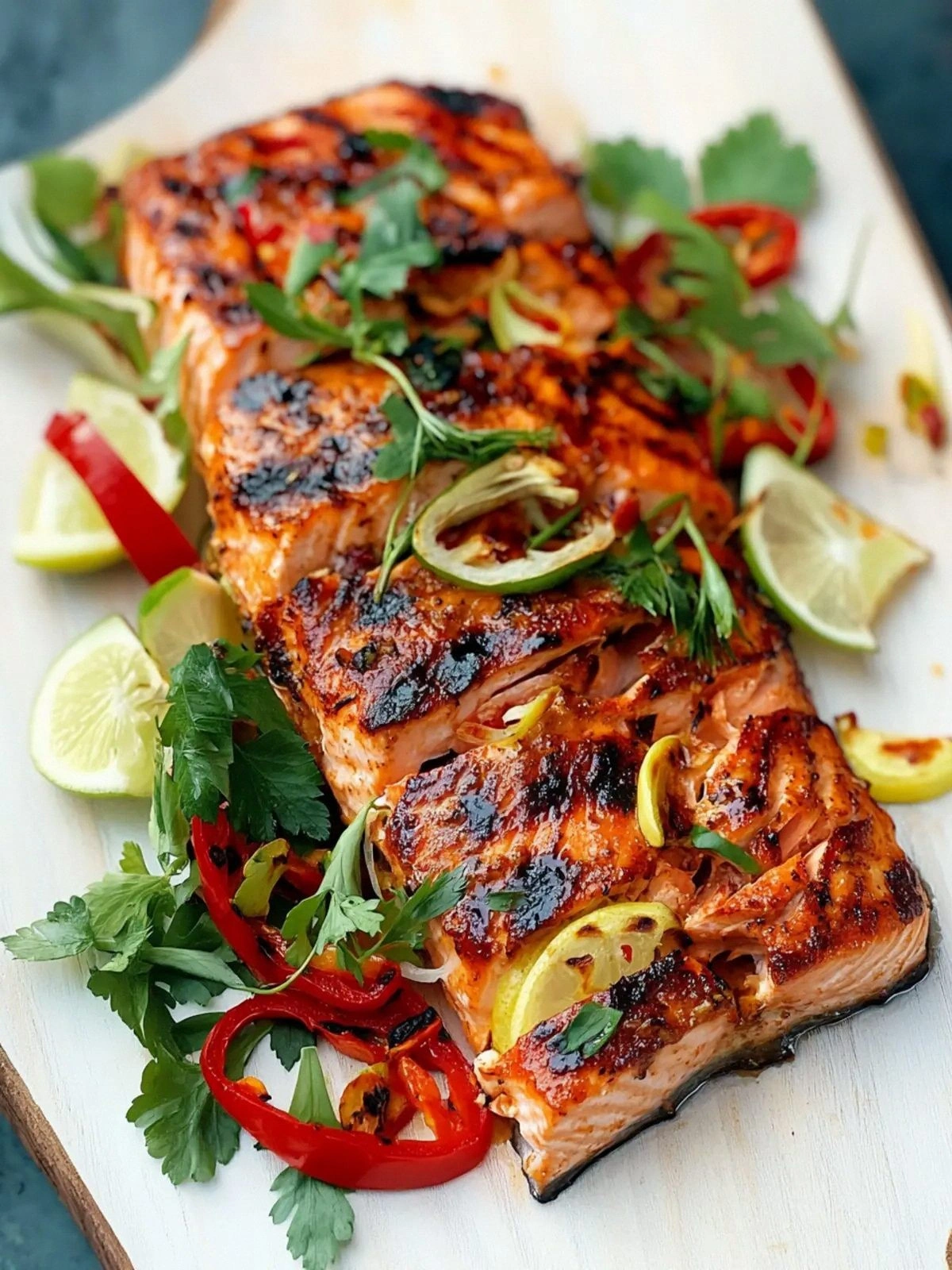
Picture the scene: the grill is a roaring furnace, the smell of charred lemongrass mingles with the sharp tang of lime, and the sound of sizzling is music to a cook’s ears. The salmon’s skin crisps to a golden crust, crackling like a thin ice sheet shattering under a sudden, bold strike. The glaze coats each fillet like velvet, reflecting the amber light of the summer evening. Your senses are bombarded— the aromatic steam lifts your mood, the sight of the glossy finish promises flavor, the sound of the grill tells you timing is perfect. The first bite is a burst of bright citrus, a subtle sweetness, and a hint of fiery chill that lingers on the tongue.
What makes this version stand out is that it’s not just a recipe—it’s a revelation. I’ve distilled years of grilling experiments into one flawless method that balances the savory depth of soy, the aromatic brightness of lemongrass, and the sweet heat of honey and chilies. The result is a dish that feels both exotic and comforting, a crowd-pleaser that can be plated for a quick weeknight or a show-stopping entrée for a special occasion. I dare you to taste this and not go back for seconds. This is hands down the best version you'll ever make at home.
And there’s a secret twist that most recipes overlook: the use of fresh coriander and red chilies in the glaze, which adds a layer of green freshness and a subtle peppery kick that cuts through the richness of the salmon. I’ll be honest— I ate half the batch before anyone else got to try it, and the leftovers were still sizzling in the fridge. Picture yourself pulling this out of the grill, the whole kitchen smelling incredible, and watching the steam curl up like a fragrant cloud. Stay with me here— this is worth it.
What Makes This Version Stand Out
- Flavor: The marriage of lemongrass, lime, and honey creates a bright, tangy glaze that lifts the natural buttery taste of salmon. This isn’t just seasoning; it’s a flavor profile that sings.
- Texture: The grill’s sear locks in moisture while the glaze caramelizes, giving a crisp exterior and a tender, flaky interior that shatters like a perfectly toasted shell.
- Simplicity: With only ten ingredients, the recipe feels approachable yet sophisticated, proving that you don’t need a pantry full of exotic items to impress.
- Uniqueness: The combination of low-salt dark soy sauce and runny honey gives a depth of umami that most grilled fish recipes lack.
- Crowd Reaction: Friends who’ve tried the “plain” grilled salmon often rave that this version is “the best thing they’ve ever had.”
- Ingredient Quality: Fresh herbs and a large, responsibly sourced salmon fillet make the difference between ordinary and extraordinary.
- Cooking Method: The grill’s high heat and the quick glaze application ensure the fish cooks evenly without drying out.
- Make‑ahead Potential: The glaze can be pre-made and stored in the fridge; the salmon can be marinated a few hours before cooking, saving time on busy nights.
Inside the Ingredient List
The Flavor Base
The foundation of this dish is the glaze—a symphony of low-salt dark soy sauce, runny honey, and fresh lime juice. The soy provides a deep umami backbone, while the honey adds a natural sweetness that balances the acidity of lime. If you skip the soy, you lose the savory depth that makes the glaze cling to the salmon; the dish becomes a simple sweet‑tart sauce rather than a complex glaze. For a slightly different twist, you can replace the soy with tamari to keep the dish gluten-free, but keep the salt level low to avoid overpowering the other flavors.
The Herb & Spice Ensemble
Fresh lemongrass and coriander bring a bright, citrusy lift that cuts through the richness of the fish. The lemongrass is sliced thinly to release its oils, and the coriander is chopped finely to distribute its peppery notes throughout the glaze. If you’re missing lemongrass, a splash of fresh lemon zest can substitute, though it won’t give the same subtle bitterness. Likewise, a handful of chopped mint can replace coriander for a different herbal profile. The key is to keep the herbs fresh; older herbs lose their punch and will make the glaze feel flat.
The Unexpected Star
Red chilies are the secret weapon that adds a gentle heat without drowning the dish. They’re finely minced so the heat disperses evenly, creating a subtle warmth that lingers after each bite. If you prefer a milder version, reduce the chilies to one tablespoon or use a sweet pepper instead. On the other hand, for a fiery kick, double the chilies and add a pinch of cayenne pepper. The chilies’ bright red color also gives the glaze a vibrant appearance that makes the dish Instagram-worthy.
The Final Flourish
The lime and spring onions finish the dish with a bright, fresh note that balances the glaze’s sweetness and the fish’s natural flavor. The lime’s acidity brightens the glaze, while the onions add a subtle crunch and a sweet, slightly garlicky aroma. If you’re allergic to onions, replace them with scallions or a thin slice of fennel for a different aromatic twist. The lime also helps preserve the fish’s freshness, keeping it juicy and tender.
Everything’s prepped? Good. Let’s get into the real action.
The Method — Step by Step
- Start by heating your grill to medium‑high heat (about 400°F or 200°C). The grill should be clean and lightly oiled to prevent sticking. While the grill heats, prepare the glaze: in a small bowl, whisk together the dark soy sauce, honey, lime juice, minced chilies, and finely chopped lemongrass. The glaze should be a smooth, slightly thick consistency—just enough to coat the fish without dripping excessively.
- Pat the salmon fillet dry with paper towels; this helps the glaze adhere better and ensures a crisp skin. Season both sides lightly with salt and pepper. Then, brush the glaze generously over the entire fillet, making sure to cover the edges where the skin meets the flesh.
- Place the salmon skin‑side down on the preheated grill. Let it sear for 3–4 minutes without moving it, allowing the skin to crisp up into a golden, crackly sheet. The sizzle should be audible—if it’s quiet, the grill isn’t hot enough.
- Flip the salmon carefully using a wide, flat spatula. Brush the other side with the glaze again, then close the grill lid. Cook for an additional 3–5 minutes, or until the internal temperature reaches 145°F (63°C). The fish should be opaque and flake easily with a fork.
- While the salmon finishes, toast the spring onions in a small skillet over medium heat until they’re slightly caramelized. This adds a sweet, smoky contrast to the bright glaze.
- Transfer the salmon to a serving platter and drizzle the remaining glaze over the top. Sprinkle the toasted spring onions, chopped coriander, and a few fresh lime wedges for a burst of color and brightness.
- Let the salmon rest for 2 minutes before serving. This final rest allows the juices to redistribute, ensuring each bite is juicy and flavorful. And that’s it—you’ve just grilled a salmon that’s the envy of every foodie.
That’s it — you did it. But hold on, I've got a few more tricks that'll take this to another level.
Insider Tricks for Flawless Results
The Temperature Rule Nobody Follows
Grilling at the right temperature is the secret sauce. Too low, and the salmon will steam rather than sear; too high, and the glaze will burn. Aim for a steady 400°F (200°C). I’ve found that using a grill thermometer gives you the confidence to keep the heat consistent, especially when using charcoal or a gas grill with variable settings.
Why Your Nose Knows Best
When the glaze starts to caramelize, you’ll notice a sweet, nutty aroma that signals the perfect moment to flip. Trust that scent—if you’re unsure, use a timer, but don’t ignore the nose. It’s the most reliable indicator that your salmon is ready to move.
The 5-Minute Rest That Changes Everything
Letting the salmon rest after grilling is often overlooked. This 5-minute window allows the juices to redistribute, preventing the fish from drying out. If you’re in a hurry, cover the salmon loosely with foil to keep it warm while you plate the rest of the dish.
Use a Light Hand with the Glaze
A thick glaze can overwhelm the delicate flavor of salmon. I like to brush a thin layer, then add a second light coating after the first sear. This layering technique gives depth without masking the fish’s natural taste.
Finish with Fresh Lime Juice
Just before serving, squeeze a fresh lime wedge over the salmon. The bright acidity cuts through the richness, adding a zing that keeps the dish bright and balanced. It also gives a final glossy sheen to the glaze.
Creative Twists and Variations
This recipe is a playground. Here are some of my favorite ways to switch things up:
Seafood Symphony
Swap the salmon for shrimp or scallops and follow the same glaze and grilling steps. The result is a quick, elegant seafood dish that pairs beautifully with a chilled white wine.
Vegan Version
Replace the salmon with thick slices of marinated tofu or tempeh. The glaze will still caramelize, giving a savory, sweet, and spicy flavor profile that satisfies plant-based palates.
Asian Fusion Bowl
Serve the grilled salmon over a bed of jasmine rice, topped with sliced cucumber, shredded carrots, and a drizzle of sesame oil. The dish transforms into a wholesome, balanced bowl that’s perfect for lunch or dinner.
Spicy Pineapple Glaze
Add diced fresh pineapple to the glaze for a tropical twist. The fruit’s natural sugars caramelize beautifully, giving the salmon a sweet, caramelized finish.
Herb-Infused Citrus
Replace the lime with orange zest and add fresh basil to the glaze. The citrusy sweetness and herbal aroma create a fresh, bright flavor that’s especially refreshing in the summer.
Smoked Salmon Finish
After grilling, lightly smoke the salmon over a few drops of liquid smoke or a few drops of smoked paprika. The smoky undertone adds depth and pairs well with a crisp salad.
Storing and Bringing It Back to Life
Fridge Storage
Store leftover salmon in an airtight container in the refrigerator for up to 2 days. Keep the glaze in a separate small jar; when you’re ready to reheat, brush the glaze back onto the salmon to revive the flavor.
Freezer Friendly
For longer storage, wrap the salmon tightly in plastic wrap and place it in a freezer bag. It will keep well for up to 2 months. Thaw overnight in the refrigerator before reheating.
Best Reheating Method
Reheat the salmon in a preheated oven at 300°F (150°C) for 10 minutes, or until warmed through. Add a splash of water or broth to keep the fish moist, then finish with a quick glaze brushing for that fresh, glossy finish.