Picture this: a kitchen that’s been a battlefield. One night, I tried to make a simple roasted vegetable side and ended up with a charred mess that tasted like burnt rubber. My friend dared me to turn that disaster into something that would make everyone gasp, “I dare you to taste this and not go back for seconds.” I grabbed an acorn squash, a jar of honey, and a stick of butter, and the rest is pure alchemy.
Right before I started, the air was thick with the earthy scent of fresh squash. The vibrant green skin glistened like a fresh coat of paint, the sound of my knife slicing through the flesh was a rhythmic drumbeat, and the anticipation of that first bite felt like a secret held in a pocket. As the squash hit the pan, the sizzle was a promise of caramelization, and the aroma that rose was a gentle hug that made the whole house feel alive.
What makes this version stand out is that it’s not just roasted; it’s a symphony of sweet, buttery, and slightly spicy notes. The honey doesn’t just coat; it forms a glossy glaze that clings to every wedge, turning each bite into a burst of golden sweetness. The butter adds a silky richness that melts into the flesh, while a pinch of salt and pepper lift the flavors without drowning them. This is hands down the best version you'll ever make at home, and I’m about to show you why.
And here’s the kicker: the secret ingredient that most people overlook is a simple technique of turning the squash halfway through roasting. This ensures even caramelization and a perfectly crisp edge that shatters like thin ice when you bite. Let me walk you through every single step — by the end, you’ll wonder how you ever made it any other way.
What Makes This Version Stand Out
Flavor: The honey glaze creates a caramelized sweetness that pairs perfectly with the nutty undertones of the squash, giving each bite a complex flavor profile.
Texture: The squash achieves a tender interior while the edges develop a crisp, almost caramelized crust that adds a satisfying crunch.
Visual Appeal: The glossy sheen of the honey butter glaze turns an ordinary side dish into a showstopper that looks as good as it tastes.
Ease: With just five ingredients and a single pan, this recipe is a breeze to prepare, making it perfect for busy weeknights.
Versatility: Whether you serve it as a side, a light main, or a topping for salads and grain bowls, this dish adapts effortlessly.
Health Factor: The natural sweetness of honey eliminates the need for refined sugars, while the squash provides fiber and vitamins.
Make-Ahead Potential: Once roasted, the squash can be stored and reheated without losing its caramelized edges, making it ideal for meal prep.
Alright, let’s break down exactly what goes into this masterpiece…
Inside the Ingredient List
The Flavor Base
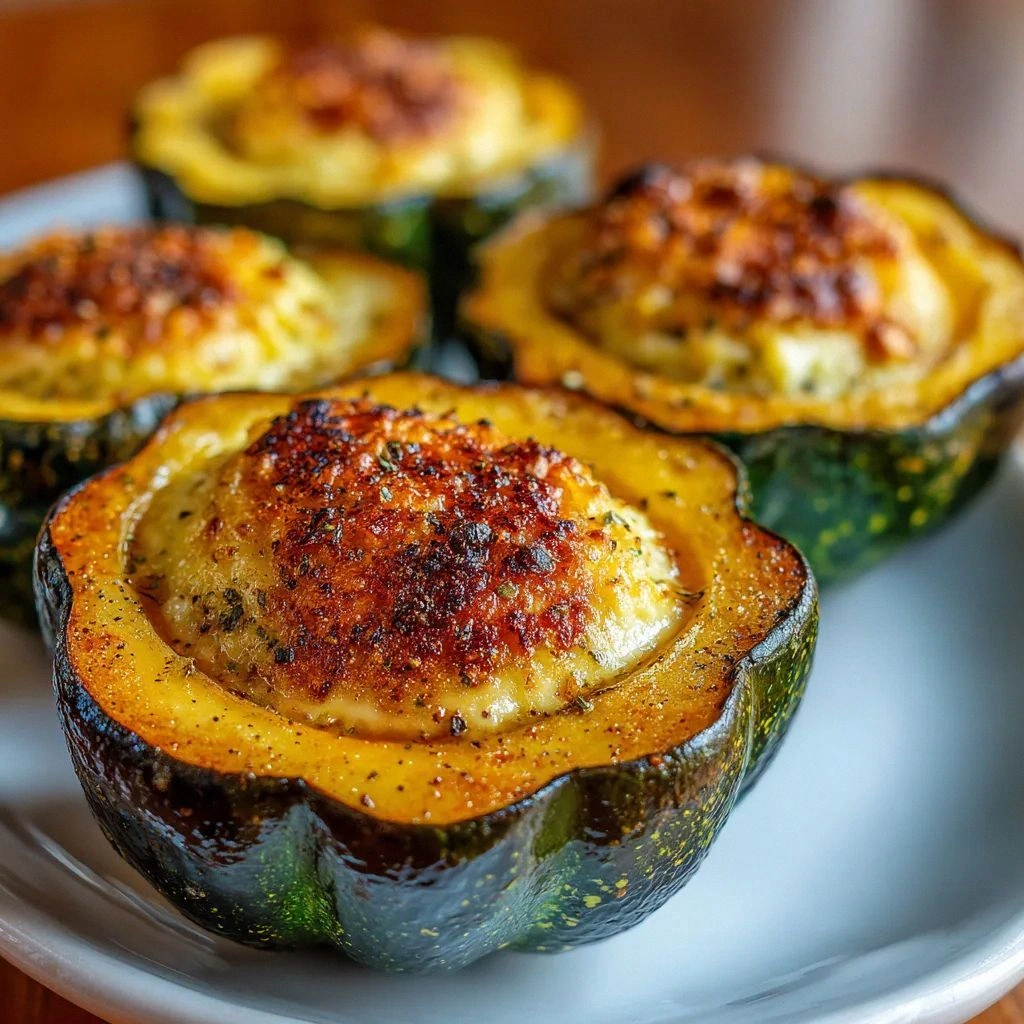
Acorn Squashes: These little gems are sweet and nutty, perfect for roasting. Look for ones that feel heavy for their size and have a rich green color. They’re the canvas that holds the honey butter glaze, absorbing the flavors and becoming tender inside while crisping up on the edges. If you skip the squash, you lose the hearty texture and the natural sweetness that balances the honey.
The Texture Crew
Unsalted Butter: This adds a creamy richness to the dish. Unsalted allows you to control the saltiness, making it a versatile choice. Butter’s fat content helps the honey glaze adhere to the squash and creates a silky mouthfeel. If you omit butter, the glaze will be thinner and the squash will taste flat.
The Unexpected Star
Honey: The star of the show! Honey brings a natural sweetness that complements the squash beautifully. Feel free to use local honey for an extra touch of flavor. Honey also has natural sugars that caramelize, giving the squash that glossy, caramelized finish. If you skip honey, the dish will lack the signature sweet glaze that makes it memorable.
The Final Flourish
Salt & Pepper: A pinch of salt enhances the flavors. You can use sea salt or kosher salt, depending on your preference. Freshly cracked black pepper adds a subtle kick. These seasonings balance the sweetness of the honey and the richness of the butter. If you omit them, the dish will taste bland and one-dimensional.
Everything’s prepped? Good. Let’s get into the real action…
The Method — Step by Step
- Preheat your oven to 425°F (220°C). This high heat is essential for caramelizing the natural sugars in the squash and creating that coveted crisp edge. A preheated oven also ensures even cooking from the first bite.
- Wash the acorn squashes thoroughly, then cut them in half lengthwise. Remove the seeds with a spoon, then slice each half into 1‑inch wedges. The uniform size guarantees that every piece cooks at the same rate.
- Place the wedges on a large baking sheet lined with parchment paper. Drizzle a generous splash of olive oil to help the glaze stick and prevent sticking. Toss lightly so each wedge gets a light coating of oil.
- Season the wedges with 1 pinch of salt and 1 pinch of pepper. The salt brings out the natural sweetness, while the pepper adds a subtle heat that balances the honey. Don’t be shy—season early to allow the flavors to penetrate.
- In a small bowl, whisk together 4 tablespoons of honey with the melted butter until smooth. The honey should be warm enough to mix easily but not hot enough to scorch. This glaze will coat the squash and create that glossy, caramelized finish.
- Pour the honey‑butter glaze over the seasoned wedges and toss until each piece is evenly coated. The glaze should cling to the edges, turning each wedge into a caramelized treasure. This step is the moment of truth—watch the glaze settle.
- Arrange the glazed wedges in a single layer on the baking sheet. Make sure they’re not overlapping; this allows the heat to circulate and the edges to crisp. Roast for 25 minutes, then flip each wedge and roast for an additional 5–7 minutes.
- Remove the squash from the oven and let it rest for 5 minutes. This short rest allows the glaze to set and the flavors to meld. The result is a dish that’s both sweet and savory, with a hint of buttery richness.
- Serve hot, optionally garnishing with a sprinkle of fresh thyme or chopped walnuts for added texture and flavor. The warm aroma will fill your kitchen, making every bite a moment of pure comfort.
That’s it — you did it. But hold on, I’ve got a few more tricks that’ll take this to another level.
Insider Tricks for Flawless Results
The Temperature Rule Nobody Follows
Why oven temperature matters: Many people set their oven to 400°F, but 425°F is the sweet spot for caramelization. The higher heat causes the natural sugars to brown quickly, creating that irresistible golden crust. I once tried 400°F and the squash stayed pale and soggy—lesson learned.
Why Your Nose Knows Best
Smell as a guide: When the squash starts to caramelize, the aroma will shift from sweet to toasted. That scent signals that the glaze is forming a perfect crust. Trust your nose; if it smells like burnt sugar, pull it out immediately.
The 5-Minute Rest That Changes Everything
Why resting matters: A short rest after roasting allows the glaze to set, preventing it from sliding off when you plate. It also lets the flavors meld, making each bite more cohesive. Skipping this step leaves the glaze loose and the texture uneven.
Use a Silicone Spatula for Easy Flipping
Why a silicone spatula: It slides under the wedges without tearing the glaze, ensuring an even flip. A metal spatula can bruise the squash, creating a less appealing texture. I swear by it every time.
Keep a Hand on the Oven Door
Why this matters: Opening the door frequently drops the temperature, causing uneven cooking. If you need to check the glaze, do it quickly—no more than a minute—and close it tight.
Creative Twists and Variations
This recipe is a playground. Here are some of my favorite ways to switch things up:
Spicy Sriracha Glaze
What to swap: Add 1 teaspoon of sriracha to the honey‑butter glaze. The heat pairs wonderfully with the sweetness, creating a bold flavor profile. Great for those who like a kick.
Maple‑Infused Sweetness
What to swap: Replace half the honey with pure maple syrup. The maple brings a deeper, caramel-like sweetness that complements the squash’s nutty undertones. Ideal for a fall-inspired dish.
Herb‑Infused Variation
What to swap: Add 1 tablespoon of chopped rosemary or thyme to the glaze. The herbs infuse the squash with aromatic depth, making it a standout side for holiday dinners.
Vegan Version
What to swap: Use coconut oil instead of butter and a plant‑based honey alternative. The result is a creamy, sweet glaze that’s entirely plant‑based, perfect for vegan guests.
Crunchy Walnut Topping
What to add: Sprinkle toasted walnuts over the finished squash. The nutty crunch adds texture and a protein boost, turning the dish into a hearty main.
Smoky Chipotle Twist
What to swap: Add a pinch of chipotle powder to the glaze for a smoky, earthy flavor. This variation is excellent with grilled meats or as a vegetarian entrée.
Storing and Bringing It Back to Life
Fridge Storage
How long: Store in an airtight container for up to 4 days. The glaze may thicken slightly, but it will still taste delicious when reheated.
Freezer Friendly
How to freeze: Wrap the roasted wedges individually in parchment paper, then place them in a freezer bag. They’ll keep for up to 3 months. Reheat directly from frozen for best texture.
Best Reheating Method
How to reheat: Warm in a 350°F oven for 10 minutes, or in a skillet over medium heat for 3 minutes per side. Add a splash of water before reheating; it steams the squash back to perfection, restoring the glaze’s shine.