Picture this: I was scrambling to salvage a dinner that had gone sideways, and the only thing that could rescue the night was a pan, a bag of ground beef, and a head of cabbage. The kitchen was a mess of burnt onions, a splattered sauce, and a clock that seemed to be mocking me. I stared at the stove, feeling the heat of frustration rise like the steam from the pot, and decided that if I could just get something sizzling, something comforting, something that would make the whole house smell like a cozy Sunday evening, then the disaster would be a distant memory. That moment of desperation turned into a revelation: a quick, one-pan dish that could turn even the most chaotic kitchen into a place of culinary triumph. I was about to discover the ultimate version of a humble beef and cabbage skillet that would make my taste buds do a happy dance.
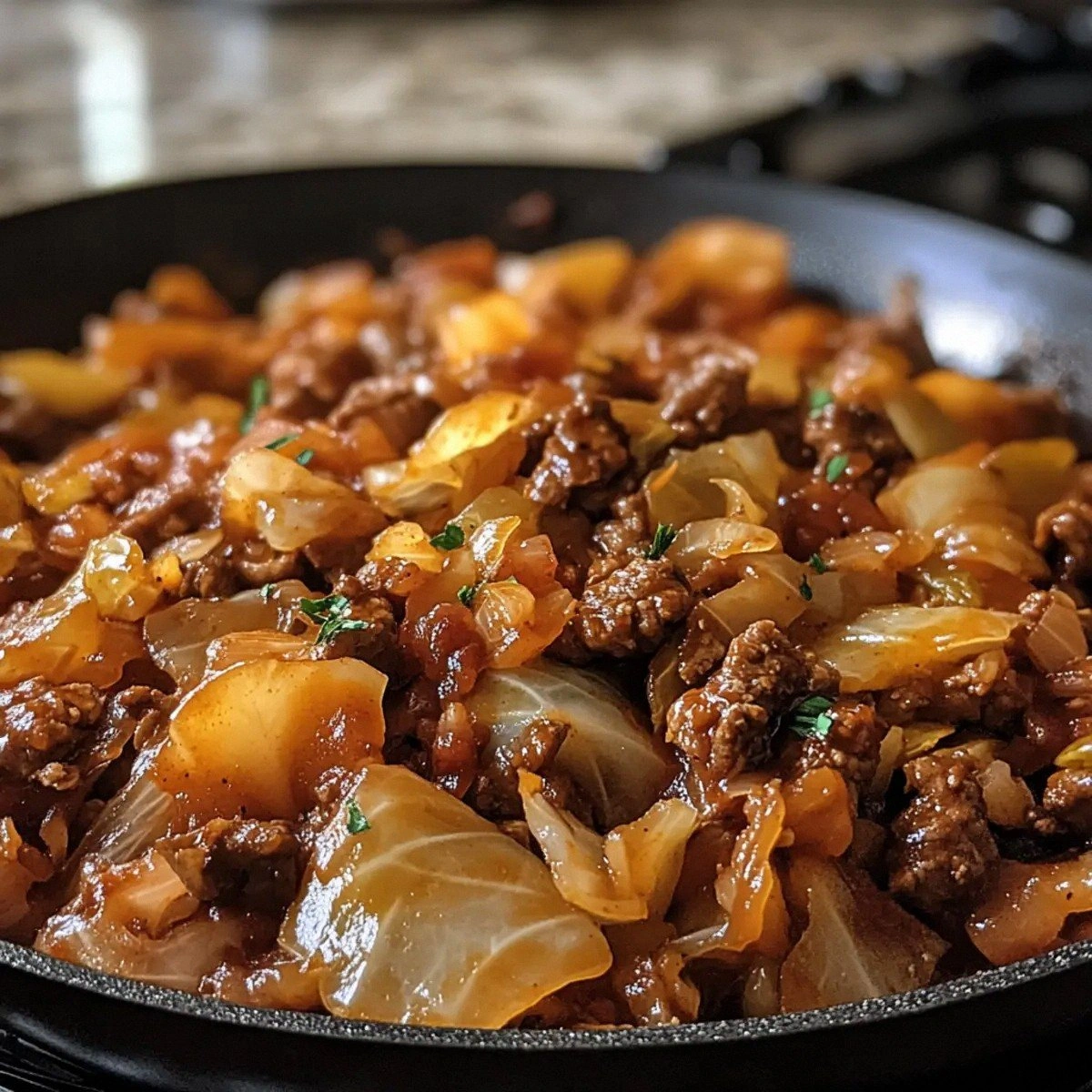
When the first sizzle hit the skillet, it sounded like a triumphant drum roll, and the aroma that followed was a heady mix of caramelized onions and smoky paprika that made my mouth water even before the first bite. I could taste the richness of the beef, the slight bitterness of the cabbage, and the sweet tang of tomato paste all mingling together in a symphony that felt both simple and sophisticated. The texture was a delightful contrast: tender, juicy meat against crisp, slightly wilted cabbage that still held its bite, and the olive oil that coated everything like a silky coat of velvet. I could feel the heat radiate from the pan, the gentle clink of the metal, and the comforting hum of the stove in the background. In that instant, the kitchen became a stage, and I was the chef ready to perform a culinary masterpiece.
What makes this version stand out is that it’s not just a recipe; it’s a promise of flavor, texture, and ease that most other versions miss. The combination of smoked paprika and tomato paste gives it a depth of flavor that feels like a warm hug, while the fresh parsley adds a bright, herbal note that cuts through the richness. The cooking method is deliberately simple: brown the beef, sauté the aromatics, and then let the cabbage do its thing, all in one pan so cleanup is a breeze. I dare you to taste this and not go back for seconds because the flavors are so addictive that you’ll find yourself reaching for the skillet again before the first bite is finished. And the best part? It’s hands down the best version you'll ever make at home because it balances boldness with comfort, making every bite a reminder of why cooking should be fun.
But there’s a twist that most people overlook: using a splash of beef broth early in the cooking process not only keeps the meat moist but also creates a subtle sauce that clings to the cabbage like a gentle fog. This little trick transforms an ordinary skillet into a dish that feels like a hearty stew without the extra steps. If you’re ready for the game‑changer, I’ll walk you through every single step — by the end, you’ll wonder how you ever made it any other way.
What Makes This Version Stand Out
- Taste: The smoky paprika paired with the sweet tomato paste creates a layered flavor profile that feels both comforting and adventurous. The beef’s natural umami is enhanced by the caramelized onions, while the cabbage adds a subtle earthiness that balances the dish perfectly. This combination turns a simple skillet into a gourmet experience.
- Texture: The meat stays tender and juicy, while the cabbage retains a slight crunch that snaps with every bite. The olive oil creates a silky coating, and the broth’s gentle steam keeps everything from drying out. The result is a harmonious blend of soft and crisp textures.
- Simplicity: One pan, one pot, one cleanup. The recipe requires minimal prep and no fancy equipment, making it ideal for busy weeknights or lazy weekends. Even novice cooks can master it with just a few basic techniques.
- Uniqueness: Most beef and cabbage recipes lean toward a heavy, stew‑like consistency. This version keeps the dish bright and light, with a fresh parsley finish that sets it apart from the ordinary. It’s a fresh take on a classic comfort food.
- Crowd Reaction: Friends and family who try this dish often comment that it’s “so good it could replace any fancy dinner.” The bold flavors and satisfying textures make it a crowd‑pleaser that’s hard to resist.
- Ingredient Quality: Using fresh, high‑quality ground beef (80% lean) and crisp cabbage ensures the dish’s flavor is top‑notch. The addition of fresh parsley adds a burst of color and aroma that elevates the overall presentation.
- Cooking Method: The technique of browning the beef first, then sautéing aromatics before adding cabbage and broth, locks in moisture and flavor. This method ensures every bite is packed with taste and texture.
- Make‑ahead Potential: The dish keeps well for up to three days in the fridge, and it even tastes better the next day when the flavors have had time to meld. It’s perfect for meal prep or for those who like to have a ready‑to‑heat dinner.
Alright, let's break down exactly what goes into this masterpiece…
Inside the Ingredient List
The Flavor Base
The foundation of any great skillet is the aromatic base. In this recipe, the onions and garlic are the first to hit the hot pan, releasing a sweet, savory aroma that signals the start of something delicious. The onions, sliced thin, caramelize into golden brown pieces that add a touch of sweetness, while the garlic cloves, minced finely, infuse the oil with a punch of depth. If you skip this step, the dish will feel flat and under‑seasoned; the lack of caramelized onions means you lose the natural sugars that balance the beef’s richness. For a slightly different twist, you can add a pinch of crushed red pepper for heat, or replace the garlic with shallots for a milder, sweeter flavor.
The Texture Crew
Ground beef is the star of the show, but its texture depends heavily on how you handle it. Brown the meat in a hot skillet until it’s a deep, caramelized brown; this creates a crust that locks in juices and adds a savory bite. The cabbage, shredded into 4 cups, provides a crisp, slightly sweet contrast that softens just enough to stay tender without turning mushy. If you use a pre‑shredded bag, be sure to pat it dry; excess moisture will steam the cabbage instead of sautéing it. The olive oil acts as a lubricant, preventing the beef from sticking and adding a silky finish to the dish.
The Unexpected Star
Tomato paste may seem like a small detail, but it’s a flavor powerhouse. When cooked with the paprika, it forms a rich, velvety sauce that clings to every ingredient. The beef broth, a cup of liquid, is crucial for creating a light, flavorful broth that keeps the dish from drying out. If you don’t have beef broth on hand, vegetable broth works, but the flavor will be slightly lighter. The smoked paprika gives the dish a smoky undertone that pairs beautifully with the beef’s natural flavor; it’s the secret to that deep, savory taste that lingers on the palate.
The Final Flourish
Fresh parsley is the final touch that brightens the dish. It adds a fresh, herbal note that cuts through the richness of the beef and the depth of the sauce. The 1/4 cup of parsley is chopped finely, ensuring it blends seamlessly into the skillet. If you’re looking for a different herb, try cilantro for a citrusy twist or basil for a sweeter finish. The parsley also adds a pop of color that makes the dish visually appealing, turning a humble skillet into a vibrant plate.
Everything’s prepped? Good. Let’s get into the real action…
The Method — Step by Step
- Heat the skillet: Place a cast‑iron skillet over medium‑high heat and add the tablespoon of olive oil. The oil should shimmer, but not smoke, indicating the right temperature. When the oil is ready, add the ground beef, breaking it apart with a spatula. The beef should sizzle loudly, a sign that you’re getting that caramelized crust. Let it cook without stirring for 3–4 minutes, then flip it over to brown the other side. This step locks in juices and creates a flavorful base for the rest of the dish.
- Remove excess fat: Once the beef is browned, use a spoon to lift the meat onto a plate and pour off any excess fat, leaving about a tablespoon in the skillet. This prevents the dish from becoming greasy and keeps the flavors bright. Return the skillet to the heat and add the diced onion. Sauté for 2–3 minutes until the onion turns translucent, then add the minced garlic and cook for another minute until fragrant. The garlic should give off a warm aroma that signals the dish is building complexity.
- Add the tomato paste: Stir the tomato paste into the onion and garlic mixture, allowing it to toast for 1–2 minutes. The paste should darken slightly, developing a deeper flavor. This creates a rich base that will coat the beef and cabbage. Keep the heat at medium to avoid burning the paste. The aroma at this stage should be intoxicating, reminiscent of a Sunday roast.
- Introduce the paprika: Sprinkle the smoked paprika over the mixture and stir until it’s evenly distributed. The paprika should coat the onions and beef, giving the dish its signature smoky color and flavor. Let it cook for a minute to release its oils, then add the shredded cabbage. The cabbage should sizzle as it hits the pan, releasing steam that starts to soften its edges.
- Deglaze with broth: Pour in the cup of beef broth, stirring to loosen any browned bits from the bottom of the skillet. These bits are packed with flavor and will enrich the sauce. Bring the mixture to a gentle simmer, then cover the skillet with a lid. The lid traps steam, helping the cabbage cook evenly while maintaining moisture. The simmer should be low enough that the liquid is barely bubbling, preventing the broth from evaporating too quickly.
- Simmer and stir: Let the skillet simmer for 10–12 minutes, stirring occasionally. The cabbage should be tender yet still retain a slight bite, and the sauce should thicken just enough to coat the ingredients. This is the moment of truth—if the cabbage is still crunchy or the sauce is too thin, give it a few more minutes. The aroma at this point should be a savory, smoky perfume that fills the kitchen.
- Finish with parsley: Remove the skillet from heat and stir in the chopped parsley. The fresh herbs add a burst of color and a bright, herbal flavor that lifts the dish. Let the dish rest for a minute so the parsley can release its oils fully. Taste and adjust seasoning with salt and pepper as needed; the broth and paprika should provide a solid baseline.
- Serve immediately: Plate the skillet hot, spooning the sauce over each serving. The dish is best enjoyed fresh, but it also makes an excellent meal prep option for the week. If you’re serving a crowd, consider adding a side of crusty bread or a light salad to balance the richness. The final dish should look vibrant, with a glossy sauce and a sprinkle of green parsley that looks almost like fresh mint.
That's it — you did it. But hold on, I've got a few more tricks that'll take this to another level…
Insider Tricks for Flawless Results
The Temperature Rule Nobody Follows
Many cooks think that high heat is always better, but when it comes to this skillet, medium heat is your best friend. The beef needs to sear without burning, and the cabbage needs to cook through without turning mushy. If you start too hot, the onions will burn before the beef is browned, ruining the flavor profile. Keeping the heat steady allows the flavors to meld slowly, creating a richer, more balanced dish. I’ve seen even seasoned chefs trip over this rule, so remember: medium is the sweet spot.
Why Your Nose Knows Best
Before you even taste the dish, your nose can tell you if you’re on the right track. The aroma of caramelized onions and smoked paprika should be inviting, not burnt. If the smell is sharp or metallic, you’re overcooking. If it’s flat, you need more seasoning. Trust your nose; it’s the most reliable guide in the kitchen. I’ve learned that a dish with the right scent is usually a dish that will taste amazing.
The 5‑Minute Rest That Changes Everything
After removing the skillet from heat, let the dish rest for five minutes before serving. This brief pause allows the flavors to settle and the sauce to thicken slightly, giving the cabbage a tender bite. It also lets the parsley release its oils fully, enhancing the overall aroma. Skipping this step can leave the dish feeling a bit watery and under‑seasoned. I’ve found that a quick rest can turn a good dish into a great one.
Layering Flavors with Fresh Herbs
While parsley is the finishing touch, you can also layer other herbs during the cooking process. Adding a bay leaf while the broth simmers adds a subtle depth that pairs well with the beef. Removing it before serving ensures a clean flavor profile. If you’re feeling adventurous, a splash of fresh lemon juice at the end can brighten the dish and cut through the richness.
Stirring Technique for Even Cooking
Stirring too often can break down the meat and release excess moisture, making the dish soggy. Instead, stir only when you need to prevent sticking or when you’re adding the cabbage. Let the meat form a crust before flipping it; this creates a natural barrier that keeps juices inside. A good rule of thumb: stir once every two minutes during the simmering phase.
Serving Suggestions for Extra Wow
Pair the skillet with a simple side of roasted potatoes or a light cucumber salad to balance the richness. If you’re in the mood for a twist, top the dish with a fried egg for added protein and a creamy texture. For a vegetarian version, replace the ground beef with crumbled tempeh or lentils; the rest of the recipe remains unchanged. The possibilities are endless, and each variation offers a new flavor adventure.
Creative Twists and Variations
This recipe is a playground. Here are some of my favorite ways to switch things up:
Spicy Jalapeño Kick
Dice a jalapeño and sauté it with the onions for a fiery twist. The heat pairs beautifully with the smoky paprika, creating a complex flavor profile. It’s perfect for those who love a bit of heat without overwhelming the dish.
Asian Fusion Twist
Swap the tomato paste for a tablespoon of hoisin sauce and add a splash of soy sauce. Finish with a drizzle of sesame oil and sprinkle toasted sesame seeds on top. This version brings a sweet, umami‑rich flavor that transports you to a bustling street market.
Cheesy Comfort
After adding the broth, sprinkle shredded cheddar cheese on top and cover the skillet until the cheese melts. The gooey cheese adds a creamy layer that complements the savory beef. Serve with a side of garlic bread to soak up the sauce.
Low‑Carb Version
Replace the cabbage with zucchini ribbons or cauliflower rice. These low‑carb alternatives keep the dish light while maintaining the same comforting flavors. It’s a great option for keto or paleo diners.
Vegan Edition
Use a plant‑based ground beef alternative and replace the beef broth with vegetable broth. The rest of the recipe stays the same, offering a hearty, plant‑based meal that satisfies everyone at the table.
Herb Garden Surprise
Incorporate fresh rosemary and thyme during the simmering phase. These herbs add depth and a fragrant aroma that elevates the dish. The combination of rosemary’s piney scent and thyme’s earthy flavor creates a symphony of herbs.
Storing and Bringing It Back to Life
Fridge Storage
Store the skillet in an airtight container for up to three days. The beef and cabbage will retain their texture, and the sauce will thicken slightly, adding richness. When you’re ready to eat, reheat on the stove over medium heat, stirring occasionally until warmed through.
Freezer Friendly
For longer storage, freeze the skillet in a freezer‑safe container for up to two months. Thaw overnight in the refrigerator before reheating. The flavors meld beautifully, and the texture remains satisfying.
Best Reheating Method
When reheating, add a splash of water or broth to the skillet to keep the dish from drying out. Cover and heat over low to medium heat, stirring until the sauce is hot and the cabbage is tender. This simple trick restores the dish’s original moisture and flavor.