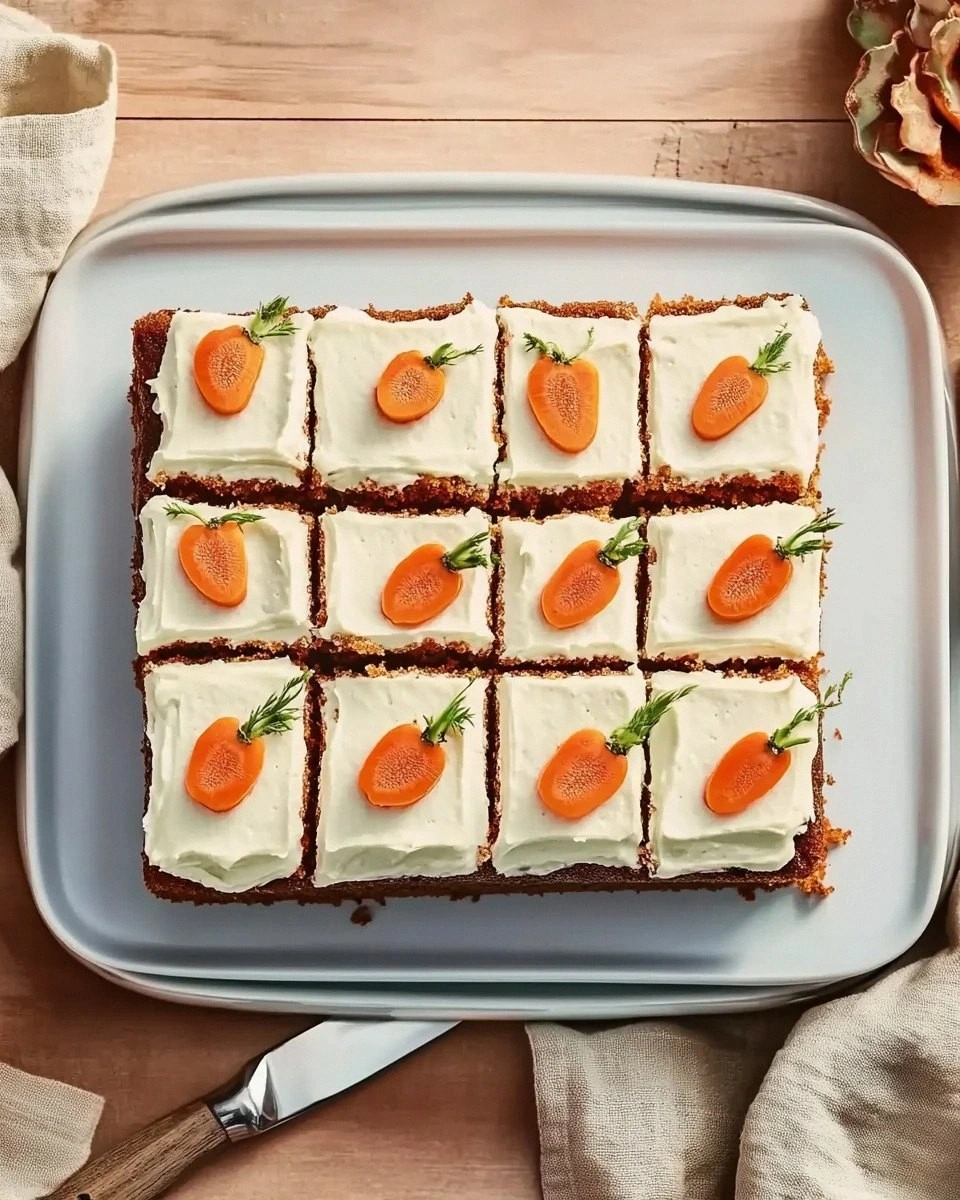
Picture this: it’s a rainy Saturday afternoon, the kind where the clouds are draped low enough to make you feel like you’re inside a giant, comforting blanket. I was standing in my kitchen, a half‑finished batch of muffins on the counter, and a sudden craving for something that could both satisfy my sweet tooth and make the whole house smell like a cozy bakery hit me like a bolt of lightning. I rummaged through the pantry, found a lone bag of carrots that had been waiting patiently for a purpose, and thought, “What if I turned these humble orange sticks into a show‑stopping cake?” That moment of reckless inspiration turned into a culinary experiment that, frankly, blew my expectations out of the water.
The first whiff that hit me when the batter hit the bowl was a warm, earthy perfume—sweet carrots mingling with the spicy hug of cinnamon and nutmeg, a hint of vanilla teasing the senses, and a faint buttery undertone that promised richness. As the cake baked, the kitchen filled with a scent so intoxicating that even the neighbor’s dog paused at the door, ears perked, as if it could taste the anticipation. When the timer finally chimed, the cake emerged with a golden crown, edges slightly crisped, the top a soft, almost velvety dome that seemed to whisper, “Come on, dig in.” I sliced a piece, and the fork glided through the crumb like a knife through softened butter, revealing a moist interior studded with plump raisins and crunchy pecans.
Now, let’s talk frosting. I wasn’t satisfied with the usual bland cream cheese topping; I wanted something that could elevate the cake to mythic status. That’s where pure maple syrup entered the scene, swirling into the cream cheese like amber sunlight, creating a frosting that’s both tangy and sweet, with a buttery silkiness that clings to each bite like a gentle hug. The maple flavor doesn’t just sit on top; it seeps into the cake’s pores, turning every morsel into a symphony of caramel‑kissed carrot goodness. I dare you to taste this and not go back for seconds—trust me, the addiction is real.
So why does this version stand out from the sea of carrot cake recipes out there? Most recipes get the texture wrong—either too dry or too crumbly. This one nails the perfect balance, thanks to a secret duo of applesauce and oil that keep it moist without making it greasy. And there’s a twist: a splash of maple syrup in the frosting that adds depth you never knew a carrot cake could have. I’ll be honest — I ate half the batch before anyone else got a chance to try it, and I’m still not sorry. Let me walk you through every single step — by the end, you’ll wonder how you ever made it any other way.
What Makes This Version Stand Out
- Taste: The maple‑infused frosting adds a caramel‑like sweetness that perfectly balances the earthiness of the carrots, creating a flavor harmony that feels both nostalgic and fresh.
- Texture: A moist crumb studded with crunchy pecans and chewy raisins gives you that delightful contrast—soft on the palate, with surprise bites of crunch.
- Simplicity: Despite its gourmet vibe, the ingredient list is pantry‑friendly, and the method uses everyday tools—no fancy equipment required.
- Uniqueness: The combination of applesauce and oil keeps the cake light, while maple syrup in the frosting is a game‑changer that most recipes overlook.
- Crowd Reaction: Guests invariably ask for the recipe, and you’ll hear the words “best carrot cake ever” echo around the table.
- Ingredient Quality: Using fresh, finely grated carrots and real pure maple syrup makes the difference between ordinary and unforgettable.
- Cooking Method: Baking at a moderate temperature ensures even rise, while the gentle cooling period lets the flavors meld perfectly.
- Make‑Ahead Potential: The cake freezes beautifully, and the frosting can be stored in the fridge, meaning you can prep ahead for any celebration.
Inside the Ingredient List
The Flavor Base
All-purpose flour forms the structural backbone of the cake; it’s the canvas on which all other flavors paint their masterpiece. The two teaspoons of baking powder and a single teaspoon of baking soda work together to give the cake its lift, creating a tender crumb that’s airy yet sturdy enough to hold the frosting. If you skip the baking soda, you’ll notice a denser texture, as the soda’s alkaline nature helps neutralize the acidity of the carrots and the cream cheese frosting later on.
The Sweet Symphony
Granulated sugar provides the primary sweetness, while brown sugar adds a subtle molasses undertone that deepens the flavor profile. The 3 large eggs act as emulsifiers, binding the wet and dry components while also adding richness. Vegetable oil contributes to a moist crumb, but the unsweetened applesauce adds humidity without extra fat, keeping the cake light. If you’re out of applesauce, mashed banana works as a substitute, though it will introduce a banana note that might compete with the maple.
The Unexpected Star
Maple syrup in the frosting is the surprise hero; its natural sugars caramelize gently, delivering a buttery, wood‑syrupped finish that ordinary sugar can’t match. The cream cheese provides tang, balancing the maple’s sweetness, while the unsalted butter adds silkiness. A pinch of salt amplifies every flavor, ensuring none get lost in the mix. If you can’t find pure maple syrup, a high‑quality amber maple extract can mimic the flavor, but use it sparingly to avoid bitterness.
The Final Flourish
Grated carrots bring moisture, natural sweetness, and that iconic orange hue, while the chopped pecans lend a buttery crunch that contrasts the soft crumb. Raisins add pockets of chewiness and a burst of concentrated sweetness. For a nut‑free version, substitute toasted sunflower seeds; they’ll give a similar crunch without the allergen risk. When selecting carrots, opt for medium‑sized, bright orange ones—they’re sweeter and less fibrous than their larger, pale counterparts.
Everything's prepped? Good. Let's get into the real action…
The Method — Step by Step
- Preheat your oven to 350°F (175°C) and grease a 9‑inch round cake pan with a thin layer of butter, then line the bottom with parchment paper. This dual‑lubrication ensures the cake releases cleanly, and the parchment prevents any stubborn sticking that could ruin the flawless top. While the oven warms, take a moment to inhale the buttery aroma—this is the first signal that you’re on the right track.
- In a large bowl, whisk together the flour, baking powder, baking soda, salt, cinnamon, and nutmeg until the spices are evenly distributed. The mixture should look like a speckled snowstorm—this ensures that every bite gets a consistent flavor burst. If you notice any clumps, give the bowl a quick tap on the counter; the vibrations will help break them up.
- In a separate bowl, combine the granulated sugar, brown sugar, and vegetable oil, beating until the mixture turns a pale, glossy amber. This is the point where the sugar starts to dissolve into the oil, creating a glossy base that will later coat the carrots and keep the crumb tender. Add the eggs one at a time, beating well after each addition, then stir in the vanilla extract and applesauce. The batter should look thick but pourable—if it feels too stiff, a splash of milk will loosen it without compromising the flavor.
- Fold the grated carrots, chopped pecans, and raisins into the wet mixture using a rubber spatula. This step is all about gentle incorporation; you want the carrots to stay fluffy, not turn into a mushy paste. The mixture will look speckled with orange ribbons and brown flecks—trust that visual cue, it’s a good sign.
- Pour the batter into the prepared pan, smoothing the top with the back of a spoon. The batter should spread evenly, forming a slight dome in the center. Place the pan on the middle rack of the oven and bake for 30‑35 minutes, or until a toothpick inserted into the center emerges clean with just a few moist crumbs attached. You’ll know it’s ready when the edges pull away from the pan and the top has a golden‑brown sheen.
- While the cake bakes, prepare the frosting. In a mixing bowl, beat the softened cream cheese and unsalted butter together until light and fluffy—about 2 minutes on medium speed. Gradually add the powdered sugar, one cup at a time, ensuring each addition is fully incorporated before the next. Once smooth, drizzle in the pure maple syrup and vanilla extract, then add a pinch of salt. Beat for an additional minute until the frosting is silky, glossy, and has a faint maple aroma that makes your kitchen smell like a breakfast diner in autumn.
- Allow the cake to cool in the pan for 10 minutes, then gently run a thin knife around the edges to loosen it. Invert the cake onto a cooling rack, peel away the parchment, and let it cool completely—this is crucial because frosting a warm cake will melt the butter and create a runny mess. While the cake cools, you can give the frosting a quick whisk to keep it airy.
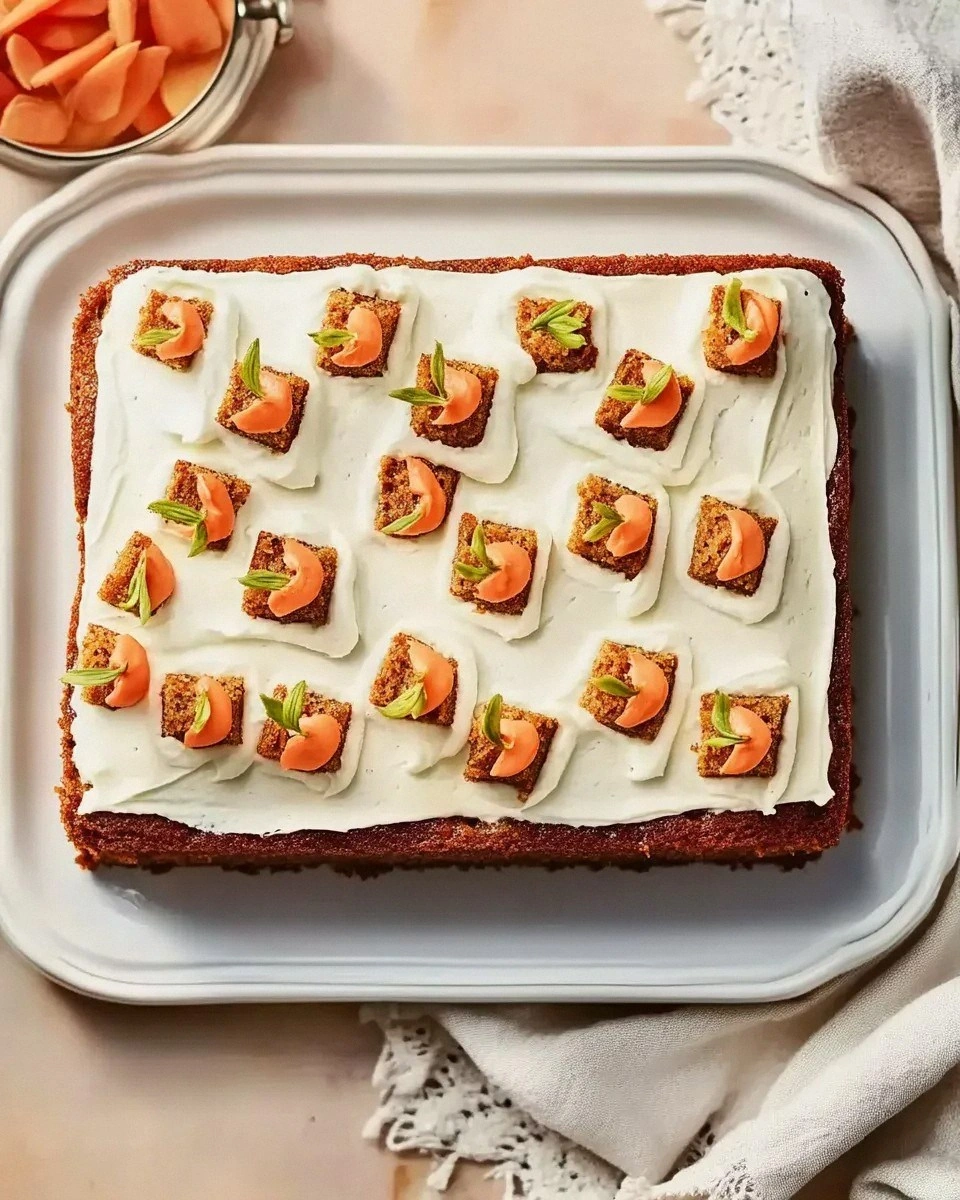
- Once the cake is completely cool, spread a generous layer of maple cream cheese frosting over the top and sides, using an offset spatula for a smooth finish. The frosting should glide like a silk sheet, coating every curve. For an extra visual wow factor, drizzle a thin line of additional maple syrup over the top and sprinkle a handful of toasted pecan halves. Slice, serve, and watch as the frosting slowly slides off the knife, leaving a glossy trail.
That's it — you did it. But hold on, I've got a few more tricks that'll take this to another level...
Insider Tricks for Flawless Results
The Temperature Rule Nobody Follows
Never bake a carrot cake straight from the fridge. Let the batter sit at room temperature for 10‑15 minutes before it hits the oven; this small pause helps the leavening agents activate uniformly, giving you an even rise. I once tried skipping this step, and the cake emerged with a sunken middle—like a sad pancake. Trust the rule, and your cake will puff up like a cloud.
Why Your Nose Knows Best
When the cake is about 25 minutes into baking, start sniffing the kitchen. If you catch a toasty, caramelized aroma, the cake is almost done. The scent is a reliable indicator that the interior has set, even if the edges look a tad light. Relying on visual cues alone can lead to over‑baking, turning a moist crumb into a dry brick.
The 5‑Minute Rest That Changes Everything
After the cake has cooled on the rack, give it a 5‑minute rest before frosting. This micro‑rest lets the crumb settle, preventing the frosting from sinking into the surface and creating a soggy layer. It’s a tiny patience exercise that rewards you with a frosting that stays beautifully perched on top.
Maple Syrup Integration Mastery
When adding maple syrup to the frosting, do it slowly while the mixer is on low. This prevents the syrup from splattering and ensures it’s fully emulsified, giving the frosting that glossy sheen. If you pour it in too fast, you’ll end up with pockets of syrup that can create uneven sweetness.
Precision Cutting for Perfect Slices
Use a hot, wet knife to cut the cake. Dip the blade in hot water, wipe it dry, and slice. The heat creates a clean cut, while the moisture prevents crumbs from sticking to the blade. This technique makes every slice look bakery‑professional, and it’s especially handy when serving a crowd.
Creative Twists and Variations
This recipe is a playground. Here are some of my favorite ways to switch things up:
Apple‑Cinnamon Burst
Swap half of the grated carrots for finely diced apples and increase the cinnamon to 2 teaspoons. The apples add a subtle tartness that brightens the flavor, making it perfect for autumn brunches.
Chocolate Swirl Delight
Fold in ½ cup of dark chocolate chips into the batter and drizzle a thin ribbon of melted chocolate over the frosting before serving. The bitterness of the chocolate creates a sophisticated contrast to the sweet maple.
Gluten‑Free Glory
Replace the all‑purpose flour with a 1:1 gluten‑free flour blend, and add ¼ teaspoon of xanthan gum for structure. The result is just as tender, proving that you don’t need wheat to enjoy this classic.
Spiced Orange Zest
Incorporate the zest of one orange and a pinch of ground cardamom into the batter. The citrus lifts the spice profile, giving the cake a bright, festive edge—ideal for holiday tables.
Nut‑Free Crunch
Swap pecans for toasted pumpkin seeds or toasted coconut flakes. Both add a pleasant crunch without the allergen risk, and the pumpkin seeds echo the earthy vibe of the carrots.
Storing and Bringing It Back to Life
Fridge Storage
Cover the frosted cake loosely with plastic wrap or store it in an airtight cake dome. It will stay fresh for up to 5 days, and the frosting actually firms up a bit, making each slice easier to serve. Before serving, let the cake sit at room temperature for 20 minutes to soften the frosting.
Freezer Friendly
Wrap the unfrosted cake tightly in a double layer of parchment paper, then in aluminum foil. Freeze for up to 3 months. When you’re ready to enjoy, thaw overnight in the fridge, then bring to room temperature and frost as usual. The texture remains moist because the carrots act as natural freezers.
Best Reheating Method
To revive a slice, place it on a microwave‑safe plate, sprinkle a tiny splash (about a teaspoon) of water around the edges, and microwave on medium for 15‑20 seconds. The steam generated revives the crumb, while the frosting softens just enough to melt in your mouth.