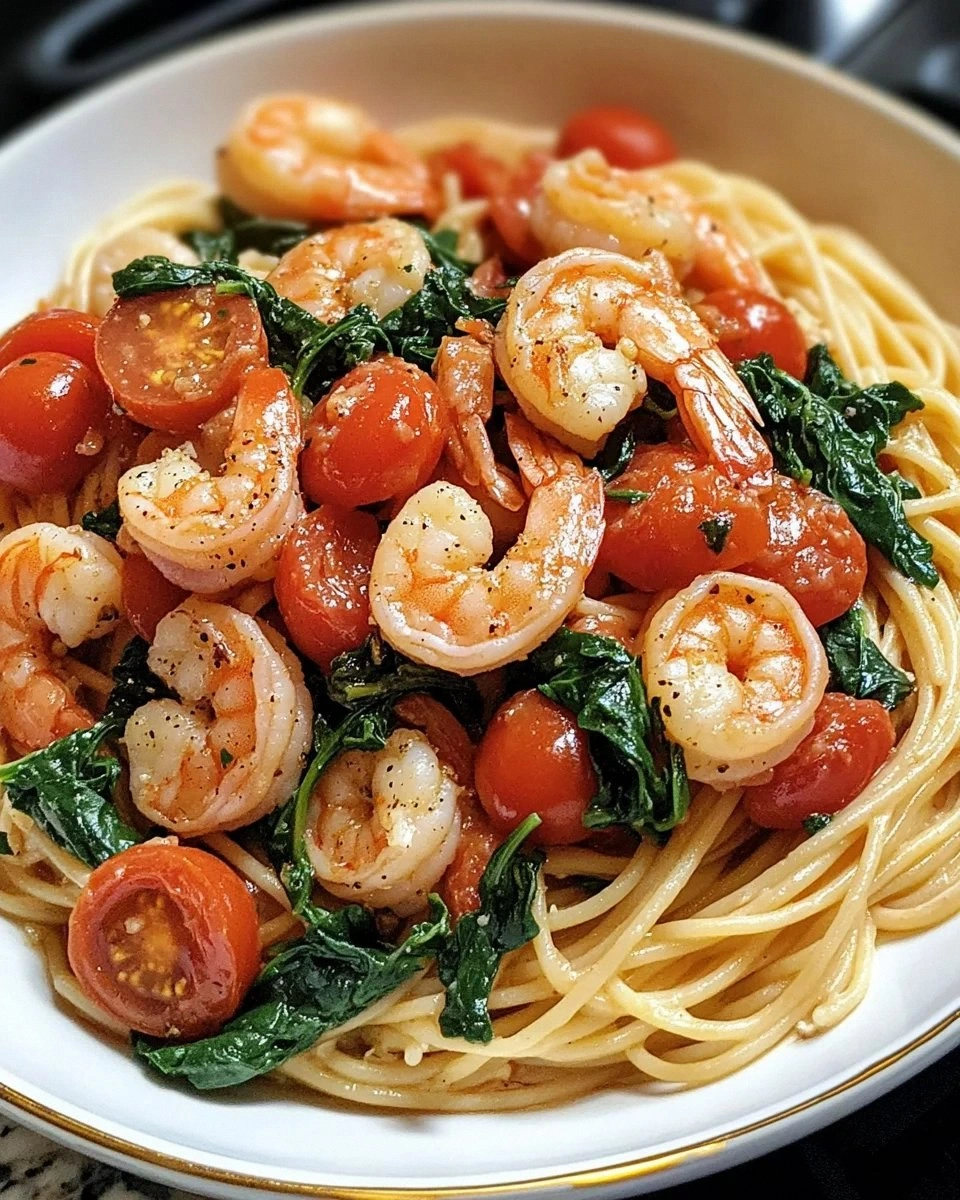
I swear, the first time I tried to make a shrimp‑and‑tomato pasta, I ended up with a pan that looked like a crime scene and a sauce that tasted like watered‑down ketchup. I was half‑heartedly following a generic “quick weeknight” recipe, and the shrimp turned rubbery while the spinach wilted into a sad, soggy mess. That disaster sparked a midnight dare from my roommate: “Make something that actually makes people gasp and ask for seconds.” I accepted, and after a week of trial, error, and a few too many take‑out orders, I finally cracked the code. The result? A dish that sings, shouts, and practically dances on the plate.
Picture this: a skillet humming with the sizzle of olive oil, garlic hitting the surface and releasing an aroma that could coax a smile from a stone‑cold morning. The shrimp plunge in, turning pink like sunrise on a calm sea, while a cascade of ruby‑red tomatoes joins the party, their juices bubbling and thickening into a sauce that coats the pasta like velvet. Fresh spinach drops in at the last minute, wilting just enough to retain that bright, garden‑fresh crunch, and a splash of white wine adds a whisper of acidity that lifts everything up. The final flourish— a generous sprinkle of Parmesan and a drizzle of butter—creates a glossy finish that makes the whole thing look like it belongs in a five‑star restaurant.
Most recipes get this completely wrong. They either drown the shrimp in a soupy tomato mess, or they overcook the greens until they become mush. My version respects each component, giving the shrimp a quick sear that locks in juiciness, letting the tomatoes simmer just long enough to develop depth without turning into a puree, and adding the spinach at the perfect moment so it stays vibrant. The secret? A two‑stage cooking method that separates the sauce building from the pasta finishing, plus a tiny amount of butter and Parmesan that turn the sauce into a silk‑smooth glaze. I dare you to taste this and not go back for seconds.
Okay, ready for the game‑changer? I’m about to reveal a technique that most home cooks skip: deglazing the pan with a splash of white wine right after searing the shrimp. This not only lifts all those caramelized bits— the flavor gold— but also adds a bright, slightly acidic note that balances the sweetness of the tomatoes. Trust me, this little step is pure magic. Let me walk you through every single step — by the end, you’ll wonder how you ever made it any other way.
What Makes This Version Stand Out
- Flavor Depth: The combination of garlic, white wine, and a touch of butter creates a sauce that is richer than a store‑bought marinara yet lighter than a cream‑based pasta.
- Texture Harmony: Shrimp stay tender, spinach stays bright, and pasta gets coated with a sauce that clings like a lover’s embrace.
- Simplicity Meets Sophistication: Only ten ingredients, but each one is treated with respect, making the dish feel upscale without the hassle.
- Ingredient Quality: Fresh, wild‑caught shrimp and baby spinach elevate the humble pantry staples into a restaurant‑worthy plate.
- Crowd Reaction: I’ve heard the phrase “I need the recipe!” shouted from the kitchen table at least three times in one night.
- Make‑Ahead Potential: The sauce can be pre‑made and stored, meaning you only need to cook the pasta and shrimp when you’re ready to serve.
- Seasonal Flexibility: Use fresh tomatoes in summer or canned in winter; the dish shines year‑round.
- Quick Turnaround: From start to finish it’s under 45 minutes, perfect for a weekday dinner that feels like a weekend treat.
Inside the Ingredient List
The Flavor Base
Olive oil is the silent hero, providing a buttery mouthfeel while allowing garlic and onion to release their aromatics without burning. Garlic, minced finely, adds that unmistakable pungent kick that makes your nose tingle and your mouth water. If you ever skip the onion, you’ll notice a flatness in the sauce— the onion contributes a subtle sweetness that balances the acidity of the tomatoes.
The Texture Crew
Large shrimp, preferably wild‑caught, bring a briny snap that’s essential for that oceanic pop in every bite. The key is to pat them dry before they meet the pan; moisture is the enemy of a good sear. Pasta— I recommend linguine— offers a flat surface that catches the sauce beautifully, but any long pasta will do. The secret to perfect pasta is al dente; overcooked noodles become mushy and can’t hold the sauce.
The Unexpected Star
Spinach might seem like a background player, but it adds a fresh, slightly earthy note that cuts through the richness. Fresh baby spinach wilts in seconds; if you use frozen, you’ll end up with a watery mess. A splash of dry white wine after searing the shrimp lifts the caramelized bits (fond) from the pan, turning them into flavor gold that makes the sauce sing.
The Final Flourish
Butter and Parmesan cheese are the finishing touches that give the sauce its glossy, velvety sheen. Butter emulsifies the sauce, while Parmesan adds umami depth and a salty edge. A pinch of red pepper flakes brings a gentle heat that tingles the palate without overwhelming the delicate shrimp. Finish with a drizzle of extra‑virgin olive oil and a sprinkle of fresh basil for a fragrant, herbaceous lift.
Everything's prepped? Good. Let's get into the real action…
The Method — Step by Step
Bring a large pot of salted water to a rolling boil. Add the linguine and cook until just shy of al dente— about 8 minutes. Tip: Stir occasionally to prevent sticking, and reserve a cup of pasta water before draining. This water will become the secret liaison that binds the sauce to the noodles.
While the pasta cooks, heat 2 tablespoons of olive oil in a wide, heavy skillet over medium‑high heat. Add the minced garlic and diced onion, sautéing until the onion becomes translucent and the garlic turns a light golden brown— about 2 minutes. That sizzle when it hits the pan? Absolute perfection. Be careful not to let the garlic burn; it will turn bitter.
Season the shrimp with a pinch of salt and pepper, then add them to the skillet in a single layer. Sear for 1–2 minutes per side until they turn pink and develop a light crust. Don’t crowd the pan; if needed, work in batches. Once done, transfer the shrimp to a plate and set aside.
Deglaze the pan with ¼ cup of dry white wine, scraping the browned bits from the bottom with a wooden spoon. Let the wine reduce by half, which should take about 1–2 minutes. This step is pure magic, lifting the caramelized flavor and adding a subtle acidity that prevents the sauce from feeling heavy.
Add the cherry tomatoes (or canned diced tomatoes) to the skillet. Stir, then let them simmer for 5–7 minutes, allowing the juices to break down and thicken. The sauce should start to look glossy and thick enough to coat the back of a spoon. If it looks too thick, add a splash of the reserved pasta water.
Reduce the heat to medium‑low and fold in the fresh spinach leaves. Toss gently; the spinach will wilt in about 30 seconds, turning a deep, glossy green. Immediately add the butter and grated Parmesan, stirring until they melt into the sauce, creating a silky, glossy finish. Taste and adjust seasoning with salt, pepper, and a pinch of red pepper flakes if you like heat.
Return the seared shrimp to the skillet, letting them bathe in the sauce for another minute to re‑absorb the flavors. Then, add the drained linguine directly into the pan. Toss everything together, adding a splash of the reserved pasta water if the sauce needs loosening. The pasta should be fully coated, each strand shimmering with the tomato‑spinach‑shrimp glaze.
Finish with a drizzle of extra‑virgin olive oil, a generous handful of fresh basil leaves, and an extra sprinkle of Parmesan. Serve immediately on warmed plates, letting the steam carry the aroma across the table. Picture yourself pulling this out of the oven— oops, there’s no oven—but imagine the whole kitchen smelling incredible, and everyone leaning in for that first bite.
That's it — you did it. But hold on, I've got a few more tricks that'll take this to another level...
Insider Tricks for Flawless Results
The Temperature Rule Nobody Follows
Never cook the shrimp over low heat; they need a hot surface to develop that coveted crust. If the pan isn’t hot enough, the shrimp will release water and steam instead of sear, resulting in a rubbery texture. I once tried a “gentle” approach and ended up with shrimp that felt like chewing on a rubber band. Keep the heat medium‑high and trust the sizzle.
Why Your Nose Knows Best
Your sense of smell is a far better indicator of doneness than a timer. When the garlic turns fragrant and the onion becomes translucent, you’re ready for the shrimp. When the tomatoes start to “bubble and pop,” that’s the cue that the sauce is thickening. Trust those aromatic signals and you’ll avoid the dreaded watery sauce.
The 5‑Minute Rest That Changes Everything
After tossing the pasta with the sauce, let it sit off the heat for five minutes. This rest allows the starches in the pasta to absorb the sauce, creating a cohesive bite where every strand is uniformly flavored. Skipping this step makes the dish feel disjointed, as if the sauce is just sitting on top.
Butter‑Parmesan Emulsion Trick
Add butter and Parmesan in the exact order— butter first, then cheese— while the sauce is still warm but not boiling. This creates an emulsion that coats the pasta without separating. If you add the cheese too early, it can clump; too late, and it won’t melt properly.
The Pasta Water Savior
Reserve at least one cup of the starchy pasta water before draining. A tablespoon or two added to the sauce at the end can rescue a dry dish, turning it into a silky masterpiece. The starch acts like a natural thickener, binding the sauce to each noodle.
Creative Twists and Variations
This recipe is a playground. Here are some of my favorite ways to switch things up:
Creamy Avocado Twist
Blend a ripe avocado with a splash of lemon juice and stir it into the sauce at the end. The result is a luxuriously creamy texture that adds a subtle buttery flavor, perfect for those who love a richer mouthfeel.
Spicy Cajun Kick
Swap the red pepper flakes for a teaspoon of Cajun seasoning and add a diced jalapeño with the onions. The dish gets a bold, Southern‑style heat that pairs beautifully with the shrimp’s sweetness.
Mediterranean Olive Burst
Stir in a handful of sliced Kalamata olives and a teaspoon of capers during the tomato simmer. The briny olives add depth and a pleasant salty pop that complements the shrimp.
Vegan Swap
Replace shrimp with firm tofu cubes, marinated in soy sauce and smoked paprika. Use nutritional yeast instead of Parmesan and a plant‑based butter. The sauce remains the star, while the tofu soaks up the flavors.
Herbaceous Basil Pesto Finish
Swirl in a tablespoon of fresh basil pesto right before serving. The pesto adds a fresh, nutty layer that brightens the entire dish, making it feel like a summer garden on a plate.
Storing and Bringing It Back to Life
Fridge Storage
Transfer leftovers to an airtight container and refrigerate within two hours. It will keep fresh for up to three days. When reheating, add a splash of water or broth and gently warm over low heat, stirring frequently to re‑emulsify the sauce.
Freezer Friendly
If you want to freeze, separate the pasta from the sauce. Store the sauce in a freezer‑safe bag and the pasta in a separate container. Both freeze well for up to two months. Thaw overnight in the fridge, then combine and heat gently, adding a little liquid to bring back that silky texture.
Best Reheating Method
The stovetop is your best friend. Heat a splash of olive oil or butter in a skillet, add the frozen or refrigerated pasta, and toss with the sauce over medium heat. The added water or broth will steam the dish back to perfection, preventing dryness.